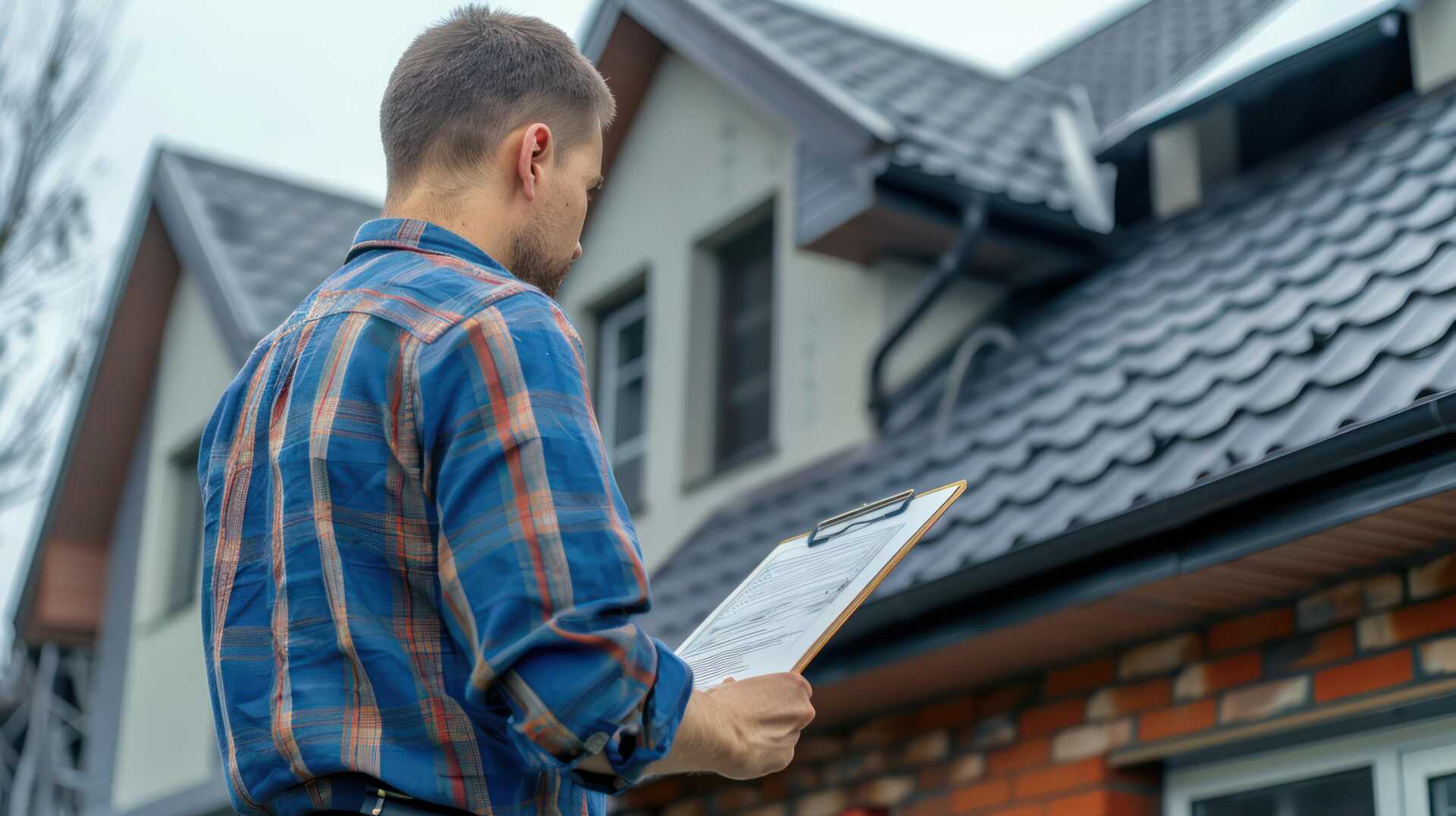
Understanding the importance of pre-purchase roof checks can have a big impact on your finances and property value. Discover the top seven strategies to effectively save money and maintain your roof’s integrity for years to come.
Key Takeaways
- Detect potential issues early to avoid costly repairs.
- Negotiate lower purchase prices based on inspection findings.
- Conduct regular inspections for extended roof lifespan.
- DIY maintenance tasks save money and prevent major problems.
- Compare quotes and seek multiple opinions for cost-effective solutions.
Importance of Pre-Purchase Roof Inspections
Conducting pre-purchase roof inspections is important in identifying potential issues that could save you significant costs in the long run. When considering a property investment, ensuring proper roof maintenance is essential. A good-quality roof protects your investment and provides a sense of security and belonging to your new home.
During a pre-purchase roof inspection, a qualified professional will thoroughly examine the roof’s structure, materials, and overall condition. This detailed assessment can reveal hidden problems such as leaks, damaged shingles, or structural weaknesses that may not be apparent to the untrained eye. By addressing these issues early on, you can avoid costly repairs or replacements down the line, ultimately saving you money and preserving the value of your property.
Furthermore, investing in regular roof maintenance can extend the lifespan of your roof and prevent minor issues from escalating into major concerns. By staying proactive and attentive to your roof’s upkeep, you demonstrate a commitment to safeguarding your property investment and ensuring its long-term durability.
Identifying Costly Roof Issues Early
To avoid significant financial burdens later on, early identification of expensive roof issues is pivotal. Regular roof maintenance is key to detecting potential problems early and implementing cost-effective solutions. One critical aspect of identifying costly roof issues early is conducting thorough inspections at least twice a year, preferably in the spring and fall.
During these inspections, pay close attention to signs of damage, such as missing or cracked shingles, sagging areas, water stains on the ceiling, or clogged gutters.
Additionally, look for any signs of wear and tear on the roof flashing, which can lead to leaks if not addressed promptly. It’s also important to inspect the attic for any signs of water damage, mold, or mildew, as these can indicate a leaky roof. Addressing these issues early on can help prevent further damage to the roof structure and interior of your home.
Incorporating routine roof maintenance into your home care routine can save you money in the long run by avoiding costly repairs or premature roof replacements. By staying proactive and addressing any issues as soon as they arise, you can guarantee that your roof remains in good condition and your home stays protected from the elements.
Negotiating Better Purchase Prices
How can you use pre-purchase roof checks to negotiate better purchase prices effectively?
When it comes to negotiating improved purchase prices based on the findings of a pre-purchase roof inspection, there are several key negotiation tactics and cost-saving tips that you can apply.
Firstly, armed with the information from the roof inspection report, you can utilize any identified issues to negotiate a lower purchase price. By providing the seller with a detailed list of necessary repairs or maintenance, you can make a strong case for why the property should be priced lower to account for these upcoming expenses.
Additionally, conducting price comparisons for similar properties in the area can give you a solid foundation for your negotiations. If other properties with fewer or no roof issues are priced lower, you can use this as evidence to support your request for a reduced price.
Moreover, when engaging in deal negotiations, it’s important to approach the process strategically. Rather than simply asking for a lower price, consider offering solutions such as splitting the cost of repairs with the seller or asking for concessions in other areas to offset the expenses related to the roof.
Avoiding Unexpected Repair Expenses
By proactively identifying potential issues through a pre-purchase roof check, you can effectively prevent unexpected repair expenses down the line. When it comes to avoiding unforeseen costs, budget-friendly repairs, and negotiation tactics play a critical role.
One key strategy is to address minor issues early on before they escalate into major problems. This saves you money and ensures the longevity of your roof.
Engaging in regular DIY maintenance can also help in avoiding unexpected repair expenses. Simple tasks like cleaning gutters, inspecting for loose shingles, and making sure of proper attic ventilation can go a long way in preventing costly repairs. By taking the time to perform these tasks yourself, you not only save money but also become more intimately familiar with the condition of your roof.
Cost-saving strategies like comparing quotes from different contractors, seeking multiple opinions, and understanding the scope of work needed can aid in avoiding unnecessary expenses. Additionally, educating yourself on common roofing issues and the average costs associated with repairs can strengthen you during negotiations with sellers or contractors.
Extending Roof Lifespan Economically
Extending the lifespan of your roof economically involves implementing cost-effective maintenance practices and strategic repairs. To ensure your roof remains in top condition without breaking the bank, consider the following tips:
Regular Inspections: Conduct routine roof maintenance checks to identify any issues early on and address them promptly.
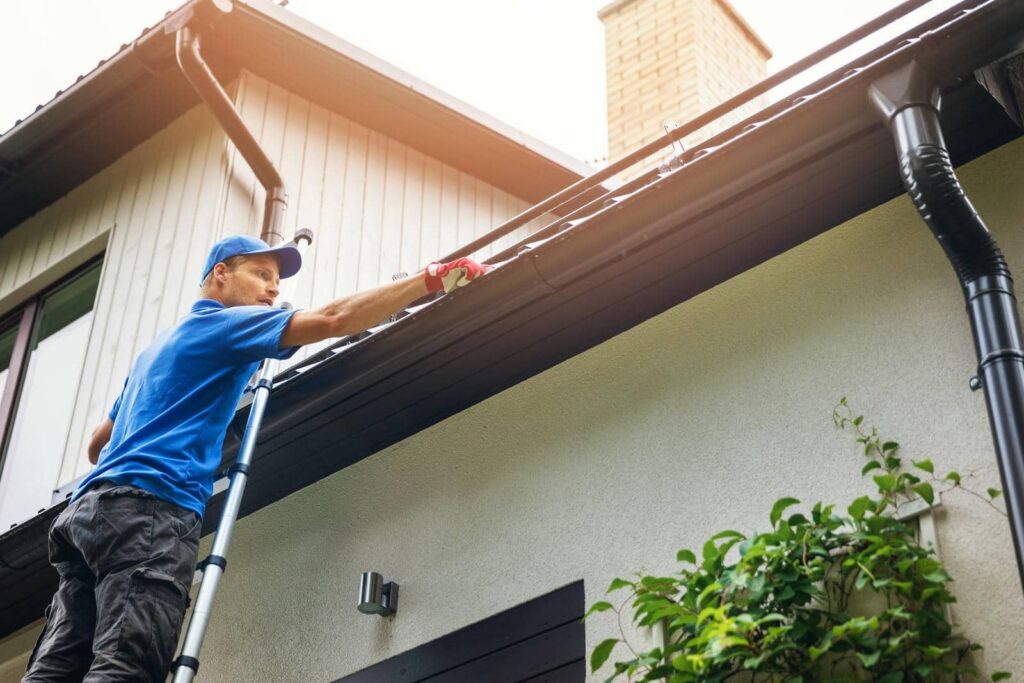
Cleaning Gutters: Keep your gutters clear of debris to prevent water from backing up and causing damage to your roof.
Trim Overhanging Branches: Trim trees near your roof to prevent branches from rubbing against shingles and causing abrasions.
Seal Leaks Quickly: If you notice any leaks, seal them promptly to prevent water damage and prolong the life of your roof.
Invest in Professional Repairs: While it may seem more expensive up front, investing in professional repairs by qualified roofers can prevent costly issues in the long run.
Ensuring Insurance and Warranty Coverage
When preparing for a roof check, remember to confirm your insurance coverage to guarantee potential repairs are included.
Clarify the terms of your roof’s warranty for a better understanding of what aspects are covered.
Comparing different coverage options can help you make informed decisions regarding your roof’s protection.
Insurance Verification Tips
Verifying insurance and warranty coverage is essential before proceeding with any roofing work to protect your financial interests. Making certain that you have the right insurance in place can save you from unexpected expenses in case of damage or accidents during the roof inspection process.
Here are some insurance verification tips to help you navigate this aspect smoothly:
Review Policy Details: Carefully go through your insurance policy to understand what’s covered.
Confirm Validity: Confirm that your insurance policy is up to date and valid for the duration of the roofing project.
Check Coverage Limits: Verify the coverage limits to ensure they meet the requirements of your roofing project.
Understand Exclusions: Familiarize yourself with any exclusions in your policy to avoid surprises later.
Contact Your Provider: Reach out to your insurance provider to clarify any doubts or questions you may have.
Warranty Terms Clarification
To assure comprehensive insurance and warranty coverage for your roofing project, it’s essential to thoroughly clarify the terms of the warranties provided by the roofing materials manufacturer.
Warranty coverage is a critical aspect of protecting your investment in a new roof. When reviewing warranty terms, pay close attention to what’s included in the coverage. Some warranties may only cover manufacturing defects, while others may also include installation-related issues.
Understanding warranty exclusions is equally important. These exclusions outline specific situations or conditions that would void the warranty. Common warranty exclusions may include improper maintenance, natural disasters, or unauthorized repairs.
Coverage Comparison Strategies
How can you effectively compare coverage options to ensure thorough insurance and warranty protection for your roofing project?
Conducting a detailed coverage analysis is essential to ensure you’re getting the best protection for your investment. Here are some strategies to help you navigate through the various options:
Policy Review:
Carefully go through the details of each insurance and warranty policy to understand what’s covered and what’s not.Savings Opportunities:
Look for cost-saving techniques within the coverage options that could help reduce your overall expenses.Compare Deductibles:
Analyze the deductibles of different policies to see which one offers the most cost-effective solution.Evaluate Coverage Limits:
Check the coverage limits of each policy to guarantee they align with your needs and budget.Consider Additional Benefits:
Assess any extra benefits or services included in the coverage that could provide added value for your roofing project.
Budget-Friendly Maintenance Strategies
Inspecting your roof regularly can help you identify cost-effective maintenance strategies to keep it in the best condition.
When it comes to budget-friendly maintenance, incorporating DIY repairs and seasonal maintenance routines can greatly extend the lifespan of your roof.
DIY repairs are a great way to save money on roof maintenance. Homeowners with basic tools and a little know-how can easily do simple tasks like replacing missing shingles, sealing small leaks, or cleaning out gutters. By addressing these issues promptly, you can prevent more important problems that may require costly professional repairs.
Seasonal maintenance plays a vital role in keeping your roof in top shape throughout the year.
In the spring, inspect for any damage caused by winter weather, such as ice dams or snow accumulation.
During the summer, check for signs of wear and tear from the hot sun.
In the fall, clear out any debris, like leaves or branches, that can clog gutters and create drainage issues.
Summary
By taking a proactive approach with pre-purchase roof checks, you can save a significant amount of money in the long term. Addressing minor issues promptly, bargaining prices based on inspection results, and carrying out DIY upkeep tasks can all result in substantial cost savings.
Stay informed, compare estimates, and take steps to guarantee your roof stays in excellent shape without overspending. Your wallet will appreciate it.