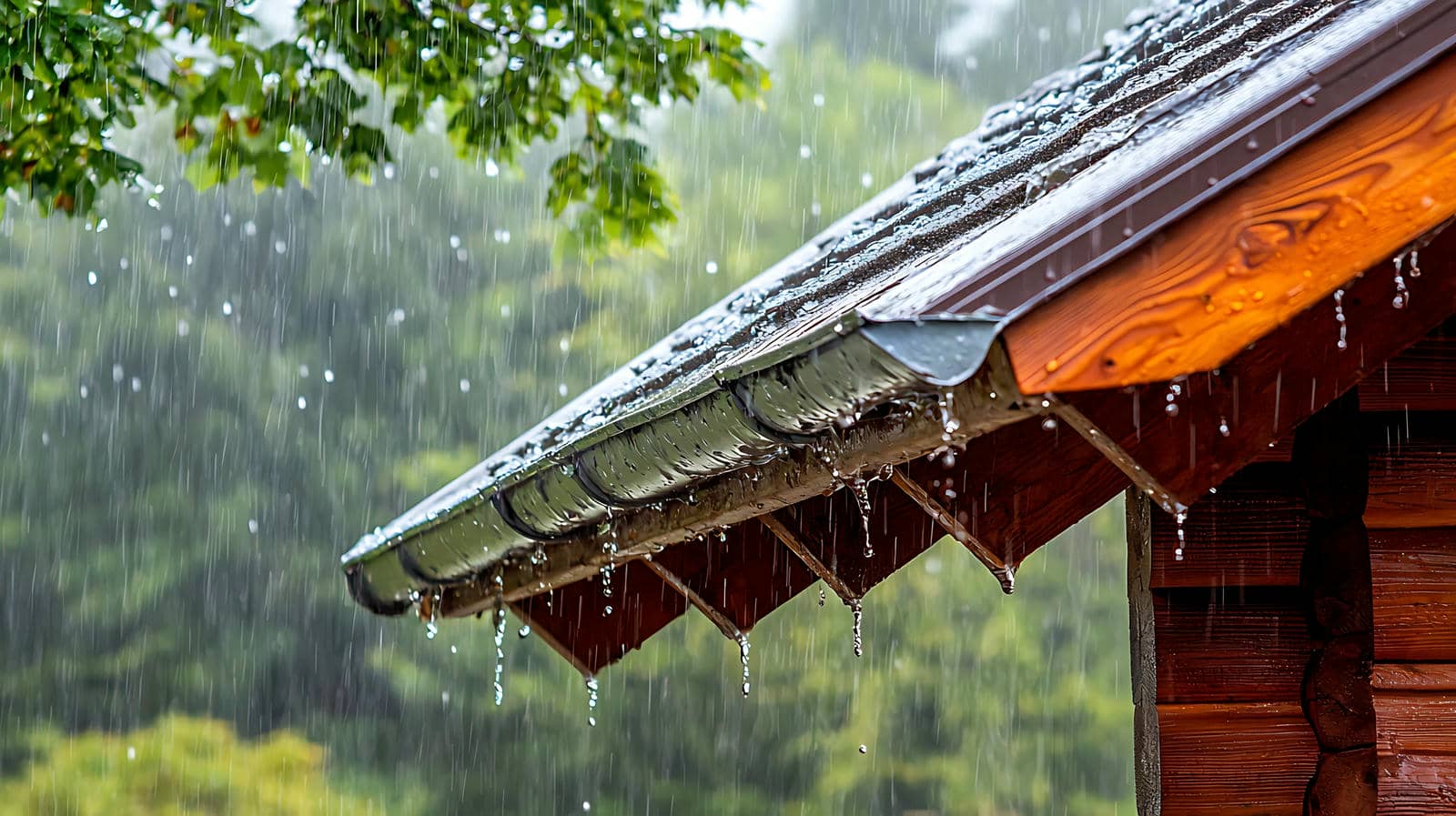
Did you know that a metal roof can start showing signs of leaks long before any water actually enters your home? Recognizing these indicators is essential for preventing significant damage. From water stains on ceilings to rust on panels, various signs can alert you to potential issues. Understanding what to look for can save you time and money in repairs, so let’s explore the key indicators of leaks in your metal roofing system.
Key Takeaways
- Look for visible water stains on ceilings, which indicate potential leaks from the metal roof.
- Check for damp insulation in the attic, as it signals moisture from roof leaks.
- Inspect for rust formation on metal panels, which can compromise the roof’s integrity.
- Identify loose or missing fasteners, as they can lead to leaks and structural issues.
- Monitor for puddles of water on the roof surface, indicating inadequate drainage that requires immediate attention.
Visible Water Stains on Ceilings
When you notice visible water stains on your ceilings, it’s an essential sign that your metal roof may be leaking. These stains often indicate ceiling discoloration, which is a direct result of moisture accumulation.
To ensure your home remains safe and dry, it is essential to prioritize moisture detection. Start by inspecting the areas directly above the stains, looking for any signs of rust, corrosion, or loose seams in your metal roof. Check for damaged flashing or poorly sealed joints, as these are common leak points.
Don’t forget to examine the interior, as mold growth can accompany prolonged moisture issues. Identifying these indicators early can prevent more extensive damage and costly repairs down the line.
Rust Formation on Metal Panels
Rust formation on metal panels occurs primarily due to moisture exposure and inadequate protective coatings.
To prevent rust, you should regularly inspect and maintain your roof, ensuring any scratches or wear are promptly addressed.
Understanding the causes and implementing effective maintenance tips can greatly extend the life of your metal roof.
Causes of Rust Formation
Although metal roofs are designed to withstand the elements, several factors can lead to rust formation on the panels.
One common cause is moisture accumulation, which can occur due to poor drainage or inadequate ventilation. Additionally, prolonged exposure to harsh weather conditions, like heavy rain or snow, can accelerate corrosion.
Contaminants such as salt, which is prevalent in coastal areas, will also contribute to rust development. If your metal roof has scratches or dents, these imperfections can expose the underlying metal, making it more susceptible to rust.
To combat this, regular rust prevention measures and prompt corrosion treatment are essential. Addressing these issues early can help maintain your roof’s integrity and extend its lifespan.
Prevention and Maintenance Tips
Addressing rust formation on metal panels requires a proactive approach to prevention and maintenance.
To keep your roof in prime condition, follow these tips:
- Conduct regular roof inspections to identify early signs of rust.
- Establish a maintenance schedule that includes cleaning and protective coatings.
- Ensure proper drainage to prevent water accumulation on the roof.
- Use high-quality materials and finishes to resist corrosion.
- Address any scratches or dents immediately to prevent rust from taking hold.
Loose or Missing Fasteners
When inspecting a metal roof, loose or missing fasteners can signal potential leaks and structural issues. You’ll want to identify the various fastener types used in your roofing system, such as screws, clips, and nails. Each type plays an important role in securing metal panels to the structure, and any deficiencies can compromise the roof’s integrity.
Check for signs of corrosion or wear around fasteners, as these can indicate that they’re loosening over time. Additionally, review the installation techniques employed; improper installation can lead to fasteners not being tightened adequately, creating vulnerability points.
If you notice any loose or missing fasteners, it’s essential to address these issues promptly. Tightening or replacing them helps to prevent leaks and extends the lifespan of your roof.
Damaged or Missing Sealant
Since sealant plays an indispensable role in waterproofing your metal roof, damaged or missing sealant can lead to significant leakage issues.
It’s essential to identify these problems early to maintain your roof’s integrity. Here are some indicators to watch for:
- Cracked or peeling sealant
- Gaps between metal panels
- Discoloration around sealant areas
- Missing sealant in joints or seams
- Excessive wear on high-traffic areas
Understanding sealant types, like silicone or polyurethane, is important, as each has unique properties suited for different applications.
Proper application techniques, such as ensuring clean surfaces and applying the correct thickness, can maximize performance.
Regular inspections and prompt repairs will help you maintain a watertight seal, preventing costly damage.
Puddles of Water on Roof Surface
Puddles of water on your metal roof’s surface can signal underlying issues that require immediate attention. When you notice water pooling, it often indicates inadequate roof drainage. Proper drainage systems are essential for directing water away, preventing potential leaks or structural damage.
Check for blockages in gutters or downspouts that may be causing the water to accumulate. Additionally, inspect the roof’s slope—if it’s insufficient, water won’t flow as intended.
Standing water can also lead to corrosion over time, compromising your roof’s integrity.
If you find persistent puddles, it’s wise to consult a roofing professional to assess the situation. They can identify any design flaws or potential repairs needed to ensure effective drainage.
Addressing these issues promptly can save you from costly repairs and extend the lifespan of your metal roof. Remember, proactive maintenance fosters a sense of belonging to a community that values quality home care.
Mold or Mildew Growth
Water pooling on your metal roof can create an environment conducive to mold or mildew growth. If you notice any of these indicators, it’s vital to address the issue promptly:
- Dark spots or patches on the roof surface
- A musty odor emanates from the roof area
- Visible mold or mildew colonies forming
- Stains on the interior ceiling or walls
- Increased allergy symptoms in occupants
Mold removal and mildew prevention are essential for maintaining a healthy living space. When you identify these growths, act quickly to remove them and investigate the underlying cause, such as poor drainage or roof damage.
Regular inspections and maintenance can help you prevent future issues. Additionally, ensuring proper ventilation and addressing any leaks will considerably reduce the chances of mold and mildew returning.
Taking these steps protects your roof and contributes to a healthier home environment for you and your loved ones.
Corroded Flashing Around Roof Penetrations
When inspecting your metal roof, pay close attention to the flashing around roof penetrations for signs of corrosion, such as rust spots or pitting.
Different flashing materials can react differently to moisture and environmental factors, impacting their longevity and effectiveness.
You’ll need to determine whether to repair or replace the flashing based on the extent of the corrosion and the material used.
Signs of Corrosion
Corroded flashing around roof penetrations is a critical sign of deterioration that can lead to significant leaks in metal roofs. You should regularly inspect these areas to verify metal durability and implement effective corrosion prevention measures.
Look for these indicators:
- Rust stains or discoloration
- Pitting or flaking of the metal surface
- Gaps or separations where flashing meets the roof
- Cracked or damaged sealant around penetrations
- Moisture accumulation or pooling near flashings
Addressing these signs promptly can save you from extensive repairs.
By keeping an eye on corrosion, you’re protecting your investment and fostering a sense of community around maintaining quality roofs.
Flashing Material Types
Understanding the various types of flashing materials is essential for effectively addressing potential leaks around roof penetrations. Corroded flashing can lead to significant issues, so you must know your options.
Aluminum flashing is lightweight and resistant to rust, but it can deteriorate over time, especially if exposed to harsh weather conditions. Conversely, copper flashing offers superior durability and an attractive aesthetic, often developing a patina that protects it from corrosion. However, it’s typically more expensive and requires careful installation.
When evaluating your roof, pay close attention to the condition of these flashing materials. Identifying corrosion early can save you from costly repairs and ensure your metal roof remains watertight and functional for years to come.
Repair or Replace?
Deciding whether to repair or replace corroded flashing around roof penetrations hinges on the extent of the damage.
Evaluating your situation carefully will help you make the best choice for your metal roof. Consider these factors:
- Severity of corrosion: Is it surface-level or deep?
- Location of damage: Is it around vents, chimneys, or other penetrations?
- Repair costs: Are they reasonable compared to potential leaks?
- Replacement options: Do they match your existing roof materials?
- Long-term durability: Will a repair last, or is a replacement more sustainable?
If the damage is minor, a repair might suffice.
However, if the corrosion is extensive, opting for replacement could save you from future headaches and costs.
Warping or Buckling of Roof Panels
A noticeable indication of potential issues with your metal roof is the warping or buckling of roof panels. This deformation can compromise the roof’s structural integrity, leading to more severe problems down the line.
Warping often occurs due to the expansion and contraction of roof panel materials, especially in extreme weather conditions. If you notice that the panels are no longer lying flat or are bulging, it’s vital to act quickly. Ignoring this issue can result in leaks, as the compromised alignment disrupts the water-shedding capabilities of your roof.
Inspect the panels regularly, looking for signs of uneven surfaces or gaps. Addressing these warning signs early can protect your investment and ensure that your metal roof continues to perform effectively.
Increased Energy Costs
If you’ve noticed rising utility bills, it could indicate an underlying issue with your metal roof.
Leaks can lead to uneven temperature distribution throughout your home, forcing your HVAC system to work harder.
This increased energy demand spikes costs and signals potential roof damage that needs attention.
Rising Utility Bills
When you notice your utility bills climbing higher than usual, it could signal underlying issues with your metal roof. A compromised roof can impact your home’s energy efficiency, leading to increased costs.
Conducting a thorough cost analysis can help you identify potential leaks or damage that might be causing this spike. Here are some indicators to watch for:
- Poor insulation quality
- Visible rust or corrosion
- Damaged or missing fasteners
- Gaps or seams in the roofing material
- Water stains within your home
Addressing these issues promptly can help restore your roof’s integrity and enhance its energy efficiency, ultimately reducing those rising utility bills.
Don’t overlook these signs—your wallet will thank you!
Uneven Temperature Distribution
Rising energy costs can often be traced back to uneven temperature distribution within your home, a common issue linked to metal roof problems.
When your roof has leaks or inadequate insulation, you’ll experience noticeable temperature variations throughout different rooms. This can force your heating and cooling systems to work overtime, driving up your energy bills.
Utilizing thermal imaging can help you identify these discrepancies, allowing you to pinpoint areas where heat loss or gain occurs. By addressing these leaks or insulation issues, you can restore balanced temperatures, ensuring your home remains comfortable and energy-efficient.
Don’t let uneven temperature distribution lead to unnecessary expenses; take action to maintain both your comfort and your budget.
Damp Insulation in Attic Spaces
Since damp insulation in attic spaces often signals a roof leak, it’s important to address this issue promptly. Ignoring it can lead to significant structural damage and increased energy costs.
Here are key indicators of insulation moisture that you should look for:
- Visible water stains on insulation
- Mold or mildew growth in the attic
- Musty odors indicate trapped moisture
- Condensation on roof panels or rafters
- Increased energy bills due to inadequate insulation
Proper attic ventilation is vital to prevent moisture buildup, allowing humid air to escape and keeping insulation dry.
Make sure your vents are unobstructed and functioning effectively. If you notice any signs of damp insulation, consider consulting a professional to assess the situation.
Early intervention can save you time, money, and headaches in the long run. Don’t let a small issue turn into a major problem!
Frequently Asked Questions
How Often Should I Inspect My Metal Roof for Leaks?
You should inspect your metal roof for leaks at least twice a year. Utilize leak detection methods, such as visual checks and moisture detection tools, to ensure early identification and address potential issues before they escalate.
Can I Repair a Metal Roof Leak Myself?
Yes, you can repair a metal roof leak yourself with DIY repairs. Start by identifying the source, using appropriate sealants, and ensuring proper leak prevention methods. Just remember safety first, and always follow manufacturer guidelines.
What Tools Do I Need to Check for Leaks?
To check for leaks, you’ll need essential leak detection tools like a flashlight, a moisture meter, and an infrared camera. These inspection tools help you pinpoint issues quickly and ensure your roof stays in top condition.
How Long Can a Metal Roof Last Without Leaks?
“A stitch in time saves nine.” A well-maintained metal roof can last 40-70 years without leaks. Implementing proper roof maintenance tips ensures longevity, preventing issues that could compromise your roof’s integrity and your peace of mind.
Are There Specific Weather Conditions That Cause Leaks?
Yes, storm damage and high humidity can lead to leaks in your metal roof. Heavy rains and wind can compromise seals, while excessive moisture promotes rust, weakening the roof’s integrity and increasing leak potential.
Summary
Staying vigilant for those subtle whispers of trouble—like water stains or rust—can save you from a tempest of repairs down the line. Your metal roof’s integrity hinges on addressing loose fasteners and damaged sealant before they evolve into larger issues. By keeping an eye on puddles and warping, you can ensure your roof remains a steadfast guardian over your home. Don’t let these indicators slip away unnoticed; proactive measures today can shield you from costly repairs tomorrow.