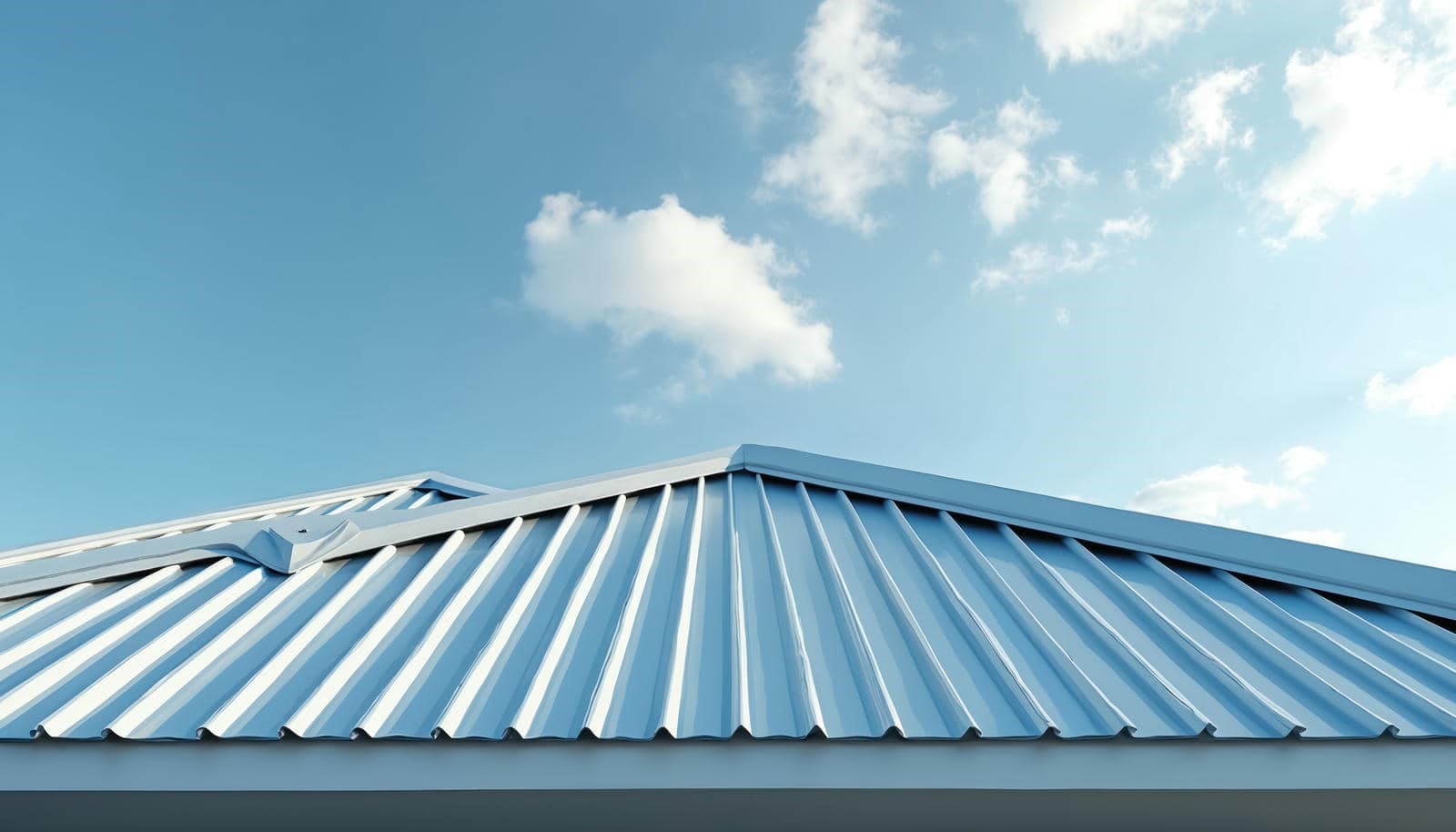
Your roof is the armor protecting your home from nature’s relentless elements. When it’s time for a replacement, choosing the right materials can greatly impact durability and performance. Options like metal roofs, heavy-duty asphalt shingles, and clay tiles each offer unique benefits. Understanding these choices will enhance your home’s longevity and influence energy efficiency and maintenance costs. So, what factors should you consider to ensure your investment stands the test of time?
Key Takeaways
- Metal roofing offers a lifespan of 40 to 70 years, making it a highly durable option for replacements.
- Heavy-duty asphalt shingles provide exceptional storm and moisture resistance, ensuring long-lasting protection.
- Slate and clay tiles are naturally resistant to moisture, fire, and UV rays, enhancing their durability.
- Energy-efficient roofing materials reflect solar rays, reducing energy costs while promoting sustainability.
- Regular maintenance and proper installation can extend the lifespan of any durable roofing material significantly.
Benefits of Metal Roofing
While you might be considering various roofing materials, metal roofing stands out due to its impressive durability and longevity. One of the key metal roofing advantages is its ability to withstand extreme weather conditions, including heavy winds, hail, and snow.
Unlike traditional shingles, metal roofs don’t warp or crack, which means you’re investing in a roof and in peace of mind.
Metal roof longevity is another significant benefit. With a lifespan of 40 to 70 years, metal roofs often outlast their competitors, reducing the need for frequent replacements.
This durability translates into lower maintenance costs over time, making it a cost-effective choice for homeowners.
Additionally, metal roofs are resistant to pests, mold, and rot, further enhancing their reliability.
Energy-Efficient Metal Roofs
Alongside their impressive durability, energy-efficient metal roofs provide significant benefits for homeowners looking to lower their energy bills. By reflecting sunlight and effectively insulating your home, these roofs can lead to substantial energy savings.
Here’s what makes them stand out:
Reflective Coatings: Special finishes reflect solar rays, reducing heat absorption.
Insulation Properties: Metal roofs with effective insulation can help maintain indoor temperatures.
Longevity: Their lifespan often exceeds traditional roofing, reducing replacement costs over time.
Aesthetic Appeal: Available in various styles and colors, they enhance your home’s look while being functional.
Choosing an energy-efficient metal roof protects your investment and contributes to a more sustainable future.
You’ll enjoy lower energy costs and a beautiful exterior that fits into your neighborhood. It’s a win-win for your wallet and the environment!
Heavy-Duty Asphalt Shingles
When you choose heavy-duty asphalt shingles, you’re opting for enhanced weather resistance that withstands harsh conditions.
These shingles protect your home from the elements and offer long-term cost efficiency through durability and reduced maintenance needs.
With their ability to last longer than standard options, they present a smart investment for any homeowner.
Enhanced Weather Resistance
Heavy-duty asphalt shingles offer enhanced weather resistance, making them a top choice for homeowners seeking durability in their roofing materials. They provide exceptional storm resistance and moisture protection, ensuring your home remains safe and dry.
Here’s what sets them apart:
Impact Resistance: These shingles can withstand hail and debris, minimizing damage during storms.
Wind Resistance: Engineered to endure high winds, they keep your roof intact even during severe weather.
Moisture Barrier: Their advanced design prevents water infiltration, protecting your home from leaks and rot.
UV Protection: These shingles resist fading and deterioration from sun exposure, enhancing their longevity.
With heavy-duty asphalt shingles, you’re not just investing in a roof; you’re securing peace of mind for your home.
Long-Term Cost Efficiency
While many homeowners focus on the initial costs of roofing materials, investing in heavy-duty asphalt shingles proves to be a wise choice for long-term cost efficiency.
These shingles offer exceptional durability, often lasting upwards of 30 years, which translates to significant long-term savings. You’ll minimize expenses associated with repairs and replacements, ensuring your investment yields high returns.
Additionally, heavy-duty asphalt shingles are designed to withstand harsh weather conditions, reducing the likelihood of damage and the need for frequent maintenance. This reliability means fewer unexpected costs over time.
Weather-Resistant Roofing Materials
As storms and extreme weather events become more frequent, selecting weather-resistant roofing materials is essential for protecting your home.
When considering your options, keep in mind the following four materials known for their weather resistance and material durability:
Metal Roofing: Highly resilient against wind, hail, and rain, offering longevity and low maintenance.
Slate Tiles: Naturally resistant to moisture and fire, slate can withstand extreme temperatures and harsh conditions.
Clay Tiles: Durable and energy-efficient, these tiles are resistant to UV rays and can endure heavy rainfall.
Synthetic Shingles: Engineered to mimic traditional materials, these offer superior weather resistance and can last longer than asphalt.
Commercial Roof Maintenance Strategies
To ensure your commercial roof remains durable, regular inspections are essential for identifying potential issues early.
Implementing preventive maintenance practices can greatly extend the lifespan of your roofing system and reduce unexpected repair costs.
Additionally, having effective roof repair strategies in place will help you address any damage promptly, maintaining the integrity of your investment.
Regular Inspections Importance
Regular inspections play an essential role in maintaining the integrity and longevity of commercial roofs, as they help identify potential issues before they escalate into costly repairs.
To ensure maximum roof lifespan, consider the following inspection frequency guidelines:
Quarterly Inspections: Check for visible signs of wear, debris accumulation, and moisture.
Post-Storm Assessments: Evaluate damage after severe weather events to address issues immediately.
Annual Thorough Inspections: Conduct a thorough review of all roof components, including flashing and drainage systems.
Bi-annual Preventive Maintenance Checks: Schedule these to address minor repairs before they become significant problems.
Preventive Maintenance Practices
Implementing effective preventive maintenance practices is essential for extending the lifespan of your commercial roof and avoiding costly repairs.
Start by establishing regular maintenance schedules that align with your roofing system’s specific needs. These schedules should include routine preventive inspections to identify potential issues before they escalate. During inspections, check for signs of wear, debris accumulation, and moisture infiltration.
Be proactive in addressing minor repairs to prevent more extensive damage. Additionally, keep a detailed log of maintenance activities and inspections; this documentation can be invaluable for warranty claims and resale value.
Roof Repair Strategies
While neglecting roof repairs can lead to significant damage and costly replacements, having a robust strategy in place for addressing issues as they arise is essential for commercial roof maintenance.
Here’s how you can effectively manage roof damage:
Regular Inspections: Schedule routine assessments to identify potential issues early.
Prompt Repairs: Address minor repairs immediately using appropriate repair techniques to prevent escalation.
Weatherproofing: Apply protective coatings and sealants to enhance durability against environmental elements.
Documentation: Keep a detailed record of repairs and inspections to monitor trends and plan future maintenance.
Choosing the Right Roofing Material
When it comes to choosing the right roofing material, how do you determine which option best suits your needs? Start by considering various roofing styles available, such as asphalt shingles, metal, tile, and slate. Each style offers unique aesthetics and benefits, but material durability is an essential factor.
For instance, asphalt shingles can be cost-effective but may not last as long as metal or tile options.
Think about your local climate, as certain materials perform better in specific weather conditions. If you live in an area prone to heavy snow, a durable material like metal might be ideal due to its snow-shedding capabilities.
Don’t forget to factor in maintenance requirements, as some materials may need more upkeep than others.
Ultimately, a well-informed choice enhances your home’s appearance and ensures long-lasting protection.
Installation Considerations for Durability
Selecting the right roofing material is only part of the equation; proper installation is equally important in ensuring durability.
To maximize your roof’s lifespan, consider these installation techniques and their impact on material compatibility:
Surface Preparation: Confirm the underlying structure is clean and free from debris to promote adhesion and prevent moisture issues.
Alignment and Nailing: Follow manufacturer guidelines for alignment and nailing patterns to enhance structural integrity and resistance to wind uplift.
Flashing Installation: Properly install flashing at joints and valleys to divert water and prevent leaks, safeguarding your investment.
Ventilation: Incorporate adequate ventilation systems to regulate temperature and moisture levels, extending your roof’s lifespan.
Long-Term Cost Benefits of Durable Roofing
Investing in durable roofing materials enhances your home’s protection and delivers considerable long-term cost benefits.
While initial installation costs may seem higher, durable roofs often come with lifetime warranties, providing peace of mind and reducing future expenses. These warranties cover potential repairs or replacements, allowing you to budget effectively without worrying about unexpected costs.
Moreover, durable roofing materials, such as metal or quality asphalt shingles, tend to require less maintenance over time. This means fewer repairs and lower maintenance costs, which can add up considerably.
Additionally, energy-efficient options can lower your utility bills by improving insulation and reducing heat loss.
Environmental Impact of Roofing Options
Durable roofing options offer financial advantages and play a significant role in environmental sustainability. When you choose the right materials, you can minimize your ecological footprint while enhancing your home’s longevity.
Here are some key environmental impacts to reflect upon:
Sustainable Materials: Opting for materials like metal, slate, or recycled shingles helps reduce resource depletion.
Energy Efficiency: Many durable roofs reflect sunlight, lowering energy costs and reducing greenhouse gas emissions.
Recycling Options: Materials like asphalt shingles can be recycled, diverting waste from landfills and promoting a circular economy.
Longevity: Choosing durable options means fewer replacements over time, leading to lower overall material consumption.
Frequently Asked Questions
How Long Do Durable Roofing Materials Typically Last?
Durable roofing materials typically last 20 to 50 years, depending on the type. When you compare materials, consider longevity expectations; metal roofs often outlast asphalt shingles, providing better long-term value and performance for your investment.
What Are the Best Roofing Options for Extreme Weather?
For extreme weather, consider metal roofs; they’re like armor against nature’s fury. Their impact resistance ensures they withstand hail and high winds, giving you peace of mind while enhancing your home’s resilience and style.
Can I Install Durable Roofing Over Existing Shingles?
Yes, you can install durable roofing over existing shingles, as long as you follow local installation guidelines. Confirm shingle layers don’t exceed the recommended limit, and check for structural integrity before proceeding with your project.
How Do I Maintain My Durable Roof?
To ensure your roof’s longevity, practice regular roof maintenance. Inspect for debris, clean gutters, and check for leaks. Following these maintenance tips keeps your roof in prime condition, enhancing your home’s charm and protection.
What Warranties Are Available for Durable Roofing Materials?
You’ll find various warranty types for roofing materials, including manufacturer warranties and workmanship guarantees. Material often covers defects, while labor warranties ensure installation quality. Understanding these helps you make informed choices for long-lasting protection.
Wrap-Up
Choosing durable roofing materials like metal or heavy-duty asphalt shingles enhances your home’s longevity and boosts energy efficiency. By investing in these robust options, you’re not just ensuring protection against extreme weather; you’re also lowering long-term maintenance expenses and minimizing your environmental impact. It’s a smart move for any homeowner.