
If you own a building with a flat roof, you need to know how the system actually works, not just how it looks. You’re dealing with structural decking, insulation, and a membrane that must move water off the surface fast enough to avoid ponding and leaks. The material you choose, and the quality of the install, can make a major difference—but the details behind that choice matter even more.
Key Takeaways
- Flat roofs are low-slope systems built with decking, insulation, membranes, flashing, and sealed penetrations to shed water effectively.
- Proper drainage is essential; ponding water after 48 hours often signals slope, blockage, or design problems needing inspection.
- Common flat roof materials include EPDM, TPO, PVC, and modified bitumen, each offering different durability and seam performance.
- Regular maintenance should include cleaning drains and scuppers, checking seams and flashings, and repairing punctures or splits quickly.
- Installation quality matters greatly, because correct fastening, seam welding, and flashing details help prevent leaks and wind damage.
What Is a Flat Roof System?
A flat roof system is a low-slope roofing assembly designed to shed water efficiently while providing a durable, usable surface for a building.
You choose flat roof systems when you need a practical covering that supports equipment, traffic, or future upgrades. Each system combines structural decking, insulation, waterproof membranes, flashing, and sealed penetrations to create one integrated barrier.
You’ll find these assemblies on commercial buildings, multifamily properties, and some modern homes because they use space efficiently and simplify access for maintenance.
When you understand the components, you can make smarter decisions about design, budgeting, and service planning. If you’re part of a property team, this knowledge helps you speak the same technical language and protect your roof with confidence.
How Flat Roofs Drain Water
You need a slight slope on a flat roof so water can move toward drains, scuppers, or gutters instead of pooling.
When you set the drainage slope correctly, you reduce the risk of membrane stress, leaks, and premature deterioration.
You also need to manage standing water quickly, since persistent ponding can signal poor design, blocked outlets, or structural deflection.
Drainage Slope Basics
Even though flat roofs appear level, they rely on a slight drainage slope to move water toward drains, scuppers, or gutters.
You’ll usually see that slope built into the insulation, tapered fill, or roof deck, and it guides runoff in a controlled path. The pitch stays subtle, but it’s enough to keep water moving after rain or snowmelt.
When you understand this design, you can inspect your roof with confidence and spot where flow should travel. A properly sloped system helps protect seams, fasteners, and membranes from unnecessary moisture exposure.
If you’re part of a property team, you’ll want to verify that the slope matches the roof layout and supports the drainage plan your contractor specified.
Managing Standing Water
When that slight slope is working properly, rainwater moves toward drains, scuppers, or gutters instead of lingering on the membrane.
You still need to watch for ponding after storms, because standing water can stress seams, speed up membrane wear, and hide small defects.
Check low areas, clogged strainers, and blocked outlets after heavy rain, then clear debris before it traps more moisture.
If water remains after 48 hours, call for an inspection and confirm the slope, insulation, and drain layout are performing as designed.
A good flat roof system lets your building community stay dry, efficient, and protected.
With routine maintenance and prompt repairs, you’ll keep drainage predictable and reduce the chance of leaks, premature aging, and costly structural damage over time.
Main Flat Roof Materials
You’ll typically choose from popular roofing membranes such as EPDM, TPO, PVC, or modified bitumen, and each one offers different strengths for flat roof use.
You should compare material performance factors like UV resistance, seam strength, puncture resistance, and thermal movement before you select a system.
The right membrane depends on your building’s exposure, drainage conditions, and maintenance requirements.
Popular Roofing Membranes
Popular roofing membranes form the waterproof layer that makes a flat roof system perform, and each option balances cost, durability, and maintenance differently. You’ll usually choose between EPDM, TPO, PVC, modified bitumen, and built-up systems.
EPDM gives you a flexible rubber sheet that installs cleanly and suits simple roof layouts. TPO gives you heat-welded seams and a lighter-weight surface many owners prefer. PVC adds strong chemical resistance and welded joints for demanding service areas.
Modified bitumen gives you layered reinforcement with familiar detailing, while built-up roofing uses multiple plies and a protective cap. Your best fit depends on roof access, traffic, and contractor experience.
When you understand these membranes, you can join other informed owners making practical, confident decisions.
Material Performance Factors
Beyond membrane type, flat roof performance depends on how the material handles heat, UV exposure, ponding water, foot traffic, and seam integrity over time.
You’ll want a system that stays flexible in temperature swings, resists cracking, and sheds water without softening. TPO and PVC usually reflect heat well and weld tightly, while EPDM offers strong flexibility but needs careful seam work.
Modified bitumen gives you layered redundancy and decent puncture resistance, yet it can age faster under intense sun. Built-up roofing delivers proven durability, but it adds weight and needs solid maintenance.
If your roof gets regular service access, choose thicker membranes, protection pads, and reinforced flashing. When you compare options this way, you’re not just buying material—you’re joining a longer-term performance strategy.
TPO vs EPDM vs Modified Bitumen
When you compare TPO, EPDM, and modified bitumen, the right choice depends on roof use, climate, and installation requirements.
TPO gives you a reflective surface, heat-welded seams, and strong resistance to UV exposure, so it performs well on sunny roofs.
EPDM offers excellent flexibility, handles temperature swings, and stays dependable on large expanses with fewer seams.
Modified bitumen gives you a layered, reinforced membrane that adds toughness and puncture resistance, especially around details and traffic areas.
You’ll notice each system uses different attachment methods and maintenance needs, but all can support a sound flat roof when installed correctly.
If you want a roofing crew that speaks your language and understands your building, these three options give you proven, professional choices.
How to Choose a Flat Roof Material
Choosing the right flat roof material starts with how your roof gets used and what conditions it faces every day. You should match the membrane to your building’s demands: light foot traffic, rooftop equipment, ponding risk, and local temperature swings.
TPO offers reflective performance and clean seams, EPDM gives flexible durability, and modified bitumen provides layered strength and easier repair access.
If you manage a busy property, choose a system that supports your maintenance routine and fits your crew’s access needs. Check compatibility with existing insulation and flashing details, since changes often control performance.
Work with a roofing professional who can verify code requirements, drainage layout, and attachment method. That way, you’re making a sound, shared decision for your property team.
Factors That Extend Flat Roof Life
Flat roof life extends when you control the conditions that cause premature wear. You can do that by scheduling inspections after storms, clearing drains and scuppers, and keeping surface debris off the membrane.
You also need consistent maintenance on flashing, joints, and sealants, because these connection points handle movement and weather exposure. Limit rooftop traffic, and use walk pads where crews must service equipment.
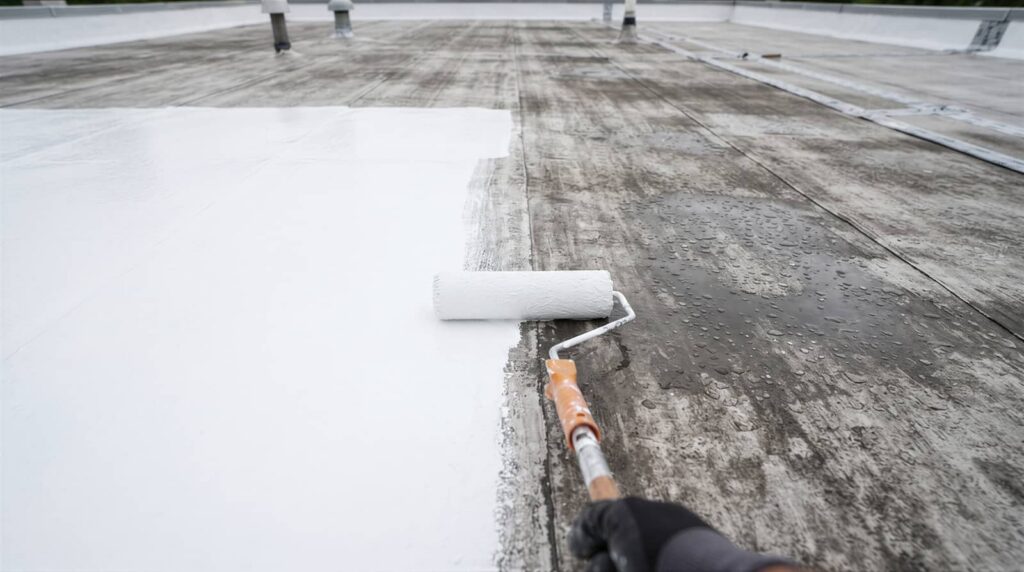
Make sure HVAC units, vents, and other penetrations stay properly supported and sealed. Choose coatings or membranes that match your climate and drainage design.
When you work with a qualified roofing team, you join owners who protect their buildings through routine care, not reactive repairs. That approach helps your roof perform longer and gives you more control over replacement timing.
Common Flat Roof Problems
You’ll often see flat roof problems start with ponding water, which adds load, speeds membrane wear, and raises leak risk.
You also need to watch for membrane damage from UV exposure, punctures, and seam failures that can let water enter the assembly.
Clogged drains and scuppers can trap runoff, so you should inspect and clear the drainage system regularly.
Ponding Water Issues
When water lingers on a flat roof after rainfall, it usually points to poor drainage, inadequate slope, or structural movement that has created low spots.
You should treat standing water as a maintenance signal, not a minor inconvenience. Measure how long puddles remain; if they’re still there after 48 hours, your roof needs attention.
Check drains, scuppers, and gutters for blockage, and confirm that insulation or decking hasn’t shifted to form depressions.
You’ll protect your property by clearing debris regularly, keeping outlets open, and scheduling inspections after heavy storms.
When you stay ahead of ponding, you help your roof perform as a system and support the reliability your building team depends on.
Consistent monitoring keeps you aligned with other informed owners.
Membrane Damage Risks
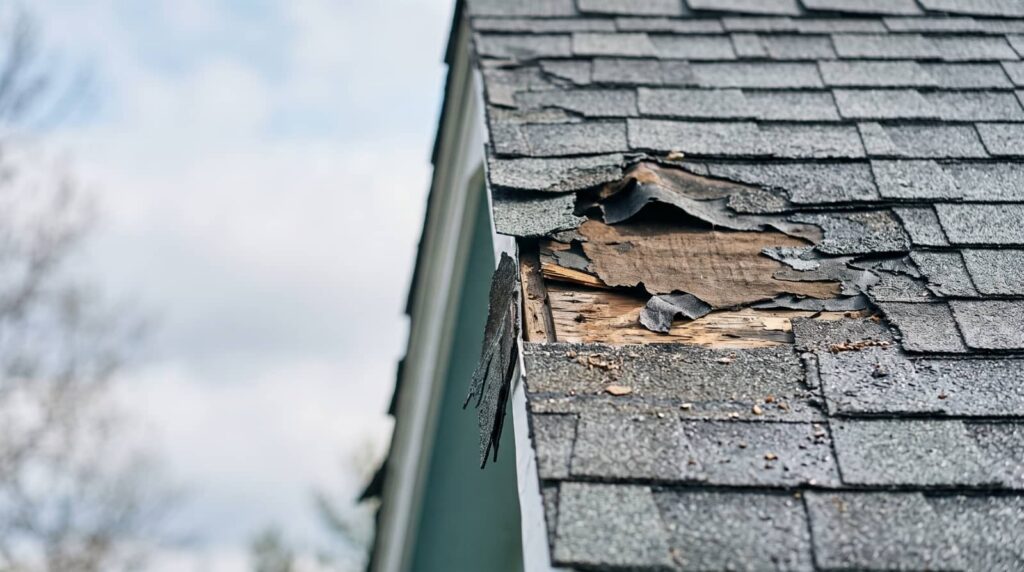
Even a small puncture, split, or tear in the membrane can let water bypass the roof assembly and damage insulation, decking, and interior finishes.
You should inspect seams, flashings, and penetrations regularly because these areas take the most stress. UV exposure, thermal movement, foot traffic, and wind uplift can weaken the membrane over time.
If you catch damage early, you can patch it before moisture spreads into the roof system.
Keep your crew or service provider using compatible repair materials so the bond holds under field conditions.
When you stay ahead of minor defects, you protect your building, extend service life, and keep your property in the reliable, well-maintained condition that you expect.
Drainage System Blockages
Clogged drains, scuppers, and gutters can trap water on a flat roof and quickly turn a minor obstruction into a major leak risk. You should inspect these outlets after storms, because leaves, gravel, and roofing debris can slow flow and create ponding.
Standing water adds weight, stresses seams, and accelerates membrane wear. Check internal drains for loose strainers, broken baskets, and ice buildup, and clear them before water backs up into the roof assembly.
You can reduce repeat blockages with regular cleaning, perimeter screening, and scheduled maintenance from a qualified roofing crew. When you stay ahead of drainage problems, you protect insulation, limit interior damage, and keep your flat roof performing as intended.
That simple routine helps your property stay dry, efficient, and part of a well-cared-for building community.
Why Installation Quality Matters
Although flat roof systems use durable materials, their performance depends heavily on installation quality. You need precise fastening, correct seam welding, and proper membrane alignment to create a watertight assembly that lasts.
If your installer misses surface preparation, laps, or flashing details, water can enter at weak points and undermine the roof structure. Good workmanship also helps the system handle thermal movement, wind uplift, and load transfer without premature stress.
You benefit most when every layer matches the manufacturer’s specifications and the crew verifies slopes, terminations, and penetrations before finishing. That level of care gives you a roof that performs as designed and helps you feel confident in your property’s protection.
When you choose skilled professionals, you’re joining a group of owners who value reliable building performance and fewer costly surprises.
What Flat Roof Maintenance Includes
Flat roof maintenance includes routine inspections, debris removal, drain checks, seam and flashing review, and prompt repair of small defects before they spread.
You should inspect the membrane for blisters, punctures, splits, and ponding after storms and season changes. Clear leaves, gravel, and loose fasteners so water can move to drains without delay.
Check scuppers, gutters, and internal drains for blockages, then confirm that sealants remain flexible and intact around edges, penetrations, and terminations.
If you spot lifting seams or worn coating, address them quickly to keep the system watertight.
Keep a simple log of dates, findings, and repairs so you and your property team stay aligned on roof condition and care.
When to Call a Flat Roof Pro
When routine checks uncover recurring ponding, active leaks, blistering, open seams, or damaged flashing, you should bring in a flat roof pro before the problem spreads.
You’ll get a trained eye on membrane condition, drainage performance, insulation saturation, and parapet details that you can’t reliably assess from the ground.
Call a pro after storm damage, when water stains keep returning, or when repairs fail within weeks.
If you manage a commercial building or multifamily property, quick escalation protects tenants, inventory, and your maintenance budget.
A qualified contractor can trace hidden moisture, test seams, and recommend repair, restoration, or replacement.
That support helps you stay in control and keep your property’s roofing system performing as a team effort, not a guessing game.
Frequently Asked Questions
How Long Does a Flat Roof Installation Usually Take?
You’ll usually see a flat roof installation take one to five days, depending on roof size, material, weather, and tear-off needs. You can stay informed by asking your contractor for a clear schedule and updates.
Can Flat Roofs Support HVAC Units or Rooftop Equipment?
Yes—if you engineer it right, you can place a 2-ton HVAC unit on a reinforced flat roof. You’ll need load calculations, curb mounts, and proper flashing, so you protect your system and your crew.
Are Flat Roofs Suitable for Homes in Snowy Climates?
Yes, you can use flat roofs in snowy climates if you design them right. You’ll need strong insulation, proper drainage, and snow-load engineering. With professional installation, you’ll reduce leaks, stress, and costly winter damage.
What Permits Are Needed for Flat Roof Replacement?
You’ll usually need a building permit, and sometimes zoning, reroofing, or structural permits—an administrative mountain, really. Check local codes, submit plans, and if you’re altering drainage or insulation, you’ll likely need extra approvals too.
How Much Does Professional Flat Roof Installation Cost?
Professional flat roof installation typically costs you $7 to $15 per square foot, depending on materials, labor, insulation, and access. You’ll pay more for complex details, but quality installation reduces leaks and future repair costs.
Summary
Choosing the right flat roof system means you protect your property, control water, and reduce long-term repair costs. You need to match the membrane, insulation, and drainage to your building’s demands, then keep up with inspections and maintenance. If you spot ponding, cracks, or seam failure, don’t wait—small issues can snowball fast. When you work with a qualified pro, you stay ahead of trouble and get the most from your roof.