When it comes to roofing, think of it as the crown atop your home, protecting everything beneath it. Choosing durable materials is essential for long-term performance and aesthetic appeal. You’ll find a variety of options, each with its own set of benefits and drawbacks. Knowing what suits your climate and budget will guide your decision. What’s the best choice for your specific needs? Let’s explore the top durable roofing materials available.
Key Takeaways
- Consider metal roofing for exceptional durability, lasting over 50 years, and resistance to extreme weather conditions.
- Explore slate roofing for a sophisticated look and a lifespan exceeding 100 years, offering fire resistance and eco-friendliness.
- Look into clay and concrete tiles for longevity, with clay lasting over 50 years, and good energy efficiency.
- Evaluate EPDM rubber roofing for cost-effectiveness and minimal upkeep, providing up to 50 years of weather resistance.
- Choose synthetic roofing for lightweight installation, eco-friendliness, and a variety of styles, ensuring long-term durability against harsh conditions.
Asphalt Shingles
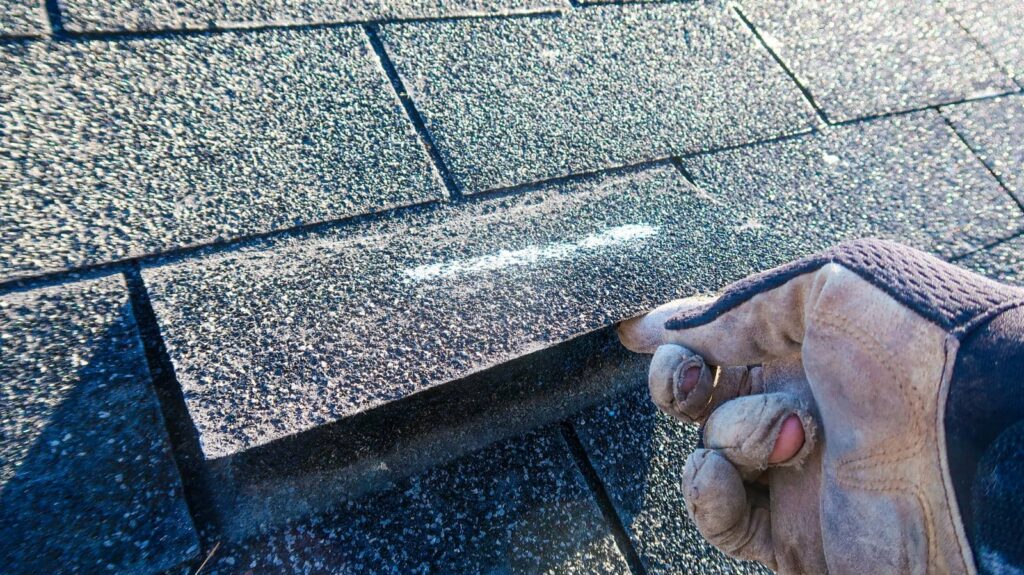
Asphalt shingles are one of the most popular roofing materials due to their affordability and versatility. When you choose asphalt shingles, you’re opting for a cost-effective solution that provides excellent durability. The average asphalt lifespan ranges from 15 to 30 years, depending on the quality of the shingles and the local climate. This longevity makes them a reliable choice for homeowners looking to balance performance with budget.
Installation costs for asphalt shingles are typically lower than for other roofing materials, making them accessible for many. Skilled contractors can complete the installation quickly, reducing labor expenses.
Additionally, the ease of installation allows for repairs or replacements without significant disruption to your daily life. By selecting asphalt shingles, you’re not just investing in your home’s protection; you’re also joining a community of homeowners who value practical solutions and shared knowledge about effective roofing options.
Metal Roofing
Metal roofing is gaining popularity among homeowners for its exceptional durability and long lifespan, often exceeding 50 years. One of the significant metal roofing benefits is its resistance to harsh weather conditions, such as heavy rain, snow, and high winds.
This durability translates to lower maintenance costs and fewer repairs over time, making it an attractive investment for your home.
Additionally, metal roofing styles offer versatility in design, allowing you to choose from sleek, contemporary panels to traditional shingles resembling asphalt or wood.
This adaptability means you can find a style that complements your home’s architecture while enhancing its curb appeal.
Furthermore, metal roofs are energy-efficient, reflecting heat and reducing cooling costs.
By selecting metal roofing, you’re investing in a long-lasting solution and contributing to sustainability through recyclable materials.
Embrace the benefits of metal roofing and elevate your home’s resilience and aesthetics.
Clay and Concrete Tiles
While considering durable roofing options, clay and concrete tiles stand out for their impressive longevity and aesthetic appeal. Both materials offer unique durability features that make them suitable for various climates. Clay tiles are known for their resistance to fading and harsh weather, while concrete tiles provide excellent insulation and fire resistance.
Here’s a comparison table to illustrate their key attributes:
| Feature | Clay Tiles | Concrete Tiles |
|---|---|---|
| Longevity | 50+ years | 30-50 years |
| Weight | Lighter | Heavier |
| Color Retention | Excellent | Good |
| Installation Cost | Higher | Moderate |
| Energy Efficiency | High | Moderate |
Choosing clay or concrete tiles enhances your home’s aesthetic appeal and ensures a resilient roof that can withstand the test of time.
Slate Roofing
Slate roofing offers exceptional durability and aesthetic appeal, making it a top choice for homeowners seeking longevity.
In this section, you’ll learn about the benefits of slate, the installation process, and essential maintenance tips to ensure your roof remains in peak condition.
Understanding these aspects will help you make an informed decision about incorporating slate into your roofing plans.
Benefits of Slate Roofing
When considering roofing options, the benefits of slate roofing stand out due to its exceptional durability and aesthetic appeal.
Slate tiles can last over a century, making them a top choice in durability compared to other materials. This longevity means fewer replacements and lower long-term costs.
Additionally, slate offers a sophisticated look that enhances your home’s curb appeal, increasing its value. The natural stone comes in various colors and textures, allowing you to customize your roof to match your style.
Furthermore, slate is fire-resistant and eco-friendly, further solidifying its status as a superior roofing material.
Installation Process Overview
Before commencing slate roofing installation, it’s essential to understand the meticulous process involved to ensure you achieve the best results.
Begin by selecting high-quality roofing materials, as the durability of your roof depends on them. Next, familiarize yourself with proper installation techniques, such as the correct positioning and securing of each slate tile to prevent water infiltration.
You’ll want to create a solid underlayment for added protection. As you work, make sure that your slats are evenly spaced and aligned, allowing for maximum drainage.
It’s also important to consider the weight of the slats, as this might impact your roof structure. By following these guidelines, you’ll enhance both the longevity and aesthetics of your slate roofing project.
Maintenance Tips for Slate
Maintaining your slate roofing requires regular attention to keep it in ideal condition.
By following these essential tips, you can enhance the longevity and appearance of your slate roof:
- Inspect for loose or damaged tiles regularly.
- Perform slate cleaning to remove moss, algae, and debris.
- Schedule professional inspections at least once a year.
- Apply slate sealing to protect against moisture infiltration.
- Clear gutters and downspouts to prevent water backup.
Wood Shakes and Shingles
Although wood shakes and shingles have been traditional roofing materials for centuries, they continue to appeal to homeowners seeking a natural aesthetic and excellent insulation. When properly installed, wood shakes demonstrate impressive durability, particularly when crafted from cedar, known for its resistance to rot and insects. To ensure peak wood shake durability, consider regular inspections and timely repairs.
Cedar shake maintenance is straightforward but essential. You’ll want to clean your roof periodically to remove moss and debris, which can trap moisture and lead to deterioration. Additionally, applying a protective sealant every few years can enhance longevity and maintain the wood’s rich color.
As you explore roofing options, keep in mind that wood shakes and shingles elevate your home’s curb appeal and offer energy efficiency and a warm, inviting atmosphere. Your choice reflects a commitment to quality and sustainable materials.
Synthetic Roofing Materials
When considering synthetic roofing materials, you’ll find a variety of options, including rubber, plastic, and composite shingles.
These materials offer significant benefits, such as enhanced durability, lower maintenance requirements, and improved energy efficiency.
Understanding the types and advantages of synthetic roofing can help you make an informed choice for your project.
Types of Synthetic Materials
As you explore roofing options, synthetic materials offer a range of benefits that make them increasingly popular among homeowners and builders alike.
These materials come in various types, each having its own unique attributes. Here are some common types of synthetic roofing materials:
- Synthetic Slate: Mimics traditional slate without the weight.
- Rubber Roofing: Durable and excellent for flat roofs.
- Vinyl Roofing: Lightweight and resistant to UV rays.
- Synthetic Shingles: Variety of styles that resemble wood or asphalt.
- TPO (Thermoplastic Olefin): Eco-friendly options known for energy efficiency.
These synthetic advantages include longevity, low maintenance, and eco-friendly options, making them a smart choice for your roofing needs.
Embrace innovation while ensuring your home is protected.
Benefits of Synthetic Roofing
Synthetic roofing materials offer numerous advantages that make them an attractive option for both new constructions and roof replacements. One of the primary benefits is their synthetic durability, providing resilience against harsh weather conditions, UV rays, and pests. This longevity means you’ll likely spend less on repairs and replacements over time.
Additionally, many synthetic options are eco-friendly, made from recycled materials and designed to be energy-efficient, contributing to a reduced environmental impact. Their lightweight nature also simplifies installation, saving you both time and labor costs.
Moreover, synthetic roofing comes in various styles and colors, allowing you to achieve the aesthetic you desire while enjoying modern performance benefits. Embracing synthetic roofing means investing in a reliable, sustainable solution for your home.
EPDM Rubber Roofing
EPDM rubber roofing, known for its durability and flexibility, offers an excellent solution for flat and low-slope roofs.
If you’re considering this material, you’ll appreciate the EPDM advantages, making it a popular choice among homeowners and builders alike.
Key benefits of EPDM roofing include:
- Longevity: Lasts up to 50 years with proper maintenance.
- Weather Resistance: Withstands extreme temperatures and UV exposure.
- Easy Installation: Streamlined EPDM installation process saves time and labor costs.
- Cost-Effectiveness: Competitive pricing compared to other roofing materials.
- Low Maintenance: Requires minimal upkeep over its lifespan.
TPO Roofing
TPO roofing offers several benefits, including energy efficiency and cost-effectiveness, making it a popular choice for flat roofs.
Understanding the installation process is essential for achieving ideal performance and longevity.
Additionally, regular maintenance techniques can help you maximize the lifespan of your TPO roofing system.
Benefits of TPO Roofing
When considering roofing options, you’ll find that TPO roofing offers several compelling benefits that make it a popular choice for commercial buildings.
The TPO advantages are evident in various applications, providing durability and efficiency. Here are some key benefits you’ll appreciate:
Energy Efficiency: Reflective surfaces help reduce cooling costs.
Cost-Effective: Competitive pricing and long lifespan ensure value.
Easy Installation: Lightweight material simplifies the installation process.
Resistance: Withstands UV rays, chemicals, and punctures.
Environmentally Friendly: Made from recyclable materials, promoting sustainability.
These factors contribute to TPO’s growing popularity in commercial sectors, ensuring your roofing solution meets both your budget and environmental goals.
Embracing TPO roofing means investing in a long-lasting, efficient solution for your building.
Installation Process Overview
To ensure a successful TPO roofing installation, careful planning and attention to detail are essential.
Begin by gathering your installation tools, including a utility knife, seam roller, and heat welder. Make certain to also have safety gear like goggles and gloves to protect yourself during the process.
Start by preparing the roof surface, making sure it’s clean and dry.
Next, lay down the TPO membrane, overlapping seams appropriately. Use your heat welder to secure the seams, making certain of a watertight bond.
As you work, pay attention to any punctures or tears, addressing them immediately.
Remember to maintain safety precautions throughout the project, including securing ladders and working in pairs when possible.
This diligence ensures a durable and lasting TPO roof.
Maintenance Tips and Techniques
After completing the installation of your TPO roofing, maintaining it properly is essential for ensuring its longevity and performance.
Regular maintenance can prevent costly repairs down the line. Here are some key tips to keep in mind:
- Schedule routine roof inspections at least twice a year.
- Clean gutters regularly to prevent water buildup.
- Remove debris like leaves and branches to avoid punctures.
- Check for any signs of wear, such as blisters or tears.
- Verify all seams and flashings are properly sealed.
Built-Up Roofing (BUR)
Built-Up Roofing (BUR) systems are a reliable choice for flat and low-slope roofs, as they provide excellent durability and weather resistance. One of the primary built-up advantages is their multilayered design, which consists of alternating layers of bitumen and reinforcing fabrics. This construction enhances strength while also offering superior waterproofing.
In terms of built-up applications, BUR is ideal for commercial buildings, warehouses, and industrial facilities, where long-lasting performance is essential. The layered approach allows for easy repairs, so you can address issues without replacing the entire roof.
Moreover, BUR systems have excellent UV resistance, making them suitable for various climates. They can also be topped with gravel or a reflective coating, further extending their lifespan and improving energy efficiency.
Green Roofing Solutions
As urban areas continue to expand, green roofing solutions have emerged as a sustainable option for enhancing the environmental performance of buildings.
These roofs incorporate vegetation and sustainable materials that enhance aesthetics while also offering significant environmental benefits.
Here’s what you gain with green roofing solutions:
Stormwater Management: They absorb rainwater, reducing runoff.
Energy Efficiency: Vegetation provides insulation, lowering heating and cooling costs.
Air Quality Improvement: Plants filter pollutants and carbon dioxide.
Biodiversity Support: Green roofs create habitats for various species.
Extended Roof Lifespan: They protect the underlying roof materials from UV damage.
Frequently Asked Questions
How Do I Choose the Right Roofing Material for My Climate?
To choose the right roofing material for your climate, consider climate considerations and roofing insulation. Evaluate local weather patterns, energy efficiency, and material durability to ensure your roof withstands local conditions while providing optimal insulation for your home.
What Factors Affect the Lifespan of Roofing Materials?
You’d think all roofing lasts forever, but lifespan factors like weather exposure, installation quality, and material durability play vital roles. Consider these elements to ensure your roof withstands time and nature’s whims.
Can I Install New Roofing Over Existing Shingles?
Yes, you can install new roofing over existing shingles, but ensure that the shingle durability and structural integrity are adequate. This method can save time, but proper roofing installation techniques are essential for long-lasting results.
How Do I Maintain Different Types of Roofing Materials?
To maintain different roofing materials, schedule regular roofing inspections, clean debris, and check for damage. Follow specific maintenance schedules for each type, ensuring longevity and performance while keeping your roof in prime condition.
What Are the Most Cost-Effective Roofing Options Available?
You’ll find asphalt shingles top the list for budget-friendly options, costing about $90 per square. Metal roofing’s also affordable, providing durability and energy efficiency. Investing wisely ensures you get quality materials without breaking the bank.
Conclusion
In choosing the right roofing material, you’re investing in your home’s future. Whether you opt for the enduring nature of slate or the modern efficiency of TPO, each option has its merits. Remember, just like a knight wouldn’t venture into battle without armor, you shouldn’t compromise on durability. Evaluate your climate and budget carefully to ensure your roof stands strong for years to come. With the right choice, you’ll protect your home and enhance its value.