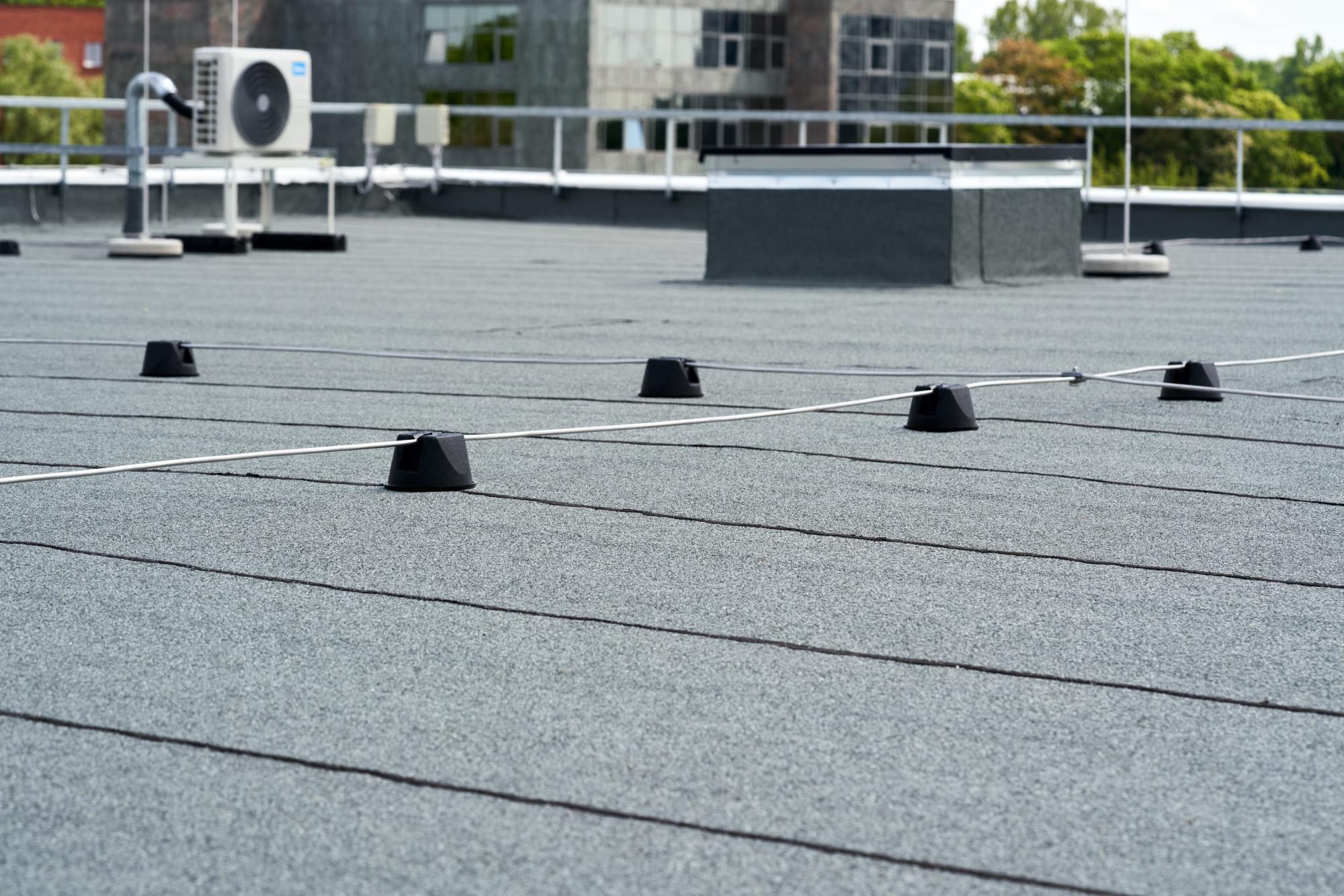
When considering a flat roof replacement, think of it like choosing the right set of tires for your vehicle; the wrong choice can lead to costly repairs down the road. Smart options like TPO, PVC, and EPDM offer durability and energy efficiency, making them worthwhile investments. However, with various materials available, how do you determine which one aligns best with your needs and budget? Let’s explore the choices that can enhance your roof’s performance.
Key Takeaways
- Consider TPO roofing for its energy efficiency, durability, and straightforward installation process, making it a smart choice for cost savings.
- EPDM rubber roofing offers excellent longevity and affordability, making it a budget-friendly option for flat roof replacements.
- Explore PVC flat roofing for its durability, extended warranties, and low maintenance requirements, ensuring long-term performance.
- Eco-friendly options like recycled materials or green roofing systems enhance insulation and reduce energy costs while promoting sustainability.
- Hiring experienced contractors ensures proper installation and minimizes long-term issues, making it a smart investment in your flat roof replacement.
Understanding Flat Roof Replacement Costs
When you’re considering replacing a flat roof, understanding the associated costs is essential for effective budgeting. A thorough cost breakdown typically includes materials, labor, and any necessary permits.
Materials can vary considerably, from traditional asphalt to more advanced options like TPO. Labor costs depend on the contractor’s experience and local market rates.
Additionally, you should account for possible hidden costs, such as repairs to underlying structures.
Exploring financing options can ease the financial burden. Many companies offer payment plans or financing programs that allow you to manage expenses without compromising quality.
Advantages of TPO Roofing Systems
While many roofing options exist, TPO (thermoplastic olefin) roofing systems stand out due to their impressive energy efficiency and cost-effectiveness.
One of the key TPO advantages is its reflective surface, which helps reduce cooling costs by minimizing heat absorption. This means lower energy bills for you, creating a more comfortable indoor environment.
Additionally, TPO is known for its durability and resistance to UV rays, chemicals, and punctures, ensuring a longer lifespan for your roof.
When it comes to TPO installation, the process is relatively straightforward, allowing for quicker project completion and reduced labor costs.
TPO’s lightweight nature also means less structural strain, making it suitable for a variety of building types.
Exploring EPDM Rubber Roofing
As you explore roofing options, EPDM (ethylene propylene diene monomer) rubber roofing emerges as a highly effective solution for flat roofs.
It’s renowned for its durability and versatility, making it a popular choice among homeowners and contractors alike.
Here are some EPDM advantages you should consider:
- Longevity: EPDM roofing can last over 30 years with proper maintenance.
- Cost-Effective: Its affordability makes it budget-friendly for flat roof replacements.
- Easy Installation: EPDM installation is straightforward, often requiring fewer materials and labor hours.
- Weather Resistance: It withstands extreme temperatures and UV exposure, ensuring reliable protection.
When choosing EPDM, you’re opting for a proven material that combines performance and affordability.
It’s an excellent fit for your flat roofing needs, fostering a sense of community among those who appreciate smart, practical solutions.
Benefits of PVC Flat Roofing
When considering flat roofing options, PVC roofing stands out for its durability and longevity.
This material resists harsh weather conditions and contributes to energy efficiency, helping you reduce utility costs.
Durability and Longevity
Since PVC flat roofing systems are engineered for durability, they offer significant benefits in terms of longevity. Their design helps ensure a long material lifespan and exceptional weather resistance, making them a smart choice for your roof replacement.
Here are four key advantages:
Resistance to UV Rays: PVC materials reflect sunlight, reducing degradation over time.
High Durability: These roofs withstand heavy rain, wind, and hail, minimizing damage.
Low Maintenance: PVC roofs require less upkeep, saving you time and money.
Extended Warranty Options: Many manufacturers offer warranties of 20 years or more, affirming their reliability.
Investing in PVC flat roofing can provide you with peace of mind, knowing your roof is built to last.
Energy Efficiency Benefits
If you’re looking for a roofing solution that enhances energy efficiency, PVC flat roofing systems stand out due to their reflective properties.
These roofs effectively reflect sunlight, reducing heat absorption and leading to significant energy savings. By keeping your building cooler during hot months, you can lower air conditioning costs and create a more comfortable environment.
Additionally, PVC roofing offers insulation improvements that boost overall thermal performance. This means your heating system won’t have to work as hard during colder months, further contributing to energy savings.
With a PVC flat roof, you’re not just investing in durability; you’re also committing to a system that supports sustainability and cost-effectiveness, making you a part of a community focused on smart, responsible choices.
The Role of Modified Bitumen in Flat Roofs
Modified bitumen plays an essential role in flat roofing systems, offering durability and flexibility that many traditional materials lack. This versatile option provides several modified bitumen benefits that can enhance your roofing experience.
When considering installation techniques, keep these key points in mind:
Enhanced Durability: Modified bitumen stands up to harsh weather conditions, reducing the risk of damage.
Flexibility: It adapts to temperature fluctuations, minimizing the chances of cracks or splits.
Ease of Installation: Various methods, including torch-applied and self-adhered, make it accessible for professional roofers.
Cost-Effectiveness: With a longer lifespan and fewer repairs, modified bitumen can save you money over time.
Comparing Built-Up Roofing Systems
When considering built-up roofing systems, it’s important to recognize their advantages, such as durability and weather resistance.
You’ll also want to evaluate the installation and maintenance requirements to ensure these systems align with your long-term goals.
Understanding these factors will help you make an informed decision for your flat roof replacement.
Advantages of Built-Up Roofing
While many roofing options exist, built-up roofing (BUR) systems stand out for their durability and cost-effectiveness.
When considering BUR, you’ll find several built-up advantages that make it a strong contender for your flat roof replacement:
Durability: Built to last, BUR systems can withstand harsh weather conditions.
Cost-Effectiveness: They often require a lower initial investment compared to other roofing types.
Energy Efficiency: BUR can provide excellent insulation, reducing energy costs over time.
Low Maintenance: With proper installation, BUR requires minimal upkeep, saving you time and money.
While BUR does have built-up drawbacks, such as longer installation times and potential for odor during application, the benefits often outweigh these concerns.
Installation and Maintenance Considerations
Understanding the installation and maintenance considerations for built-up roofing (BUR) systems is essential for ensuring long-term performance and reliability.
When installing BUR, you’ll want to familiarize yourself with various installation techniques, such as the use of multiple layers of roofing felt and asphalt. Proper adherence to these methods is fundamental for achieving ideal waterproofing and durability.
Additionally, establishing maintenance schedules is important for extending the life of your roof. Regular inspections can help identify potential issues like blistering or cracking before they escalate.
Assessing the Longevity of Flat Roof Materials
Evaluating the longevity of flat roof materials is essential for making an informed decision about your roofing investment.
By understanding material performance and conducting a lifespan analysis, you can choose a roofing option that meets your needs.
Here are four key factors to take into account:
Material Type: Different materials, like TPO, EPDM, or PVC, offer varying lifespans. Research their durability.
Installation Quality: Proper installation directly affects longevity. Make sure you hire experienced professionals.
Maintenance Requirements: Regular maintenance can extend the life of your roof. Know what’s required for your chosen material.
Environmental Factors: Take into account local climate conditions as they can impact material performance over time.
Eco-Friendly Options for Flat Roof Replacement
As you consider replacing your flat roof, exploring eco-friendly options can lead to a sustainable choice that benefits both the environment and your wallet.
Opting for sustainable materials is key; consider alternatives like recycled rubber or metal, which offer durability and reduce waste. Green roofing systems, featuring living vegetation, enhance aesthetics and provide insulation, manage temperature, and reduce energy costs.
By leveraging these eco-friendly options, you can contribute to the overall health of your community while enjoying a roof that stands the test of time.
Additionally, many of these materials are designed to be energy-efficient, further lowering your utility bills.
Ultimately, choosing eco-friendly options for your flat roof replacement helps foster a sense of belonging within a growing community committed to sustainability.
Make a choice that reflects your values and supports a greener future for all.
Factors Influencing Flat Roof Installation Prices
When you’re considering flat roof installation, several key factors will influence the overall price.
Your choice of materials can greatly impact costs, as can the local labor market and geographic location.
Understanding these aspects helps you budget more effectively for your project.
Material Selection Impact
Choosing the right materials for your flat roof isn’t just a matter of preference; it directly impacts installation prices.
The interplay between material performance and design aesthetics can greatly affect your budget. Here are four key factors to evaluate:
Material Type: Different materials like EPDM, TPO, or PVC have varying costs and lifespans.
Durability: Higher-performing materials may cost more upfront, but they can save you money in the long run.
Energy Efficiency: Reflective materials can reduce cooling costs, impacting overall savings.
Aesthetic Appeal: Custom finishes or colors can increase visual appeal and add to the expense.
Labor Costs Considerations
While selecting the right materials considerably influences your flat roof installation costs, labor expenses also play a pivotal role in the overall budget.
Understanding the current labor market is essential, as it directly affects pricing. Skilled labor can be in high demand, which may elevate costs. Additionally, you should be aware of cost trends; fluctuations can arise from economic conditions, local regulations, and seasonal factors.
Hiring experienced professionals may cost more upfront, but their expertise often leads to efficient installation and fewer long-term issues.
Geographic Location Variability
As you consider flat roof installation, it’s essential to recognize that geographic location greatly impacts pricing.
Here are key factors to keep in mind:
Climate Impact: Your local weather patterns dictate the materials needed for durability.
Material Availability: Accessibility of roofing materials can vary, affecting overall costs.
Labor Costs: Skilled labor availability fluctuates based on local demand and expertise.
Local Regulations: Building codes and permits can impose additional costs or requirements.
Understanding these elements will help you navigate the installation process better.
Choosing the Right Contractor for Your Flat Roof Replacement
How do you ensure that your flat roof replacement goes smoothly? Start by choosing the right contractor. Look for professionals with solid contractor credentials, including licenses and insurance. This assures they meet industry standards and can handle your project effectively.
Next, ask for references and review their past work. This gives you insight into their reliability and craftsmanship.
Discuss project timelines upfront to set clear expectations—good contractors will provide a detailed schedule, helping you understand when to expect completion.
Don’t hesitate to ask questions about the materials they recommend and their approach to installation. A trustworthy contractor will be transparent and willing to share their expertise.
Recap
In the world of flat roof replacement, your choices are like a well-tuned orchestra, each material playing its part in harmony. Selecting options like TPO, EPDM, or green roofing enhances durability and energy efficiency, aligning with your sustainability goals. By considering installation costs and selecting the right contractor, you can create a solid roof that lasts for years, offering both longevity and performance. Invest wisely, and let your roof shine.