Did you know that improper maintenance can reduce a flat roof’s lifespan? To avoid costly repairs and ensure your roof lasts as long as possible, you need a strategic approach. From regular inspections to quality material selection, each step plays a vital role. Let’s explore the essential tips that will help you maintain your flat roof effectively and avoid premature deterioration.
Key Takeaways
- Schedule regular inspections and maintenance twice a year to catch issues early and prevent costly repairs.
- Choose high-quality materials like EPDM or TPO that ensure durability and energy efficiency.
- Keep gutters and drains clear of debris to prevent water pooling and protect roof integrity.
- Regularly monitor for standing water and ensure proper drainage systems are in place.
- Promptly repair cracks and ensure proper flashing installation to avoid water infiltration and damage.
Regular Inspections
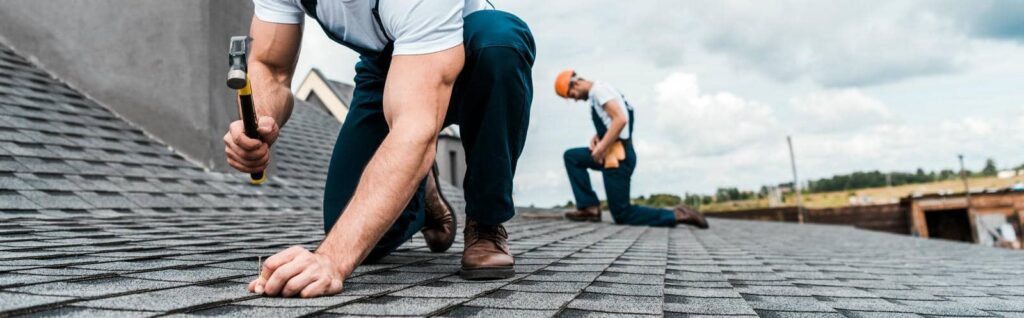
Regular inspections are essential for maintaining the integrity of your flat roof. You should schedule flat roof inspections at least twice a year, ideally in the spring and fall. This frequency allows you to catch potential issues before they escalate, ensuring your roof’s longevity.
During these inspections, look for signs of wear such as cracking, blisters, and pooling water. Each inspection should also include a thorough examination of the flashing and seams, which are critical areas prone to leaks.
Don’t forget to document your findings and any repairs made; this record helps you track the roof’s condition over time. If you notice significant damage or deterioration, consult a roofing professional to assess the situation and recommend necessary repairs.
Clean Gutters and Drains
To ensure your flat roof remains in ideal condition, establish a regular maintenance schedule for cleaning gutters and drains.
Removing debris is essential; even small blockages can lead to water pooling, which compromises the roof’s integrity.
Regular Maintenance Schedule
While maintaining your flat roof, establishing a routine maintenance schedule for cleaning gutters and drains is crucial for preventing water damage.
Set a maintenance frequency that suits your environment; quarterly cleanings are often effective. Create an inspection checklist to ensure you cover all necessary tasks, such as checking for blockages and evaluating the condition of your gutters and drains.
Make it a habit to inspect after heavy storms or seasonal changes, as these can notably impact your drainage system. By committing to this schedule, you prolong your roof’s lifespan and foster a sense of community responsibility, knowing you’re contributing to the overall well-being of your home and neighborhood.
Consistency is key to avoiding costly repairs down the line.
Debris Removal Importance
Debris accumulation in gutters and drains poses a significant risk to the integrity of your flat roof. When you neglect to remove various debris types, such as leaves, twigs, and dirt, you create blockages that can lead to water pooling.
This excess water can compromise your roof’s material, resulting in leaks and structural damage. Regularly cleaning your gutters and drains is essential to prevent debris accumulation, ensure proper water flow, and reduce the risk of costly repairs.
Make it a habit to inspect these areas, especially after heavy storms or seasonal changes. By prioritizing debris removal, you’re not just maintaining your roof; you’re protecting your entire home, fostering a sense of ownership and pride in your living space.
Monitor for Ponding Water
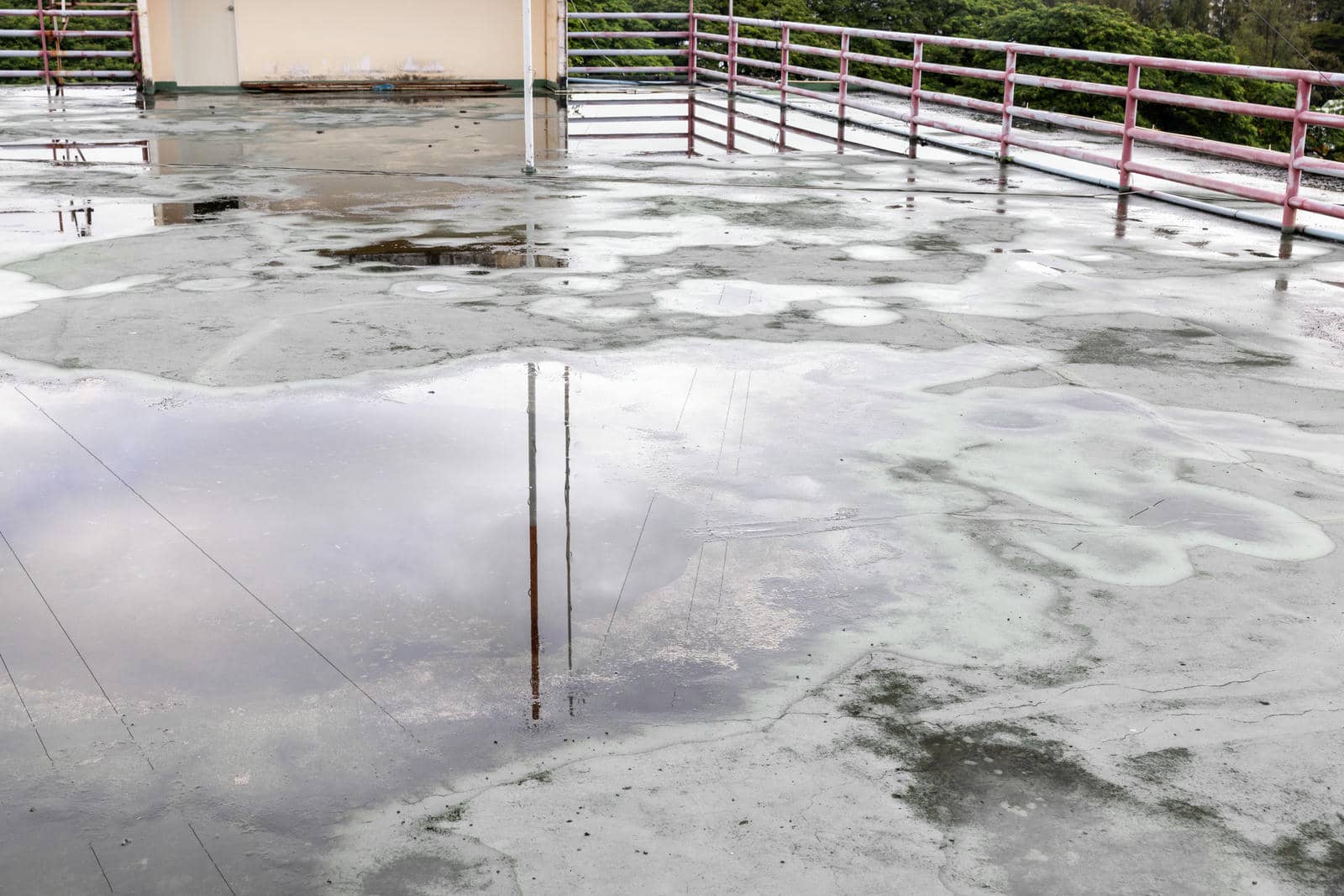
Ponding water on your flat roof can greatly reduce its lifespan and compromise its structural integrity. Regularly monitor your roof for any signs of standing water, especially after heavy rains or snowmelt. Stagnant water can lead to leaks, mold, and structural damage.
To ensure effective water drainage, inspect your roof’s drainage systems, including gutters and downspouts, for blockages or damage.
Implementing ponding prevention measures is vital. Consider adding additional drains or scuppers if you notice persistent areas of standing water. Ascertain that your roof’s surface is sloped adequately to facilitate water runoff.
Regular maintenance, such as cleaning debris and checking for proper drainage, can considerably enhance your roof’s longevity. By being proactive in monitoring for ponding water, you protect your investment and contribute to a healthier living environment.
Your efforts now will pay off with a more robust and durable flat roof.
Maintain Proper Insulation
To ensure your flat roof lasts, it’s essential to maintain proper insulation.
Start by selecting high-quality insulation materials that meet your specific climate needs, and schedule regular inspections to catch any issues early.
If you notice signs of moisture, address them promptly to prevent further damage and extend the roof’s lifespan.
Choose Quality Insulation Materials
When selecting insulation materials for your flat roof, it’s important to prioritize quality, as this greatly impacts both energy efficiency and longevity.
Choosing the right insulation types can prevent heat loss, reduce energy bills, and extend the life of your roofing system. Here are some quality insulation options to evaluate:
Polyisocyanurate: Offers high thermal resistance and moisture control.
Expanded Polystyrene (EPS): Lightweight and cost-effective, with good insulation properties.
Extruded Polystyrene (XPS): Durable and resistant to moisture, ideal for flat roofs.
Spray Foam: Provides an airtight seal, enhancing energy efficiency.
Regular Insulation Inspections
Quality insulation materials greatly contribute to the overall performance of your flat roof, but their effectiveness can diminish over time without regular inspections.
By conducting routine checks, you can identify any issues that may compromise insulation effectiveness, such as settling, moisture intrusion, or physical damage.
These problems can greatly affect your roof’s thermal performance, leading to increased energy costs and potential structural damage.
Schedule inspections at least twice a year, especially after severe weather events.
If you notice any irregularities, address them immediately to maintain ideal insulation conditions.
Prioritizing these inspections helps ensure that your flat roof continues to perform at its best, providing comfort and savings for your entire building.
Address Moisture Issues Promptly
Moisture issues can greatly undermine your flat roof’s insulation effectiveness, so it’s crucial to address them promptly.
Effective moisture detection is key to maintaining your roof’s integrity. Here are some strategies to contemplate:
- Regularly inspect for visible leaks or damp spots.
- Implement advanced moisture detection tools to identify hidden issues.
- Use reliable waterproofing techniques to protect vulnerable areas.
- Schedule routine maintenance checks to catch problems early.
Repair Cracks Promptly
Addressing cracks in your flat roof as soon as they appear is essential for maintaining its integrity and longevity. Delaying repairs can lead to water infiltration, which exacerbates damage and necessitates costly repairs down the line.
Start by inspecting your roof regularly for any signs of cracks; even small ones can expand over time. Once identified, use a reliable crack sealing product that’s compatible with your roofing material. Apply it according to the manufacturer’s instructions to ensure ideal adhesion and protection.
In addition to sealing cracks, consider applying a surface treatment designed for flat roofs. This enhances waterproofing and adds an extra layer of protection against environmental factors.
Ensure Proper Flashing Installation
Since improper flashing installation can lead to significant water damage, ensuring that it’s correctly installed is essential for the longevity of your flat roof.
Understanding the various flashing types and their appropriate installation techniques will help you avoid costly repairs down the line.
Here are a few key considerations:
Select the Right Flashing Types: Choose materials like metal, PVC, or EPDM based on your roof’s needs.
Seal Edges Properly: Make certain that all seams and edges are sealed tightly to prevent water infiltration.
Use Adequate Fasteners: Use corrosion-resistant fasteners to secure the flashing in place and withstand harsh weather.
Inspect Regularly: Make it a habit to check flashing for signs of wear or damage, especially after severe storms.
Use Quality Roofing Materials
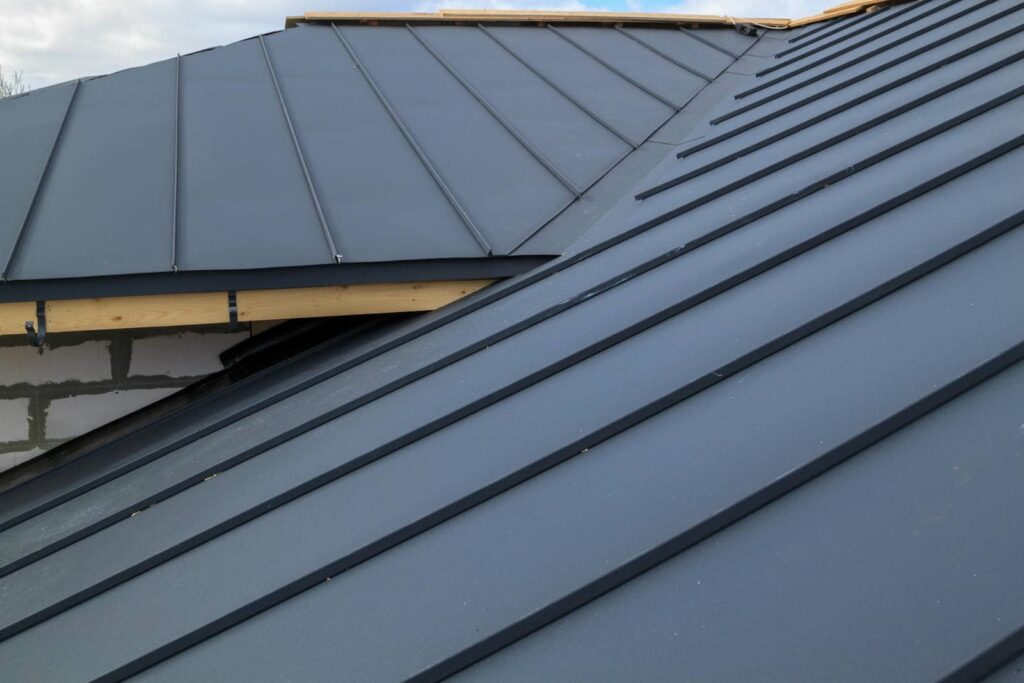
Choosing quality roofing materials is just as important as proper flashing installation for maximizing your flat roof’s lifespan. By selecting high-grade materials like EPDM, TPO, or PVC, you ensure durability and resistance to extreme weather conditions.
Each roofing material type offers unique quality material benefits; for instance, EPDM is renowned for its flexibility and long-term performance, while TPO reflects UV rays, helping to reduce energy costs.
Investing in premium materials increases your roof’s longevity and minimizes the likelihood of costly repairs down the line. It’s essential to take into account your local climate and building requirements when making your choice.
Always consult with professionals who can guide you toward the best roofing material types suited for your specific needs. By prioritizing quality, you’re protecting your investment and contributing to a stronger, more resilient community of homeowners.
Schedule Professional Maintenance
To ensure your flat roof remains in ideal condition, scheduling professional maintenance is essential.
Regular inspections can catch issues early, preventing costly repairs down the line. You should set up schedule reminders to make certain you never miss an appointment. A well-organized maintenance checklist can help you track the status of your roof and any necessary repairs.
Consider these key aspects during your maintenance routine:
- Inspect for leaks: Early detection can save you from extensive water damage.
- Check drainage systems: Make certain gutters and drains are clear to prevent pooling.
- Examine flashing and seams: These are vulnerable areas that require close attention.
- Assess membrane integrity: Look for cracks or blisters that could compromise the roof.
Protect Against Extreme Weather
As extreme weather events become more frequent, protecting your flat roof is essential for its longevity and performance. Implementing effective weatherproofing techniques will greatly enhance your roof’s resilience.
Start by selecting storm-resistant materials, such as synthetic membranes or modified bitumen, which provide superior waterproofing and durability against harsh conditions.
Consider applying reflective coatings to reduce heat absorption, which helps prevent thermal expansion and contraction that can lead to damage.
Additionally, verify proper drainage systems are in place to mitigate water pooling, a common issue during heavy rainstorms.
Regularly inspect seams and flashing for signs of wear or damage, and address any issues promptly to maintain integrity.
Keep Roof Surface Clear of Debris
Extreme weather can exacerbate the impact of debris accumulation on flat roofs, making regular maintenance crucial.
Keeping your roof surface clear of debris types like leaves, dirt, and branches enhances its appearance and prevents potential damage. Over time, accumulated debris can trap moisture, leading to leaks and structural issues.
To maintain your roof effectively, consider these surface cleaning tips:
- Inspect Regularly: Schedule periodic checks, especially after storms or heavy winds.
- Remove Debris Promptly: Clear away any leaves, dirt, or branches you find to prevent build-up.
- Use Appropriate Tools: Employ brooms, leaf blowers, or soft brushes for effective cleaning without damaging the surface.
- Check Drainage Systems: Verify gutters and drains are clear to facilitate proper water flow.
Frequently Asked Questions
How Often Should I Replace My Flat Roof?
You should consider replacing your flat roof every 15 to 30 years, depending on various replacement factors like material quality, weather conditions, and maintenance. Monitoring its condition helps ensure ideal flat roof lifespan and performance.
Can I Install a Flat Roof Myself?
You can install a flat roof yourself, but beware of installation challenges. DIY roofing requires careful planning and knowledge. If you’re up for the task, make sure you research materials and techniques thoroughly for a successful project.
What Are the Signs of Roof Failure?
You’ll notice signs of roof failure through leaks, material deterioration, and water stains on ceilings. Regular inspections and leak detection can help you identify these issues early, ensuring your roof remains solid and your home protected.
How Does Climate Affect Flat Roof Longevity?
Climate plays a pivotal role in flat roof longevity. Temperature fluctuations and moisture accumulation can subtly wear down materials, leading to premature deterioration. You should closely monitor these factors to ensure your roof’s long-term health.
Are There Specific Warranties for Flat Roofs?
Yes, there are specific warranty types for flat roofs. You should review coverage details carefully, as they can vary considerably. Common options include material, labor, and workmanship warranties, each offering different levels of protection and duration.
Wrap-Up
By following these ten essential tips, you’ll enhance your flat roof’s lifespan and save yourself from unexpected repair costs. Imagine discovering a small crack before it turns into a costly leak—this proactive approach is your best ally. Regular inspections, quality materials, and a clean surface work together to create a resilient roof. So, as you take these steps, picture your roof standing strong against the elements for years, safeguarding your home and investment.