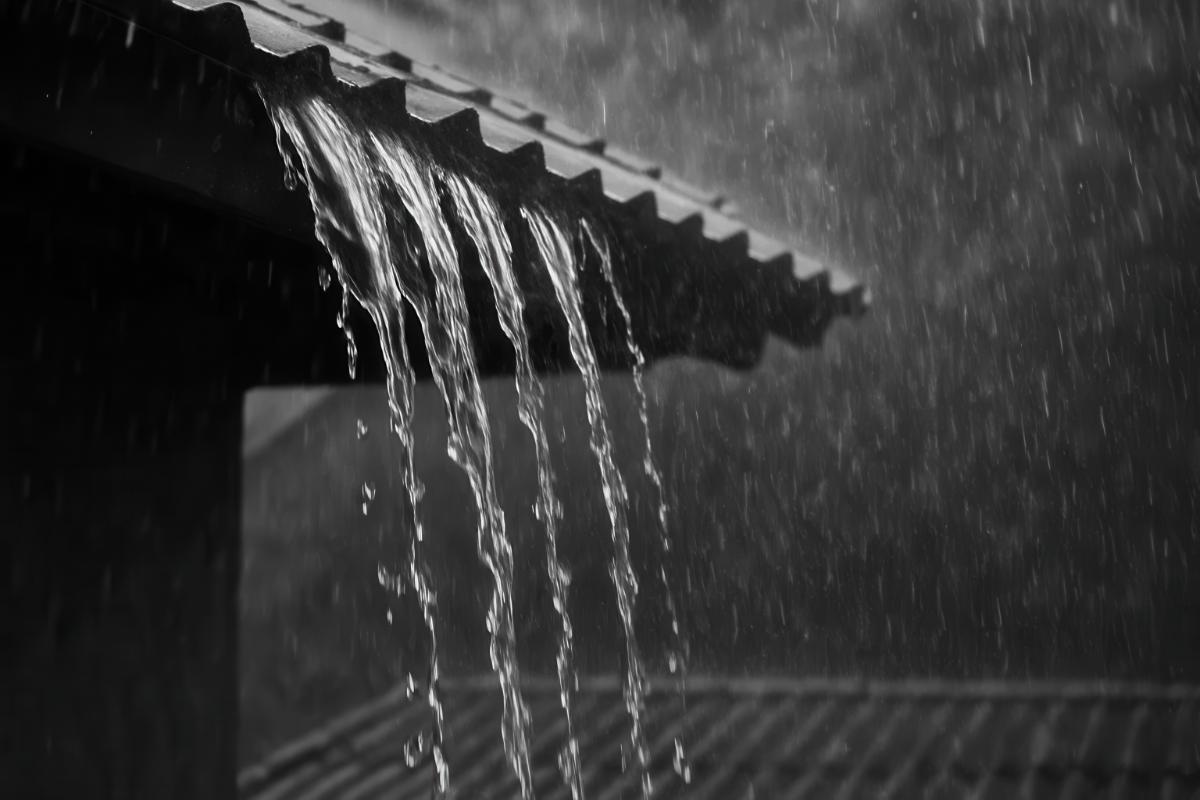
Identifying the key indicators of these metal roof leaks can save you time and money in the long run. From visible water stains to rust on panels, these signs often go unnoticed until serious damage occurs. Understanding these indicators is essential for maintaining your roof’s integrity and ensuring its longevity. What are the main signs you should look out for?
Key Takeaways
- Look for visible water stains on ceilings and walls, indicating potential leaks in your metal roof.
- Check for rust or corrosion on metal panels, which signal moisture interaction and structural weakening.
- Inspect for loose or missing fasteners; even one can create vulnerabilities for water intrusion.
- Watch for mold or mildew growth in attics, suggesting poor ventilation and moisture problems.
- Monitor unexplained increases in energy bills, as leaks can compromise insulation and energy efficiency.
Visible Water Stains on Ceilings and Walls
Visible water stains on ceilings and walls often signal a leak in your metal roof. If you’ve noticed these stains, it’s essential to conduct a thorough ceiling inspection. Water damage can escalate quickly, leading to costly repairs and potential structural issues.
Start by identifying the source of the stains; they can indicate moisture seeping from your roof. Inspect areas around vents, chimneys, or seams where metal panels join. Look for discoloration, peeling paint, or mold growth, as these are telltale signs of underlying leaks.
If you find significant staining, don’t hesitate to consult a roofing professional. They can help assess the extent of the damage and recommend necessary repairs.
Addressing leaks promptly preserves your roof’s integrity and enhances your home’s overall safety and value. Remember, staying vigilant about these indicators fosters a sense of community and belonging among fellow homeowners who value their properties.
Rust or Corrosion on Metal Panels
Rust or corrosion on metal panels is a critical indicator of potential leaks in your roof. When you spot these issues, it’s essential to act quickly to prevent further damage.
Rust develops when moisture interacts with metal, leading to structural weakening. Implementing rust prevention methods, such as applying protective coatings and ensuring proper drainage, can markedly mitigate this risk.
If you’ve already noticed corrosion, timely corrosion treatment is important. This may involve sanding down affected areas and applying rust-inhibiting primers and paints.
Regular inspections are essential, as early detection helps maintain your roof’s integrity and prolong its lifespan.
Loose or Missing Fasteners
One of the most common issues leading to metal roof leaks is loose or missing fasteners. These small components play an important role in securing your roof panels and preventing water intrusion. During your routine fastener inspection, look for any screws or bolts that appear out of place or are completely absent.
Even a single missing fastener can create vulnerabilities, allowing moisture to penetrate and cause significant damage over time.
Regular roof maintenance is essential in identifying and addressing these problems before they escalate. Tightening loose fasteners and replacing those that are missing should be part of your upkeep routine.
Mold or Mildew Growth in Attics
After addressing fastener issues, it’s important to contemplate the potential for mold or mildew growth in attics, which can signal underlying moisture problems.
If you spot mold, it’s a clear indication that your attic ventilation isn’t effectively managing humidity levels. Poor ventilation traps moisture, creating an ideal environment for mold spores to thrive.
To combat this, verify that your attic has proper ventilation paths, like soffit and ridge vents, allowing for maximum airflow.
Regular inspections can help you identify any moisture buildup early, preventing extensive damage and health risks.
Implementing moisture control measures, such as using a dehumidifier or verifying proper insulation, is essential.
By staying vigilant about ventilation and moisture levels, you’ll protect your home and foster a healthier living environment.
Unexplained Increases in Energy Bills
If you’ve noticed an unexplained spike in your energy bills, it could be a sign of leaks in your metal roof.
Poor insulation quality due to leaks can compromise your home’s energy efficiency, forcing your HVAC system to work harder. To identify the issue, consider these factors:
Temperature Fluctuations: Notice if certain rooms are consistently hotter or colder.
Drafts: Feel for drafts in your living spaces, especially near ceilings and walls.
Moisture: Check for signs of moisture in your attic, which can indicate leaks affecting insulation.
Increased HVAC Runtime: Monitor how long your heating or cooling system runs; an increase suggests a loss of efficiency.
Addressing these issues promptly can prevent further energy loss and improve your home’s comfort.
Don’t let leaks drain your wallet; take action to ensure your roof and insulation are in top shape.
Frequently Asked Questions
How Can I Prevent Metal Roof Leaks Before They Start?
To prevent metal roof leaks, schedule regular preventive maintenance and thorough roofing inspections. These proactive measures help you identify potential issues early, ensuring your roof remains durable and protecting your home from costly water damage.
What Are the Long-Term Effects of Untreated Metal Roof Leaks?
Untreated metal roof leaks can lead to severe water damage, compromising your roof’s integrity. Regular roof maintenance is essential to prevent structural issues, mold growth, and costly repairs, ensuring your home remains safe and comfortable for years.
How Often Should I Inspect My Metal Roof for Potential Issues?
You should inspect your metal roof at least twice a year, preferably during seasonal maintenance. Regular roof inspection frequency helps identify potential issues early, ensuring your roof remains in good condition and prolonging its lifespan.
Can Weather Conditions Affect the Likelihood of Roof Leaks?
Yes, weather conditions considerably affect roof leaks. Heavy rain impacts drainage systems, while snow accumulation can lead to increased weight and potential ice damming, which may compromise your metal roof’s integrity if not properly managed.
What Materials Are Best for Sealing Metal Roof Seams?
To keep your metal roof watertight, use high-quality sealant options like silicone or polyurethane. Regular seam maintenance with these materials ensures durability, protecting your investment from leaks and enhancing your roof’s lifespan.
Final Thoughts
Ultimately, while you might think a metal roof is impervious to leaks, the signs can be sneaky. Water stains might just be artistic ceiling decor, rust could be an avant-garde touch, and loose fasteners may seem like modern design. Mold might even add character to your attic! But in reality, ignoring these indicators can lead to costly repairs. Regular inspections are your best defense against unexpected surprises—because a leaky roof isn’t the kind of surprise anyone wants.