Is it true that PVC flat roof systems outperform other low-slope options once you weigh seam strength, chemical resistance, and maintenance demands? You’ll need to test that claim against upfront cost, installation method, and how the membrane handles your climate and existing structure. PVC can justify its premium in many cases, but TPO and EPDM each shift the balance differently—and the key tradeoffs aren’t always obvious yet.
Key Takeaways
- PVC flat roofs balance durability, cost, and installation efficiency, making them a strong option for many property owners.
- Heat-welded PVC seams provide excellent leak resistance and outperform many alternatives in seam strength.
- PVC roofs typically last 20 to 30 years, with thicker membranes and regular inspections improving lifespan.
- Costs vary by roof size, penetrations, insulation, access, and whether the system is mechanically fastened or fully adhered.
- Compared with TPO and EPDM, PVC usually costs more but offers better chemical resistance and reliable long-term performance.
Why PVC Flat Roofs Stand Out
PVC flat roofs stand out because they balance cost, durability, and installation efficiency better than many other low-slope roofing options. You get a membrane that resists punctures, UV exposure, and chemical wear, so your roof can support long-term performance with less disruption.
In a PVC flat roof systems comparison, you’ll notice that heat-welded seams create a tight, reliable barrier against leaks, and that matters when you want a roof system you can trust. You also benefit from straightforward detailing around penetrations, edges, and flashings, which helps your installer work cleanly and efficiently.
If you’re managing a property, PVC gives you a practical path to lower maintenance demands and stronger roof protection, while still fitting the expectations of a professional, value-focused team.
PVC Flat Roof Cost Factors
Cost is shaped by membrane thickness, roof size, insulation requirements, and the complexity of your details.
You’ll usually pay more when the roof has many penetrations, drains, curbs, or tie-ins, because your crew needs more labor and flashing work. Access also matters: if equipment can’t reach the roof easily, your price can rise.
In a shared property setting, you may also see added costs for permits, staging, and tenant protection.
Compare quotes by checking what’s included, not just the total. Ask whether the estimate covers fasteners, edge metal, adhesives, and cleanup.
When you review options with trusted roofing contractors, you can make a cleaner, better-aligned choice for your building and your budget.
PVC Flat Roof Durability and Lifespan
When you compare membrane performance, durability usually comes down to thickness, seam quality, UV exposure, and maintenance.
You’ll typically see PVC systems deliver 20 to 30 years of service when you protect the surface and keep water from ponding. Thicker membranes resist punctures better, and reinforced products handle movement more reliably.
Strong seams matter because they’re the first line against leaks. UV-resistant formulations slow embrittlement, but constant heat and standing water can still shorten life.
You can extend lifespan with regular inspections, debris removal, and prompt patching of small defects. If you’re managing a property with other owners, document every check so everyone stays aligned.
Done right, PVC can give your group a dependable roof you can count on together.
PVC Roof Installation Methods
When you compare PVC roof installation methods, you’ll usually choose between mechanically fastened systems and fully adhered systems.
Mechanically fastened systems use fasteners to secure the membrane, while fully adhered systems bond it directly to the substrate.
You should weigh wind resistance, labor time, and roof condition before selecting the better fit.
Mechanically Fastened Systems
Mechanically fastened PVC roof systems use fasteners and plates to secure the membrane to the roof deck, which can make installation efficient on large, low-slope projects.
You’ll often choose this method when you want predictable labor, solid uplift resistance, and a clear installation sequence. The seams still need careful heat-welding, so your crew should verify alignment and fastener spacing before proceeding.
This system can fit many commercial roofs, especially when you’re balancing performance and budget. You may notice slight membrane movement between fasteners, so deck condition and wind design matter.
If you’re comparing PVC options, this approach gives you a practical, field-tested solution that many property owners trust.
Partner with a qualified roofer, and you’ll make a confident, informed choice.
Fully Adhered Systems
Fully adhered PVC roof systems bond the membrane directly to the insulation or substrate with adhesive, creating a smooth, uniform surface that resists uplift well on low-slope roofs. You get a clean look, fewer exposed fasteners, and strong wind performance.
This method often fits projects where you want a premium finish and your crew can manage careful surface prep.
- It can cost more in labor and adhesive.
- It reduces thermal bridging and membrane flutter.
- It needs dry, compatible substrates.
- It supports detailed work around penetrations.
You’ll benefit most when you need dependable performance and a polished result.
For many property owners, this system feels like the right fit because it balances durability, appearance, and long-term confidence.
PVC vs. TPO vs. EPDM Flat Roofs
PVC, TPO, and EPDM each offer distinct advantages for flat roofs, so your best choice depends on cost, durability, and installation needs.
You’ll usually find PVC at the higher end, but it delivers strong seam strength, chemical resistance, and good heat reflectivity.
TPO often costs less and gives you a similar white-surface energy benefit, though long-term field performance can vary by product quality.
EPDM is typically the most budget-friendly, and its rubber membrane handles temperature swings well, but it uses adhered or mechanically fastened seams that can be less seamless than PVC.
If you want a system your crew can trust, compare warranties, substrate compatibility, and local climate before you choose.
That way, you’ll join informed owners who invest wisely.
How to Maintain a PVC Roof?
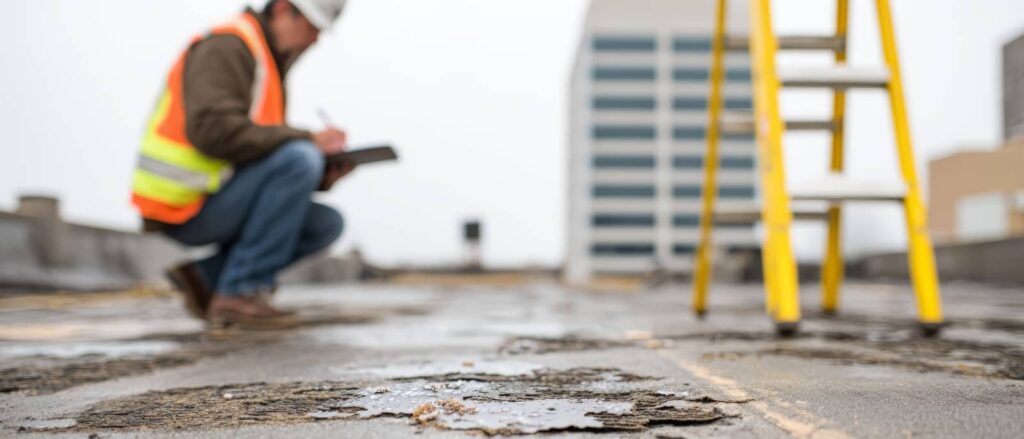
To keep a PVC roof performing well, inspect it twice a year and after major storms. Then clear off debris, check seams and flashings, and repair punctures or open laps right away.
You’ll stay ahead of leaks by tracking wear in traffic areas and around drains, curbs, and roof penetrations. Use a soft-bristle broom and mild cleaner; harsh solvents can damage the membrane.
- Look for wrinkles, splits, or lifted edges.
- Test seams and terminations for tight adhesion.
- Keep drains, gutters, and scuppers open.
- Document repairs so your roofing crew can spot patterns.
When you schedule routine care and respond quickly, you protect your system, reduce downtime, and keep your property team confident.
How to Choose the Right PVC Roof System
Choosing the right PVC roof system starts with matching the membrane, thickness, and attachment method to your building’s needs, budget, and climate. You should weigh project use, foot traffic, wind exposure, and chemical resistance before you commit.
If your roof sees frequent service access, choose a thicker sheet for added puncture resistance. For tight budgets, a mechanically fastened system usually lowers labor costs, while fully adhered systems can improve uplift performance and appearance.
Ask your installer to compare seam strength, warranty terms, and insulation compatibility, since these details affect long-term value. When you compare options with your roofing team, you’ll fit into a smarter ownership group that plans ahead and protects assets.
Prioritize proven products, local code compliance, and trusted workmanship.
Frequently Asked Questions
Can PVC Roofs Be Installed Over Existing Membranes?
Yes, you can install PVC over some existing membranes if you inspect, clean, and verify adhesion first. You’ll need compatible substrates, proper fasteners or adhesive, and code-approved recover methods to avoid trapped moisture and failure.
Do PVC Roofs Require Special Snow Load Considerations?
Yes—snow load isn’t PVC-specific, but you do need to check structural capacity and drainage. You should verify insulation, slope, and fasteners; otherwise, heavy snow can pile up and stress your roof deck.
Are PVC Roofs Suitable for Green Roof Systems?
Yes, you can use PVC roofs for green roof systems if you choose a root-resistant assembly, verify load capacity, and detail drainage carefully. You’ll join a proven, watertight setup that supports plants well.
Can PVC Roofing Be Repaired in Cold Weather?
Yes, you can repair PVC roofing in cold weather, but you’ll need heat-welded patches, dry surfaces, and a warmed membrane. You’ll get stronger bonds, so your roof team can keep repairs reliable and code-compliant.
What Warranty Options Are Typical for PVC Flat Roofs?
You’ll usually get a limited membrane warranty, often 10–30 years, plus a contractor’s workmanship promise. Ask if coverage includes seams, flashing, and wind uplift, so you feel backed by a dependable roofing community.
Final Thoughts
If you’re weighing PVC flat roof systems, remember this: the membrane is the roof’s armor. PVC gives you welded seams, strong chemical resistance, and dependable performance, though it asks for a higher upfront investment. TPO may save money now, but its long-term results can vary. EPDM is cost-effective, yet its seams can be a weak link. Match the system to your structure, climate, and warranty needs, and you’ll make a smarter, longer-lasting choice.