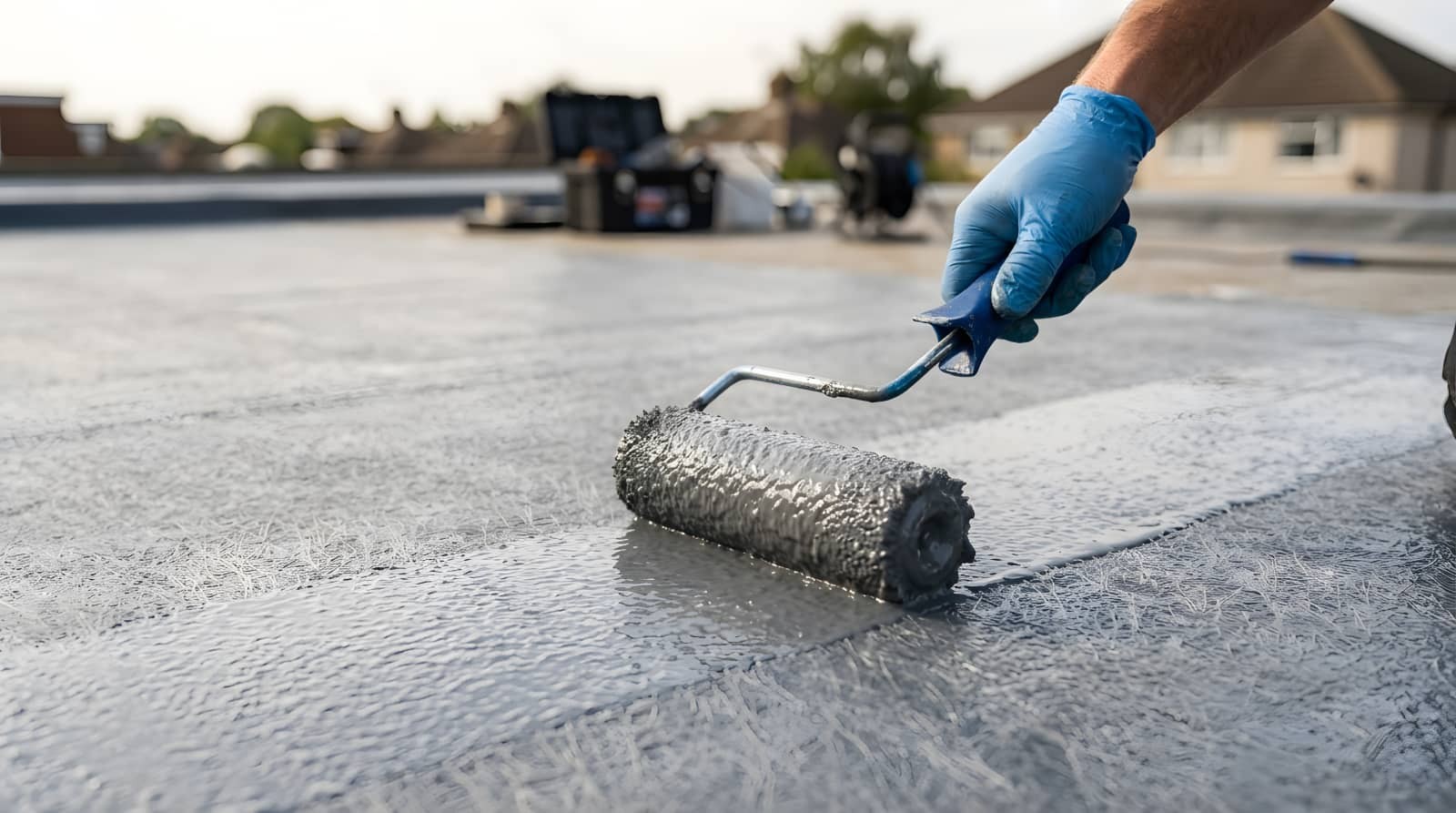
If you’re weighing a flat roofing option, EPDM deserves a close look because it combines low cost, strong weather resistance, and simple upkeep in one system. You get a lightweight membrane that installs efficiently, handles temperature swings well, and can last for decades with the right care. The real question is how these benefits hold up across different buildings and conditions.
Key Takeaways
- EPDM flat roof systems use durable synthetic rubber membranes that provide a seamless, weather-resistant barrier for low-slope roofs.
- They offer strong UV, ozone, and water resistance, helping protect roofs from sunlight damage and leaks.
- EPDM is cost-effective because installation is efficient, lightweight, and produces minimal material waste.
- The membrane is flexible, allowing it to handle temperature changes and ponded water without cracking.
- EPDM roofs are easy to maintain, with simple inspections and patch repairs, and can last 20 to 30 years.
What Is an EPDM Flat Roof System?
An EPDM flat roof system is a single-ply roofing membrane made from ethylene propylene diene monomer, a durable synthetic rubber used to protect low-slope and flat roofs.
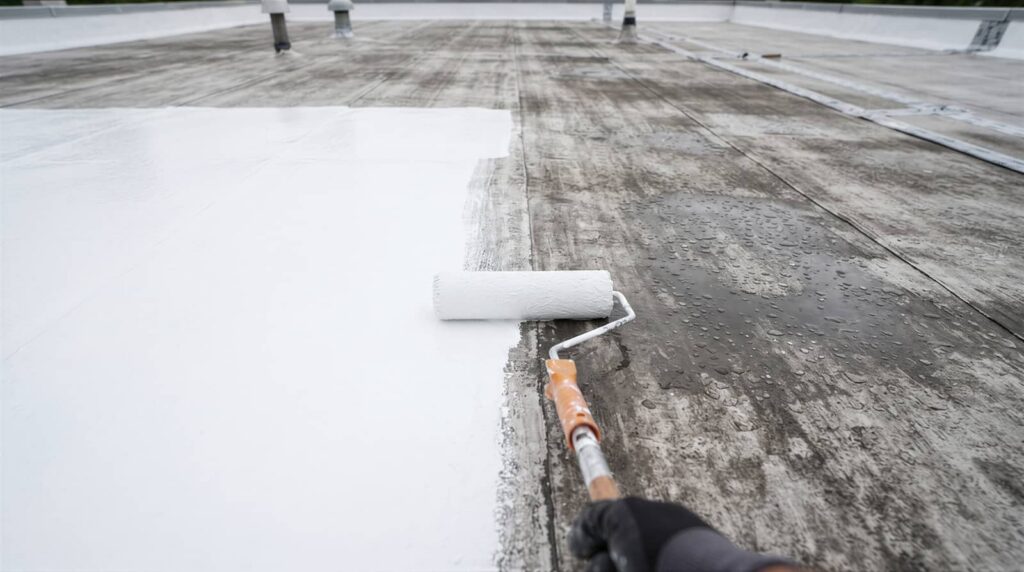
You’ll usually see it installed as sheets that your roofer secures over insulation and deck surfaces, creating a continuous weather barrier. This system resists UV exposure, ozone, and temperature swings, so it performs well in demanding commercial settings.
You can choose black or white membranes to match climate needs and building goals.
When you evaluate EPDM flat roof systems benefits, you’re looking at a roof type that’s flexible, lightweight, and easy to detail around penetrations.
That means your building team can keep your property protected with a clean, proven solution that fits modern flat-roof design.
Why EPDM Flat Roofs Save Money
When you choose EPDM, you often lower both upfront and long-term roofing costs because the membrane is lightweight, installs efficiently, and requires fewer labor hours than many built-up systems.
You also reduce material waste, since sheets cover large areas with minimal seams, which helps your crew work faster and with less error.
Because EPDM is flexible, you can often use simpler attachment methods and standard tools, keeping installation predictable for your team.
Its low maintenance needs also protect your budget; you won’t spend as much on routine service calls or frequent patching.
If you manage multiple properties, that consistency matters.
EPDM gives you a practical path to dependable roofing without stretching your capital, so your building group can stay focused on operations.
How EPDM Roofs Handle Weather
You can count on EPDM roofs to resist UV exposure, helping the membrane hold up under long-term sun exposure.
They also shed rain effectively when seams are properly installed and maintained, reducing leak risk.
Their flexible material lets them expand and contract with temperature swings, so you get stable performance in changing weather.
UV Resistance
EPDM roofs handle UV exposure well because the membrane is formulated to resist sunlight-related breakdown over time. You get a surface that stays stable under intense sun, so the rubber doesn’t crack or brittle as quickly as many other materials.
That helps you protect the roof’s top layer and keeps maintenance more predictable for your team. Because EPDM tolerates prolonged exposure, you can plan with confidence in demanding commercial settings.
You’re also less likely to see early aging from daily solar stress, which supports longer service life and better lifecycle value. If you manage a property, this UV resistance means you’re choosing a system that fits a practical, experienced group of owners who want dependable performance and fewer surprises from weather exposure.
Rain Protection
Beyond strong UV performance, EPDM also gives you reliable rain protection by forming a continuous, watertight membrane across the roof surface.
You get fewer seams than many built-up systems, so there are fewer paths for water to enter. When you install it correctly, the membrane sheds rain efficiently and helps keep decking, insulation, and interior spaces dry.
Its rubber surface resists ponded water exposure better than many rigid coverings, which matters on low-slope roofs where drainage can be slow.
You can also inspect and maintain it easily, so small issues get caught before they spread. For property teams, that means steadier protection, less disruption, and confidence that the roof is working with you through wet weather.
Temperature Flexibility
When temperatures swing, EPDM stays flexible instead of becoming brittle or overstressed. You get a membrane that expands and contracts with your roof deck, which helps reduce cracking, seam stress, and fastener pull-through.
In hot weather, it resists softening and surface deformation; in cold weather, it keeps enough elasticity to move without splitting. That stability matters when your building faces freeze-thaw cycles, direct sun, or sudden storms.
You can count on fewer weather-related repairs and a longer service life when the material handles movement well. For commercial roofs, that means steadier performance and less disruption to your team.
If you want a system that works with your climate instead of fighting it, EPDM gives you a practical, proven fit.
Why EPDM Works Well on Commercial Buildings
Commercial buildings need a roofing material that can handle wide spans, changing weather, and low-maintenance performance, and EPDM fits that role well. You get a membrane that adapts to large roof fields without adding unnecessary weight.
It also supports your team’s need for reliable protection across offices, warehouses, and retail sites. EPDM works because it delivers practical performance where commercial demands stay high.
- Handles broad roof areas
- Resists UV exposure
- Stands up to thermal movement
- Supports standard installation methods
- Fits budget-conscious projects
When you choose EPDM, you join many building owners who value efficiency and consistency.
You’re selecting a system built for real-world commercial conditions, not just specifications on paper.
Why EPDM Roofs Are Easy to Maintain
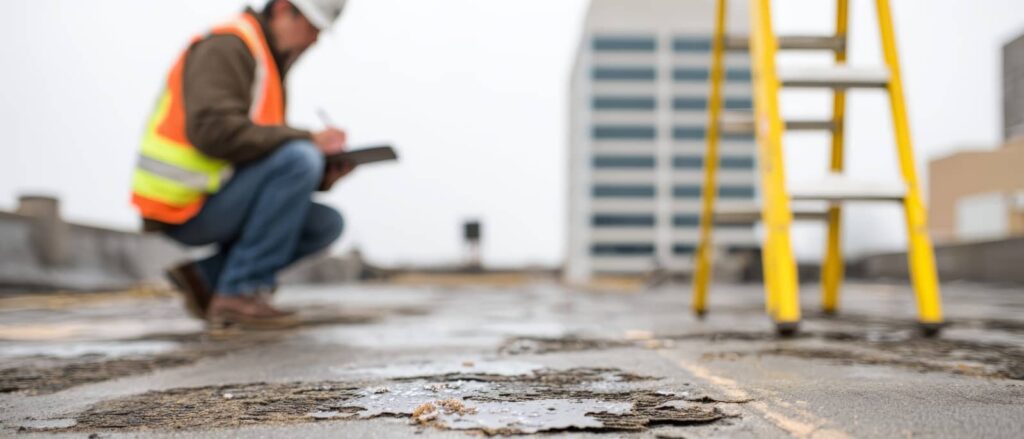
EPDM roofs are easy to maintain because their durable membrane and simple system design reduce routine upkeep. You can inspect the surface quickly, clear debris, and check seams without specialized equipment.
Because the membrane flexes with building movement, you’ll spend less time chasing minor issues around penetrations, edges, and flashing. Routine care usually means washing off dirt, removing standing leaves, and confirming drains stay open after storms.
If you spot a puncture, you can often patch it with straightforward repair materials. That gives your facility team a predictable maintenance routine and keeps your roof service-ready.
For property managers who want dependable performance and a practical roofing system, EPDM makes day-to-day upkeep manageable, efficient, and familiar across many commercial sites.
How Long EPDM Flat Roofs Last
That low-maintenance design also helps EPDM roofs reach a long service life, often 20 to 30 years or more with proper installation and routine care. You can count on durable rubber membranes when you keep seams, flashings, and penetrations sound.
Your roof’s lifespan usually depends on:
- UV exposure
- Drainage quality
- Foot traffic
- Weather swings
- Inspection frequency
When you address small issues early, you reduce stress on the membrane and protect your investment. You’ll also join other property owners who value predictable performance and fewer disruptions.
In many cases, EPDM keeps working well beyond its expected span when you stay consistent with maintenance. For your building, that means reliable protection, lower lifecycle costs, and confidence through the seasons.
How to Choose an EPDM Roof Installer
Choosing the right installer matters because even the best EPDM membrane can fail if crews mishandle seams, flashings, or drainage details.
You should verify commercial roofing experience, especially with fully adhered, mechanically fastened, and ballasted EPDM systems. Ask for manufacturer certifications, proof of insurance, and recent references from buildings like yours.
A good installer inspects the deck, insulation, and slope before quoting, then explains edge metal, penetrations, and termination methods clearly. You’ll feel more confident with a team that documents substrate prep, seam welding or bonding, and quality checks.
Request a written scope, warranty terms, and cleanup plan. Choose a contractor who communicates well, respects your schedule, and makes you feel like part of the project team, not just another job.
Frequently Asked Questions
Can EPDM Roofing Be Installed Over an Existing Roof?
Yes, you can install EPDM over an existing roof if you inspect, repair, and ensure the deck is dry, sound, and code-compliant. You’ll need proper adhesion and detailing to avoid trapped moisture and future failures.
Is EPDM Roofing Compatible With Solar Panel Systems?
Yes, you can pair EPDM roofing with solar panel systems when you use proper mounts and protect the membrane. You’ll gain a durable, watertight roof that supports clean energy without compromising performance or group standards.
What Colors Are Available for EPDM Roofing Membranes?
You’ll usually find EPDM roofing membranes in black or white, with gray available from some manufacturers. Black absorbs heat; white reflects it. You can choose what fits your climate, crew workflow, and roof community.
Does EPDM Roofing Require Special Tools for Repairs?
Yes, you’ll need a few specialty tools, like seam rollers, lap sealant, and bonding cleaner, to make reliable EPDM repairs. You can use standard hand tools too, but proper repair kits help you get stronger, longer-lasting patches.
How Does EPDM Compare With TPO Roofing?
Like a sturdy rubber blanket, you’ll find EPDM’s better for UV resistance and flexibility, while TPO usually costs less and reflects heat more. You’ll choose EPDM for durability; you’ll choose TPO for energy savings.
Wrap-Up
In the end, you can count on EPDM flat roof systems to give you dependable performance without draining your budget. You’ll benefit from a lightweight membrane that installs quickly, resists UV exposure, and handles harsh weather with ease. For your commercial property, that means fewer repairs, lower maintenance, and long-term value. When you choose the right installer, your roof won’t just cover your building—it’ll stand as a shield against the elements.