When it comes to roof installations, you can’t overlook the importance of preparation. A thorough assessment of your current roof condition sets the stage for a successful project. Selecting the right materials and hiring a qualified contractor are vital steps that impact your roof’s longevity and performance. But there’s more to take into account. What about local building codes and maintenance schedules? Understanding these factors can make all the difference in your roofing experience.
Key Takeaways
- Conduct a thorough roof inspection to identify any pre-existing issues before installation begins.
- Choose durable materials that comply with local building codes and suit your climate and neighborhood aesthetics.
- Hire a qualified roofing contractor by verifying credentials, reading reviews, and discussing project timelines and warranties.
- Implement effective water management strategies, including gutters and proper sloped designs, to prevent water damage.
- Establish a seasonal maintenance schedule for regular inspections, ensuring your roof remains in optimal condition post-installation.
Assessing Your Current Roof Condition
Before you commence a roof installation project, it’s essential to assess your current roof condition to identify any underlying issues. Start with a detailed roof inspection, examining both the interior and exterior. Look for signs of water damage, missing shingles, or sagging areas that could compromise the structural integrity of your home.
Pay attention to flashing around chimneys and vents, as these are common areas for leaks. If you’re not comfortable climbing onto your roof, consider hiring a professional inspector. They can provide a thorough evaluation and pinpoint areas that need immediate attention.
Document any issues you find; this information will be invaluable when planning your installation. By addressing these problems upfront, you’ll secure a solid foundation for your new roof, enhancing the safety and longevity of your home.
Taking these steps now can save you time and money down the road, reinforcing your home’s overall resilience.
Choosing the Right Roofing Material
Choosing the right roofing material is essential for ensuring your home’s protection and aesthetic appeal.
Consider factors like durability, climate compatibility, and the various aesthetic options available to you.
Material Durability Considerations
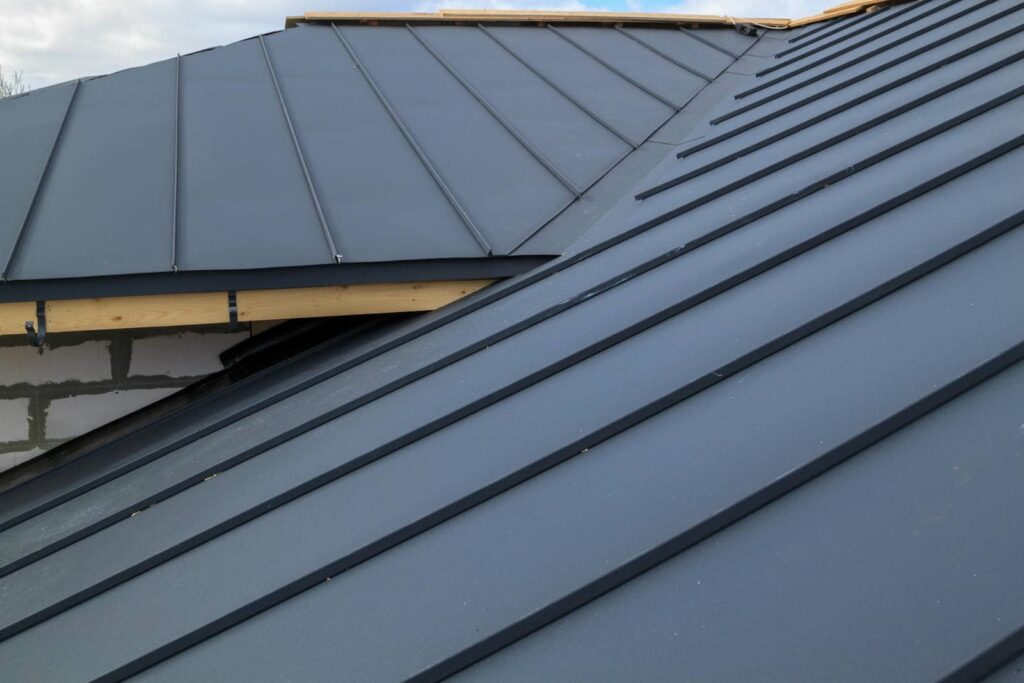
When it comes to roofing materials, durability is a critical factor that can greatly affect your home’s longevity and maintenance costs. Choosing a material with a long material lifespan, like metal or slate, can save you from frequent replacements and repairs.
Each roofing option has specific maintenance requirements; for instance, asphalt shingles may need regular inspections and cleaning to prevent debris buildup, while metal roofs require less upkeep.
It’s essential to evaluate the trade-offs between initial costs and long-term durability. Remember, investing in a robust roofing material enhances your home’s protection and contributes to its overall value.
Make an informed choice that aligns with both your budget and maintenance preferences for lasting satisfaction.
Climate Compatibility Factors
Understanding your local climate is essential for selecting the right roofing material, as different environments can considerably impact durability and performance.
Consider these factors when evaluating roofing materials in relation to your area’s weather patterns:
Temperature extremes: Choose materials that withstand high heat or severe cold.
Precipitation levels: Opt for waterproof materials in regions with heavy rain or snow.
Wind resistance: Select roofing that can endure strong winds, especially in coastal areas.
Sun exposure: Look for UV-resistant materials if you live in sunny climates.
Humidity and mold: Consider materials with mold resistance for humid areas.
Aesthetic Options Available
While aesthetics mightn’t be the first thing on your mind when considering roofing materials, they play an essential role in your home’s overall appeal.
Choosing the right roofing material involves exploring various color choices and design styles that complement your home’s architecture. For instance, slate and tile offer a classic look, while metal roofing can provide a modern touch.
Consider your neighborhood’s aesthetic too; you want your home to blend in yet stand out in a positive way. Darker colors can add depth and sophistication, whereas lighter shades may create a more spacious feel.
Hiring a Qualified Roofing Contractor
How do you ensure your roof installation goes smoothly? Hiring a qualified roofing contractor is essential. The right contractor ensures quality workmanship and helps you stay on track with project timelines.
Here are key factors to take into account:
Check contractor credentials: Verify licenses and insurance to protect yourself.
Read reviews: Look for feedback from previous clients to gauge reliability.
Ask for estimates: Get detailed quotes to avoid surprises later.
Discuss timelines: Confirm the contractor can commit to your schedule.
Inquire about warranties: A good contractor will offer warranties on both materials and labor.
Understanding Local Building Codes
Understanding local building codes is crucial for ensuring compliance and avoiding potential fines in your roofing project.
You’ll need to research the specific regulations in your area, as they can vary greatly.
Additionally, be prepared to secure necessary permits and schedule inspections throughout the installation process.
Importance of Compliance
Compliance with local building codes is vital for ensuring your roof installation meets safety and quality standards.
Understanding roofing regulations is significant for every homeowner.
Here are some compliance benefits you shouldn’t overlook:
- Protects your home and family from hazards
- Ensures the long-lasting durability and performance of your roof
- Prevents costly fines or legal issues
- Enhances your property’s resale value
- Secures insurance coverage in case of damage
Researching Local Regulations
Before starting your roof installation, it’s crucial to explore the specifics of local building codes. Understanding these regulations ensures your project aligns with safety standards and avoids future complications.
Begin by researching local zoning laws that dictate what materials and designs are permissible in your area. These rules can vary greatly from one municipality to another, so don’t overlook them.
You’ll also need to familiarize yourself with permit applications, as many jurisdictions require them for roofing projects. This safeguards your investment and fosters good relationships with local authorities.
Permits and Inspections Required
Once you’ve familiarized yourself with local regulations, it’s time to focus on the permits and inspections required for your roofing project. Understanding these aspects ensures compliance and safety.
Here’s what you need to take into account:
Permit Applications: Submit the necessary paperwork before starting.
Local Codes: Verify that your materials and methods meet local standards.
Inspection Processes: Schedule inspections at key project stages.
Documentation: Keep records of all permits and inspections for future reference.
Contractor Compliance: Confirm your contractor is aware of all requirements.
Properly Preparing Your Home for Installation
As you prepare for a roof installation, making sure your home is ready can greatly streamline the process and minimize disruptions. Start by creating a pre-installation checklist to cover essential tasks. Clearing the area around your home will provide better roof access for the workers.
Here’s a simple table to help you organize your preparations:
| Task | Description | Importance |
|---|---|---|
| Clear the Work Area | Remove vehicles and outdoor items | Ensures safe, efficient access |
| Inform Neighbors | Let them know about the installation | Reduces noise complaints |
| Secure Pets | Keep pets indoors or in a safe area | Prevents accidents |
| Check Weather Forecast | Monitor conditions leading up | Avoids delays due to bad weather |
| Confirm Delivery Times | Make certain materials arrive on schedule | Keeps the project on track |
Ensuring Adequate Drainage and Insulation
Ensuring proper drainage and insulation is essential for the longevity and efficiency of your new roof. Without effective drainage solutions and proper insulation techniques, moisture accumulation can lead to costly repairs down the line.
Here are some key considerations to keep in mind:
Install gutters to channel water away from the roof and foundation.
Choose the right roofing material, which can enhance drainage and reduce heat absorption.
Opt for sloped designs to facilitate water runoff and prevent pooling.
Use high-quality insulation to maintain temperature control and reduce energy costs.
Consider ventilation systems to regulate airflow and prevent moisture buildup in the attic.
Scheduling Regular Maintenance Post-Installation
How can you ensure your roof remains in top condition after installation? Scheduling regular maintenance is essential. Start by creating a post-installation checklist to track critical inspections and repairs. This checklist should include checking for loose shingles, evaluating flashing integrity, and inspecting gutters for debris.
Develop a maintenance schedule that aligns with seasonal changes. Ideally, perform a thorough inspection at least twice a year—once in spring and once in fall. This proactive approach helps identify potential issues before they escalate, saving you time and money in the long run.
Don’t forget to document your findings and any maintenance performed, as this can enhance your roof’s longevity and maintain warranty coverage. Engaging a professional for routine inspections can provide added peace of mind, ensuring your roof continues to protect your home effectively.
Prioritize these steps to foster a secure, welcoming space for you and your loved ones.
Final Thoughts
In roof installation, “a stitch in time saves nine.” By thoroughly evaluating your current roof, selecting appropriate materials, and hiring a qualified contractor, you’re laying a solid foundation for your home’s protection. Don’t overlook local building codes or the importance of drainage and insulation. After installation, establish a regular maintenance schedule to ensure your roof lasts longer and keeps your home safe from water damage. Taking these steps now will save you time and money in the future.