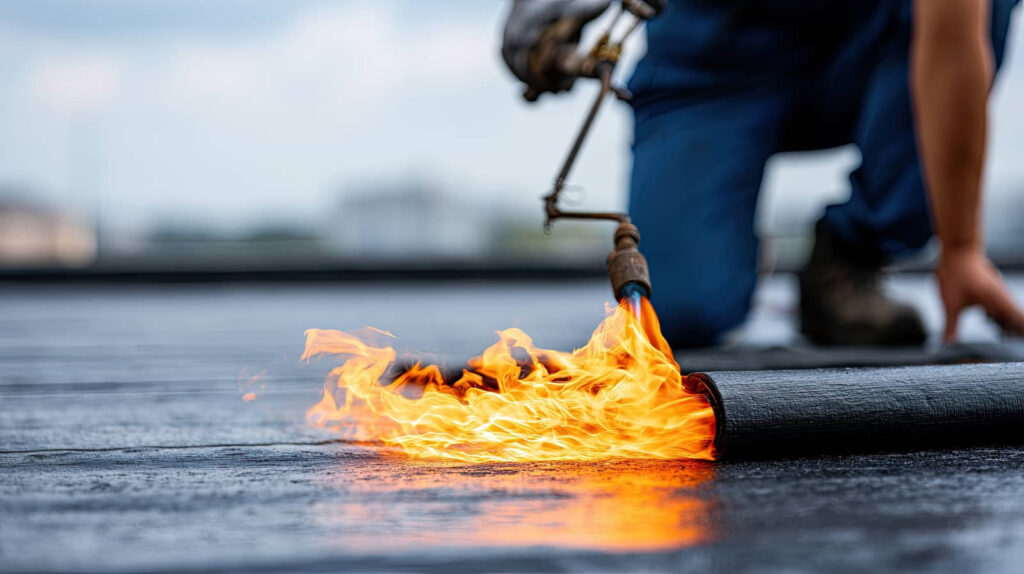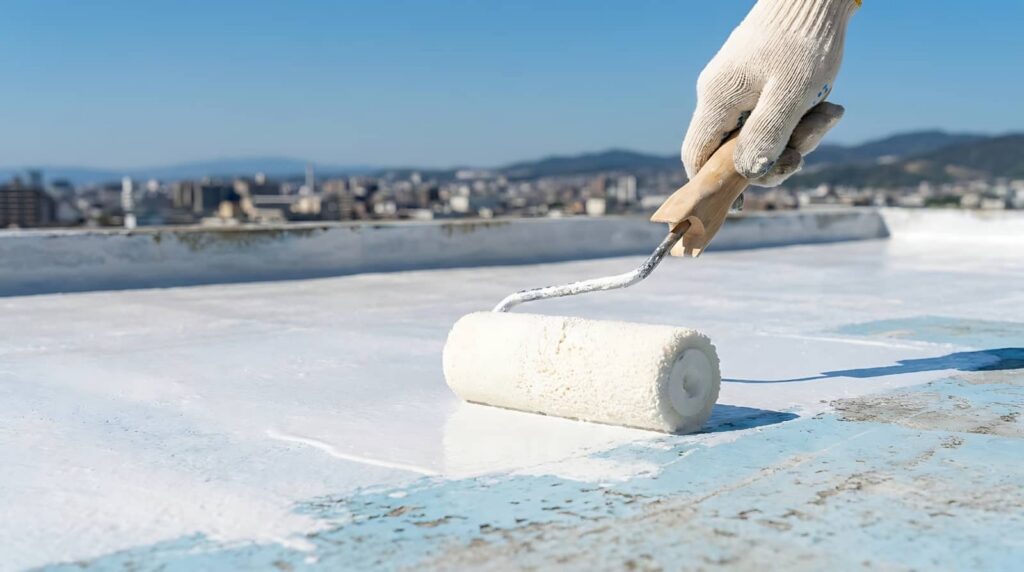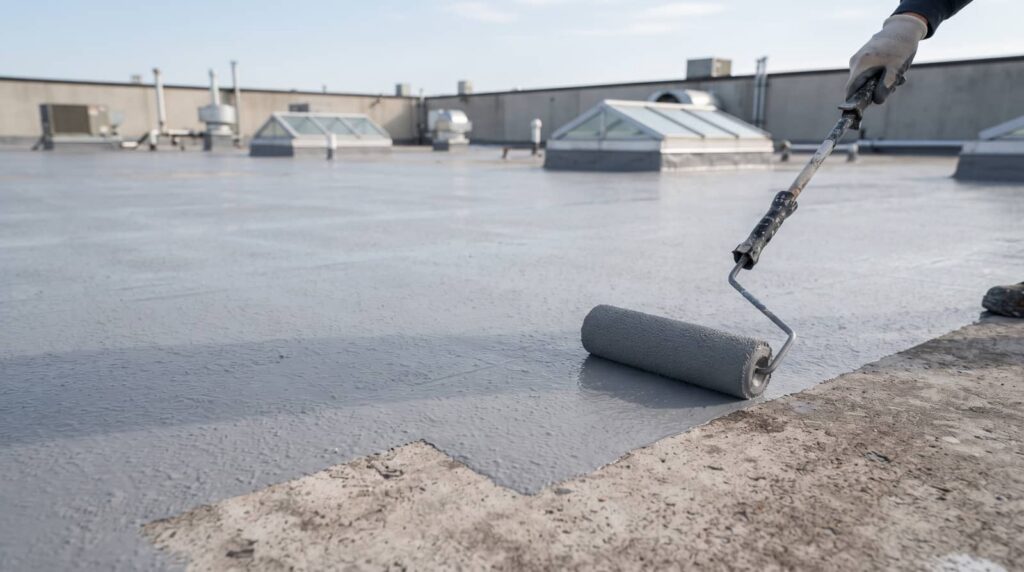
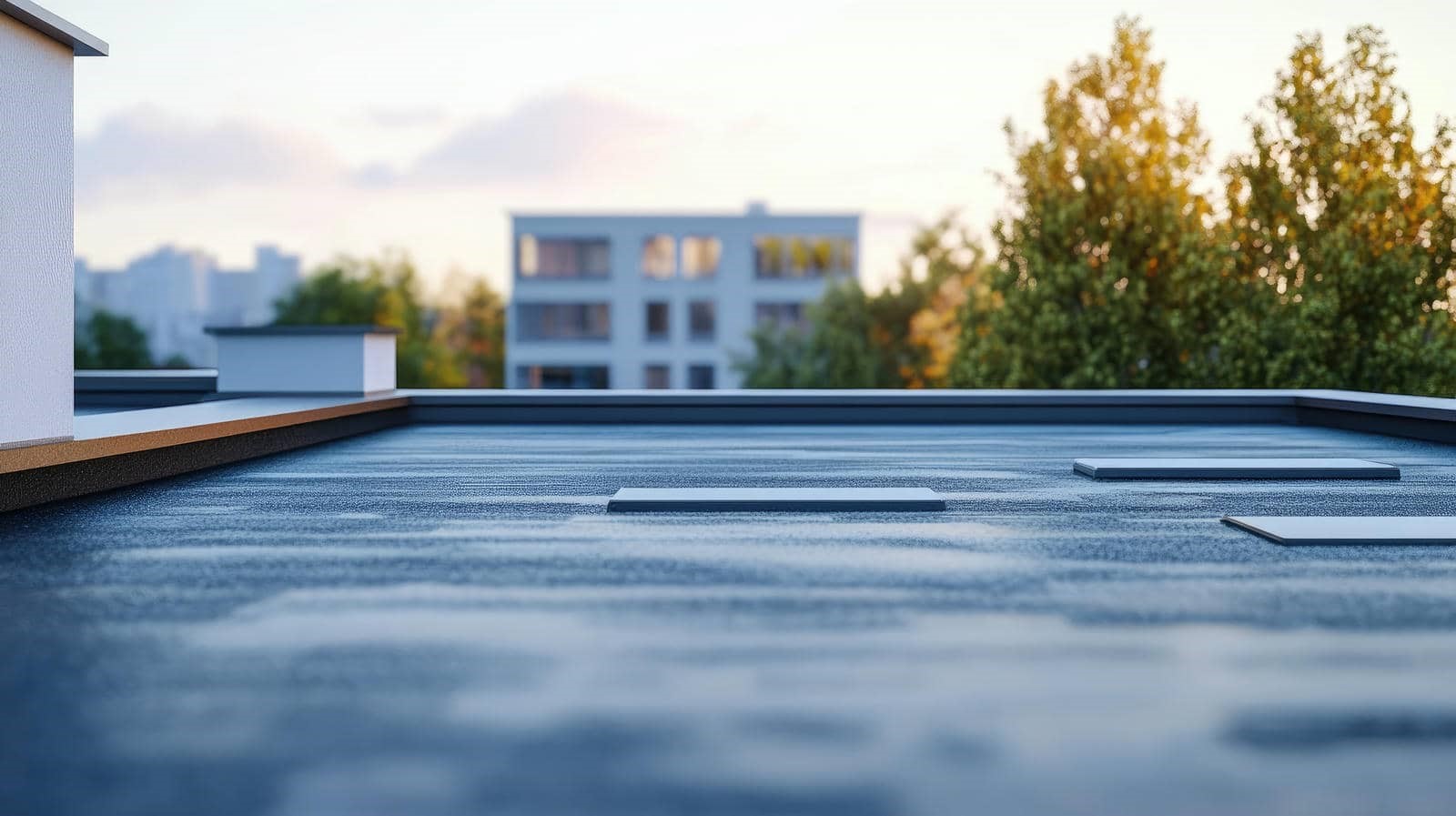
Imagine standing atop your flat roof, the sun beating down, radiating heat that seeps into your living space. Restoring your roof with energy efficiency in mind isn’t just about aesthetics; it’s a strategic roof restoration approach to enhance comfort and reduce costs. From evaluating its current condition to selecting the right materials, every step matters. What you choose to do next can greatly impact your energy bills and overall home performance.
Key Takeaways
- Conduct a thorough roof inspection to identify wear and potential issues before starting restoration efforts.
- Choose energy-efficient materials, such as reflective membranes, to lower cooling costs and enhance roof longevity.
- Upgrade drainage systems to prevent pooling, which maintains the roof’s integrity and improves energy efficiency.
- Implement proper insulation techniques to minimize air leaks and enhance thermal resistance for better energy performance.
- Consider incorporating green roof solutions for natural insulation, reduced heat absorption, and improved aesthetic appeal.
Assessing the Current Condition of Your Flat Roof
Before you plunge into any restoration work, it’s essential to assess the current condition of your flat roof. Start with a thorough roof inspection, looking for visible signs of wear, such as cracks, blisters, or pooling water. Each of these issues can indicate underlying problems that need addressing.
Next, conduct a damage assessment to determine the extent of any issues. Pay close attention to seams, flashing, and drainage systems, as these areas often experience the most stress. Use a moisture meter to identify hidden leaks or water damage, and don’t forget to check for mold or algae growth, which can compromise your roof’s integrity.
Document your findings meticulously, as this information will guide your restoration efforts. By taking these steps, you’ll ensure a solid foundation for your energy-efficient restoration project, fostering a sense of belonging within your community of fellow homeowners who value quality and sustainability.
Choosing Energy-Efficient Materials
When selecting materials for your flat roof restoration, consider energy-efficient options that can considerably reduce your energy costs and enhance overall comfort.
Opt for sustainable materials like reflective membrane roofing, which reflects sunlight, helping to keep your home cooler. This contributes to energy savings and prolongs the lifespan of your roof.
Additionally, consider using recycled materials, as they often offer excellent performance while minimizing environmental impact.
Green roofs, featuring vegetation, provide natural insulation and can greatly reduce heat absorption.
Don’t overlook the importance of durable materials that stand up to weather extremes, ensuring your investment lasts.
By prioritizing energy-efficient materials, you’ll create a more comfortable living space and contribute to a sustainable future.
You’re not just restoring a roof; you’re making a conscientious choice that benefits both you and the environment.
Implementing Proper Insulation Techniques
To maximize energy efficiency in your flat roof restoration, you need to select the right insulation material that meets your building’s specific needs.
Ensuring proper installation techniques is essential, as gaps or misaligned materials can greatly reduce effectiveness.
Additionally, evaluating the required R-value for your climate will guide your insulation choices, ensuring ideal thermal performance.
Choose Suitable Insulation Material
Choosing a suitable insulation material is vital for achieving ideal energy efficiency in flat roof restoration.
You’ll want to evaluate various insulation types such as rigid foam, spray foam, and fiberglass. Each offers distinct benefits, so a material comparison is essential.
Rigid foam provides high R-values and moisture resistance, making it effective in various climates. Spray foam, on the other hand, offers superior air sealing capabilities, reducing drafts and energy loss.
Fiberglass is often the most cost-effective option, though it may require additional barriers to prevent moisture issues.
Assess your specific needs, climate conditions, and budget to select the insulation that aligns best with your goals. This thoughtful choice can greatly enhance your roof’s energy efficiency and longevity.
Ensure Proper Installation Techniques
Selecting the right insulation material is just the beginning; verifying proper installation techniques plays a significant role in maximizing energy efficiency for your flat roof.
Following the correct installation methods and adhering to roofing standards can prevent costly issues down the line. Here are four essential installation tips:
- Seal Joints: Make sure all seams and joints are properly sealed to minimize air leaks.
- Layering: Use multiple layers of insulation for enhanced thermal resistance.
- Ventilation: Verify adequate ventilation to reduce moisture buildup, which can lead to mold and degradation.
- Professional Assessment: Consider hiring a qualified contractor to ensure compliance with roofing standards and best practices.
Assess R-Value Requirements
While evaluating insulation options for your flat roof, understanding R-value requirements is essential for ensuring ideal energy efficiency. R-value standards dictate the thermal resistance of insulation materials, impacting your roof’s performance.
Begin by examining your local climate; higher R-values are vital in colder regions to minimize heat loss. Make insulation comparisons between materials like fiberglass, foam board, and spray foam to identify which best meets your needs.
Each material has distinct R-values and installation techniques, so consider your budget, environmental impact, and longevity. Properly insulating your flat roof reduces energy consumption while enhancing comfort and durability, contributing to a sustainable living space you can be proud of.
Take the time to choose wisely—your roof’s efficiency starts with informed decisions.
Installing Reflective Roofing Systems
Installing reflective roofing systems can greatly enhance your building’s energy efficiency by reducing heat absorption.
You’ll benefit from lower cooling costs and improved indoor comfort during hot months.
Understanding the installation process is essential to ensure peak performance and longevity of your new roof.
Benefits of Reflective Roofing
When you opt for reflective roofing systems, you’re not just enhancing your building’s aesthetic; you’re also greatly improving its energy efficiency. The reflective benefits of these systems lead to substantial energy savings, making them a smart choice for any building owner.
Here are some key advantages:
- Lower Cooling Costs: Reflective surfaces deflect sunlight, reducing the need for air conditioning.
- Extended Roof Life: By minimizing heat absorption, reflective roofing can prevent premature wear and tear.
- Improved Indoor Comfort: Maintaining a cooler roof temperature translates to a more comfortable indoor environment.
- Environmental Impact: Reduced energy consumption means lower greenhouse gas emissions, contributing to a healthier planet.
Embracing reflective roofing is a practical step towards sustainability and cost efficiency.
Installation Process Overview
Reflective roofing systems offer numerous benefits, but proper installation is key to maximizing these advantages.
Start by evaluating your roof’s condition and addressing any underlying issues, as this will ensure a solid foundation.
During installation, you might face challenges like uneven surfaces or weather conditions that can affect timing.
Planning an accurate installation timeline is vital; aim for a clear day and allocate sufficient time for each phase, from material preparation to final inspection.
Utilize appropriate adhesives or fasteners to ensure a secure fit, and verify seams are properly sealed to enhance durability.
Incorporating Green Roof Solutions
How can you transform a traditional flat roof into a vibrant green space that enhances energy efficiency? Incorporating green roof solutions elevates aesthetics and offers significant benefits.
Here are four essential steps to take into account:
- Select the Right Plants: Choose drought-resistant, native species that thrive in your climate, ensuring minimal maintenance.
- Install a Proper Drainage System: Effective drainage is critical for preventing water accumulation and protecting your roof’s structure.
- Utilize Lightweight Soil Mixes: Opt for engineered soil designed for green roofs, promoting healthy plant growth while minimizing weight.
- Design for Accessibility: Create pathways or sitting areas, making the space usable for relaxation or sustainable landscaping activities.
These strategies contribute to energy efficiency and foster a sense of community, encouraging others to explore eco-friendly living.
Embrace the transformation into a thriving green oasis!
Regular Maintenance and Inspections
To maintain the energy efficiency and longevity of your flat roof, regular maintenance and inspections are essential. Establishing a maintenance schedule is vital to preventing costly repairs and ensuring peak performance.
Start by conducting routine roof cleaning to remove debris, moss, and algae, which can trap moisture and lead to deterioration. Inspect seams, flashings, and drains for signs of wear or leaks at least twice a year, especially after heavy storms or seasonal changes.
Document your findings to keep track of any emerging issues over time. It’s also wise to check insulation and ventilation, as improper airflow can affect energy efficiency.
Upgrading Drainage Systems for Efficiency
While many overlook the importance of drainage systems, upgrading them can greatly enhance your flat roof’s energy efficiency and longevity.
A well-planned drainage design is essential for effective water management, helping to prevent pooling and structural damage.
Here are four key upgrades you should consider:
- Install Larger Drains: Bigger drains can handle more water, reducing the risk of overflow during heavy rain.
- Incorporate Sumps: Adding sump pumps can facilitate the removal of standing water, ensuring efficient drainage.
- Use Sloped Insulation: This directs water towards drains, improving water flow and minimizing stagnation.
- Regularly Clean Gutters: Keeping gutters clear of debris prevents clogs, enhancing overall drainage performance.
Frequently Asked Questions
How Long Does a Flat Roof Restoration Typically Last?
A flat roof restoration typically lasts 15 to 25 years, depending on the restoration materials used and maintenance practices. Prioritizing quality materials enhances flat roof longevity, ensuring you enjoy a durable, efficient roofing solution for years.
What Are the Costs Associated With Flat Roof Restoration?
Restoring your flat roof can cost between $3,000 to $12,000, depending on materials. A cost breakdown typically includes restoration materials like membrane, insulation, and labor, ensuring you achieve lasting durability and energy efficiency for your home.
Can I DIY My Flat Roof Restoration Project?
You can DIY your flat roof restoration project if you have the right DIY materials and follow essential safety precautions. Make certain you research techniques and local regulations to achieve a successful and safe restoration.
What Permits Are Needed for Flat Roof Restoration?
You’ll need to check local permit requirements for flat roof restoration. Typically, you must comply with restoration guidelines, including structural assessments and materials compliance. Always consult your local building authority for specific regulations before starting.
How Does Weather Affect Flat Roof Restoration Timelines?
Weather patterns greatly impact your flat roof restoration timelines. Seasonal considerations, like temperature and precipitation, can delay work, affecting material adhesion and curing. Planning around these factors ensures a smoother, more efficient restoration process for you.
Final Thoughts
By taking these steps to restore your flat roof with energy efficiency in mind, you’re not just protecting your investment; you’re also creating a more sustainable living space. Remember, a penny saved is a penny earned—reducing energy costs now means more money in your pocket later. With the right materials, proper insulation, and regular maintenance, you can ensure your roof stands the test of time while enhancing your home’s comfort and efficiency.