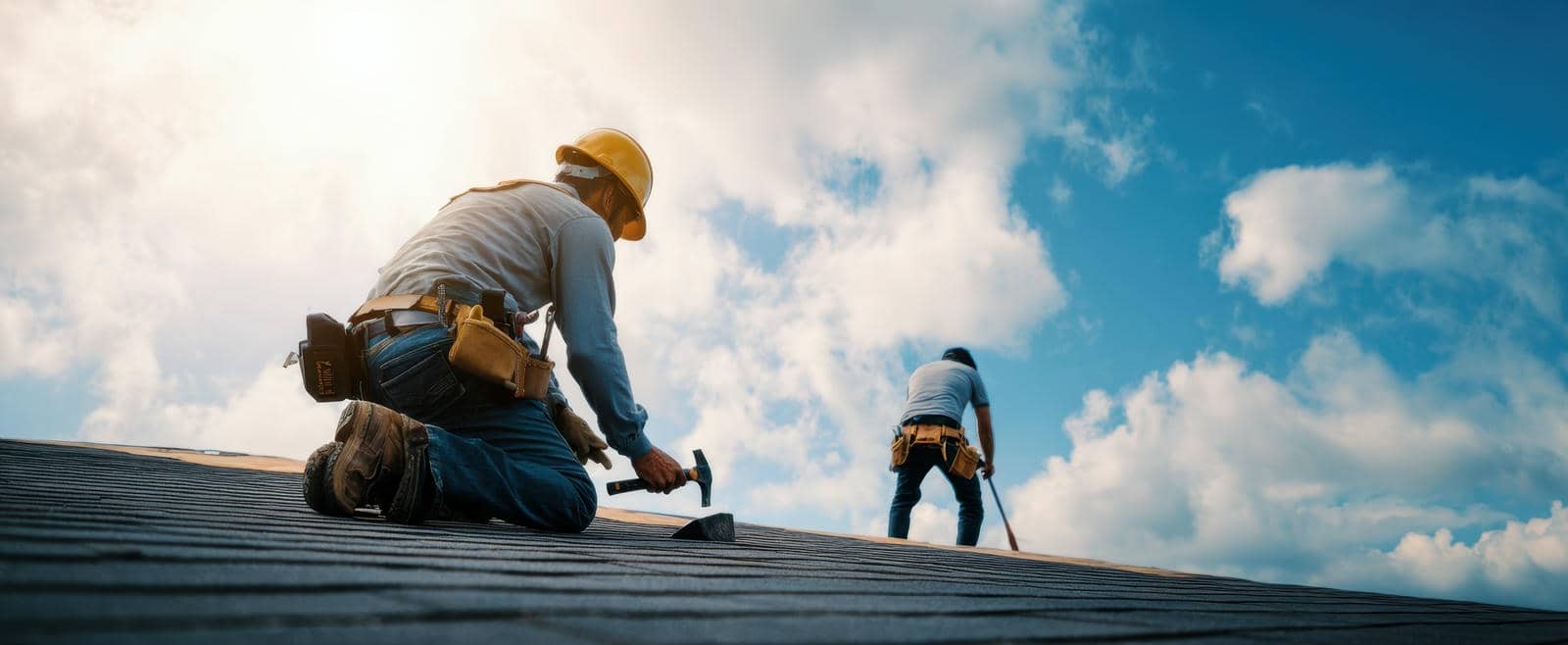
When it comes to selecting leak-resistant roofing materials, your choices can greatly impact your property’s longevity. You’ll want to take into account various factors, from climate to material quality. It’s vital to understand how these elements work together to prevent leaks and damage. By focusing on the right features and techniques, you can ensure a more secure roof. Let’s explore the essential tips that will guide you in making the best decision for your roof.
Key Takeaways
- Assess local climate conditions to choose materials that withstand temperature fluctuations and heavy rainfall effectively.
- Prioritize high-quality materials with proven durability to minimize future repair costs and enhance structural integrity.
- Research the manufacturer’s warranty for coverage details and ensure it includes protection against leaks and weather-related issues.
- Select roofing materials with advanced waterproofing features, such as PVC membranes or self-adhering properties, for enhanced performance.
- Ensure proper installation by certified professionals, including adequate ventilation and maintenance to prevent moisture buildup and leaks.
Assess Your Climate and Weather Conditions
When evaluating your climate and weather conditions, it’s important to reflect on how factors like temperature fluctuations, precipitation patterns, and wind intensity can impact your roofing choices.
Conducting a climate analysis helps you understand regional weather patterns that can dictate the durability and performance of roofing materials. For instance, if you live in an area with heavy rainfall, selecting a roof with excellent water drainage capabilities is vital.
Conversely, regions prone to extreme temperature changes may require materials that can expand and contract without compromising integrity. Wind intensity is another factor; roofs in high-wind areas need to be securely anchored and made from resilient materials.
By evaluating these variables, you can ensure your roofing system withstands the elements while maintaining its integrity over time, fostering a sense of security and belonging in your home.
Prioritizing these considerations leads to informed, effective roofing choices.
Choose High-Quality Materials
When selecting roofing materials, prioritize high-quality options that ensure durability and longevity.
Consider the reputation of the manufacturer, as well-established brands often provide superior products backed by warranties.
Investing in quality materials now can save you from costly repairs and replacements in the future.
Durability and Longevity
Durability is a critical factor in selecting roofing materials, as it directly impacts the longevity and performance of your roof.
When you conduct a material comparison, consider how different options stand up to weather conditions and wear over time. High-quality materials typically offer superior durability, which can greatly extend your roof’s lifespan.
For instance, metal roofs can last up to 50 years, while asphalt shingles average around 20 years. Investing in robust materials enhances the structural integrity of your roof and minimizes future repair costs.
Ultimately, selecting durable roofing materials ensures that your investment remains sound, providing peace of mind and a lasting shield against leaks and other potential issues.
Manufacturer Reputation
Choosing high-quality roofing materials often hinges on the reputation of the manufacturer, as this can greatly influence both performance and reliability.
When selecting a roofing brand, consider the following factors:
Brand Reliability: Look for manufacturers known for their consistent quality and dependable products.
Customer Reviews: Read reviews to gauge real-world performance and customer satisfaction.
Industry Certifications: Check if the manufacturer has relevant certifications that demonstrate adherence to standards.
Warranty Offerings: A robust warranty can indicate the manufacturer’s confidence in their products.
Consider Roof Slope and Design
While the aesthetics of a roof often capture attention, the slope and design play critical roles in determining its leak resistance. When considering your roof pitch, remember that steeper slopes facilitate water runoff, reducing the risk of pooling and subsequent leaks. A pitch of at least 4:12 is generally recommended for effective drainage.
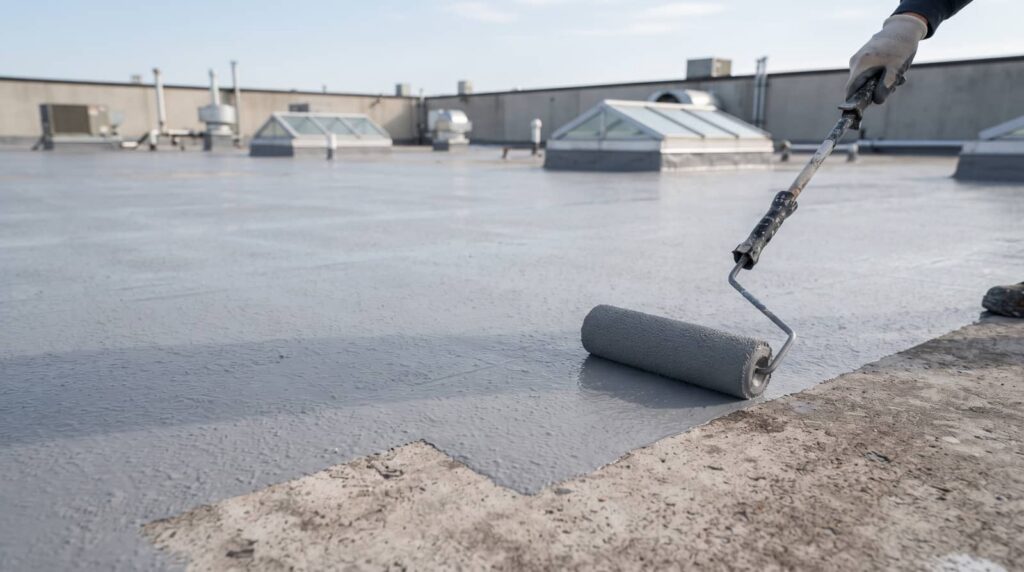
Incorporating design aesthetics with functional elements can enhance both appearance and performance. For example, a gabled roof design looks appealing and promotes better water flow. Conversely, a flat roof may require specialized materials and drainage systems to prevent leaks.
Prioritize materials that suit your roof’s slope and design, as these choices directly impact durability and longevity.
Evaluate Manufacturer’s Warranty
When selecting roofing materials, evaluating the manufacturer’s warranty is essential.
A longer warranty duration often indicates confidence in the product’s durability, while specific coverage details help you understand what’s and isn’t protected.
This analysis ensures you make an informed choice that aligns with your long-term roofing needs.
Warranty Duration Importance
Evaluating a manufacturer’s warranty is essential in selecting leak-resistant roofing materials. The duration of the warranty can greatly influence your investment and peace of mind.
Here are four key factors to examine:
Warranty Terms: Understand what the warranty covers and any exclusions that may apply.
Duration: Longer warranties often indicate manufacturer confidence in their product’s durability.
Warranty Transfers: Check if the warranty can be transferred to a new owner, enhancing your property’s value.
Claims Process: Familiarize yourself with how to file a claim and the required documentation.
Coverage Specifics Analyzed
Understanding the specifics of coverage under a manufacturer’s warranty is essential to ensure adequate protection against potential leaks. You should carefully evaluate the various coverage types offered, as they can differ considerably between materials.
For instance, some warranties may cover only manufacturing defects, while others extend to installation errors. When making material comparisons, consider how these coverage types align with your roofing needs.
Look for warranties that provide extensive coverage, including protection against leaks caused by weather-related issues. It’s also wise to check for any exclusions, as these could impact your long-term security.
Research Installation Techniques
While choosing the right leak-resistant roofing materials is essential, the installation techniques you employ can greatly impact their effectiveness. Proper installation methods are vital, and seeking professional guidance can ensure a secure fit.
Here are some key techniques to take into account:
Follow Manufacturer Guidelines: Always adhere to the specifications provided by the manufacturer to maintain warranty coverage and effectiveness.
Use Quality Sealants: Apply high-quality sealants at seams and edges to prevent water intrusion.
Ensure Proper Ventilation: Adequate ventilation helps reduce moisture buildup, which can lead to leaks and damage.
Inspect Regularly: After installation, conduct regular inspections to catch potential issues early and maintain the integrity of your roof.
Look for Advanced Waterproofing Features
After ensuring proper installation techniques, next on your list should be identifying roofing materials with advanced waterproofing features.
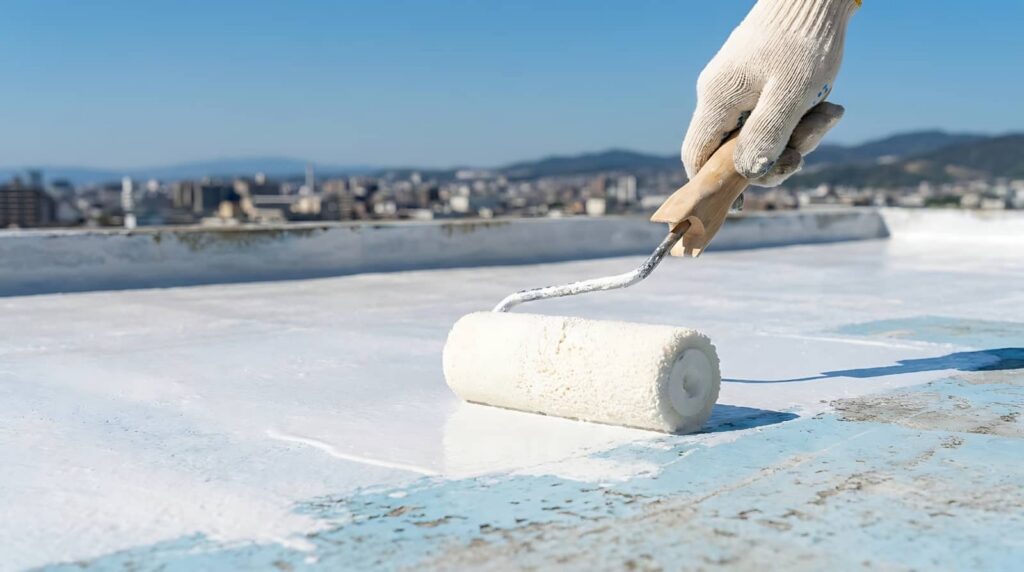
Look for products that incorporate the latest waterproofing technologies to create a robust barrier against moisture. These materials often utilize specialized coatings or treatments that enhance water resistance, ensuring longevity and protection.
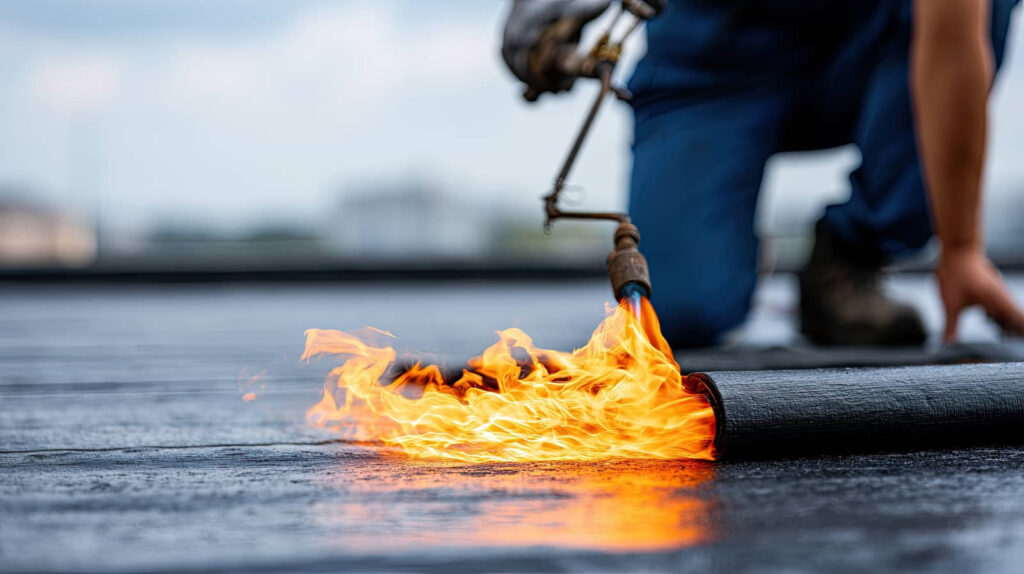
Consider membrane options like PVC or TPO, which are engineered for superior waterproofing performance.
These membranes are designed to withstand harsh weather conditions, preventing leaks and water intrusion. Additionally, some materials feature self-adhering properties, allowing for seamless installation and reducing the risk of failure at seams.
Prioritize Regular Maintenance and Inspections
To ensure your roofing system remains leak-free over time, prioritize regular maintenance and inspections.
By adhering to a structured approach, you can greatly extend your roof’s lifespan. Here are some key actions to incorporate into your maintenance schedules:
Conduct routine inspections at least twice a year, focusing on potential vulnerabilities like seams and flashings.
Clear debris from gutters and downspouts to ensure proper water drainage and prevent pooling.
Check for signs of wear, such as cracked shingles or rust on metal components, and address issues promptly.
Schedule professional assessments every few years for a thorough evaluation of your roofing materials.
Frequently Asked Questions
What Roofing Materials Are Best for Coastal Environments?
For coastal environments, you’ll want materials like metal, asphalt, or concrete tiles. These options offer coastal resilience and material durability, ensuring your roof withstands harsh weather, salt corrosion, and wind damage effectively.
How Can I Detect Hidden Roof Leaks?
To detect hidden roof leaks, conduct a thorough roof inspection, looking for moisture detection signs like water stains, mold, or damaged shingles. Regular checks help you maintain your roof’s integrity and ensure your home stays protected.
Are There Eco-Friendly Leak-Resistant Roofing Options?
Yes, you can choose eco-friendly leak-resistant roofing options like green roofing systems and sustainable materials such as recycled metal or rubber. These choices enhance durability while promoting environmental responsibility, benefiting your community and future generations.
How Often Should I Inspect My Roof for Leaks?
You should inspect your roof at least twice a year for leaks. Regular roof inspections are essential for leak prevention, ensuring you catch potential issues before they escalate into costly repairs or damage.
What Are the Signs of Wear in Roofing Materials?
You should look for roof age signs like curling shingles, cracks, or granule loss. Material deterioration appears as discoloration, leaking, or sagging. Regularly checking these indicators helps ensure your roof remains safe and effective.
Wrap-Up
In the quest for a leak-resistant roof, it’s essential to blend quality materials with expert installation, much like a master craftsman selecting the finest tools. By evaluating your unique climate, choosing durable options, and prioritizing maintenance, you protect your property and invest in its longevity. Remember, a well-maintained roof is your fortress against the elements, ensuring peace of mind as steadfast as the ancient walls that have withstood the test of time.