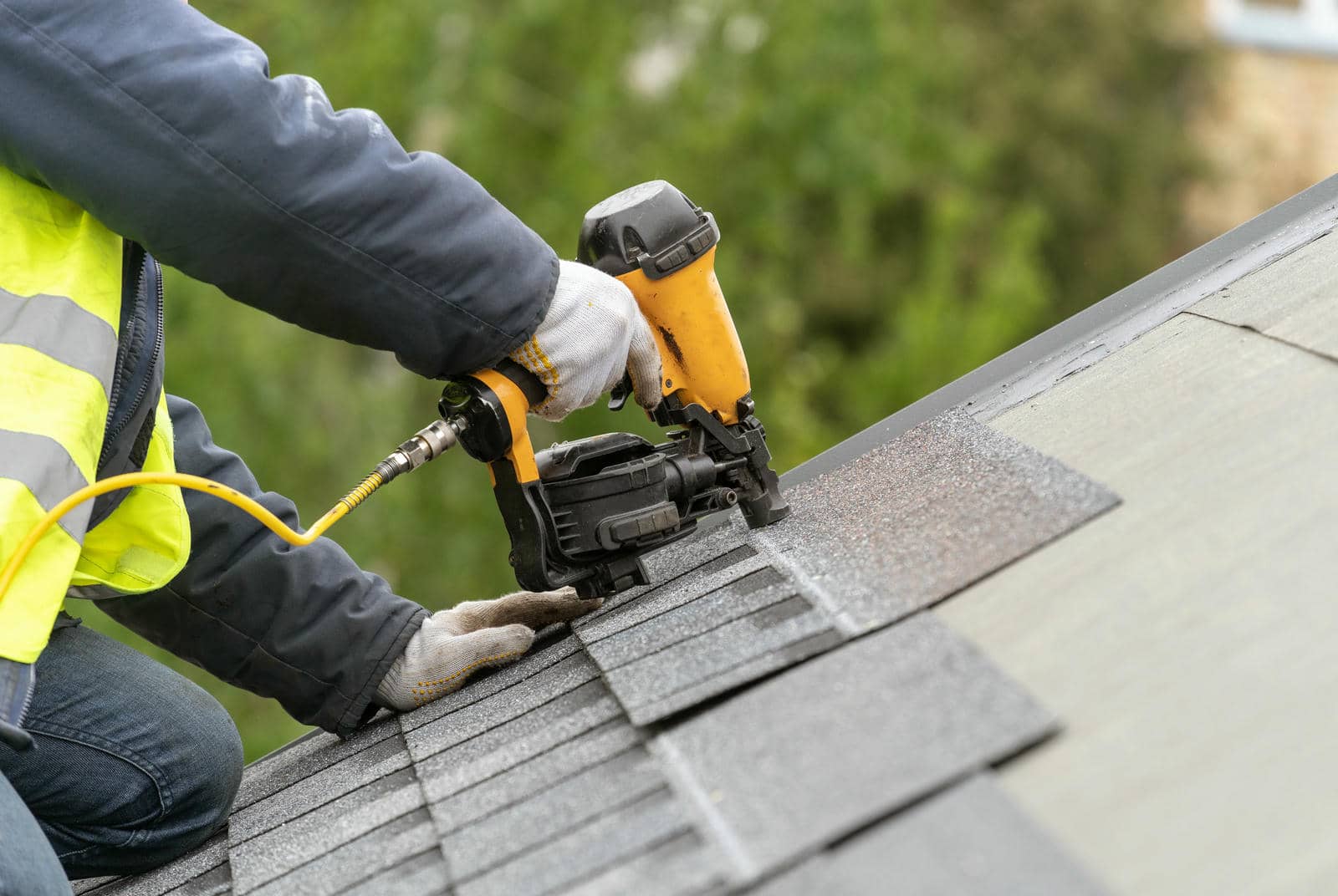
Choosing between asphalt shingles and metal roofing is akin to traversing a complex maze; both options present distinct advantages and challenges. Asphalt shingles offer a budget-friendly solution with straightforward installation, while metal roofing boasts resilience and energy efficiency. Each material’s performance can markedly impact your home’s longevity and maintenance. Understanding these factors can lead to a more informed decision, but which option aligns best with your specific needs and circumstances?
Key Takeaways
- Asphalt shingles are cost-effective and versatile, making them a popular choice for budget-conscious homeowners seeking aesthetic variety.
- Metal roofing offers durability and energy efficiency, reflecting solar heat and reducing long-term cooling costs.
- While asphalt shingles typically last 15 to 30 years, metal roofs can last 40 to 70 years, leading to potential long-term savings.
- Installation complexity and higher initial costs are factors to consider with metal roofing compared to easier, lower-cost asphalt shingle installation.
- Evaluate local climate, aesthetic preferences, and maintenance needs to make an informed decision between asphalt and metal roofing options.
Overview of Asphalt Shingle Roofing
When considering roofing options, asphalt shingle roofing stands out as a popular choice due to its affordability and versatility. One of the key aspects to appreciate is asphalt durability; these shingles can last between 15 and 30 years, depending on installation and climate factors.
To ensure you get the maximum lifespan from your roof, it’s essential to follow specific installation tips. For example, proper layering and adequate ventilation can greatly enhance performance and longevity. Additionally, be mindful of local building codes and weather conditions when selecting your shingles.
Choosing high-quality materials can also contribute to better durability and aesthetic appeal. As you weigh your options, remember that asphalt shingles meet practical needs and fit comfortably within a budget-conscious mindset.
This makes them a reliable choice for many homeowners looking to foster a sense of belonging in their community.
Advantages of Asphalt Shingles
Asphalt shingles offer several advantages that make them a popular choice for homeowners.
Their cost-effectiveness stands out, allowing you to achieve a durable roof without breaking the bank.
Additionally, the diverse aesthetic options and ease of installation further enhance their appeal, making them a practical solution for various roofing needs.
Cost-Effectiveness
Although many roofing materials compete for attention, asphalt shingles stand out for their cost-effectiveness. When you consider the initial investment, asphalt shingles typically require less upfront cash compared to metal roofing. This affordability makes them an attractive option for homeowners on a budget.
Additionally, while they may not last as long as metal options, asphalt shingles can still offer long-term savings through reduced installation and material costs. Their relatively easy installation can lead to lower labor expenses, ultimately contributing to overall economic viability.
Plus, with proper maintenance, asphalt shingles can perform effectively for many years, making them a practical choice for those looking to balance quality and cost. Investing in asphalt shingles can deliver both immediate and future financial benefits.
Diverse Aesthetic Options
While considering roofing options, you’ll find that asphalt shingles offer a wide range of aesthetic choices to complement any home style.
With an impressive color variety, these shingles allow you to personalize your home’s exterior, whether you prefer earthy tones or vibrant shades. This adaptability makes them suitable for various architectural styles, from traditional to modern. You can easily achieve the look that resonates with your community and enhances your home’s curb appeal.
Additionally, asphalt shingles can mimic more expensive materials, such as wood or slate, providing a luxurious appearance without the high cost. Ultimately, their diverse aesthetic options ensure that you can create a cohesive and inviting look that reflects your personal taste and blends seamlessly with your neighborhood.
Ease of Installation
When it comes to roofing options, the ease of installation is a significant advantage of asphalt shingles. You’ll find that their straightforward installation techniques can simplify the process, saving you time and money.
With less intricate labor requirements compared to metal roofing, asphalt shingles are often the preferred choice for many homeowners. Here are some key benefits:
- Speed: Installation can usually be completed in a fraction of the time.
- Fewer Tools: Requires minimal tools, making it accessible for DIYers.
- Lightweight: Easier to handle, reducing physical strain on installers.
- Flexibility: Accommodates various roof shapes and pitches effortlessly.
These factors contribute to a smoother, more efficient installation experience for you.
Disadvantages of Asphalt Shingles
Asphalt shingles may be a popular roofing choice, but they come with several notable disadvantages that homeowners should consider.
First, asphalt shingles can struggle with moisture retention, which may lead to mold and mildew growth over time. This isn’t just a cosmetic issue; it can compromise your roof’s integrity and your home’s air quality.
Additionally, asphalt shingles have fire susceptibility, especially if they’re not treated with fire-retardant materials. In areas prone to wildfires, this can pose a significant risk.
Moreover, asphalt shingles typically have a shorter lifespan compared to alternative roofing materials, often requiring replacement every 15 to 30 years. This could mean additional costs and labor for you down the line.
Ultimately, while asphalt shingles may fit your budget initially, it’s essential to weigh these disadvantages carefully against your long-term needs and concerns for safety and maintenance.
Overview of Metal Roofing
Metal roofing comes in various types, each offering distinct advantages that can enhance your home’s durability and energy efficiency.
As you consider this option, it’s crucial to understand the benefits of metal roofing, as well as the installation and maintenance factors involved.
This overview will help you make an informed decision about whether metal roofing is right for you.
Types of Metal Roofing
Roofing materials have evolved considerably, with metal roofing emerging as a popular choice among homeowners. Understanding the various types can help you make an informed decision.
Here are four common types of metal roofing:
Steel Panels: Known for durability and weather resistance, they’re often galvanized to prevent rust.
Aluminum Sheets: Lightweight and corrosion-resistant, aluminum is great for coastal areas.
Copper Roofing: Offers a unique aesthetic and longevity, though at a higher cost.
Corrugated Metal: Affordable and easy to install, it’s often used for agricultural buildings.
Each type has unique installation techniques and roof coatings that enhance energy efficiency.
Consider your specific needs and preferences when choosing the right metal roofing for your home.
Benefits of Metal Roofing
When considering roofing options, you might find that metal roofing offers several compelling advantages. One of the most significant benefits is its energy efficiency. Metal roofs reflect solar heat, which can lower your cooling costs during hot months, making your home more comfortable.
Additionally, metal roofing materials are often made from recycled content and can be recycled at the end of their lifespan, reducing their environmental impact. This sustainability aspect resonates well with those who prioritize eco-friendly choices in their homes.
Moreover, metal roofs are durable, resisting severe weather conditions, which can lead to long-term savings on repairs and replacements. Overall, metal roofing enhances your home’s aesthetic appeal and aligns with a responsible lifestyle.
Installation and Maintenance Considerations
Choosing metal roofing brings numerous benefits and involves specific installation and maintenance considerations.
To ensure a successful installation and long-lasting performance, keep these key points in mind:
Installation Techniques: Proper alignment and fastening are essential for peak performance.
Underlayment: Use a quality underlayment to enhance moisture protection and insulation.
Fasteners: Choose corrosion-resistant fasteners to avoid deterioration over time.
Regular Inspections: Schedule periodic checks to identify wear, rust, or loose panels.
Advantages of Metal Roofing
While asphalt shingles have been a popular choice for many homeowners, metal roofing offers several distinct advantages that can enhance the durability and efficiency of your home. One major benefit is energy efficiency; metal roofs reflect solar heat, keeping your home cooler and reducing cooling costs. Additionally, metal roofing boasts a lower environmental impact, as it’s often made from recycled materials and is fully recyclable at the end of its life.
| Advantage | Description |
|---|---|
| Longevity | Can last 40-70 years, outlasting shingles. |
| Energy Efficiency | Reflects solar heat, reducing cooling bills. |
| Environmental Impact | Made from recycled materials, recyclable. |
| Fire Resistance | Non-combustible, offering safety benefits. |
Disadvantages of Metal Roofing
Although metal roofing has many advantages, it also presents several disadvantages that homeowners should consider before making a decision.
Here are some key points to keep in mind:
Metal Noise: Rain or hail can create significant noise on a metal roof, which might be disruptive for some homeowners.
Thermal Conductivity: Metal roofs can absorb and transfer heat, leading to increased cooling costs in hotter climates unless properly insulated.
Denting: While durable, metal roofing can be susceptible to dents from heavy impacts, which may affect its appearance and performance.
Initial Cost: Although metal roofing lasts longer, the upfront investment can be higher compared to traditional materials like asphalt shingles, making it a tougher decision for budget-conscious homeowners.
Cost Comparison and Longevity Analysis
When comparing the costs and longevity of asphalt shingles and metal roofing, it’s essential to look at both initial and long-term financial implications.
Asphalt shingles typically have lower installation costs, making them a budget-friendly choice for homeowners. However, they usually last around 15 to 30 years, which can lead to more frequent replacements.
On the other hand, metal roofing tends to have higher upfront costs but boasts a lifespan of 40 to 70 years, depending on the material used. This means you could save on replacement costs over time.
Additionally, consider maintenance expenses; metal roofs often require less upkeep.
Ultimately, while asphalt shingles may seem appealing due to their lower initial costs, investing in metal roofing can offer better value in the long run. Balancing these factors will help you make an informed decision that aligns with your financial goals and homeownership aspirations.
Wrap-Up
In the end, your choice between asphalt shingles and metal roofing paints a vivid picture of your home’s future. Picture the immediate warmth of affordable shingles against the backdrop of long-lasting, shimmering metal that promises resilience through storms. Each option has its own palette of advantages and drawbacks, reflecting your budget and lifestyle. By carefully weighing these factors, you can craft a roof that protects your home and enhances its character for years.