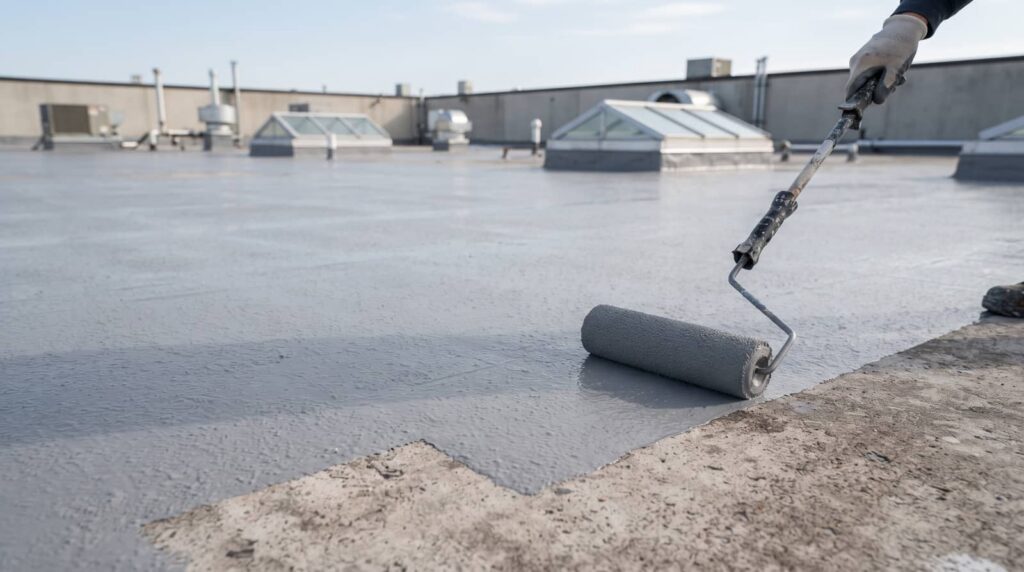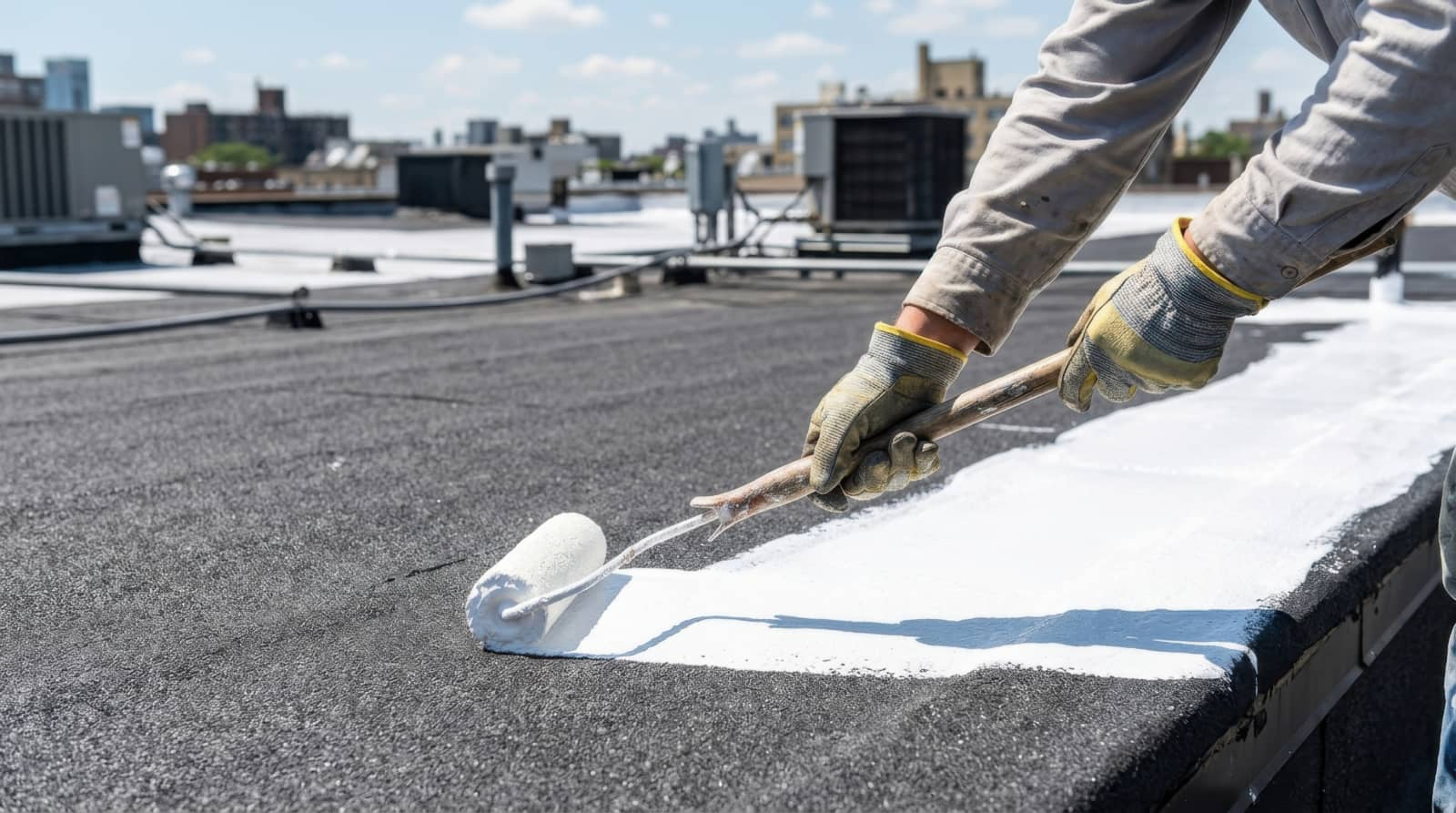
When you compare commercial flat roof systems, you’ll see costs shift fast by material, roof size, slope, and labor scope. TPO and PVC usually land lower to mid-range, while EPDM sits mid-range and modified bitumen or built-up roofing push higher because they need more labor and layers. Tear-off, access, and maintenance can change the total just as much as the membrane itself, and that’s where the budget starts to tighten.
Key Takeaways
- TPO and PVC are usually lower-cost options, while EPDM is mid-range and metal systems cost more upfront but last longer.
- Material choice, roof size, and layout complexity strongly affect total flat roof pricing and installation labor.
- Larger roofs often cost more overall, though per-square-foot pricing may drop with scale.
- Tear-off, access difficulty, and specialized labor can significantly increase roofing project costs.
- Budget for inspections, repairs, and contingencies because maintenance and hidden damage raise lifetime costs.
Commercial Flat Roof Costs by Material
Commercial flat roof costs vary considerably by material, so you need to compare installed pricing, service life, and maintenance demands before setting a budget.
For commercial flat roof systems cost, you’ll usually see TPO and PVC at the lower-to-mid range, EPDM near the middle, and modified bitumen or built-up roofing higher when labor and layering add up.
Metal systems often cost more upfront, but they can deliver longer service life and better lifecycle value.
If you’re part of a facility team planning upgrades, focus on the full cost picture, not just the quote.
Match the membrane to your roof’s use, exposure, and replacement horizon, and you’ll make a stronger capital decision with your peers.
Key Factors That Affect Flat Roof Cost
You’ll see flat roof cost move first with material type, since membrane performance, labor demand, and accessory requirements change the unit price.
Roof size and complexity also matter, because larger areas, penetrations, drains, and irregular layouts increase installation time and detailing costs.
When you compare budgets, you should weigh both inputs together, not just the base square-foot rate.
Material Type Impact
Material type is one of the biggest cost drivers in a flat roof budget because each system carries different installed costs, service life expectations, and maintenance requirements.
You’ll usually see lower upfront pricing with modified bitumen or built-up roofing, while TPO and EPDM often balance cost with easier installation and moderate longevity.
PVC typically costs more, but you gain stronger chemical resistance and seam performance.
If you’re planning capital improvements, compare not just purchase price but also warranty terms, repair frequency, and energy performance.
A cheaper membrane can raise lifecycle spend if it needs more frequent maintenance or earlier replacement.
Roof Size Complexity
Roof size and layout complexity can shift flat roof costs just as much as membrane choice, because larger roofs require more material, labor, and time to install.
You’ll also see higher costs when your roof includes offsets, parapets, penetrations, or multiple elevations, since each detail slows production and raises flashing demands.
Complex geometry reduces crew efficiency and increases the chance of waste, especially when seams must be cut around equipment or drains.
If you manage a portfolio, you already know that standardized layouts help teams control bids and schedule work with less risk.
You should compare square footage, access, and detailing together, not in isolation.
That way, you can budget accurately and align your capital plan with your roof team’s real installation burden.
How Size and Slope Affect Price
Larger commercial flat roofs usually cost more because crews need more labor, materials, equipment time, and site coordination to cover the expanded area.
You’ll also see price per square foot shift as the roof gets bigger, since suppliers and contractors can spread some fixed costs over more area.
Slope changes pricing too. Even a low-slope roof can require added edge detail, tapered insulation, or drainage planning to move water efficiently.
As pitch increases, installers need extra safety measures and may use different systems, which can raise material and setup costs.
You can keep your budget tighter by measuring accurately, checking drainage paths, and matching the roof assembly to your building’s geometry.
That way, you and your team can plan with fewer surprises and better cost control.
Commercial Flat Roof Labor and Tear-Off Costs
After you’ve accounted for roof size and slope, labor and tear-off often become the next major cost drivers.
You’ll typically pay more when crews need specialized equipment, difficult access, or extra safety controls. Labor rates reflect crew size, project duration, and local market demand, so you should compare bids by scope, not just total price.
Tear-off adds cost when workers must remove multiple membrane layers, wet insulation, or heavy ballast, because disposal and hauling increase quickly. If your deck needs careful protection, contractors may slow production to avoid damage, which raises labor hours.
When you review estimates, look for clear line items for removal, staging, and cleanup. That transparency helps you stay aligned with contractors and make confident budget decisions.
What Maintenance and Repairs Cost
Even a well-installed flat roof needs ongoing maintenance, and those costs can add up over the service life of the system. You’ll usually budget for inspections, drain cleaning, seam checks, and minor sealant work.
Expect routine visits to catch ponding, punctures, and flashing separation before they spread. Small repairs often stay affordable, but deferred issues can drive up labor, material, and access costs fast.
If your roof sees heavy foot traffic or harsh weather, you may need more frequent service and more patching. Thermal movement, UV exposure, and membrane aging also increase repair frequency.
When you track maintenance line items separately, you can compare contractors accurately and stay in control with your facilities team.
How to Budget for Roof Replacement
When maintenance costs start rising or repairs become recurring, you should shift from short-term fixes to a replacement budget.
First, estimate installed cost by roof type, insulation, tear-off scope, and edge metal details. Then add contingency for hidden deck damage, code upgrades, and weather delays.
You should spread the total across your capital plan, usually over three to seven years, so you’re not caught off guard. Include inspection fees, permits, and disposal charges in your forecast.
If you track lifecycle data with your facility team, you’ll make smarter bids and stay aligned with peers managing similar assets.
Compare quotes on equal specifications, not just price. That way, you’ll protect cash flow, reduce risk, and keep your building in the right maintenance community.
Frequently Asked Questions
How Long Do Commercial Flat Roofs Typically Last?
You’ll typically get 15 to 30 years from a commercial flat roof, depending on membrane type, installation quality, climate, and maintenance. You can extend service life with inspections, timely repairs, and drainage upkeep.
Can Flat Roofs Qualify for Energy Efficiency Tax Credits?
Yes, you can claim them—because apparently roofs now moonlight as tax-savvy energy heroes. You’ll qualify if your flat roof improves insulation, reduces heat gain, or supports qualifying solar upgrades under current federal or local rules.
What Warranties Are Standard for Commercial Flat Roof Systems?
You’ll typically see 10–30 year manufacturer warranties and 1–20 year contractor workmanship warranties. You should verify coverage for materials, leaks, wind, and ponding water, because exclusions and maintenance requirements can limit protection.
How Often Should Commercial Flat Roofs Be Inspected?
You should inspect your commercial flat roof twice yearly, like a sentry scanning the horizon, and after storms. You’ll catch membrane stress, drainage issues, and flashing failures early, protecting your team’s shared investment.
Are Roof Coatings Worth the Investment for Businesses?
Yes, you’ll often see strong returns from roof coatings if your roof is sound. They reduce leaks, reflect heat, extend service life, and delay replacement, so you can protect budgets and keep operations running.
Summary
When you weigh commercial flat roof costs, you’re not just comparing materials—you’re charting the load-bearing path of your budget. TPO and PVC can keep upfront costs lighter, while EPDM, modified bitumen, and built-up systems may demand more capital and labor. As roof size, slope, tear-off, and maintenance stack up, your price can rise like a tide. If you plan ahead, you’ll turn uncertainty into a measured investment, not a costly leak.