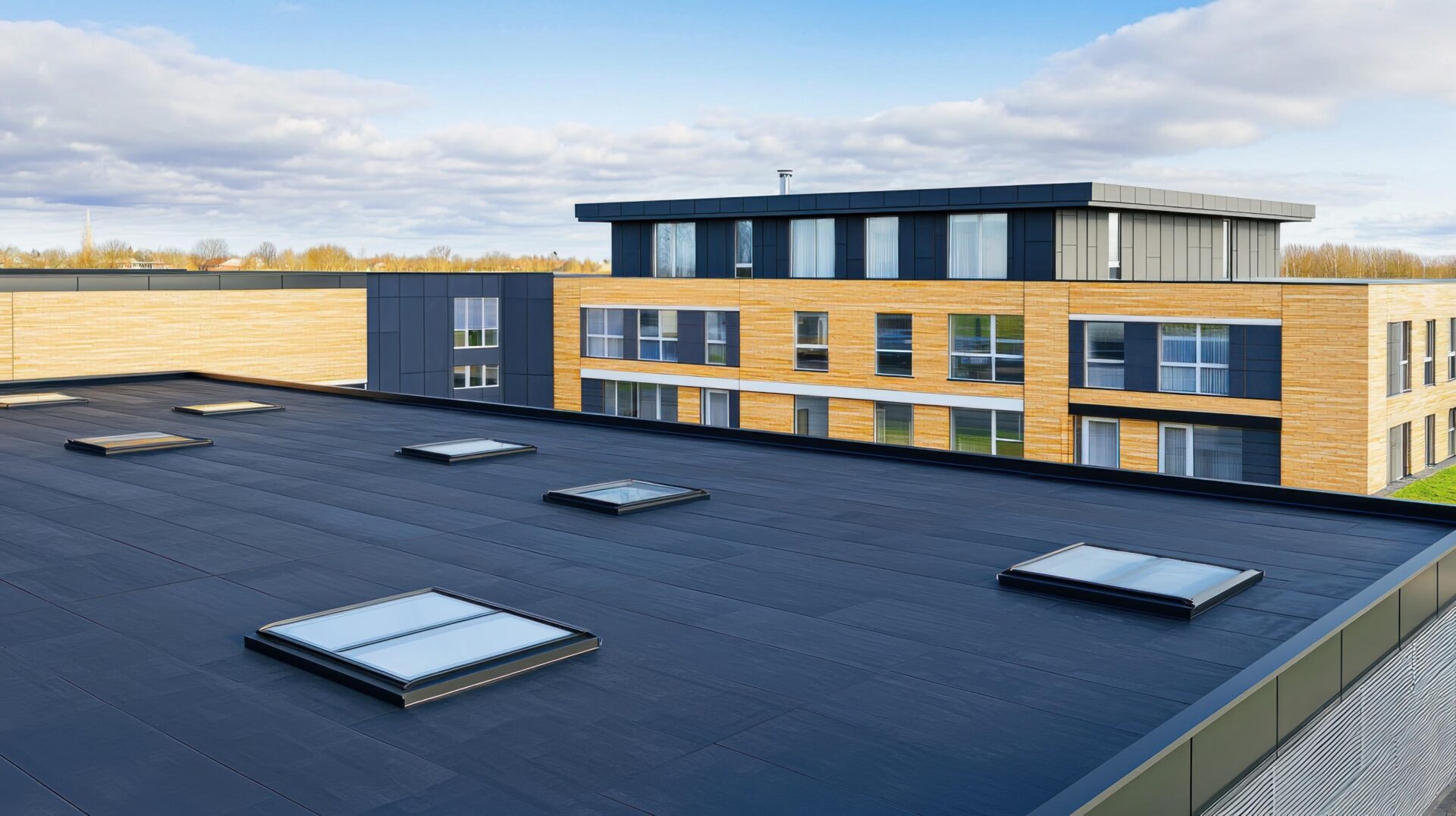
When it comes to flat roof replacement, finding cost-effective solutions doesn’t mean compromising on quality. You can achieve a durable and reliable roof without draining your finances. By exploring various affordable materials and installation techniques, you can ensure long-term benefits that contribute to your home’s overall value. Understanding the options available might surprise you and help you make an informed choice that fits your budget. What are the best materials to take into account?
Key Takeaways
- Budget-friendly flat roof options, like TPO and EPDM, provide cost-effective materials that enhance energy efficiency and reduce long-term expenses.
- Affordable roofing solutions typically require minimal maintenance, lowering overall lifetime costs and upkeep efforts.
- Choosing budget-friendly materials does not compromise durability, as many options offer longevity and reliable performance with proper installation.
- Many budget-friendly roofing systems come with warranties, providing financial protection and peace of mind for homeowners.
- Selecting a cost-effective flat roof can improve your home’s value and curb appeal without breaking the bank.
Understanding Flat Roof Replacement Costs
When considering a flat roof replacement, it’s essential to grasp the costs involved to make informed decisions.
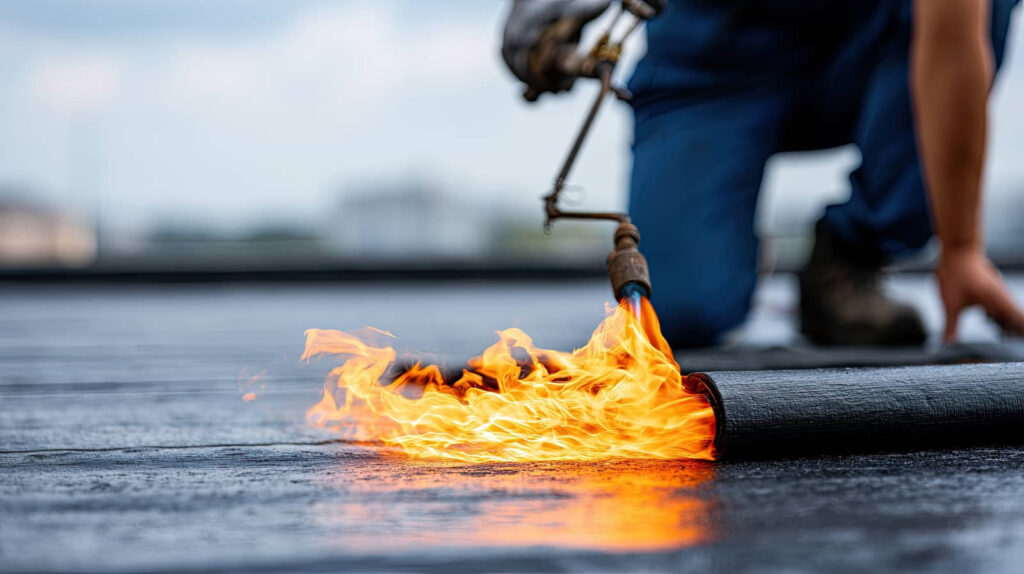
Different flat roof types, such as EPDM, TPO, and modified bitumen, vary greatly in price, influencing your overall budget. The materials you choose will directly impact the cost factors, including labor, installation, and long-term maintenance.
You should also account for your roof’s specific condition; if extensive repairs are needed before installation, expect additional costs.
Geographic location plays a role, too, as labor rates and material availability fluctuate.
Affordable Materials for Flat Roofs
While selecting materials for your flat roof, it’s essential to balance affordability with durability. You’ll find several options that fit the bill without breaking the bank. One popular choice is TPO (Thermoplastic Olefin), known for its cost-effectiveness and energy efficiency. It provides excellent UV resistance and can greatly reduce your cooling costs.
Additionally, consider EPDM (Ethylene Propylene Diene Monomer) rubber, which is budget-friendly and offers longevity and easy installation.
Don’t overlook the importance of affordable insulation as well. Proper insulation can enhance energy efficiency, reducing heating and cooling bills over time.
Benefits of Asphalt Roofing Systems
When considering flat roof replacement, asphalt roofing systems stand out for their cost-effectiveness and impressive durability.
You’ll appreciate the longevity they offer, ensuring you won’t face frequent replacements.
Plus, the easy installation process saves you both time and money, making it a smart choice for your budget.
Cost-Effectiveness
Although many roofing materials are available, asphalt roofing systems stand out for their cost-effectiveness and durability.
When you conduct a cost analysis, you’ll find that asphalt roofing often comes in at a notably lower price point compared to other materials. This is especially beneficial if you’re working within budget constraints, as asphalt provides a reliable solution without sacrificing quality.
Its installation is straightforward, which can save you on labor costs as well. Furthermore, asphalt roofs require minimal maintenance, allowing you to keep long-term expenses low.
By choosing asphalt, you’re not just making a wise financial decision; you’re also joining a community that values affordability and quality in home improvement.
Embrace the smart choice that fits your budget and lifestyle!
Durability and Longevity
Asphalt roofing systems offer cost-effective solutions and excel in durability and longevity, making them a top choice for homeowners.
With the right flat roof materials, you can ensure your home withstands the test of time. Asphalt roofs typically last 15 to 30 years, depending on installation and maintenance, providing you with long-term peace of mind.
Their exceptional weather resistance protects against rain, snow, and UV rays, minimizing the risk of leaks and damage.
By choosing asphalt, you’re investing in a robust roofing solution that enhances your home’s value and appeal.
You’ll be part of a community that values quality, dependability, and smart investment, ensuring your roof remains a reliable shield for years.
Easy Installation Process
Choosing asphalt roofing systems means benefiting from a streamlined installation process that saves you both time and money.
With easy installation techniques, your new roof can be set up quickly, minimizing disruption to your daily life. The lightweight nature of asphalt allows for faster handling and less labor-intensive application, making it a preferred choice for both contractors and homeowners.
You’ll appreciate how quickly your roof can be completed without compromising quality. This efficiency cuts labor costs and reduces the time your space remains under construction.
By opting for asphalt, you’re joining a community of homeowners who’ve prioritized budget-friendly solutions without sacrificing performance or aesthetics.
Trust in a quick setup that delivers lasting results.
Exploring Rubber Membrane Options
When considering flat roof options, rubber membranes offer impressive benefits, including durability and weather resistance.
You’ll find that understanding the installation process can simplify your decision-making, ensuring you choose the right solution for your budget.
Plus, we’ll share cost-effective maintenance tips to keep your rubber roof in top shape without breaking the bank.
Benefits of Rubber Membrane
If you’re considering a flat roof replacement, rubber membrane options offer numerous advantages that can greatly enhance your home’s durability and energy efficiency.
These membranes are lightweight, making them easier to install compared to traditional materials, which can reduce installation challenges. Additionally, rubber membranes provide excellent waterproofing, protecting your home from leaks and water damage.
Their reflective properties can help lower energy bills by reducing heat absorption, benefiting both your wallet and the environment. Plus, many rubber membranes are made from recycled materials, minimizing your environmental impact.
Installation Process Overview
While understanding the installation process of rubber membranes is essential for a successful flat roof replacement, it’s important to know that this method is both straightforward and efficient.
You’ll typically start by preparing the surface, ensuring it’s clean and dry for maximum adhesion. Next, you’ll choose between various installation techniques, such as fully adhered, mechanically attached, or ballasted systems.
Each option offers unique advantages depending on your project timelines and specific needs. After laying the membrane, seams are sealed, ensuring watertight integrity.
This process maximizes durability and enhances energy efficiency, making it a smart choice for your flat roof. By following these steps, you’ll feel confident in achieving a reliable, budget-friendly roofing solution.
Cost-Effective Maintenance Tips
To maintain the longevity and performance of your rubber membrane flat roof, it’s crucial to adopt cost-effective maintenance practices.
Start with regular inspections, checking for cracks or tears that could lead to costly repairs later. Implement preventive measures like clearing debris and ensuring proper drainage to avoid water pooling.
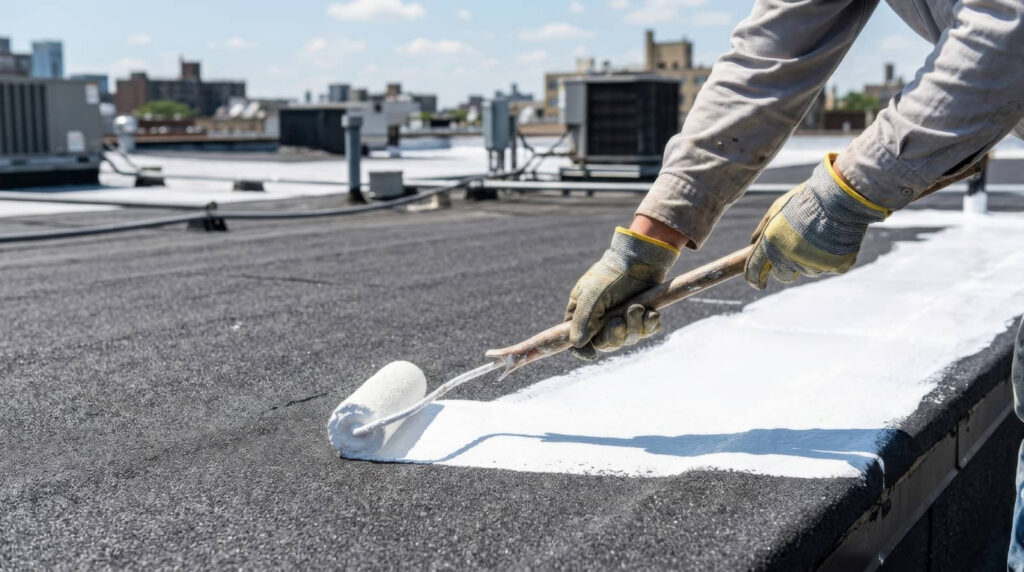
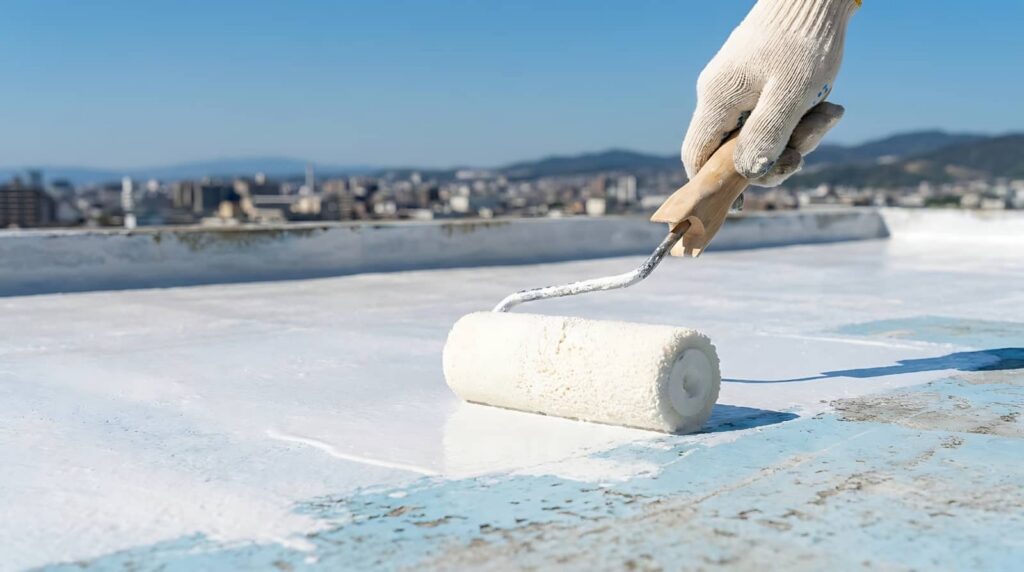
Create a budget plan for maintenance tasks—allocating funds for necessary repairs can save you money in the long run. Consider using a roof coating to enhance the membrane’s durability and reflectivity, which can also lower energy costs.
The Value of TPO Roofing Solutions
TPO (Thermoplastic Olefin) roofing solutions offer exceptional value for budget-conscious homeowners looking to replace their flat roofs. One of the key TPO advantages is its energy efficiency; the reflective surface helps reduce cooling costs, making it an eco-friendly choice.
Plus, TPO is resistant to UV rays, chemicals, and punctures, ensuring durability that can withstand harsh weather conditions. When it comes to TPO installation, you’ll appreciate the straightforward process that cuts down on labor costs and time, allowing you to enjoy your new roof sooner.
Choosing TPO means you’re not just investing in a roof; you’re joining a community of homeowners who prioritize quality and sustainability.
With its balance of affordability and performance, TPO roofing solutions provide a reliable option that aligns with your budget and values. Embrace the benefits of TPO and make sure your home is protected without breaking the bank.
Importance of Proper Installation Techniques
Making sure that your flat roof is installed correctly is essential for maximizing its lifespan and performance. Proper installation techniques enhance durability and prevent costly repairs in the long run. You’ll want to focus on proper sealing, as this minimizes the risk of leaks and water damage, which can severely affect your roof’s integrity.
| Installation Technique | Benefits |
|---|---|
| Accurate Measurements | Makes for a snug fit, reducing gaps |
| Quality Materials | Enhances durability and resilience |
| Proper Sealing | Prevents leaks and water damage |
| Experienced Labor | Ensures adherence to best practices |
Long-Term Savings With Energy-Efficient Roofs
Investing in energy-efficient roofing can greatly reduce your long-term expenses while enhancing your home’s comfort. By choosing materials designed for energy efficiency, you can considerably lower your heating and cooling costs. These roofs reflect sunlight, keeping your home cooler in the summer and reducing the strain on your HVAC system. As a result, you’ll notice a decrease in your monthly utility bills, making it a smart long-term investment.
Moreover, many energy-efficient roofing options come with warranties that last for decades, providing peace of mind and further savings. These roofs often qualify for tax credits and rebates, adding to your financial benefits.
Maintenance Tips for Flat Roof Longevity
While flat roofs offer distinctive advantages like space efficiency and modern aesthetics, their longevity relies heavily on regular maintenance. To ensure your roof stands the test of time, commit to preventive inspections at least twice a year. This proactive approach helps you spot potential issues before they escalate, saving you costly repairs down the line.
In addition, make routine cleaning a priority. Remove debris, leaves, and dirt, as these can trap moisture and lead to leaks. Keep drains and gutters clear to facilitate proper water flow.
Don’t forget about the seams and flashing; check for any signs of damage or wear. Addressing minor concerns promptly helps maintain the integrity of your roof.
Choosing the Right Contractor for Budget Projects
When selecting a contractor for your budget-friendly flat roof project, it’s essential to prioritize experience and reputation over the lowest bid. Look for contractor qualifications that showcase a proven track record in flat roof replacements. Reviews from previous clients can reveal a lot about their reliability and quality of work.
Don’t hesitate to ask for references; this connection can provide peace of mind. Additionally, consider the contractor’s ability to meet project timelines. A reputable contractor will provide a clear schedule, ensuring your project stays on track and minimizes disruption to your life.
While saving money is important, investing in a quality contractor can save you from future headaches and costly repairs. By choosing wisely, you’ll belong to a community that values quality and ensures your investment stands the test of time.
Final Thoughts
Choosing budget-friendly flat roof replacement options saves you money upfront and ensures long-term value. By investing in energy-efficient materials and proper installation, you can enjoy lower utility bills while enhancing your home’s durability. Make informed choices today, and you’ll reap the benefits tomorrow, keeping your financial stability intact while safeguarding your investment.