Many homeowners overlook the vital role of proper insulation in roof installation, which can greatly impact energy efficiency and comfort. By understanding the specific flat roof types and the materials best suited for your climate, you can make informed decisions that prevent costly mistakes. As you explore the essential steps and tools for a successful installation, you’ll discover how to enhance your home’s value and longevity. Are you ready to ensure your roof stands the test of time?
Key Takeaways
- Choosing these tips ensures proper material selection, enhancing durability and energy efficiency for long-lasting roof performance.
- Emphasizing insulation and preparation helps prevent moisture issues and maintains a comfortable indoor environment year-round.
- Utilizing essential tools and following a structured installation process promotes safety and efficiency, reducing the risk of errors.
- Avoiding common mistakes minimizes the likelihood of leaks and structural damage, extends the roof’s lifespan, and reduces repair costs.
- Knowing when to call a professional ensures complex issues are handled by experts, maintaining the integrity of the roofing system.
Understanding Flat Roof Types
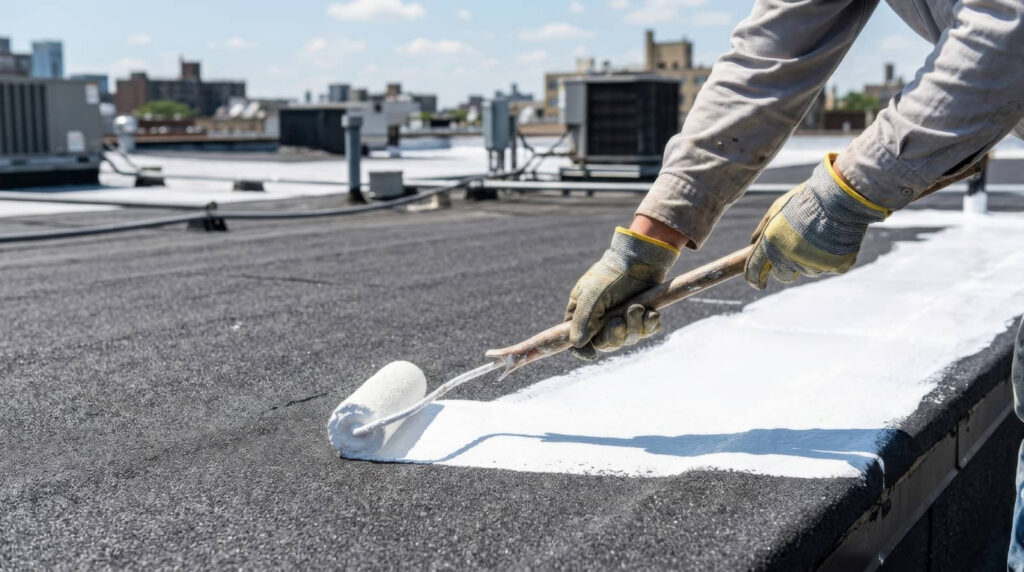
When you’re considering a flat roof for your building, it’s essential to understand the various types available, as each offers distinct advantages and challenges.
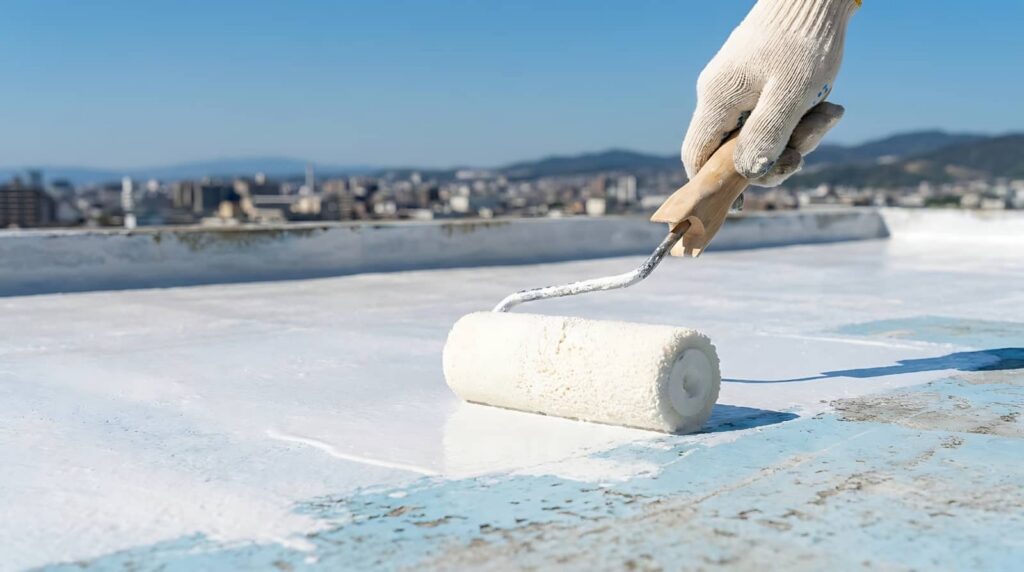
Flat roofs typically come in several materials, including EPDM, TPO, and modified bitumen. Each type has its own flat roof benefits; for instance, EPDM is known for its durability and cost-effectiveness, while TPO boasts energy efficiency and UV resistance.
However, it’s vital to recognize flat roof challenges as well. These roofs can be prone to pooling water, which might lead to leaks if not properly maintained.
Additionally, they may require more frequent inspections and repairs compared to sloped roofs. By weighing these benefits and challenges, you can make informed decisions that align with your building’s needs and your budget.
Ultimately, your choice should enhance your property’s functionality while fitting within your community’s architectural character.
Importance of Proper Insulation
Proper insulation is essential for your roof’s performance, impacting energy efficiency and reducing utility bills.
It also plays an important role in moisture control, preventing damage to your home over time.
Energy Efficiency Benefits
Ensuring your roof is properly insulated enhances energy efficiency and significantly contributes to your home’s overall comfort and cost savings.
By investing in high-quality insulation, you’ll experience significant energy savings throughout the year. Proper insulation improves thermal performance, maintaining a consistent indoor temperature regardless of seasonal changes.
This means your heating and cooling systems won’t have to work as hard, leading to lower energy bills and a reduced carbon footprint. Plus, a well-insulated roof can create a more pleasant living environment, keeping your home cozy during winter and cool in summer.
Ultimately, prioritizing insulation during roof installation is a smart move that benefits both your wallet and your family’s comfort. Make the choice that ensures your home thrives.
Moisture Control Importance
High-quality insulation boosts energy efficiency and plays a pivotal role in moisture control within your home.
By effectively utilizing moisture barriers, you can prevent excess humidity from infiltrating your living spaces, which can lead to mold growth and structural damage.
Proper insulation goes hand in hand with effective drainage solutions, ensuring that water is directed away from vulnerable areas of your roof and walls.
This proactive approach protects your investment and enhances your home’s overall comfort and safety.
By prioritizing moisture control during your roof installation, you’re creating a healthier environment for your family.
Enhanced Comfort Levels
When you invest in effective insulation during your roof installation, you’re not just enhancing energy efficiency; you’re also greatly improving your home’s comfort levels.
Proper insulation acts as a barrier against extreme weather, helping maintain a stable interior temperature year-round. This means fewer drafts in winter and a cooler environment in summer, making your home a true sanctuary.
Comfort upgrades like high-quality insulation can markedly reduce your energy bills while providing a cozy atmosphere. By prioritizing insulation, you create a welcoming space for family and friends, fostering a sense of belonging.
Ultimately, a well-insulated roof translates to a healthier, more comfortable living environment that you’ll appreciate every day. Choose wisely, and enjoy the benefits of enhanced comfort in your home.
Selecting the Right Materials
When selecting roofing materials, you need to take into account durability, climate compatibility, and the balance between cost and quality.
Choosing materials that withstand local weather conditions will ensure your roof lasts longer and performs better.
Investing in high-quality options now can save you money on repairs and replacements down the line.
Material Durability Considerations
Choosing the right roofing materials is crucial for ensuring the longevity and optimal performance of your roof. You want to take into account both material lifespan and weather resistance to protect your home effectively. Here’s a quick overview of common materials:
| Material | Lifespan |
|---|---|
| Asphalt Shingles | 15-30 years |
| Metal | 40-70 years |
| Slate | 75-100 years |
| Tile | 50-100 years |
Investing in high-quality materials ensures that your roof withstands the elements, reducing maintenance costs and extending its lifespan. Remember, a durable roof enhances your home’s aesthetic appeal and contributes to your overall comfort and security. Make informed choices to create a solid investment in your home’s future.
Climate Compatibility Factors
Selecting roofing materials isn’t just about durability; it’s also about how well they perform in your local climate. Understanding your climate zone is essential.
For instance, if you live in a region with heavy snowfall, you’ll want materials that can support significant weight and resist moisture. Conversely, in areas prone to extreme heat or UV exposure, reflective materials can improve energy efficiency and protect your home.
Consider the common weather patterns in your area—those frequent storms or high winds can dictate the type of shingles or tiles that will withstand the elements.
Cost vs. Quality Balance
While it might be tempting to prioritize the lowest price when sourcing roofing materials, investing in quality often pays off in the long run. You’ll want to balance your budget considerations with the assurance that your roof will withstand the elements and last for years.
Choosing high-quality materials ensures better durability, reducing the likelihood of costly repairs in the future. Remember, a well-constructed roof protects your home and enhances its value.
Preparing Your Roof Structure
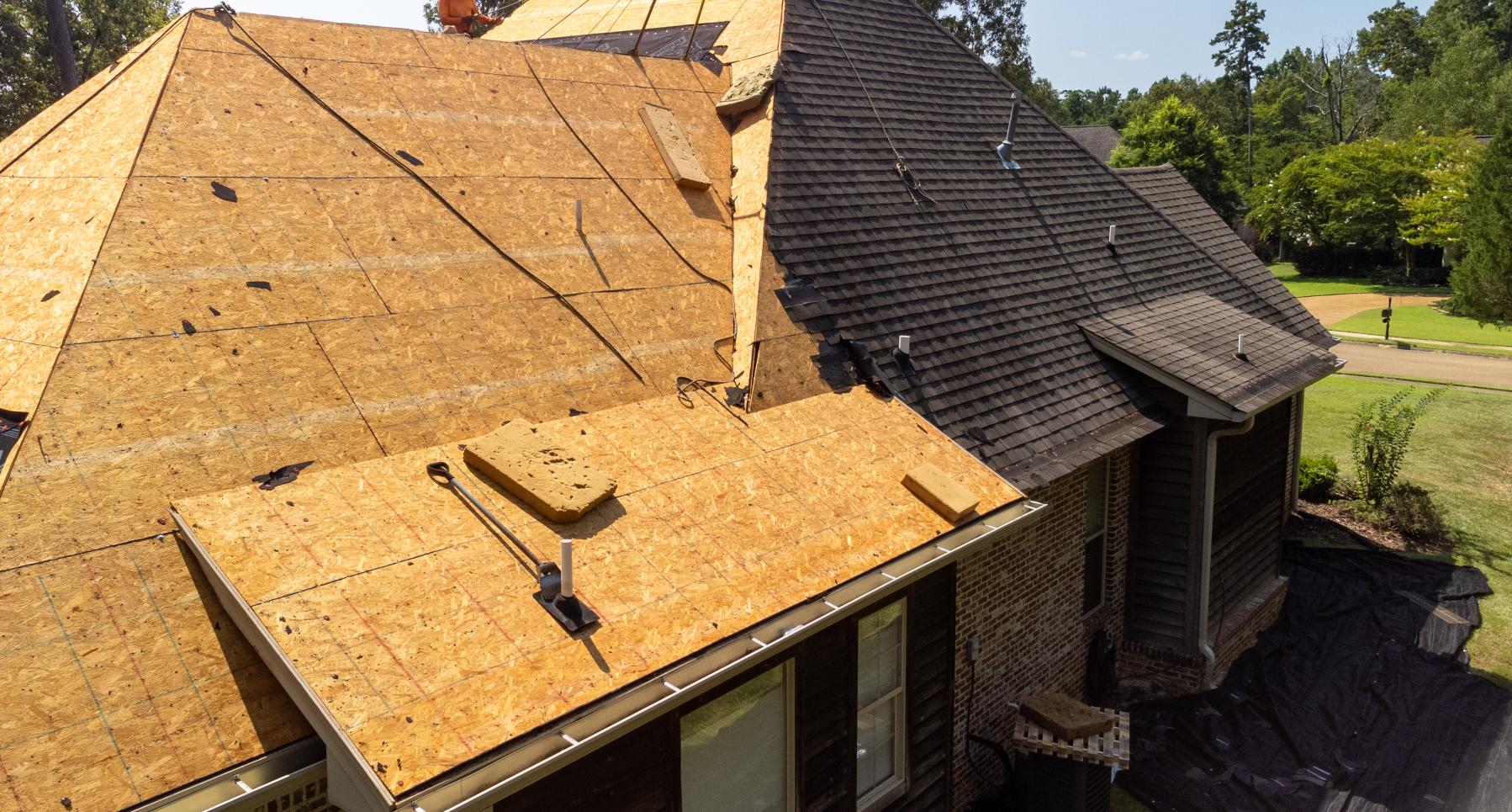
Preparing your roof structure is essential for ensuring a successful installation and long-term durability. Start by inspecting your roof framing to confirm it meets local building codes. Any damaged or weak areas can compromise the structural integrity of the entire roof, so address these issues before proceeding.
Make sure that your rafters and trusses are properly aligned and securely fastened. This will provide a solid foundation for your new roofing material.
Next, check for adequate ventilation and insulation in the attic space. Proper airflow helps prevent moisture buildup, which can lead to mold and rot, ultimately impacting your roof’s lifespan.
Don’t forget to clear away any debris or old roofing materials, as a clean workspace allows for a smoother installation process. By taking these steps, you create a robust and reliable roof structure that supports both your investment and your peace of mind.
Essential Tools for Installation
Having the right tools on hand is vital for a successful roof installation. You’ll want to gather quality roofing tools and installation equipment to ensure everything goes smoothly.
Start with a sturdy ladder for safe access to your roof, and don’t forget a harness for added safety. A roofing nail gun can greatly speed up the process, while a hand hammer remains a reliable backup for precision work.
Additionally, invest in a chalk line to help you maintain straight lines when laying shingles. A utility knife is essential for cutting materials, and a pry bar will assist in removing old shingles.
You’ll also need a measuring tape, safety goggles, and gloves to protect yourself during the project. By equipping yourself with these vital tools, you’ll enhance your efficiency and foster a sense of belonging among fellow DIY enthusiasts who value preparation and professionalism in roof installation.
Step-by-Step Installation Process
To successfully install a roof, follow these essential steps that ensure a solid and durable result.
Prioritizing roof safety and proper installation techniques is vital for a successful project. Here’s a simple breakdown:
Prepare the Area: Clear debris and lay down tarps to protect your surroundings.
Remove Old Roofing: Strip the existing roofing material carefully, ensuring you don’t damage the underlying structure.
Inspect and Repair: Check for any damage to the roof deck or framing and make necessary repairs before proceeding.
Install New Roofing: Apply the underlayment, followed by your chosen roofing material, ensuring proper overlap to prevent leaks.
Common Mistakes to Avoid
While installing a roof, it’s crucial to be aware of common mistakes that can compromise its integrity and longevity. One frequent error is neglecting proper measurements; inaccurate cuts can lead to gaps, resulting in roof leaks. Always double-check your dimensions before making any cuts.
Another common installation error is inadequate underlayment. Failing to use a high-quality underlayment can expose your roof to moisture, increasing the risk of leaks. Be sure to install the underlayment correctly and overlap seams to enhance waterproofing.
Additionally, not securing shingles properly can lead to wind damage and premature wear. Make sure you follow the manufacturer’s guidelines for nailing patterns and spacing.
Finally, don’t overlook ventilation; inadequate airflow can lead to moisture buildup and structural issues. By avoiding these pitfalls, you’ll set yourself up for a successful roof installation that stands the test of time.
Maintenance Tips for Longevity
Proper maintenance is essential for ensuring your roof lasts as long as possible.
By taking proactive steps, you can protect your investment and maintain your home’s integrity.
Here are some vital maintenance tips:
Regular Roof Cleaning: Remove debris, leaves, and moss to prevent water damage and promote proper drainage.
Seasonal Inspections: Check your roof at least twice a year, ideally in spring and fall, for any signs of wear or damage.
Address Issues Promptly: If you spot missing shingles or leaks, don’t wait. Quick repairs can save you from costly replacements later.
Gutter Maintenance: Clean gutters regularly to ensure water flows freely, preventing overflow that can damage your roof and foundation.
When to Call a Professional
How can you tell when it’s time to bring in a professional for your roof? Recognizing the right moments to consult an expert can save you time, money, and stress.
If you notice leaks, missing shingles, or significant wear and tear, these are clear signs that need help. Additionally, if your roof is over 20 years old, it may be wise to seek a professional evaluation.
Don’t overlook the importance of safety—if your project involves steep slopes or complex structures, it’s best to leave it to the pros.
When a repair is beyond your skill level or requires specialized tools, that’s another signal to consult a roofing expert.
Wrap-Up
By following these roof installation tips, you’re laying shingles while crafting a protective shield against the elements, much like a knight donning armor before battle. Proper insulation, high-quality materials, and meticulous preparation ensure your home remains resilient through storms and sun alike. Regular maintenance acts as your watchful sentinel, guarding against future issues. And remember, when in doubt, calling a professional can save you from costly missteps, making sure your roofing fortress remains strong and steadfast.