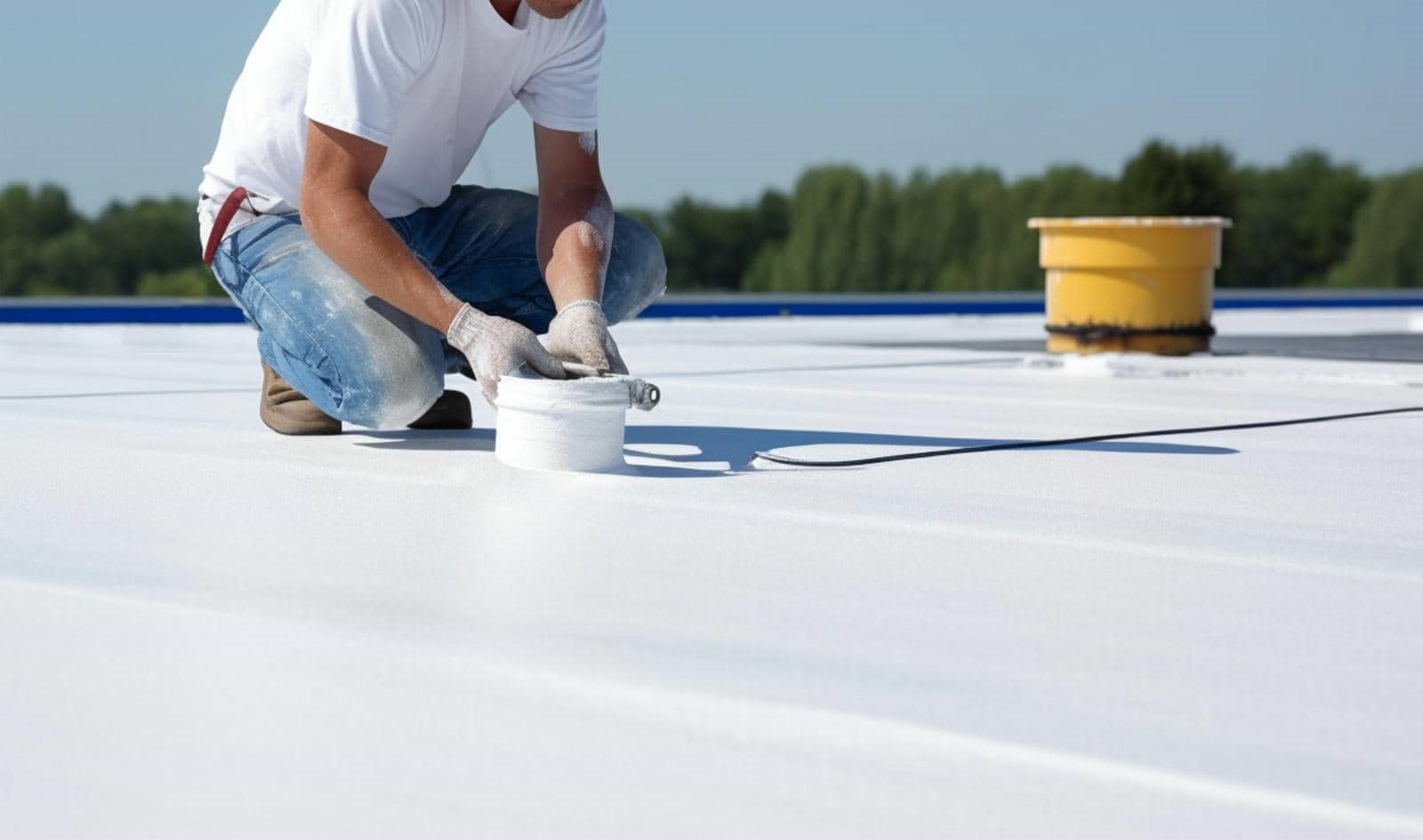
Imagine your flat roof as a shield that protects your home from the elements. Just like armor needs maintenance to withstand battle, your roof requires weather-resistant coatings to fend off moisture, UV rays, and temperature shifts. These specialized coatings prolong your roof’s lifespan and enhance energy efficiency. But how do you choose the right one, and what factors should you consider? Let’s explore the essential aspects of weather-resistant coatings for flat roofs.
Key Takeaways
- Weather-resistant coatings protect flat roofs from moisture, UV radiation, and temperature fluctuations, enhancing durability and longevity.
- Types include acrylic, silicone, polyurethane, and hybrid options, each offering unique benefits for various environments.
- These coatings improve energy efficiency by reflecting sunlight, reducing cooling costs, and contributing to a sustainable living environment.
- Proper surface preparation and application techniques are crucial to ensure effective adhesion and long-lasting performance of the coatings.
- Regular maintenance, including inspections and cleaning, is essential to maintain the integrity and effectiveness of weather-resistant coatings.
Definition of Weather-Resistant Coatings
Weather-resistant coatings are specialized materials designed to protect flat roofs from various environmental challenges. These coatings enhance the durability of your roof by providing a robust barrier against moisture, UV radiation, and temperature fluctuations.
The coating composition typically includes polymers and additives that improve adhesion and flexibility, allowing it to expand and contract with changing weather conditions. This adaptability is essential for maintaining weather resistance over time.
When you choose the right weather-resistant coating, you’re investing in the longevity of your roof. These materials prevent leaks and water damage and reduce energy costs by reflecting sunlight.
Understanding the specific coating composition and its properties can help you select the best option for your needs. By taking these factors into account, you ensure your flat roof remains protected and functional, fostering a sense of security and belonging in your living or working environment.
Types of Weather-Resistant Coatings
Choosing the right weather-resistant coating involves understanding the various types available on the market. You’ll encounter several options, each with unique properties.
Acrylic coatings are popular for their flexibility and UV resistance, while silicone coatings excel in waterproofing and durability. Polyurethane coatings offer robust chemical resistance, making them suitable for industrial settings.
Recent coating innovations have introduced hybrid options that combine the best features of these materials, enhancing performance and lifespan.
When considering your choice, don’t overlook the environmental impact. Water-based coatings often reduce volatile organic compounds (VOCs), making them a more sustainable option.
Additionally, reflective coatings can improve energy efficiency by lowering rooftop temperatures, benefiting both your building and the environment.
Benefits of Using Weather-Resistant Coatings
When you apply weather-resistant coatings to your flat roof, you’re investing in durability and long-term protection. These coatings offer a benefits overview that includes enhanced resistance to water damage, UV rays, and extreme temperatures. By shielding your roof from these elements, you greatly reduce the risk of leaks and structural degradation.
Moreover, you’ll experience long-term savings on repairs and maintenance, as these coatings extend the lifespan of your roof. This means fewer unexpected expenses and a lower total cost of ownership over time.
Additionally, many weather-resistant coatings improve energy efficiency by reflecting sunlight, which can lower your cooling costs.
Ultimately, using weather-resistant coatings protects your investment and contributes to a sustainable living environment. Embracing these solutions fosters a sense of community, as you join others in prioritizing longevity and environmental responsibility in your roofing choices.
Application Process for Flat Roofs
To ensure peak adhesion and performance, you’ll need to focus on thorough surface preparation before applying weather-resistant coatings.
This involves cleaning the roof surface and repairing any damage.
Once prepared, you can utilize specific application techniques to effectively apply the coating and achieve long-lasting protection.
Surface Preparation Steps
Surface preparation is essential for achieving a durable and effective weather-resistant coating on flat roofs.
Start by conducting a thorough substrate assessment to identify any issues like cracks, blisters, or moisture damage. This step ensures you’re aware of what you’re working with.
Next, perform surface cleaning to remove dirt, debris, and any loose materials. You can use power washing or a suitable cleaning solution, depending on the roof type. Make sure the surface is completely dry before proceeding.
Address any repairs needed on the substrate to create a solid foundation for the coating.
Following these steps will set you up for success, ensuring your weather-resistant coating adheres properly and performs as intended for years to come.
Application Techniques Overview
The successful application of weather-resistant coatings on flat roofs requires several key techniques to ensure ideal adhesion and durability.
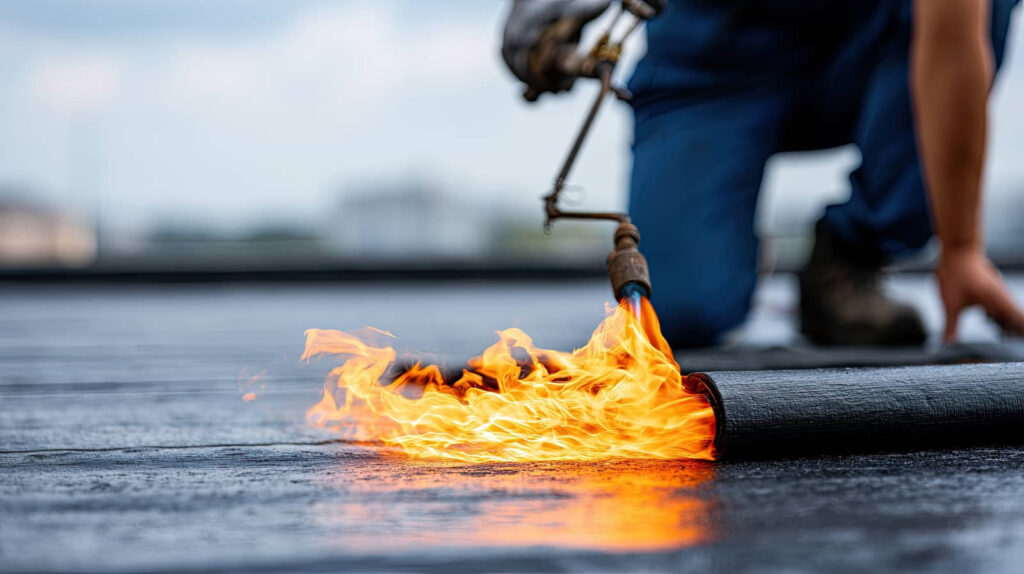
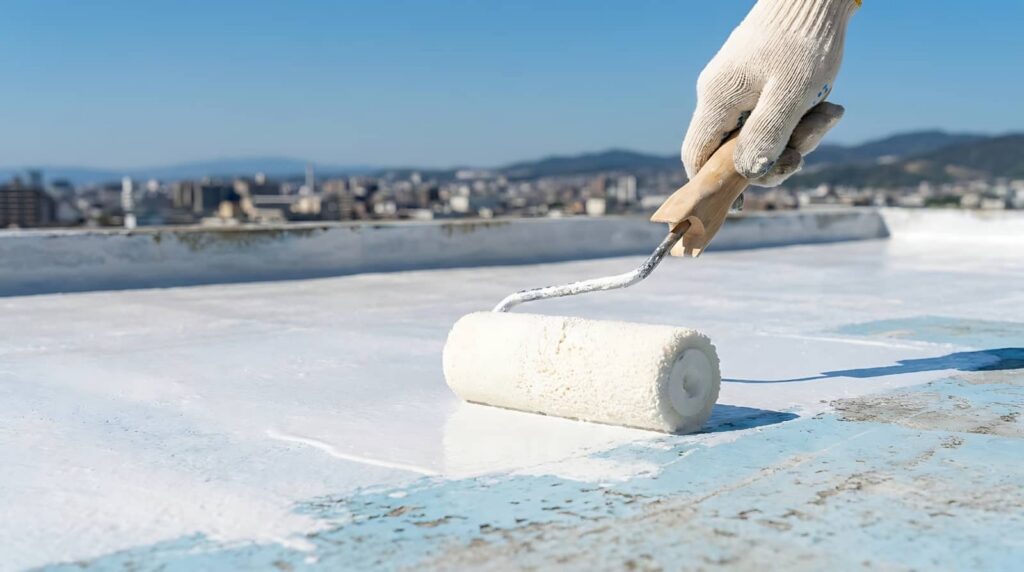
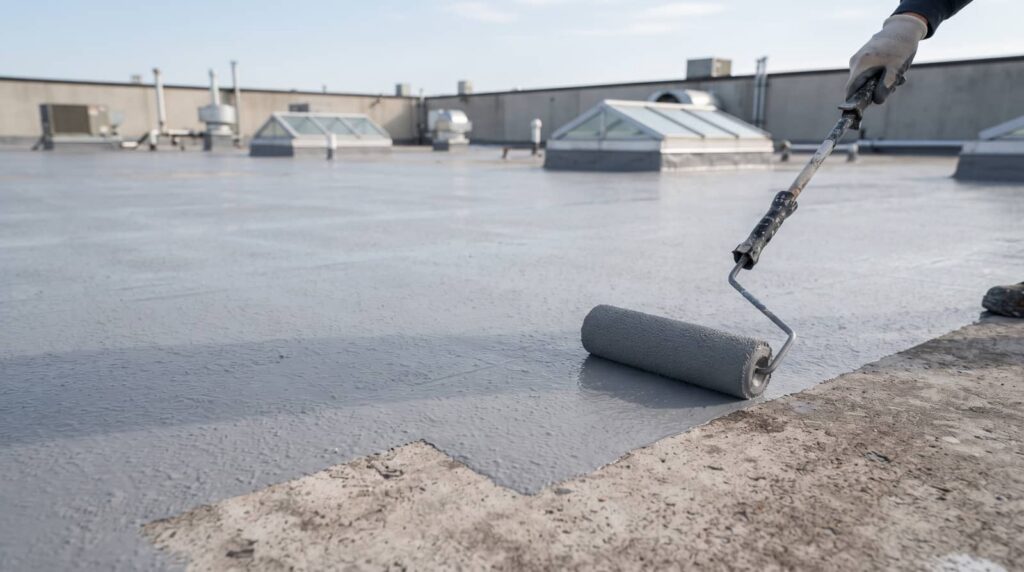
First, you’ll want to select the right coating tools, like rollers, brushes, or sprayers, to ensure even coverage. Start by applying the primer, allowing it to dry completely before moving on.
When applying the coating, use consistent pressure and maintain a wet edge to avoid lap marks. It’s essential to follow the manufacturer’s guidelines regarding thickness and curing time, as these factors directly affect performance.
If you’re working in varying temperatures, adjust your techniques accordingly to prevent issues.
Finally, inspect your work for any missed spots or imperfections to ensure a long-lasting, weather-resistant finish for your flat roof.
Common Materials Used in Weather-Resistant Coatings
When selecting weather-resistant coatings for flat roofs, you’ll encounter several common materials, each with unique properties.
Silicone-based coatings provide excellent UV resistance and flexibility, while acrylic coatings offer a cost-effective solution with good adhesion.
Polyurethane options are known for their durability and chemical resistance, making them suitable for various environmental conditions.
Silicone-Based Coatings
Silicone-based coatings are increasingly popular for flat roofs due to their exceptional weather resistance and durability.
These coatings leverage unique silicone properties, such as high elasticity and UV stability, which enhance their performance against harsh environmental conditions. When applied, they create a seamless, flexible membrane that effectively repels water and withstands temperature fluctuations.
Silicone applications span various roofing materials, making them versatile for both commercial and residential buildings. You’ll find that their longevity reduces maintenance costs over time, fostering a sense of security in your investment.
Plus, their easy application process allows you to quickly protect your roof, ensuring you belong to a community that values quality and reliability in roofing solutions.
Acrylic Coatings
Acrylic coatings are a popular choice for flat roofs, known for their excellent weather resistance and versatility. You’ll appreciate their numerous acrylic advantages, such as UV resistance, which helps prevent degradation from sunlight.
They’re also water-resistant, providing a reliable barrier against leaks. Plus, they’re easy to apply and maintain, making them accessible for DIY enthusiasts.
However, it’s crucial to evaluate the acrylic disadvantages. These coatings can be less durable compared to other options, especially in extreme weather conditions, and may require reapplication every few years.
Additionally, their adhesion can be compromised on surfaces with existing coatings. Weighing these factors will help you determine if acrylic coatings are the right fit for your flat roof needs.
Polyurethane Options
While various materials exist for weather-resistant coatings, polyurethane options stand out for their exceptional durability and flexibility.
These coatings offer significant polyurethane advantages, such as excellent resistance to UV rays, chemicals, and moisture. You’ll appreciate their ability to expand and contract with temperature changes, ensuring a tight seal that protects your roof.
However, you should also consider some polyurethane disadvantages, like their higher initial cost compared to alternatives and the need for proper application techniques to avoid issues like bubbling.
Durability and Longevity of Coatings
When selecting weather-resistant coatings for flat roofs, understanding their durability and longevity is essential to ensure optimal performance and cost-effectiveness. High-quality coatings provide excellent weather resistance, protecting your roof from harsh conditions like UV rays, rain, and temperature fluctuations.
Look for options that are formulated for maximum durability, as they can greatly extend the service life of your roofing system. The performance of these coatings is often evaluated through rigorous testing, including resistance to cracking, peeling, and fading.
Choosing a coating with proven resistance to wear and tear enhances your roof’s lifespan and minimizes maintenance costs over time. Additionally, consider factors such as installation methods and environmental impact, as these can affect the overall longevity of the coating.
Impact on Energy Efficiency
Weather-resistant coatings for flat roofs can greatly enhance energy efficiency, providing both immediate and long-term benefits. By reflecting sunlight, these coatings reduce heat absorption, which directly leads to significant energy savings. You’ll notice that your cooling systems won’t have to work as hard during warmer months, lowering your energy bills.
Additionally, the application of these coatings often results in insulation improvement. This enhancement helps maintain a consistent indoor temperature, further reducing the need for heating and cooling.
With improved thermal performance, you’ll enjoy a more comfortable living or working environment while also being part of a community that values sustainability.
Investing in weather-resistant coatings protects your roof and contributes to a greener planet. By choosing this option, you’re taking a proactive step toward energy efficiency, benefiting both your wallet and the environment.
Maintenance Requirements for Coated Roofs
Although coated roofs offer significant benefits, they require regular maintenance to secure longevity and performance. To keep your roof in top condition, you should schedule regular inspections at least twice a year. These inspections help identify any potential issues, such as cracks or blisters, before they escalate into costly repairs.
In addition to inspections, establish cleaning routines to remove debris, moss, or algae that can compromise the coating. Use a soft-bristle brush or a pressure washer on a low setting to avoid damaging the surface.
Make sure to clear drains and gutters to prevent water buildup, which can lead to leaks.
Finally, address any issues promptly, applying touch-up coatings as necessary to maintain the roof’s integrity. By staying proactive with maintenance, you’ll extend the lifespan of your coated roof and also ensure it continues to perform effectively in protecting your building.
Cost Considerations for Weather-Resistant Coatings
Investing in weather-resistant coatings for flat roofs can greatly enhance your building’s durability, but it’s crucial to understand the associated costs. Conducting a thorough cost analysis is essential to ensure you’re making an informed decision.
You’ll need to take into account both the initial application costs and the long-term maintenance expenses. Different coatings vary in price, with some requiring more frequent reapplication or repair.
When planning your budget, factor in the materials and labor costs and potential disruptions to your operations. Remember, cheaper options might save you upfront, but could lead to higher costs down the line due to inadequate protection.
A well-prepared budget that includes all these elements allows you to choose a coating that meets your performance needs without straining your finances. Balancing quality and cost is key to ensuring your flat roof remains resilient against the elements.
Choosing the Right Coating for Your Flat Roof
Selecting the right coating for your flat roof involves understanding the specific needs of your building and the environmental conditions it faces.
To make an informed decision, consider these coating selection criteria:
Durability: Choose a coating that can withstand harsh weather conditions, including UV exposure and heavy rain.
Reflectivity: Opt for coatings with high solar reflectance to reduce heat absorption and lower energy costs.
Environmental Impact: Assess the eco-friendliness of the materials used, ensuring they meet sustainability standards.
Frequently Asked Questions
How Do Weather-Resistant Coatings Affect Roof Aesthetics?
Weather-resistant coatings enhance your roof’s aesthetics by offering a range of color options and texture effects. You can choose finishes that complement your building’s design, creating a visually appealing and cohesive appearance while ensuring durability.
Can Coatings Be Applied in Cold Weather?
Can you imagine applying coatings in cold weather? While it’s possible, coating performance challenges arise. Ideally, wait for milder temperatures to ensure proper adhesion and longevity, maximizing your investment and protecting your roof effectively.
Are There Any Eco-Friendly Coating Options Available?
Yes, you can find eco-friendly coating options made from sustainable materials. These products support sustainable practices, reducing environmental impact while maintaining durability and performance, ensuring your roof protects and aligns with your values.
What Is the Typical Lifespan of a Weather-Resistant Coating?
Weather-resistant coatings typically last 10 to 20 years, like a sturdy shield against the elements. Their durability depends on maintenance requirements; regular inspections and care can greatly extend their lifespan and protect your investment.
Can I Recoat My Flat Roof Without Removing the Old Coating?
Yes, you can recoat your flat roof without removing the old coating, but ensure proper roof maintenance. This approach maximizes coating benefits, enhancing durability and protection while saving time and costs in the long run.
Review
Investing in weather-resistant coatings for flat roofs can greatly enhance your roof’s longevity and performance. By protecting against moisture, UV damage, and thermal stress, these coatings safeguard your investment and boost energy efficiency. When selecting the right coating, consider your specific needs to ensure ideal results and long-term savings.