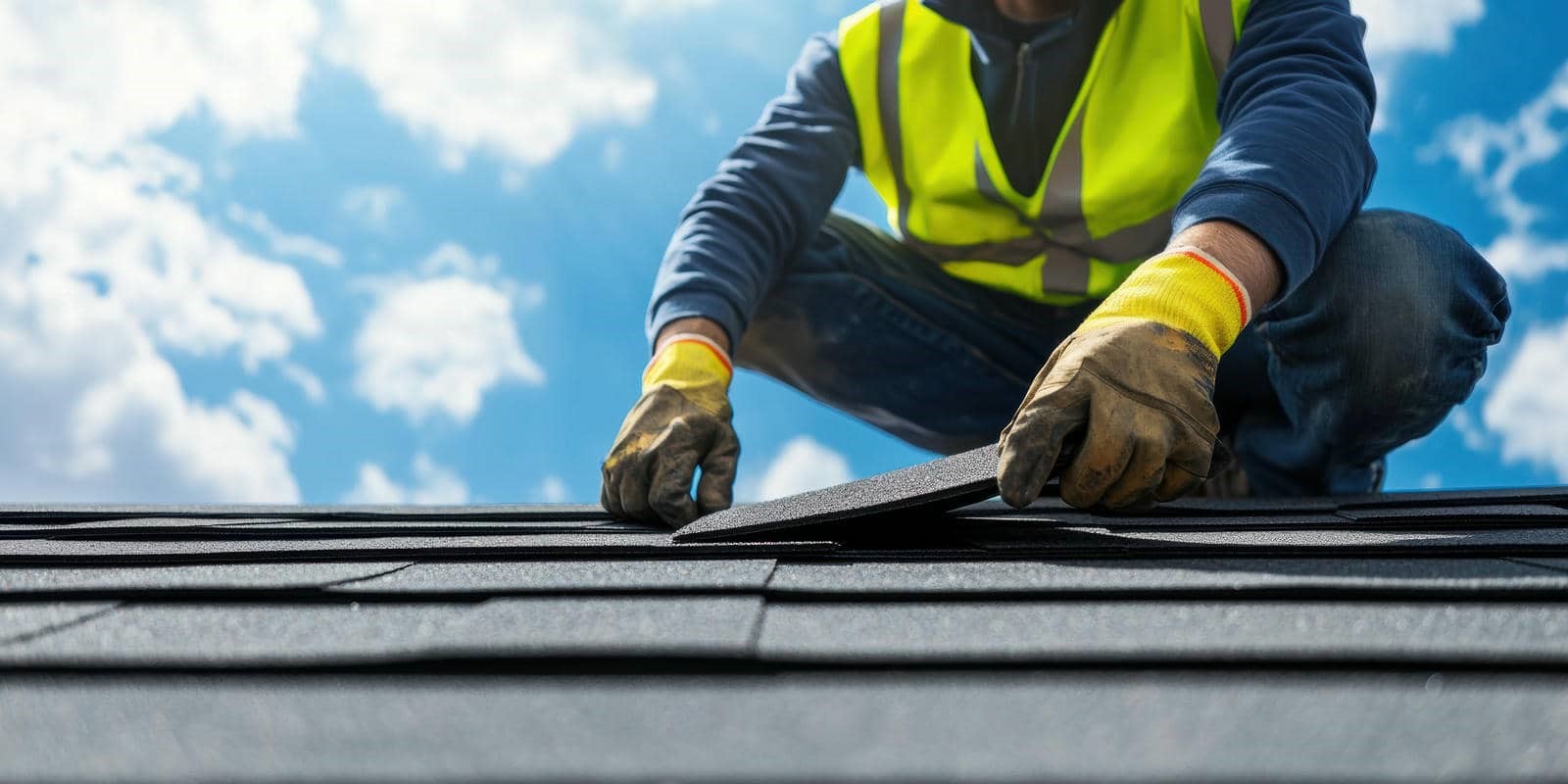
If you’re seeing missing shingles, water stains, or a sagging roofline, it could be one of the signs you need residential roof replacement. You might also notice granules in the gutters, rising energy costs, or repair bills that keep climbing. These signs don’t always mean immediate replacement, but they do mean you should assess the roof before minor issues turn into structural damage.
Key Takeaways
- Persistent leaks, ceiling stains, and peeling paint often mean the roof is failing and needs replacement.
- Missing, cracked, curling, or granule-loss shingles show serious wear and reduced protection.
- Sagging rooflines, soft spots, or ripples can indicate structural damage beneath the roof surface.
- Repeated repairs and rising maintenance costs may make replacement more economical than patchwork fixes.
- Roofs older than 20–25 years often reach the end of their lifespan and need professional inspection.
Signs Your Roof Needs Replacement
If your roof is showing visible wear, persistent leaks, or widespread shingle damage, it may be time for a full replacement rather than another repair.
You can spot signs you need residential roof replacement by checking for recurring water stains, soft decking, rising energy bills, and sagging roof lines.
When your roof system keeps failing after patchwork fixes, you’re likely facing end-of-life materials, not isolated defects.
You belong to a group of homeowners who act early, protect their property, and avoid costly structural damage.
A qualified roofing contractor can inspect flashing, ventilation, and underlayment to confirm whether replacement makes sense.
Don’t wait until hidden moisture spreads; a timely replacement helps you regain control, improve efficiency, and keep your home secure.
Missing Shingles and Visible Roof Damage
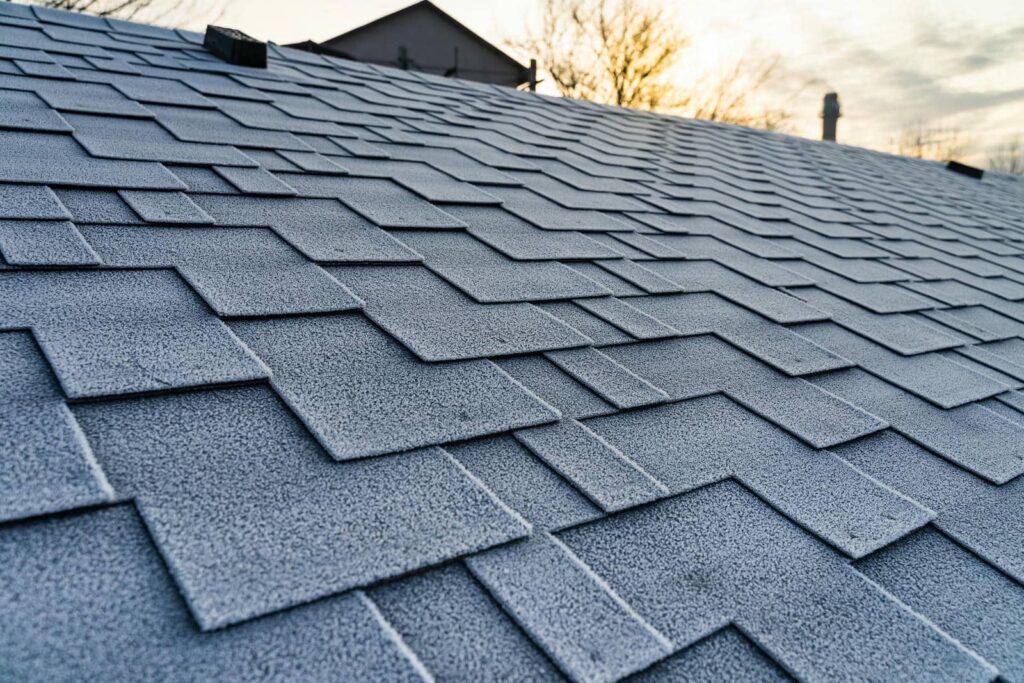
Missing shingles, cracked tabs, curling edges, and exposed underlayment are clear signs your roof’s protective barrier is failing. When you see these defects, your system can’t shed wind, UV, and impact as designed, and the damage usually spreads fast.
You should inspect slopes, hips, ridges, and valleys for gaps, lifted edges, torn mats, or mismatched repairs. If large sections are bare or shingle granules are gone, the roof’s service life is likely ending.
Don’t wait for a bigger problem; act like a homeowner who protects the whole house. Schedule a professional evaluation, document the damage, and get a replacement estimate before small openings become structural concerns.
A sound roof helps you feel secure, connected, and ready for what’s next.
Water Stains, Leaks, and Interior Moisture
If you see ceiling water stains, you’re likely dealing with active roof leakage or trapped moisture in the assembly.
Check for peeling paint, bubbling drywall, or damp insulation, since these interior leak signs usually point to failed roof sealing or underlayment.
When these symptoms appear, you should inspect the roof system promptly to prevent structural damage and hidden mold growth.
Ceiling Water Stains
You’ll usually see brown rings, yellowing, or dark patches that grow after rain or snowmelt. These marks tell you water’s entering through damaged shingles, compromised flashing, or worn underlayment, then spreading across drywall.
If stains keep returning after repairs, your roof may no longer be shedding water effectively. You shouldn’t ignore soft spots, peeling paint, or sagging around the stain either, since those changes point to ongoing saturation.
At that stage, you and your household need a roof inspection fast. Acting early helps you protect your home, avoid hidden rot, and stay confident in your roof system.
Interior Leak Signs
Water stains often point to a larger pattern of interior moisture intrusion, especially when you notice damp drywall, peeling paint, or wet insulation in the attic.
You should check for active drips after rain, musty odors, and soft spots along ceilings and upper walls. These signs mean water’s getting past your roof system and into your living space.
If you see bubbling paint, warped trim, or mold growth, the leak likely isn’t isolated. You’re not dealing with a cosmetic issue; you’re seeing damage that can spread fast.
Inspect attic framing, vents, and flashing for moisture trails. When leaks keep returning, your roof may be failing as a whole.
Acting early helps protect your home, your budget, and the people who live there.
Sagging Roof Deck or Uneven Roof Lines
If you notice visible dips along the roof line, you may be dealing with a sagging roof deck.
This uneven profile often points to structural deck weakness that can no longer support the roofing system properly.
You should treat these signs as a serious indicator that roof replacement may be necessary.
Visible Roof Line Dips
A visible dip along the roof line often points to a sagging roof deck or structural weakening beneath the shingles. You can spot this from the ground by checking for a wavy ridge, a low spot near the center, or an uneven edge where the roof should look straight.
These changes don’t just affect appearance; they can signal that your roof system isn’t performing as it should. If you live in a neighborhood where homes need to stay protected and consistent, this kind of issue stands out fast.
Don’t ignore it or assume it’ll level out. You should schedule a roof inspection soon so you can confirm the cause, compare repair options, and decide whether replacement is the safer long-term move.
Structural Deck Weakness
You may notice soft spots when you walk the attic or see ripples in the roof plane from the street. This usually means moisture damage, rot, or failing rafters has compromised the structure.
Don’t ignore it; weakened decking can’t reliably carry shingle weight, wind load, or snow. You need a full inspection if the roof feels spongy, fasteners pull out, or daylight shows through the sheathing.
A replacement may be the safest path when the deck is too damaged for repair. Acting early helps you protect your home, stay aligned with neighbors who value prevention, and avoid bigger structural costs later.
Granules in Gutters and Worn Shingles
When you notice asphalt granules collecting in your gutters, your shingles are losing their protective surface and may be nearing the end of their service life.
You can also inspect the roof surface for bald spots, curling edges, cracking, or shingles that feel brittle under normal weather exposure. These signs show the asphalt mat isn’t shielding your home as it should.
If you live in a neighborhood where roofs face the same sun, wind, and rain, compare your roof to nearby homes that are newer or better maintained. A roof with widespread wear won’t shed water as reliably, and you’ll likely notice faster aging across multiple sections.
Stay proactive, document what you see, and connect with trusted local professionals who understand the conditions your home faces.
When Roof Repairs Cost Too Much
If roof leaks, flashing failures, and repeated shingle repairs keep adding up, replacement may be the more cost-effective option.
You should total every invoice, including patch work, labor, materials, and emergency calls, then compare that amount with the price of a new roof. When repair spending starts to approach a major share of replacement cost, you’re no longer making small fixes; you’re financing a short-term answer.
Ask for a detailed estimate that shows what each repair actually buys you in service life. If the roof needs frequent attention after storms or seasonal changes, those costs can drain your budget fast.
A solid replacement plan helps you stay ahead of expenses, reduce repeat disruptions, and join other homeowners who value long-term performance over repeated patching.
When to Replace a Roof Instead of Repair It
A repair makes sense only when the damage is isolated and the rest of the roof is still in good condition.
If you see widespread shingle loss, recurring leaks, sagging areas, or damaged flashing across multiple sections, replacement usually gives you better value and protection.
You should also replace the roof when patching won’t stop underlying wear, such as brittle shingles, rot in the decking, or a failing underlayment.
If your roof is near the end of its service life, repeated repairs can drain your budget without fixing the core problem.
Choosing replacement helps you reset the system, protect your home, and stay part of a neighborhood that values solid upkeep.
A full replacement can also improve energy performance and simplify future maintenance.
Review
If you’re seeing missing shingles, leaks, water stains, sagging lines, or heavy granule loss, your roof is telling you it’s done. When repairs keep piling up and the roof is over 20 years old, replacement is usually the smarter move. Don’t wait for minor damage to become a colossal, wallet-draining disaster. A qualified contractor can inspect the roof, compare repair costs, and help you decide whether replacement is the right fix.