When your roof starts leaking after a storm, you need to act fast because water can move through framing, insulation, and ceilings in minutes. Emergency Residential Roofing services can help determine what counts as an emergency, what to secure before crews arrive, and how temporary tarping can limit further damage. The first inspection also shapes whether you repair or replace the roof. Insurance timing matters too, and the next step can affect your claim.
Key Takeaways
- Emergency roofing means sudden leaks, missing shingles, punctures, or sagging sections that expose the home to immediate water or structural damage.
- Before help arrives, protect belongings, place buckets under drips, shut off affected electricity, and photograph all damage for records.
- Crews should quickly tarp or patch exposed areas, seal seams and penetrations, and keep the tarp taut against wind and rain.
- Contact your insurer immediately, keep detailed notes, receipts, photos, and estimates, and document every claim-related conversation.
- Coordinate inspections, temporary repairs, and communication with contractors and insurers to prioritize urgent fixes and prevent further damage.
What Counts as a Roofing Emergency
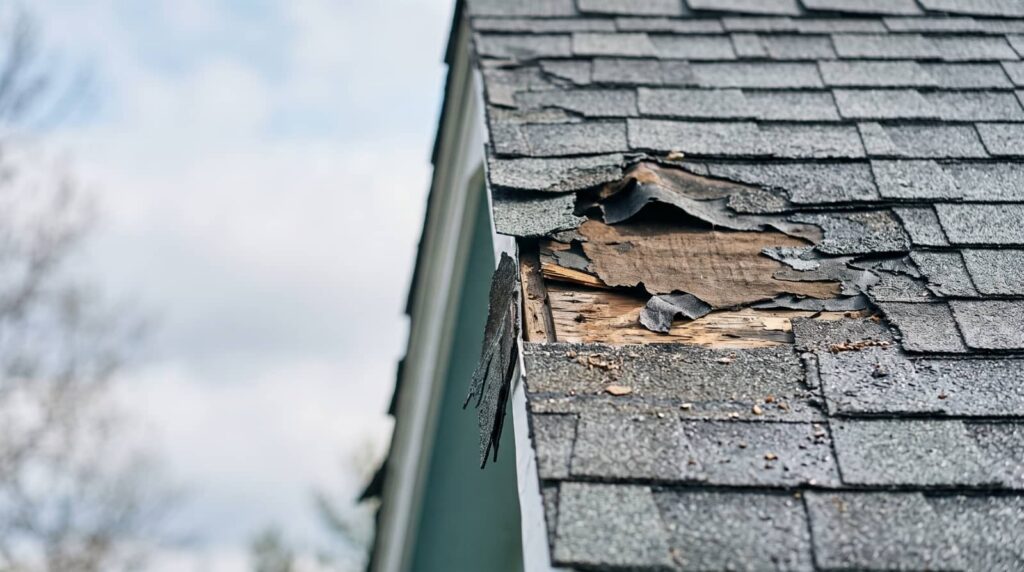
A roofing emergency is any sudden issue that exposes your home to immediate water intrusion or structural damage, such as a major leak during a storm, missing shingles after high winds, a puncture from debris, or a sagging roof section.
If you see active dripping, ceiling staining that’s spreading, daylight through the deck, or compromised framing, you’re facing urgent conditions.
In these cases, emergency residential roofing services response helps limit damage by addressing the exposed area fast and restoring weather protection.
You don’t have to guess alone; your crew can assess severity, identify the source, and prioritize stabilization.
That quick action matters because moisture can spread into insulation, drywall, and structural members.
When the threat is immediate, treat it as a true emergency and act with your roofing team.
What to Do Before the Crew Arrives
While you wait for emergency residential roofing services response, focus on limiting water intrusion and protecting the interior.
Move furniture, rugs, and electronics away from the leak path, and place buckets or pans under active drips. If water is pooling, spread plastic sheeting or tarps over nearby floors and belongings.
Shut off power to affected rooms if moisture reaches outlets or fixtures, and keep clear of sagging ceilings. Photograph visible damage for your records, then note where leaks started, when they began, and how fast they spread.
Keep children and pets away from the area. Don’t climb onto the roof or seal openings with materials that can trap moisture.
When the crew arrives, share your notes so they can work faster and keep your home protected.
How Crews Stop Water Damage Fast
You need crews to contain the leak fast by tracing the intrusion point, diverting runoff, and isolating soaked areas before water spreads.
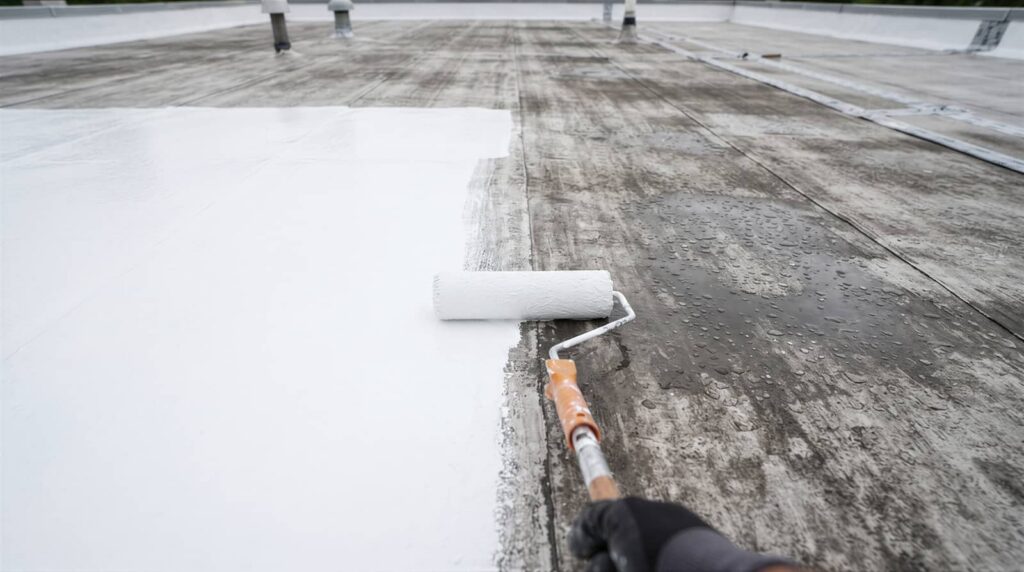
They’ll use temporary weatherproofing like tarps, sealants, and patch materials to block direct exposure and shed rain.
This quick response limits saturation, protects structural components, and buys time for permanent repairs.
Rapid Leak Containment
Rapid leak containment starts with crews locating the water entry point, then sealing it with tarps, membrane patches, roof cement, or temporary flashing before moisture spreads into framing, insulation, and ceilings.
You get fast protection when technicians trace stains, inspect penetrations, and check attic lines. They isolate the active leak, then stabilize the area so your home stays safer.
- Map the leak path
- Remove loose debris
- Seal exposed openings
- Redirect dripping water
- Document damage for repair
This quick response limits swelling, mold growth, and electrical risk while you wait for permanent repairs.
You’re not handling it alone; the crew works with you, explains each step, and keeps the site controlled. That teamwork helps your roof and your household recover faster.
Temporary Weatherproofing Methods
Once the leak is contained, crews move straight to temporary weatherproofing to block rain, wind, and runoff from reaching vulnerable areas.
You’ll see them install tarps, secure them with 2×4 battens, and fasten edges above the damaged section so water sheds away from the roof deck. They seal exposed seams with roofing tape or compatible mastics, then cover punctures, lifted shingles, and open flashing with peel-and-stick membrane or reinforced plastic.
If storm pressure’s high, they add sandbags or weighted anchors at the eaves. Crews also clear debris, extend downspouts, and redirect runoff so it doesn’t pool near walls.
These steps don’t replace repairs, but they buy time, limit saturation, and keep your home protected until permanent restoration begins.
Temporary Roof Tarping and Sealing
Temporary roof tarping and sealing stops water intrusion fast by covering exposed decking, flashing, or openings with a secured waterproof barrier. You’ll protect your home and feel supported when you act quickly and carefully.
- Choose a heavy-duty tarp sized to overlap damaged areas.
- Anchor edges with screws, furring strips, or sandbags.
- Seal seams and penetrations with roofing tape or compatible mastic.
- Keep the tarp taut so wind won’t lift it.
- Inspect from inside for leaks after installation.
You should target the damage zone, not the whole roof, and avoid trapping water beneath the cover.
Clean surfaces help adhesives bond better, so clear loose debris first. If the area stays exposed, recheck the fastening points after each storm.
This temporary fix buys time and limits interior damage until permanent repairs start.
How Emergency Roof Repairs Work After a Storm
After the tarp is in place, emergency roof repairs begin with a fast inspection to find active leaks, lifted shingles, punctures, damaged flashing, and any wet decking.
You get a focused repair plan that targets the worst failure points first, so water can’t spread farther into your home. Crews reseal seams, replace missing shingles, secure loose edges, and reinforce vulnerable joints with compatible materials.
They also clear debris that can trap moisture or block drainage. If flashing around vents, chimneys, or valleys shifted, they reset it to restore a tight seal.
You stay protected because each step is meant to stabilize the roof, reduce interior damage, and keep your home ready for permanent repairs.
What Happens During the First Inspection
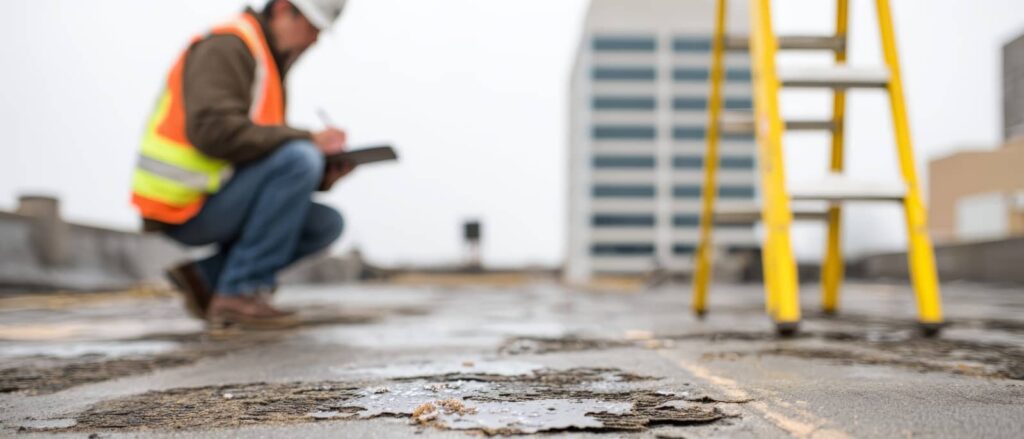
During the first inspection, a roofing crew checks the damaged areas to pinpoint active leaks, missing or lifted shingles, punctures, compromised flashing, and signs of wet decking. You’ll see them document conditions fast, so your home gets the right emergency response.
They usually:
- map problem zones
- note moisture paths
- photograph visible damage
- test suspect seams
- verify attic or ceiling staining
This walk-through helps you understand what’s happening, and it gives the crew a clear plan for containment.
They’ll also look for loose debris, unsafe edges, and hidden entry points that could let more water in. You’re not left guessing; you’re part of the process, and the findings guide the next steps without delay.
Repair or Replace the Damaged Roof
Once the inspection confirms the damage, the crew decides whether a targeted repair can stop the leak or a full replacement is the safer fix.
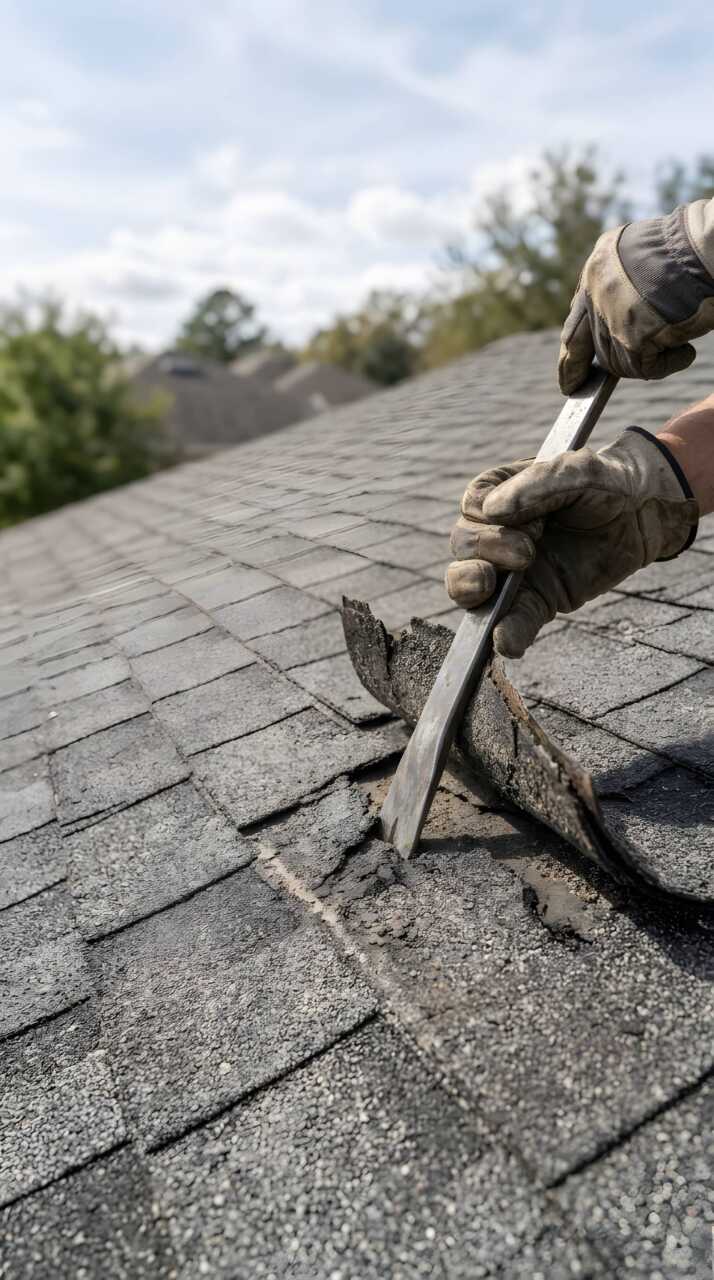
You’ll usually get a repair when the damage stays local, the decking remains sound, and matching materials are available. The team seals punctures, resets loose shingles, replaces flashing, and reinforces weak seams to restore the roof fast.
You’ll need replacement when the structure has widespread failure, rot, saturated underlayment, or repeated storm impact. A replacement removes hidden problems and gives your home a clean, durable system.
Your crew should explain the scope clearly, set a safe timeline, and keep the work zone controlled so you and your household stay protected.
How to Handle Insurance After Roof Damage
With the roof repair or replacement plan set, you should contact your insurer right away to start the claim process. Ask for the claim number, then record every conversation, date, and adjuster note. You’ll protect your position by documenting damage before cleanup.
- Photograph shingles, flashing, gutters, and interior leaks
- Keep receipts for tarps, emergency labor, and materials
- Review your policy for wind, hail, and water limits
- Meet the adjuster and share contractor findings
- Submit estimates, invoices, and repair timelines promptly
If your carrier requests proof of mitigation, provide it fast. Stay organized, respond quickly, and keep your roofing team in the loop.
That teamwork helps your claim move smoothly and keeps your home’s recovery on track.
Frequently Asked Questions
How Quickly Can Emergency Roof Crews Arrive After My Call?
You can expect emergency roof crews to arrive within one to four hours, depending on distance, weather, and call volume. You’ll get a rapid assessment, temporary protection, and damage control right away.
Can Emergency Roofing Services Work During Heavy Rain?
Yes, but not always. You’ll get emergency roofing during heavy rain only when crews can safely tarp, seal, or stabilize. They’ll assess risk, protect your home, and return for full repairs when conditions improve.
Do Emergency Repairs Require Me to Leave the House?
Usually, you don’t need to leave your house for emergency roof repairs. You can stay inside while technicians secure the area, limit exposure, and reduce damage. If conditions become unsafe, they’ll tell you to evacuate.
What Equipment Do Crews Use to Reduce Interior Damage?
You’ll see tarps, buckets, wet vacs, fans, dehumidifiers, plastic sheeting, and roof sealants. Crews also use ladders, harnesses, and flashlights to control leaks fast, protect your belongings, and reduce structural damage.
Are Emergency Roof Services Available at Night or on Weekends?
Yes—many emergency roof crews serve nights and weekends, so you can get fast tarp coverage, leak control, and damage mitigation when storms hit. Call immediately; you’ll often reach help exactly when you need it.
Final Thoughts
When roof trouble hits, you act fast, stay organized, and let trained crews steady the situation before small issues become bigger ones. You’ve seen how inspection, temporary protection, and careful documentation help guide the next steps with less stress. If your roof needs a full reset rather than a simple fix, you’ll know it’s time to make that change. With the right response, you can protect your home and move forward with confidence.