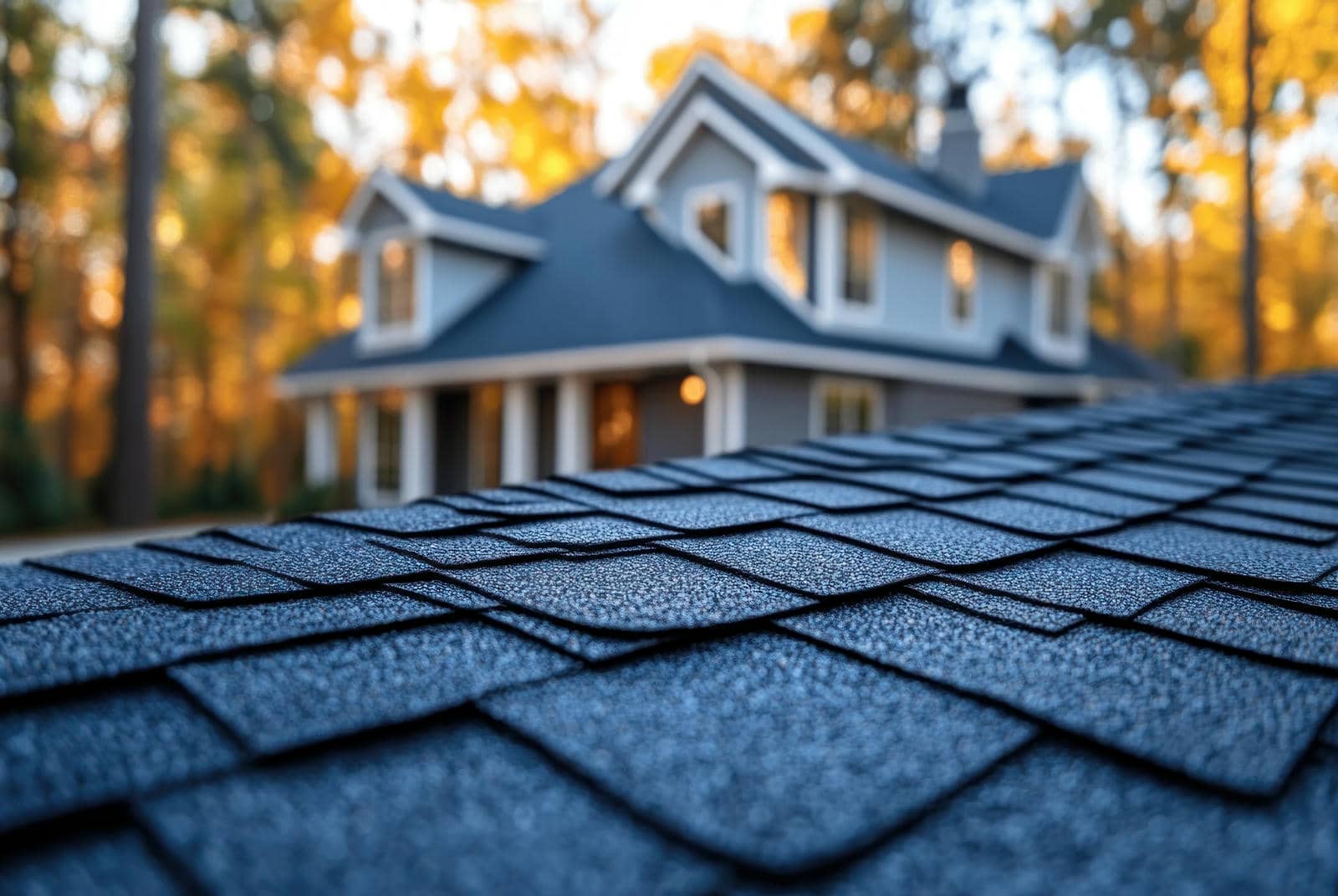
When considering shingle roofs options, you might be drawn to asphalt shingles for their lower upfront costs and decent lifespan. Priced between $90 and $100 per square, they seem budget-friendly at first glance. However, it’s essential to evaluate the installation costs and the long-term maintenance and repair expenses. Are they truly as cost-effective as they appear? Let’s explore the various factors that can influence your decision.
Key Takeaways
- Asphalt shingles are cost-effective, with material prices ranging from $90 to $100 per square, making them budget-friendly for homeowners.
- Installation costs vary but average between $150 and $300 per square, influenced by roof complexity and local labor rates.
- Regular maintenance and prompt repairs help prevent costly damage, ensuring long-term affordability of asphalt roofs.
- Their energy efficiency can lead to significant savings on heating and cooling bills, adding to overall cost-effectiveness.
- Asphalt shingles offer a balance of quality, durability, and lower upfront costs compared to other roofing materials.
Overview of Asphalt Shingle Roofing Costs
When considering a new roof, understanding the costs associated with asphalt shingles is essential for budgeting effectively. A typical cost breakdown includes materials, labor, and potential disposal fees. Asphalt shingles themselves generally range from $90 to $100 per square, depending on quality and type.
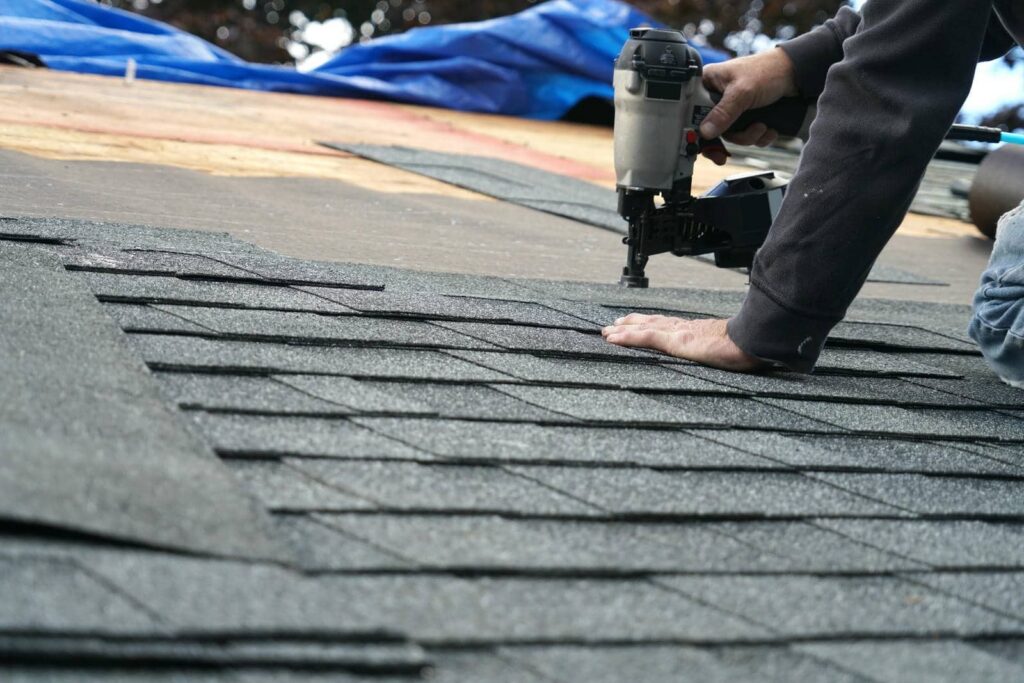
Installation averages can vary, but you might expect around $150 to $300 per square, depending on the complexity of your roof and local labor rates.
In addition, don’t forget to factor in any necessary underlayment or flashing, which can add to your total expenses. By grasping these costs, you’ll be better equipped to make informed decisions and avoid unexpected expenses.
This knowledge fosters a sense of belonging within your community, as you engage in discussions about home improvements. It also empowers you to invest wisely in your property, ensuring your roof serves you well for years to come.
Factors Influencing Installation Prices
Several factors can considerably influence the installation prices of asphalt shingle roofs.
First, the quality of materials you choose plays a significant role. Higher-quality shingles tend to cost more upfront but may offer better durability and performance.
Next, installation labor is another critical factor. Skilled labor often demands higher wages, but their expertise can ensure a more efficient, accurate installation, reducing potential future issues.
Additionally, the roof’s size and complexity, including pitch and any existing structural challenges, can affect the overall cost.
Regions with higher living costs typically see increased labor and material prices.
Finally, local building codes and permit requirements can introduce additional fees.
Long-Term Maintenance and Repair Expenses
After evaluating installation costs, it’s important to factor in long-term maintenance and repair expenses for your asphalt shingle roof.
While these roofs are generally budget-friendly, understanding their maintenance longevity and repair frequency can help you plan better.
Here are three key points to evaluate:
Regular Inspections: Schedule inspections at least twice a year to catch potential issues early, which can reduce long-term repair costs.
Cleaning Gutters: Keep your gutters clear of debris. Clogged gutters can lead to water damage, increasing repair frequency and costs.
Prompt Repairs: Address minor damage immediately. Ignoring small issues can lead to larger, more expensive repairs down the line.
Energy Efficiency and Savings Potential
While many homeowners prioritize upfront costs, the energy efficiency of asphalt shingle roofs can lead to significant long-term savings. These roofs can enhance your home’s insulation performance, reducing heat transfer during both summer and winter.
By keeping your home at a more stable temperature, you can achieve substantial energy savings on heating and cooling bills.
Moreover, advanced asphalt shingle technologies, like reflective coatings, can further improve energy efficiency by minimizing heat absorption. This means your air conditioning system won’t have to work as hard, translating to lower utility costs over time.
Investing in an energy-efficient asphalt shingle roof helps your wallet and contributes to a more sustainable environment.
When you choose the right materials, you’re not just making a smart financial decision; you’re also joining a community of homeowners committed to energy conservation and responsible living.
Comparing Asphalt Shingles to Other Roofing Materials
When you compare asphalt shingles to other roofing materials, you’ll notice distinct advantages that can influence your decision.
Here’s a quick breakdown of why asphalt shingles stand out:
- Durability Comparison: Asphalt shingles are designed to withstand various weather conditions, offering a lifespan of 20-30 years with proper maintenance.
This isn’t always the case with materials like wood or thatch, which require more upkeep.
- Aesthetic Options: You’ll find a wide range of colors and styles in asphalt shingles, allowing you to match your home’s design seamlessly.
Other materials, like metal or tile, may not offer the same variety.
- Cost-Effectiveness: Asphalt shingles typically come at a lower upfront cost compared to other roofing options, making them a budget-friendly choice without compromising quality.
Wrap-Up
While asphalt shingle roofs may seem like a budget-friendly option, they come with hidden costs that can skyrocket over time. Imagine your initial savings melting away like ice cream on a summer day as maintenance and repairs pile up. However, if you weigh the initial investment against longevity and energy efficiency, they can still be a smart choice. Ultimately, it’s about finding that perfect balance between affordability and long-term value for your home.