Like any roof under a ticking clock, your asphalt shingles don’t last forever. You can usually expect 15 to 30 years, but that range depends on shingle type, installation quality, ventilation, and weather exposure. Three-tab shingles tend to wear out sooner than architectural shingles, and early warning signs like curling, cracking, or granule loss often show up before failure. Knowing what shortens lifespan can help you decide what to inspect next.
Key Takeaways
- Asphalt shingles typically last 15 to 30 years, depending on type, quality, installation, and climate.
- Three-tab shingles usually last 15 to 20 years, while architectural shingles often last 25 to 30 years or more.
- Proper installation and attic ventilation help prevent heat and moisture damage, extending roof lifespan.
- Curling, cracking, granule loss, and leaks are common signs that shingles are nearing replacement.
- Regular inspections, gutter cleaning, debris removal, and prompt repairs can significantly slow roof aging.
What Is Asphalt Shingle Lifespan?
Asphalt shingle lifespan refers to how long a roof can reliably protect your home before it needs major repair or replacement.
You measure asphalt shingle roofing lifespan expectancy by tracking how well the covering resists weather, UV exposure, and moisture over time. In your home, this lifespan reflects the roofing system’s ability to stay sealed, shed water, and maintain structural integrity.
When you understand this baseline, you can plan maintenance with your neighbors in mind and stay part of a well-cared-for community. You won’t judge it by appearance alone; you’ll look at performance, condition, and service history.
A clear lifespan estimate helps you budget, schedule inspections, and make timely decisions before small issues become costly damage.
How Long Do Asphalt Shingles Last?
You can expect asphalt shingles to last about 15 to 30 years, depending on material quality and roof design.
Heat, UV exposure, ventilation, installation quality, and storm damage all affect how long they perform.
You’ll know they’re aging when you see curling, cracking, granule loss, or frequent leaks.
Average Shingle Lifespan
Most asphalt shingles last about 15 to 30 years, though the exact lifespan depends on shingle quality, installation, ventilation, climate, and maintenance.
In your roof system, the average tends to cluster near 20 years for standard three-tab products and 25 to 30 years for many architectural shingles.
You can expect the lower end when wear starts early, and the upper end when the roof stays stable and cared for.
If you’re comparing homes in your neighborhood, this range gives you a realistic benchmark for planning.
Watch for age-related changes such as granule loss, curling, cracking, and brittle edges.
When you know the typical lifespan, you can budget smarter, time inspections better, and stay part of the homeowners who act before leaks spread.
Key Performance Factors
Four main factors usually determine how long asphalt shingles last: product quality, installation, attic ventilation, and local weather.
You get better lifespan when you choose thicker shingles with stronger mats and asphalt content, because they resist UV exposure and thermal cycling better.
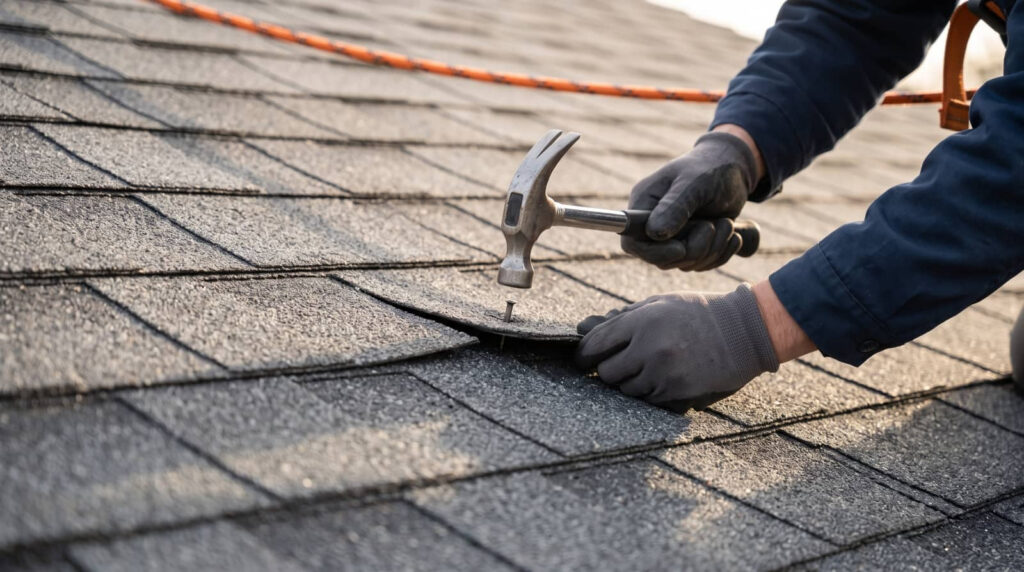
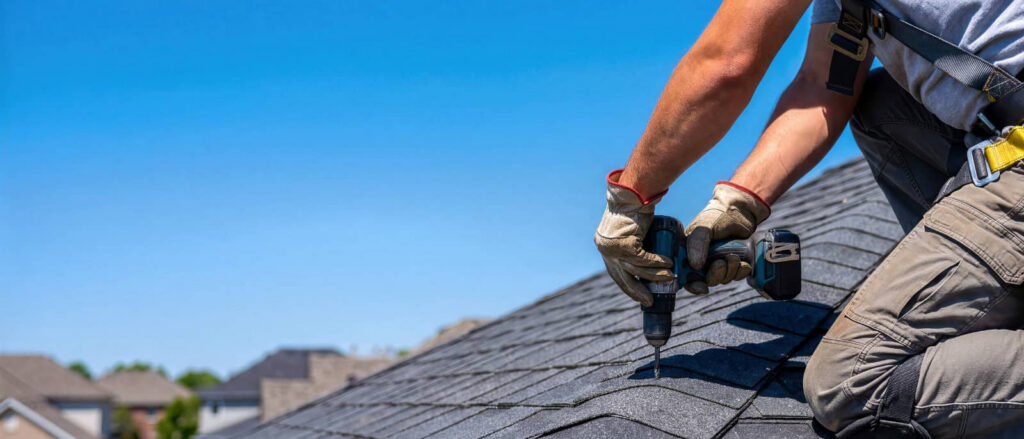
Proper installation matters just as much; correct nail placement, sealed tabs, and aligned rows help the roof move and shed water as designed.
Good attic ventilation keeps heat and moisture from building up under the deck, so your shingles don’t age as fast.
Your climate also matters: intense sun, hail, wind, and freeze-thaw cycles shorten service life.
When you compare roofs, look at these factors together, because they shape real-world performance more than the warranty label does.
Signs Of Aging
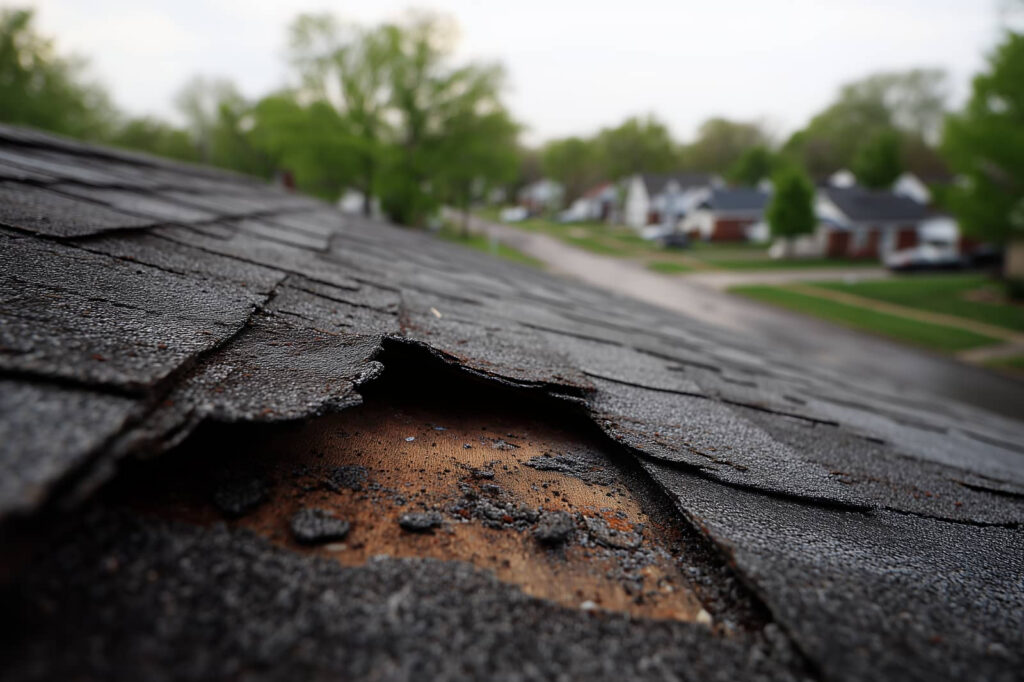
As asphalt shingles near the end of their service life, they usually show visible wear before they fail outright. You’ll often spot curling edges, cracked tabs, and granule loss in gutters or downspouts.
Dark streaks can signal algae, but widespread bald spots often mean UV damage and reduced protection. Check for lifted corners after high winds, since loosened shingles let water track under the roof deck.
Inside, look for ceiling stains, damp insulation, or attic daylight at fasteners and seams. If you see multiple symptoms together, your roof’s remaining lifespan is shrinking fast.
Regular inspections help you stay ahead of leaks, plan repairs, and keep your home in the crew of well-protected houses.
3-Tab vs. Architectural Shingle Lifespan
Three-tab shingles usually last about 15 to 20 years, while architectural shingles often reach 25 to 30 years or more because their thicker, layered design resists wind, heat, and granule loss better.
If you want the longer service life, architectural shingles usually give you a stronger value per year, even though they cost more upfront.
Three-tab shingles can still work well when you need a tighter budget and a shorter replacement cycle.
You should match the shingle type to your roof pitch, local climate, and expected homeownership period.
As a homeowner, you’re not just buying material—you’re choosing how often your roof will need attention.
For many neighborhoods, architectural shingles offer a more durable, uniform look that fits shared standards.
What Damages Asphalt Shingles Most?
The biggest threats to asphalt shingles are prolonged heat, ultraviolet exposure, wind uplift, moisture intrusion, and poor attic ventilation.
You can’t stop aging, but you can slow it by limiting stress on the roof system. Excess attic heat dries out the asphalt and reduces flexibility, so your shingles crack sooner. UV breaks down the protective surface and exposes the mat. Poor fastening lets wind loosen tabs and create edge failure.
Trapped moisture can soften decking, weaken sealant strips, and invite granule loss. Tree abrasion, foot traffic, and neglected repairs also shorten service life.
If you stay on top of ventilation, flashing, and fastener quality, you protect your roof and your crew of homeowners from early replacement.
How Weather Damages Asphalt Shingles
Weather can accelerate shingle wear fast, especially when roofs face repeated heat swings, heavy rain, hail, snow, and strong winds.
Heat makes asphalt expand, soften, and dry out, which reduces flexibility and weakens the bond between shingle layers. UV exposure breaks down protective oils, so the surface ages faster.
Rain and standing moisture can work under lifted edges, then freeze and expand in cold weather, stressing the mat and sealant. Hail knocks off granules, reducing UV protection and exposing the asphalt base.
Wind creates uplift that loosens tabs and can tear shingles at weak points.
When you understand these weather forces, you can protect your roof with timely inspections, proper ventilation, and maintenance that helps your home stay solid with your community.
Signs Your Shingle Roof Is Wearing Out
A few visible changes can tell you your asphalt shingle roof is nearing the end of its service life. You may spot curling or cupping edges, cracked tabs, and missing granules that leave bald, dark patches.
Shingles can also look brittle, split, or uneven across the field, especially along ridges and valleys. If you notice lifted corners, exposed nails, or repeated shingle loss after routine storms, your roof’s seal may be failing.
Inside, you might see stains on ceilings or damp insulation, which often point to hidden leaks. These signs usually mean the shingles can’t shed water as they should.
If your roof shows several of them, you’re not alone—many homeowners face this stage together and need a professional inspection.
How Maintenance Extends Shingle Life
Routine roof inspections let you catch cracked, lifted, or missing shingles before they spread damage.
Removing leaves, branches, and other debris keeps moisture off the surface and reduces wear on the roof system.
When you repair problems promptly, you limit leak paths, preserve seal integrity, and extend shingle life.
Routine Roof Inspections
Regular roof inspections help you catch small issues before they shorten asphalt shingle life. You should check your roof twice a year and after major storms, looking for lifted tabs, cracked shingles, exposed nail heads, flashing gaps, and sealant failure.
Early detection lets you repair minor wear before water intrusion spreads damage through the underlayment and deck. Use a safe vantage point or hire a qualified roofer if access feels risky.
Keep a simple inspection log so you can track changes over time and spot patterns that point to aging or stress. When you stay proactive, you protect your home, extend service life, and join the group of owners who manage roofing costs instead of reacting to them.
Debris Removal Benefits
Keeping debris off your roof helps asphalt shingles dry faster, resist algae growth, and avoid premature wear. When leaves, pine needles, and twigs stay trapped, they hold moisture against the shingle surface and block sunlight that normally helps drying.
You protect granules by clearing gutters, valleys, and low-slope areas where buildup starts. This also reduces added weight and limits wind-blown debris from scraping the coating. Use a roof-safe blower or soft brush, and work from ladders or the ground when possible to stay safer.
If you keep up with cleanup after storms and during seasonal changes, you’ll support better drainage, steadier temperature control, and longer shingle performance. Small, regular care helps your roof stay part of a well-maintained home.
Prompt Repair Timing
Prompt repairs prevent small asphalt shingle issues from turning into larger failures that shorten roof life. When you fix damage quickly, you keep water out, protect underlayment, and preserve sealant bonds.
You also reduce wind uplift and stop edge deterioration from spreading across the field.
- Replace cracked shingles before granule loss worsens.
- Re-seal lifted tabs after heat cycles.
- Patch nail pops to block leaks.
- Clear flashing gaps before moisture enters.
- Schedule inspections after storms, not months later.
Fast action helps you stay ahead of hidden damage and extend lifespan. If you want a roof that lasts with the group, treat minor repairs as routine maintenance, not optional work.
That habit keeps your system performing longer and more reliably.
When to Replace an Asphalt Shingle Roof
You should replace an asphalt shingle roof when deterioration starts to affect waterproofing or structural integrity, not just when the roof looks aged.
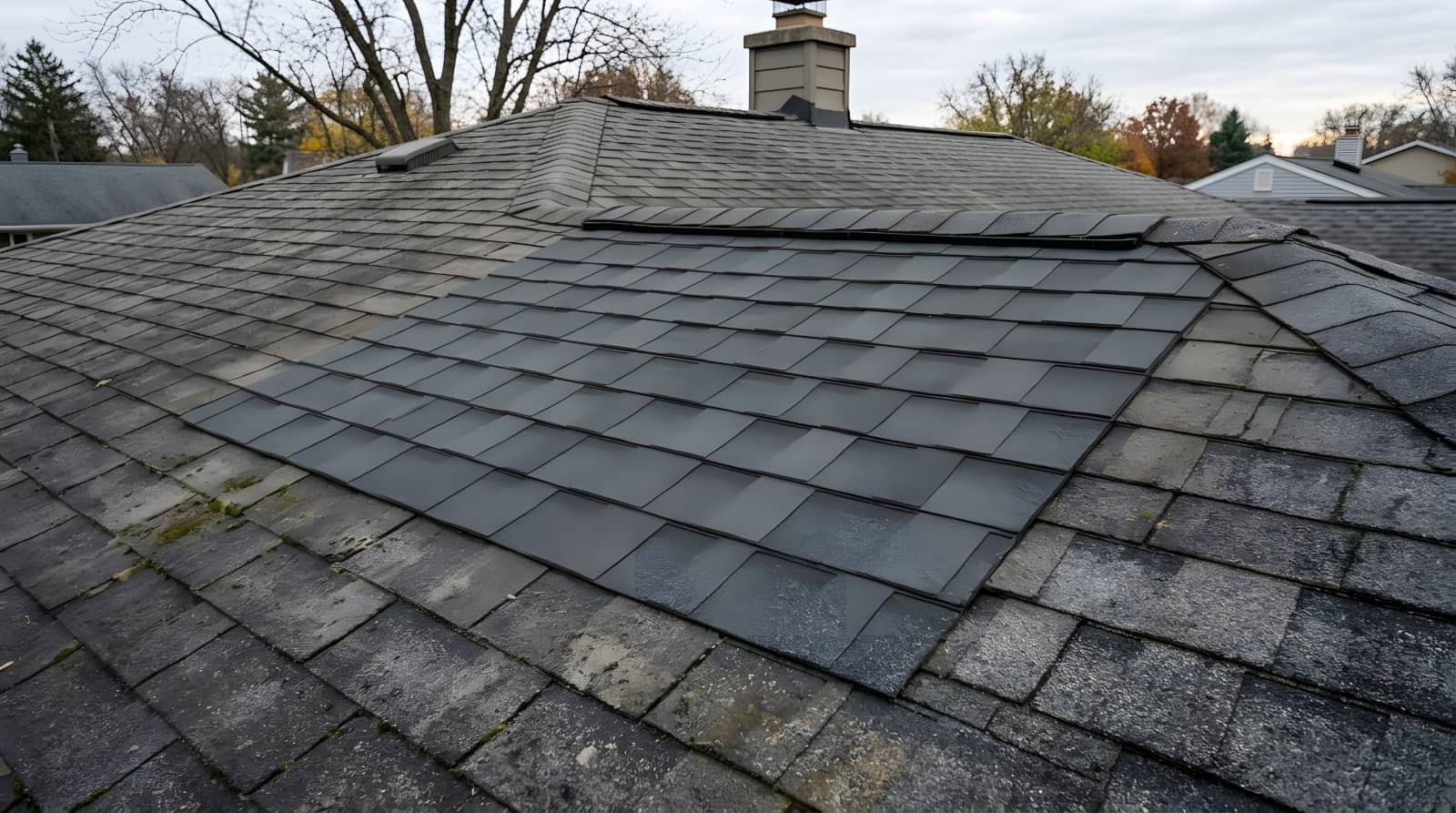
Watch for recurring leaks, widespread curling, cracked or missing shingles, exposed mat, and granule loss that leaves the surface thin. If you see sagging decking, soft spots, or daylight in the attic, the roof’s assembly may no longer protect the home.
Age matters too: many roofs near the end of their expected service life need replacement even if damage seems limited.
When repairs become frequent or cover only isolated symptoms, replacement usually delivers better performance and peace of mind.
If you’re comparing options with neighbors or contractors, use these signs to make a confident, informed call for your roof and your household.
How to Make Asphalt Shingles Last Longer
If your roof still has usable life left, regular upkeep can slow aging and protect performance. You can extend shingle life by managing heat, moisture, and debris before they stress the roof system. Inspect after storms, clear gutters, trim overhanging limbs, and replace damaged tabs fast.
Ventilation matters too: balanced intake and exhaust reduce attic heat buildup and help sealant lines stay stable.
- Clean valleys and gutters
- Check flashing and pipe boots
- Remove algae growth early
- Confirm attic airflow
- Hire a qualified roofer for repairs
When you stay consistent, you join the homeowners who protect their investment and avoid premature replacement. Small, timely actions keep shingles flatter, drier, and better bonded, so your roof can perform longer.
Frequently Asked Questions
Do Asphalt Shingles Vary in Lifespan by Manufacturer?
Yes, you’ll see lifespan differences between manufacturers because materials, adhesives, and warranty standards vary. You should compare product ratings, installation requirements, and local climate exposure to choose shingles that’ll perform best and last longer.
Can Roof Ventilation Affect Asphalt Shingle Durability?
Yes—proper roof ventilation can extend shingle durability. You keep heat down, you keep moisture out, you keep aging slow. Poor airflow traps heat, curls shingles, raises granule loss, and shortens your roof’s service life.
Does Attic Insulation Impact Shingle Roof Longevity?
Yes—your attic insulation can indirectly affect shingle longevity by stabilizing roof temperatures and reducing ice dams, but you shouldn’t overinsulate. Balance insulation with ventilation, so your shingles stay cooler, drier, and last longer.
Are Algae-Resistant Shingles Worth the Extra Cost?
Yes, if algae stains plague your climate, they’re worth it. You’ll protect curb appeal, preserve warranty coverage, and cut cleaning costs. If your roof stays cool and dry, standard shingles may already do the job.
How Do Installation Nails Affect Shingle Performance?
Installation nails affect shingle performance by controlling seal, alignment, and wind resistance. If you place them too high, low, or overdrive them, you’ll cause leaks, blow-offs, and premature wear. You’ll protect your roof with correct fastening.
Summary
Your roof is a shield in a long campaign, and every storm is a test. If you keep it inspected, ventilated, and repaired on time, you give your asphalt shingles the best chance to reach their full lifespan. Ignore curling, missing granules, or leaks, and the armor weakens fast. So track aging signs early, maintain it well, and replace it before failure turns a small weakness into a costly breach.