When you upgrade from basic shingles, it’s like swapping a flat photo for a framed relief print: the roof suddenly has depth. You can choose architectural asphalt shingles for stronger wind resistance, better curb appeal, and longer warranties than standard options. Their layered design also hides minor deck flaws. But the right style, color, and rating still depend on your home, your climate, and your budget—so the real decision starts with the details.
Key Takeaways
- Architectural asphalt shingles offer thicker, dimensional layers, better wind resistance, and longer warranties than standard shingles.
- They come in many colors and blends, including grays, browns, black, charcoal, and weathered tones for different home styles.
- Most architectural shingles last 20 to 30 years with proper installation, ventilation, and regular roof inspections.
- Look for wind, fire, and impact ratings, especially in areas with strong storms, hail, or specific building code requirements.
- Professional installation and replacement can improve curb appeal, hide minor deck flaws, and prevent costly recurring repairs.
What Makes Architectural Asphalt Shingles Different?
Architectural asphalt shingles differ from standard three-tab shingles because they use multiple laminated layers to create a thicker, more dimensional profile.
You get a heavier, more durable roof surface that resists wind uplift better than basic shingles. When you compare architectural asphalt shingle roofing options, you’ll notice they usually carry longer warranties and improved impact ratings.
The layered construction also helps you cover minor deck irregularities more effectively, so your roof looks consistent from edge to ridge.
You’re choosing a product that balances performance, value, and a refined finish without complicating installation.
If you want a roof that fits in with quality homes in your area, these shingles give you a practical upgrade with proven strength and dependable weather protection.
Which Architectural Shingle Styles Boost Curb Appeal?
You can boost curb appeal with architectural shingles that create strong dimensional shadow lines, adding depth and texture to the roof.
Bold color blends help you match or contrast exterior finishes for a more refined look.
Rustic slate profiles give you a high-end appearance without the weight or cost of natural slate.
Dimensional Shadow Lines
Shadow lines give architectural asphalt shingles their depth, creating the layered look that boosts curb appeal from the street. You get that effect from staggered tabs, varied cut profiles, and thicker laminates that cast real shade.
On your roof, those lines break up flat planes and make the surface read as custom, not basic. That matters if you want your home to feel established in the neighborhood. Choose shingles with strong dimensional relief, because they hide minor roof irregularities better than flat strips.
Install them with precise alignment so each course maintains clean contrast. You’ll see the best result when the shadow pattern stays consistent across slopes, ridges, and hips. That uniform texture helps your house look intentional, finished, and part of the block.
Bold Color Blends
Bold color blends can make architectural asphalt shingles stand out fast, especially when the roof needs stronger street presence. You can choose mixed tones that add depth without looking busy, and that balance helps your home fit in while still feeling distinct.
When you match the blend to your siding, trim, and stone, you create a unified look that neighbors notice. Darker blends can sharpen roof lines, while medium blends soften large roof planes and reduce visual weight.
You’ll also hide minor dust, granule variation, and weathering better than with flat colors. For best results, compare sample tabs in daylight and shade, then pick the blend that supports your home’s style and boosts curb appeal with confidence.
Rustic Slate Profiles
Rustic slate profiles give architectural asphalt shingles a more dimensional, handcrafted look that can boost curb appeal on homes with traditional, cottage, or European-inspired architecture.
You get layered shadow lines, irregular tab shapes, and a heavier profile that mimics natural slate without the cost or structural demands. That means you can match the roof to your home’s character and fit in with neighborhoods that value timeless detail.
Choose deeper grays, weathered browns, or mixed blends to highlight texture and soften large roof planes. These shingles also help hide minor imperfections on complex rooflines.
For best results, pair them with clean trim, balanced siding tones, and consistent flashing so the roof feels intentional, durable, and part of a well-kept community.
How Long Do Architectural Asphalt Shingles Last?
Architectural asphalt shingles typically last about 20 to 30 years, though high-quality products and proper installation can push that lifespan longer. You’ll get the best service life when your roof has proper attic ventilation, solid underlayment, and steady maintenance.
Heat, storm damage, algae growth, and poor fastening can shorten performance, so you should inspect your roof after severe weather and keep gutters clear. In normal conditions, these shingles hold up well because their layered construction resists wind and sheds water better than basic three-tab shingles.
If you want a roof that fits your neighborhood and supports long-term value, architectural shingles offer a reliable middle ground. Replace worn areas early, and you’ll protect the whole system instead of waiting for leaks to spread.
Which Architectural Shingle Ratings Matter Most?
When you compare architectural shingle ratings, focus first on wind resistance, fire rating, and impact resistance, since these tell you how the roof will perform in real conditions.
You want wind ratings that match your local code, especially if storms are common in your area. Fire ratings matter because they help you meet safety standards and may affect insurance. Impact ratings count if hail hits your neighborhood, since stronger shingles can reduce damage and repair calls.
Also check warranty terms, because they show what the manufacturer stands behind. Look at nailing requirements and installer specs too; good ratings mean little if the roof isn’t installed right.
When you choose wisely, you join homeowners who value protection, reliability, and long-term confidence.
Which Architectural Shingle Colors Fit Your Home?
Color choice shapes both curb appeal and how well your roof blends with the rest of your home. You want a shade that matches your siding, trim, and neighborhood tone, not one that fights them. Use this quick guide:
Neutral grays suit brick, stone, and most modern exteriors.
Brown blends work well with warm colors, wood, and traditional homes.
Black and charcoal add sharp contrast and a clean, cohesive look.
Weathered blends hide dirt and soften glare on busy rooflines.
If you live in a community with similar homes, choose colors that feel familiar but still reflect your style.
Check samples in daylight and shade, then compare them against your exterior materials before you decide.
How Do Architectural Asphalt Shingle Brands Compare?
When you compare architectural asphalt shingle brands, check material warranty coverage first, since it tells you how the manufacturer backs the product.
You should also compare style and color options, because brands vary in profile depth, granule blend, and finish.
Durability and wind ratings matter too, so look at impact performance, seal strength, and the maximum uplift speed each brand supports.
Material Warranty Coverage
Material warranty coverage can vary considerably between architectural asphalt shingle brands, so you should compare terms, not just the length of the warranty.
Look for what the manufacturer actually covers and how long you stay protected.
Material defects: Check whether the brand covers manufacturing flaws, blistering, or premature cracking.
Non-prorated period: See how long you get full replacement value before coverage drops.
Wind protection: Confirm the rated wind speed and any installation requirements.
Transfer terms: Review whether you can transfer coverage if you sell your home.
You should also verify whether algae resistance, labor, and tear-off costs are included.
A strong warranty helps you join a homeowner network that expects lasting performance and fewer surprises.
Style And Color Options
Architectural asphalt shingle brands differ noticeably in profile, texture, and color blend, so you’ll want to compare samples on your actual roof rather than rely on catalog images.
You can choose from slate-like grays, cedar-inspired browns, warm earth tones, and cool charcoal blends that help your home fit the neighborhood while still standing out.
Some brands use sharper shadow lines for a dimensional look; others keep the pattern softer and more uniform.
Match the shingle to your siding, trim, and roof pitch so the color reads correctly from the street.
If you want a cohesive result, view full bundles in daylight and shade. That way, you’ll make a choice that feels like it belongs with your home and community.
Durability And Wind Ratings
Once you’ve narrowed your color choices, compare how each shingle brand handles impact, heat, and wind. You want a roof that protects your home and fits your neighborhood standards.
Check the class ratings, seal strip strength, and warranty terms before you commit. Brands often differ in tear resistance and granule retention, which affects long-term performance.
- Impact rating: Choose higher ratings if you face hail.
- Wind rating: Look for 110- to 130-mph coverage.
- Heat resistance: Better mats and coatings reduce aging.
- Installation quality: Proper nailing often matters as much as the shingle.
Ask your contractor which products they trust on nearby homes, so you can join homeowners who value durability and peace of mind.
What Affects Architectural Asphalt Shingle Costs?
Several factors drive architectural asphalt shingle costs, including shingle grade, brand, warranty length, roof complexity, and local labor rates.
You’ll usually pay more for thicker laminates, designer profiles, and reinforced nailing zones. Premium brands often bundle better color blends and stronger warranties, which raises material price but can improve long-term value.
If your roof has steep slopes, dormers, valleys, chimneys, or multiple layers to remove, crews need more time and safety setup, so labor climbs.
Your total also changes with underlayment, flashing, ridge caps, vents, and disposal fees.
To compare bids fairly, ask each contractor to separate materials, labor, and accessories. That way, you and your neighbors can judge quality, not just the sticker price.
When Is Roof Replacement the Right Move?
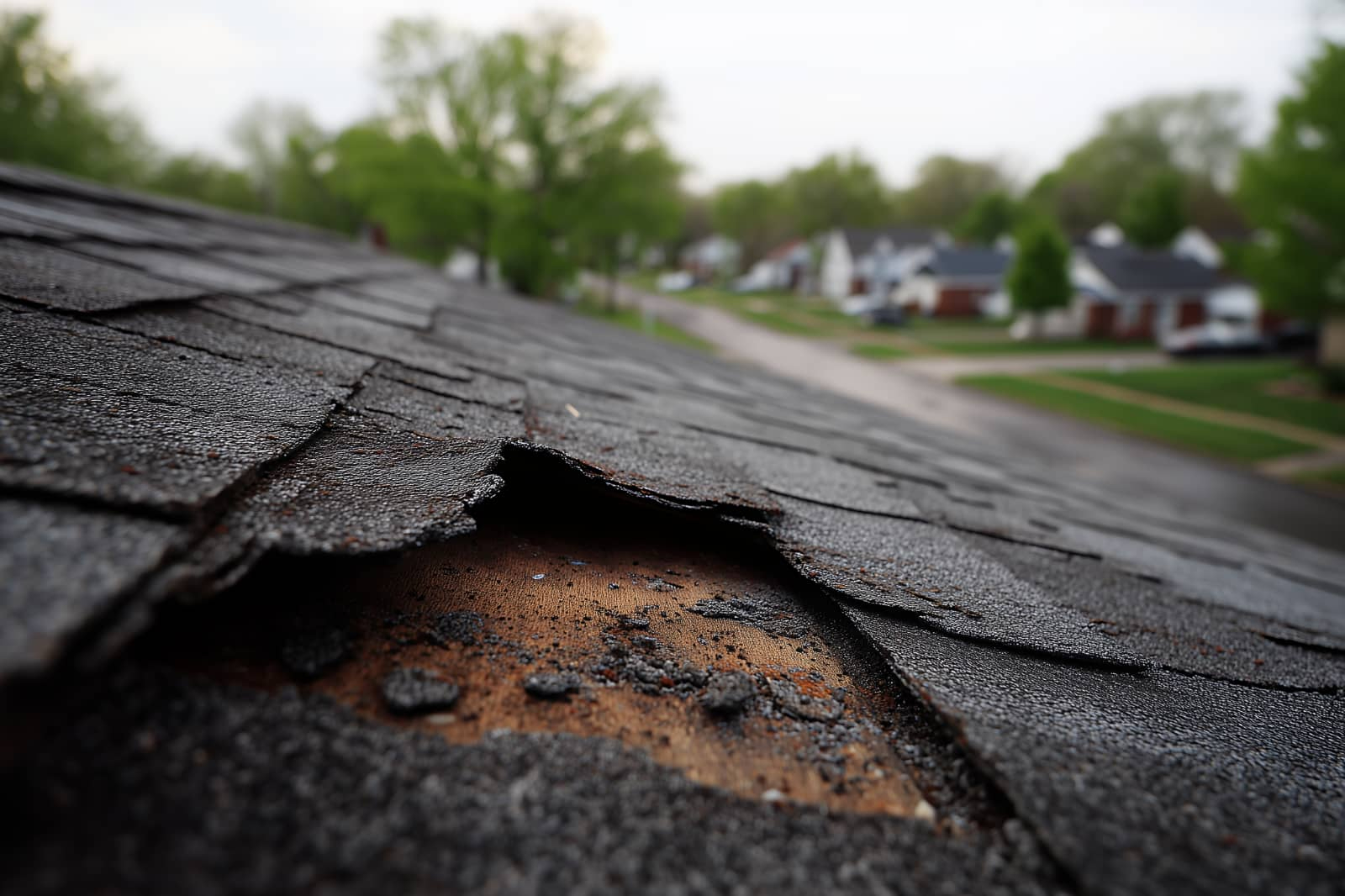
Roof replacement makes sense when your shingles are nearing the end of their service life, you’re seeing widespread cracking, curling, granule loss, or repeated leaks, or storm damage has compromised multiple roof sections.
You’ll usually get more value than patching when:
- Repairs keep recurring and costs keep climbing.
- Decking shows soft spots, rot, or sagging.
- Underlayment and flashing are failing together.
- Your home needs better wind resistance and curb appeal.
If your roof is aging, replacement lets you join neighbors who’ve upgraded to architectural asphalt shingles for stronger impact resistance and a cleaner profile.
You avoid hidden damage, improve energy performance, and simplify future maintenance.
Get a professional inspection, compare repair versus replacement, and choose the path that protects your home’s structure and your peace of mind.
Frequently Asked Questions
How Are Architectural Shingles Installed on Steep Roofs?
You nail architectural shingles on steep roofs by adding full underlayment, starter strips, and six nails per shingle, then you work upward with harness protection, careful alignment, and proper stagger to prevent sliding.
Do Architectural Shingles Reduce Hail Damage Better Than 3-Tab Shingles?
Yes—usually, you’ll get better hail resistance with architectural shingles than 3-tab. Their thicker, layered build absorbs impact like armor. Check the impact rating, though; premium shingles still won’t make your roof hailproof.
Can Architectural Shingles Be Installed Over Old Roofing Layers?
Yes, you can install them over one existing layer if local codes allow and decking’s sound, but you shouldn’t over more than one. You’ll need proper underlayment, flashing, and ventilation for lasting performance.
What Roof Deck Preparation Do Architectural Shingles Require?
You need a clean, flat, dry deck; replace rotten plywood, fasten loose sheathing, remove debris, and verify proper nailing. It’s wildly important to check underlayment and flashing, so your shingles’ll perform and your roof’ll last.
Are Architectural Shingles Suitable for Low-Slope Roofs?
No, you shouldn’t use architectural shingles on low-slope roofs unless the slope meets the manufacturer’s minimums. You’ll need a suitable underlayment or another roofing system because water can back up and compromise performance.
Conclusion
When you choose architectural asphalt shingle roofing, you get a stronger, thicker roof with better wind resistance, better curb appeal, and a longer service life than standard shingles. You should compare ratings, colors, brands, and installed cost before you decide. If your roof has recurring leaks, missing shingles, or aging underlayment, replacement may be the smarter move. Think of it as giving your home a sturdy crown, built to handle today’s weather and tomorrow’s demands.