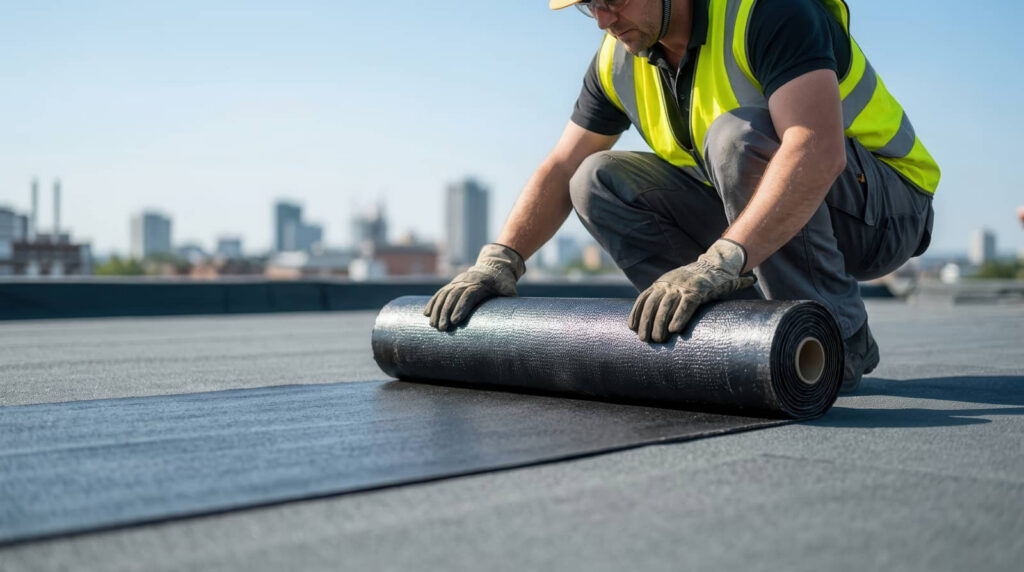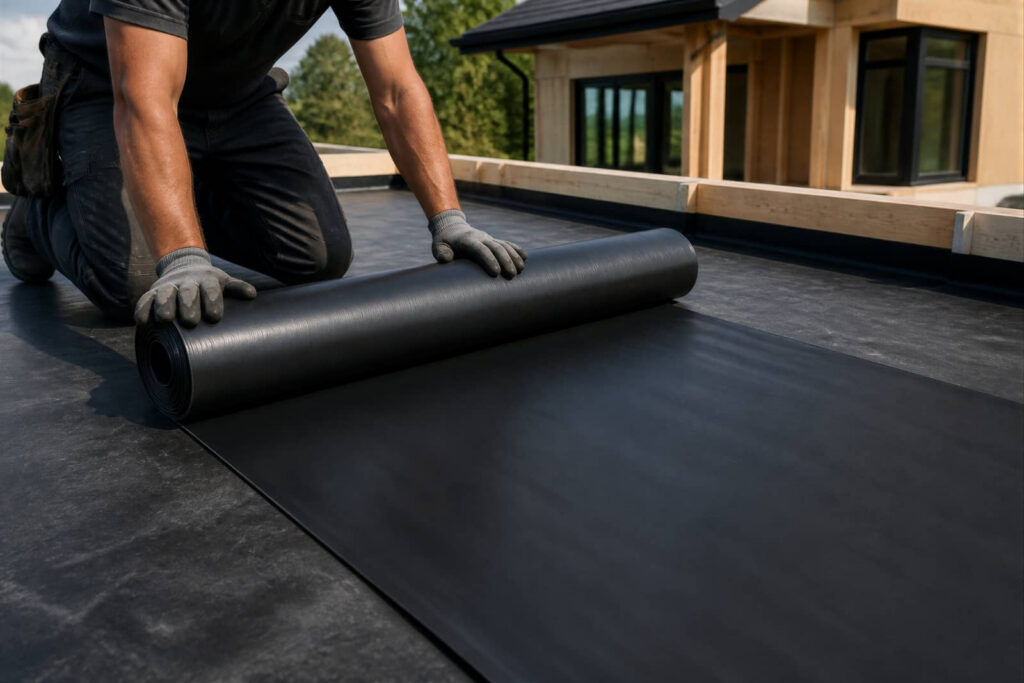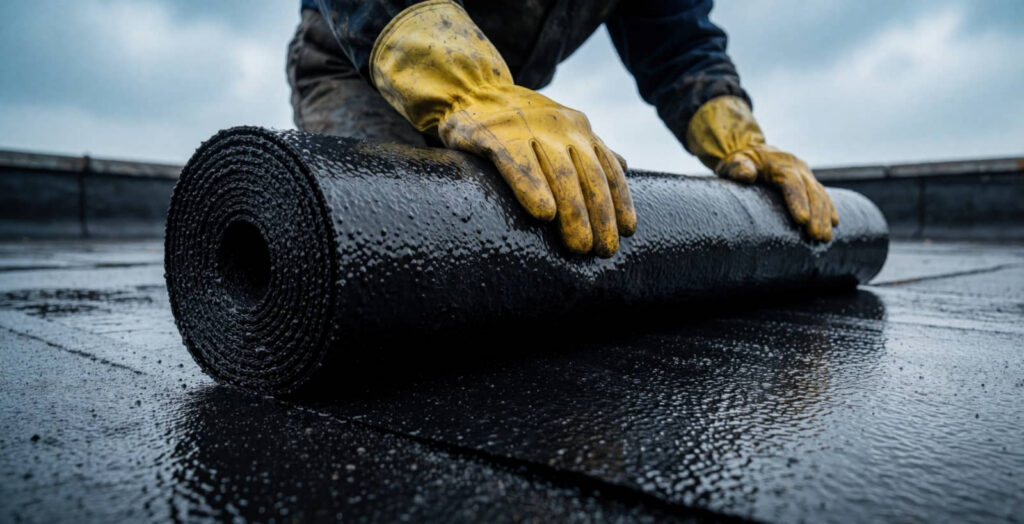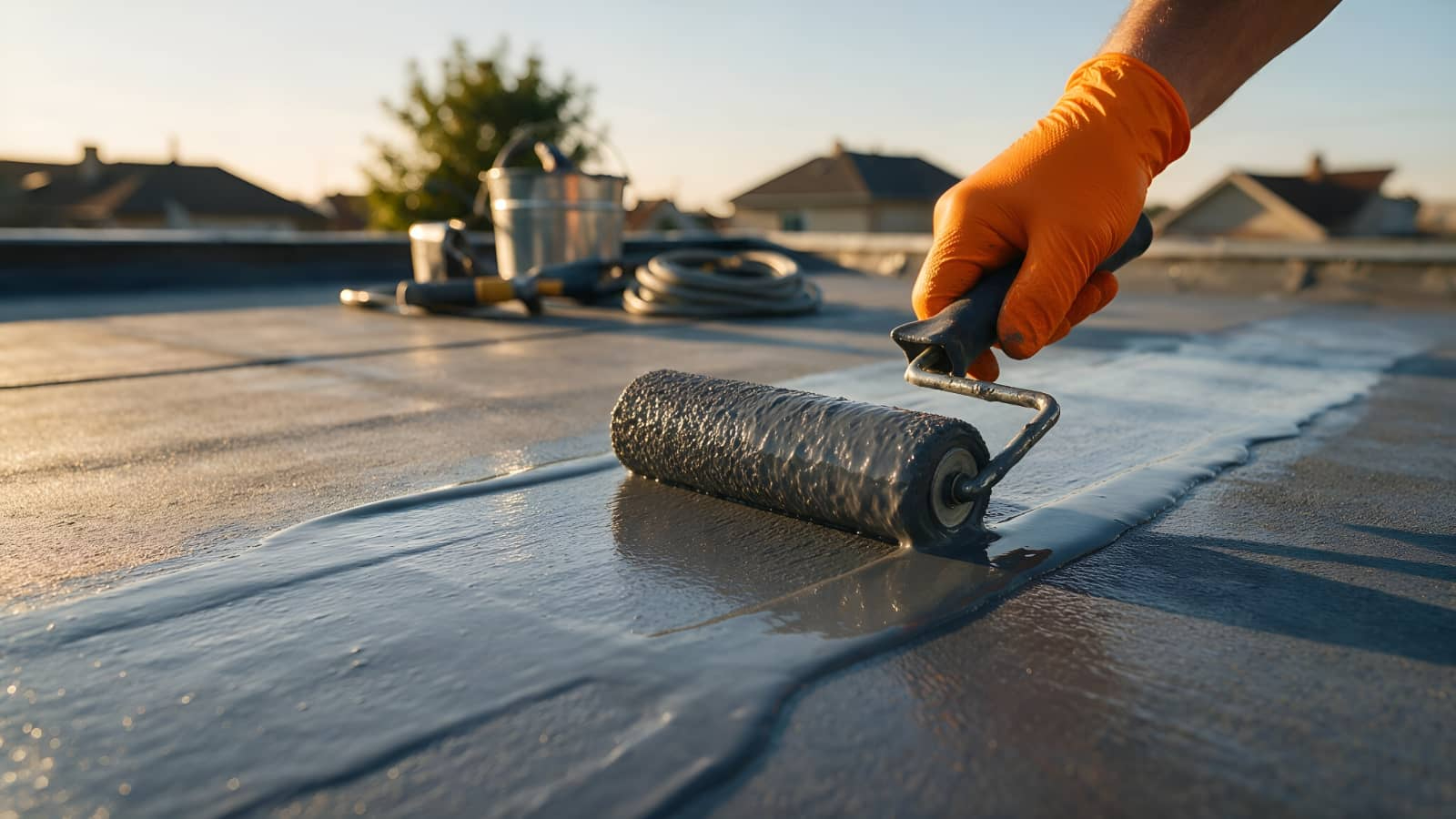
If you’re weighing asphalt shingle roofing for your home, you’re looking at a system that balances cost, durability, and appearance. You can choose from basic fiberglass shingles to thicker laminated styles that mimic slate, but the right choice depends on your roof slope, climate, and budget. Before you decide, it helps to understand how these shingles work, how they’re installed, and what they’ll really cost over time.
Key Takeaways
- Asphalt shingle roofing is a common, practical system that protects homes from rain, wind, and temperature changes.
- Shingles are typically fiberglass mat, asphalt, and granules, with 3-tab, architectural, and premium styles available.
- Benefits include affordability, easy installation, good weather resistance, and a wide range of colors and textures.
- Proper installation requires a sound roof deck, underlayment, flashing, starter shingles, and correctly nailed field shingles.
- Lifespan is usually 15–30 years, and costs depend on roof size, pitch, materials, and disposal fees.
What Is Asphalt Shingle Roofing?
Asphalt shingle roofing is a common roof system that uses overlapping asphalt-coated shingles to shed water and protect your home. You get a layered assembly that relies on proper overlap, fasteners, and seal lines to keep moisture out.
In asphalt shingle roofing, each course works with the next, so your roof can handle rain, wind, and normal temperature changes. You’ll usually see it on homes because it’s practical, familiar, and easy for your roofing team to service.
When installed correctly, it gives you dependable weather protection and a clean, finished look. If you want a roof choice that fits many neighborhoods and budgets, this system belongs on your shortlist.
It helps you feel confident your home stays secure, comfortable, and ready for daily life.
Asphalt Shingle Roofing Materials and Styles
Your roofing choice starts with the material and style of shingle you pick, since both affect performance, appearance, and cost.
Most asphalt shingles use a fiberglass mat coated with asphalt and ceramic granules; some older products use organic felt. Fiberglass shingles are lighter, fire resistant, and common in today’s market.
You’ll also see 3-tab shingles, which give a flat, uniform look, and architectural shingles, which are thicker, layered, and more dimensional. Premium laminated styles mimic slate or wood shakes for a higher-end finish.
Check shingle weight, granule quality, and wind rating before you buy. Match the profile to your home’s roof pitch and your neighborhood’s look so your roof fits in and performs well.
Benefits of Asphalt Shingle Roofing
One of the biggest advantages of asphalt shingle roofing is its balance of cost, performance, and ease of installation. You get a roofing system that fits many budgets without sacrificing dependable weather resistance.
Modern shingles also offer solid impact, wind, and UV protection, so your home stays better shielded through changing seasons. If you care about curb appeal, you can choose from colors and textures that help your house look polished and feel part of the neighborhood.
Asphalt shingles also support straightforward repairs, so you can address damaged sections without replacing the entire roof. For many homeowners, that means predictable upkeep, practical value, and confidence in a proven material.
It’s a smart choice when you want a familiar, reliable roof.
How Asphalt Shingle Roofing Is Installed
Installation starts with a clean, dry roof deck that’s inspected for damage, soft spots, and proper fastening.
You then install drip edge, underlayment, and ice-and-water barrier at vulnerable areas to control leaks.
Next, you snap chalk lines so each course stays straight and the roof looks uniform from the street.
You lay starter shingles along the eaves and rakes, then nail each field shingle with the correct pattern and spacing.
Around valleys, vents, chimneys, and walls, you add flashing and cut shingles to fit tightly.
You finish with ridge caps that seal the peak and improve wind resistance.
When the crew works methodically, you get a roof that fits your home, supports your neighbors’ standards, and performs as a solid part of the community.
Asphalt Shingle Roofing Lifespan and Costs
After the last shingle is nailed down, asphalt roofing’s value comes down to how long it lasts and what you spend over that service life.
In your home, standard 3-tab shingles usually last 15 to 20 years, while architectural shingles often reach 25 to 30 years with solid ventilation and routine care. Your total cost depends on roof size, pitch, tear-off labor, underlayment, flashing, and local disposal fees.
- Lower upfront cost than metal or tile
- Higher long-term value with quality shingles
- Repair costs stay manageable when you act fast
If you inspect after storms and keep debris off valleys, you’ll protect your budget and stay in the group of homeowners who get the most from each roofing dollar.
Frequently Asked Questions
How Do I Choose the Best Asphalt Shingle Color for My Home?
Choose a shingle color that matches your home’s siding, roof pitch, and neighborhood style. You’ll want to test samples outdoors, compare them in different light, and pick a shade that hides dirt and boosts curb appeal.
Can Asphalt Shingles Be Installed Over an Existing Roof?
Yes, you can install asphalt shingles over one existing roof layer if local codes allow and decking’s sound. You’ll save labor, but you’ll add weight, hide damage, and usually shorten future repair options.
How Often Should Asphalt Shingles Be Inspected for Damage?
You should inspect asphalt shingles twice yearly, and after severe storms. I’ve checked the theory that frequent checks prevent costly leaks, and it does, helping you protect your home and belong among proactive homeowners.
What Maintenance Helps Asphalt Shingles Last Longer?
You can help shingles last longer by clearing debris, cleaning gutters, trimming overhanging branches, checking flashing, replacing cracked tabs, and removing moss promptly. You should also schedule regular inspections and fix leaks quickly.
Are Asphalt Shingles Recyclable After Replacement?
Yes, you can recycle asphalt shingles after replacement, and you’ll support your community by reducing landfill waste. You should ask local recyclers first, since facilities vary. Clean shingles often become pavement or other construction materials.
Recap
As you weigh asphalt shingle roofing, remember this: a well-installed roof can last 15 to 30 years, giving you decades of reliable protection for a relatively low upfront cost. You get a practical system that balances durability, appearance, and easy maintenance. If you choose the right style and keep up with inspections, you’ll extend its service life and reduce repair expenses. For most homes, that’s a smart, efficient roofing investment.