When you deal with flat roof systems, you need to pinpoint what’s causing the leak before you touch the surface. You’ll inspect membranes, flashing, seams, and drainage details, then match the repair to the damage you find. Some issues call for a simple patch, while others need coating or replacement planning. The real question is how far the failure has spread, and that changes everything.
Key Takeaways
- Flat roof leaks often start at seams, flashing, penetrations, low spots, or areas damaged by UV, movement, or foot traffic.
- Inspect for punctures, blisters, open seams, standing water, clogged drains, and soft spots before choosing a repair.
- Patch small membrane damage with a compatible material after cleaning, drying, trimming edges, and pressing the patch firmly.
- Repair flashing and seams by removing loose material, realigning laps, and applying approved adhesive, tape, or flashing components.
- Replace the roof when damage is widespread, leaks repeat, or the membrane is brittle, ponding, or nearing end of life.
Identify What Causes Flat Roof Leaks
Flat roof leaks usually start when the membrane loses integrity at seams, penetrations, flashing, or low spots where water can pond.
You’ll often see stress from UV exposure, thermal movement, foot traffic, or poor adhesion, and each one can open a path for moisture.
You can reduce risk by understanding how flat roof systems repair methods target those weak points before damage spreads.
When you know the usual failure modes, you’ll choose the right repair approach faster and protect the assembly better.
Aging sealant, punctures, split membrane, and clogged drainage all add strain.
Stay focused on the roof’s vulnerable junctions, because that’s where small defects become active leaks.
With the right repair mindset, you’re not just fixing damage—you’re supporting the whole system.
Inspect Flat Roof Damage
You should inspect the membrane for cuts, punctures, blisters, and open seams, since these defects usually signal loss of integrity.
Check drainage areas for standing water, blocked scuppers, and debris buildup, because poor drainage often accelerates roof damage.
Mark every affected area so you can prioritize repairs and prevent leaks from spreading.
Identify Membrane Damage
Where’s the damage hiding? You’ll find it in blisters, splits, punctures, open seams, and worn flashings.
Walk the membrane slowly and look for color changes, surface scuffs, and soft spots that suggest hidden failure. Press gently with your hand or boot to feel for weak adhesion or trapped moisture.
Check around penetrations, edges, and previous patches, because these areas often fail first. Use a probe or scraper to test suspicious spots, but don’t cut into sound material.
Mark every defect with chalk so your crew can return with the right repair method.
When you identify membrane damage early, you protect the roof system, reduce leak risk, and keep the repair plan focused, efficient, and built for the whole team.
Check Drainage Areas
Even when the membrane looks sound, drainage areas often reveal the earliest signs of flat roof damage. You should inspect scuppers, internal drains, and gutters for ponding, debris, and rust.
Standing water means your slope or outlet flow isn’t working, and that can soften seams, blister membranes, and invite leaks. Clear leaves, gravel, and sediment so water can move freely.
Check strainers and drain bowls for cracks, loose fasteners, or failed sealant. Look for dark staining around outlets, because it shows repeated overflow.
- Remove blockages and verify fast drainage.
- Trace stains to find hidden seam failures.
- Test adjacent insulation for moisture before repair.
When you catch drainage problems early, you protect the roof system and stay ahead together.
Patch Flat Roof Membranes
When a flat roof membrane develops a puncture, split, or open seam, patching it quickly helps stop water intrusion and limit further deterioration.
You should clean the damaged area, remove loose debris, and dry the surface completely before you start. Trim ragged edges so your patch can bond evenly, then select a compatible repair material that matches your roof system.
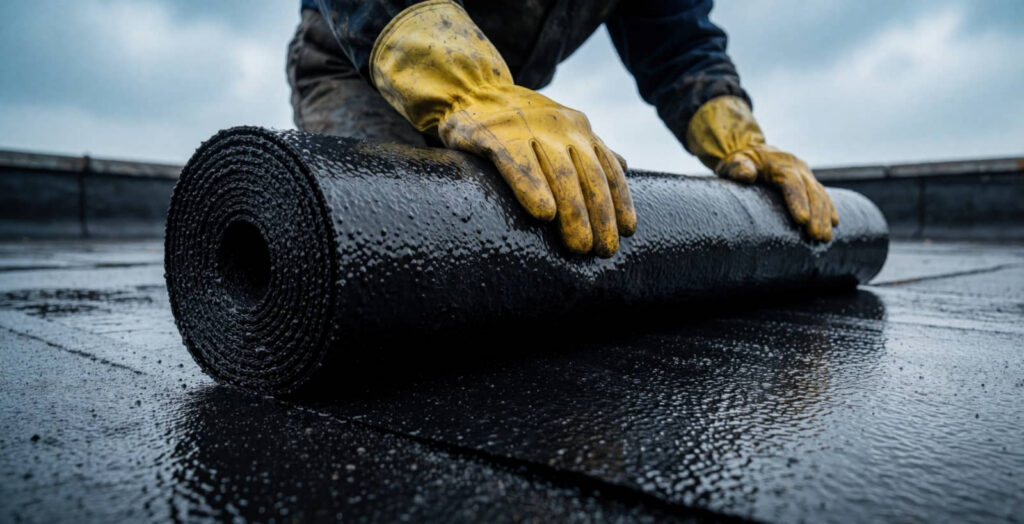
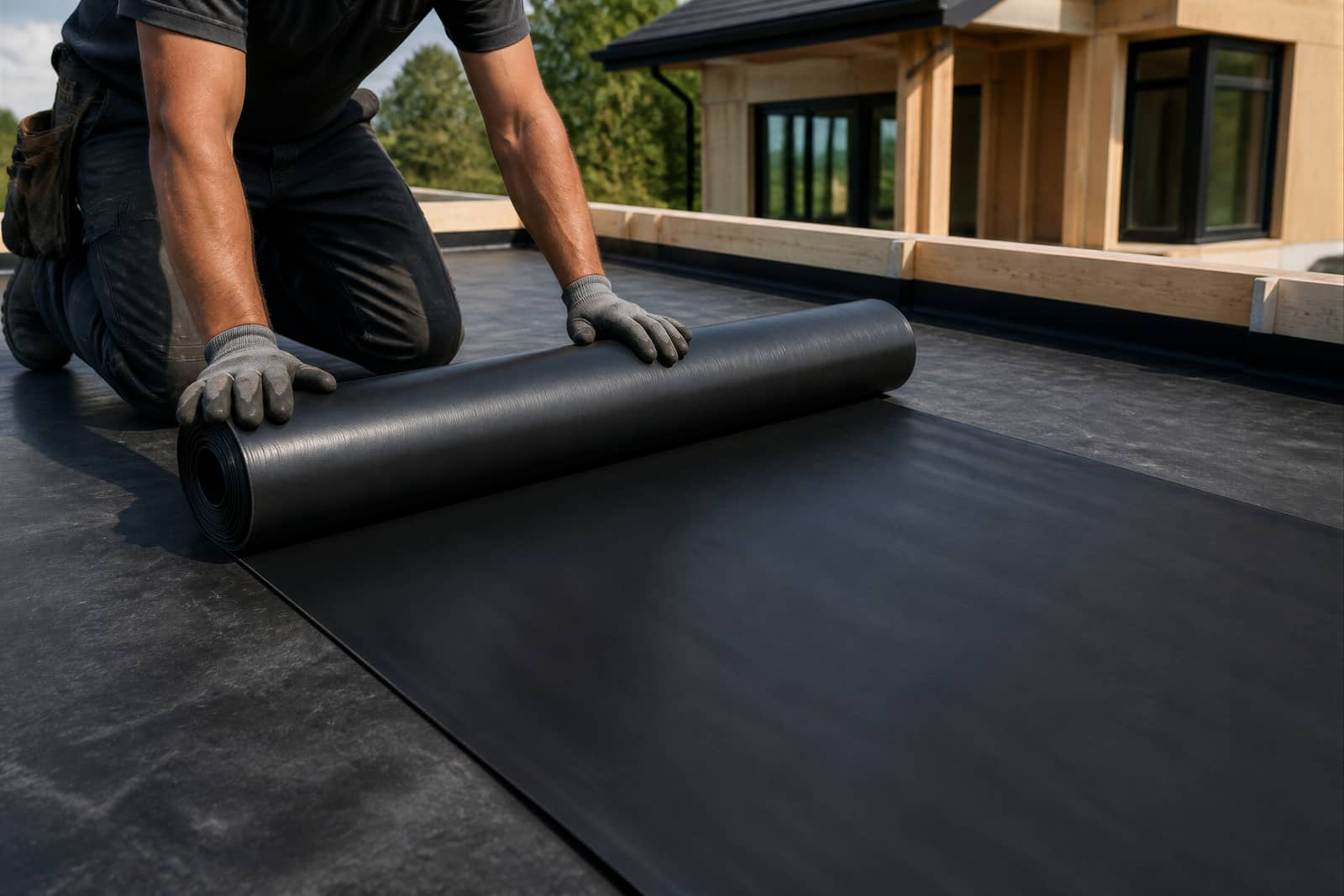
Cut the patch large enough to extend beyond the damage and press it firmly into place with the proper adhesive or weld method. Roll it to eliminate air pockets and ensure full contact.
Inspect the edges for secure adhesion, then test the repair during the next rain. By working methodically, you protect your roof and stay in control with your crew.
Repair Flat Roof Flashing and Seams
Damaged flashing and open seams need prompt repair because they’re common entry points for water on flat roof systems. You should inspect edges, penetrations, parapet joints, and laps for lifted metal, cracked sealant, or split membrane.
Clean the area, dry it, then remove loose material so your repair bonds well. Use compatible flashing material, secure fasteners, and replace failed termination details.
For seams, realign the membrane, apply approved adhesive or tape, and roll it firmly to remove air.
- A loose vent boot can wick water into insulation.
- A separated lap can open after wind uplift.
- A corroded edge flashing can expose the roof deck.
When you handle these details carefully, you help your roof crew keep the whole system tight and dependable.
Use Roof Coatings to Seal Leaks
Roof coatings can seal small leaks and add a protective barrier over aging flat roof membranes, but they work best after you’ve cleaned, dried, and repaired the substrate.
You should choose a coating that matches your membrane type, such as acrylic, silicone, or polyurethane, and follow the manufacturer’s coverage rate.
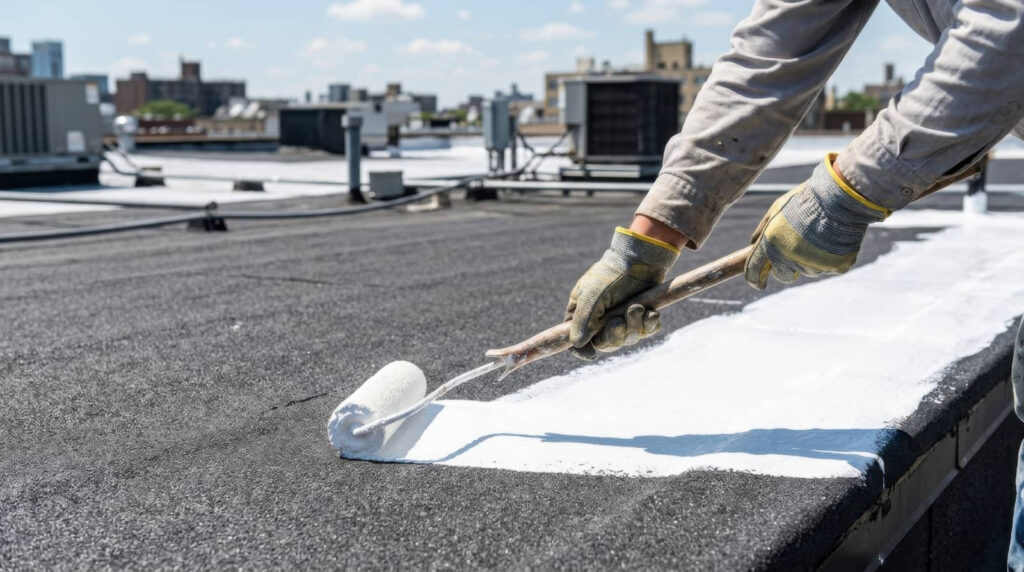
Apply it evenly with a roller, brush, or sprayer, then reinforce seams, penetrations, and ponding-prone areas with fabric where required.
Keep the film thickness uniform so you don’t leave weak spots. Let each coat cure fully before adding the next, and inspect for pinholes or missed edges.
When you coat correctly, you join a crew of owners who extend service life, reduce downtime, and keep minor leaks from turning into recurring problems.
Decide Whether to Repair or Replace
You need to compare repair versus replacement by evaluating the roof’s damage severity, leak extent, and membrane condition.
If the damage is localized and the system still has usable life, a targeted repair can restore performance.
If deterioration is widespread or recurring, replacement often makes more sense.
Run a lifespan cost analysis so you can choose the option that delivers the best long-term value.
Repair Vs Replacement
When should you repair a flat roof, and when does replacement make more sense? You’ll usually repair when the membrane is still mostly sound and the issue is localized.
Choose replacement when you want a long-term reset and your roof’s age makes piecemeal fixes less practical. Talk with your crew, compare timelines, and pick the option that keeps your building protected and your team aligned.
- Small seam splits: repair with compatible patches and sealant.
- Worn flashing at penetrations: resecure and reinforce the detail.
- Aging system with recurring fixes: plan replacement to reduce repeat callbacks.
You don’t need a perfect roof to stay covered; you need the right decision. A targeted repair can restore function fast, while replacement can give your space a cleaner, more reliable future.
Damage Severity Assessment
Once you’ve narrowed the problem area, assess how far the damage has spread before choosing a repair path.
Check the membrane, seams, flashings, insulation, and deck for soft spots, blisters, punctures, cracks, or moisture intrusion.
If the issue stays localized and the surrounding materials still bond well, you can usually patch, seal, or reinforce the section.
If water has traveled under the membrane, multiple seams have failed, or the substrate feels unstable, replacement becomes the safer call.
You’ll make better decisions when you map the full affected zone instead of reacting to the visible leak alone.
That’s how you protect your crew, keep the system dependable, and stay part of a roof team that fixes problems the right way.
Lifespan Cost Analysis
If the roof still has enough service life left, a targeted repair usually makes the most sense; if age, recurring leaks, or widespread deterioration point to repeated failures, replacement can be the lower-cost option over time.
You should compare today’s fix with future service calls, lost energy performance, and disruption. A patch that lasts two seasons isn’t cheaper than a membrane replacement that buys 15 years of stability.
Track your crew’s labor, materials, and warranty coverage, then weigh them against the roof’s remaining life.
Repair: small seam splits, isolated punctures, one-time flashing failure.
Replace: brittle membrane, ponding water, repeated blistering, multiple leak paths.
Decide: total lifecycle cost, not just the invoice, guides the smarter move for your building team.
Frequently Asked Questions
How Long Do Flat Roof Repairs Usually Last?
Flat roof repairs usually last 5 to 20 years, depending on your membrane, workmanship, weather, and maintenance. You’ll get longer service if you inspect regularly, fix damage quickly, and keep drains clear.
Can Flat Roof Leaks Be Fixed in Winter?
Yes, you can fix flat roof leaks in winter, but you’ll need dry conditions, proper surface prep, and cold-weather-compatible materials. You should act quickly, since freezing temperatures can worsen membrane damage and intrusion.
Which Repair Materials Work on All Membrane Types?
No single patch fits every membrane; you’ll usually trust compatible primers, seam tapes, and manufacturer-approved coatings. Think of them as keys matching locks, so you stay secure, included, and leak-free across TPO, EPDM, PVC, and modified bitumen.
Are Flat Roof Repairs Safe During Heavy Rain?
No, you shouldn’t repair a flat roof during heavy rain because you’ll risk poor adhesion and unsafe footing. You can tarp the area, then wait for dry conditions and inspect hidden moisture.
Do Repairs Affect Roof Warranties?
Yes, repairs can affect your warranty if you use unapproved materials or installers. You should check your warranty terms first, then document work and use certified technicians so you protect coverage and stay compliant.
Wrap-Up
You’ve seen how flat roof leaks start, how damage spreads, and how fast a small defect can turn into a roofing disaster. Patch membranes, seal flashing, and coat problem areas before water finds every weak spot. If the roof is heavily worn, don’t keep nursing it along—repairing a failing system can cost you more than replacement. Inspect it regularly, act fast, and you’ll keep your flat roof performing like a workhorse instead of a leaky liability.