When it comes to flat roofs, choosing the right materials can feel like maneuvering through a labyrinth. You need to weigh durability, weather resistance, and cost-efficiency carefully. Options like TPO and EPDM stand out for their energy efficiency, while built-up roofing boasts strength. But what about installation and long-term maintenance? Understanding these aspects is essential to ensuring your flat roof meets both functional and aesthetic needs. So, what materials should you prioritize for your project?
Key Takeaways
- Assess durability ratings and weather resistance to ensure longevity and performance under various conditions.
- Consider installation complexity and the necessary skills, as this affects overall costs and roof performance.
- Evaluate maintenance requirements for each material, as some may incur higher long-term expenses.
- Compare the cost per square foot of materials, with TPO and PVC being more affordable options.
- Explore unique advantages of materials, like energy efficiency in TPO or eco-friendliness in rubber roofing, to meet specific needs.
Understanding Flat Roof Types
When it comes to flat roofs, understanding the various types available is essential for making informed decisions about material selection and installation.
Flat roofs offer several benefits, including cost-effectiveness, ease of maintenance, and additional usable space for HVAC units or rooftop gardens. However, they also present unique challenges, such as drainage concerns and susceptibility to leaks if not properly installed.
There are three primary types of flat roofs: built-up roofing (BUR), modified bitumen, and single-ply membranes.
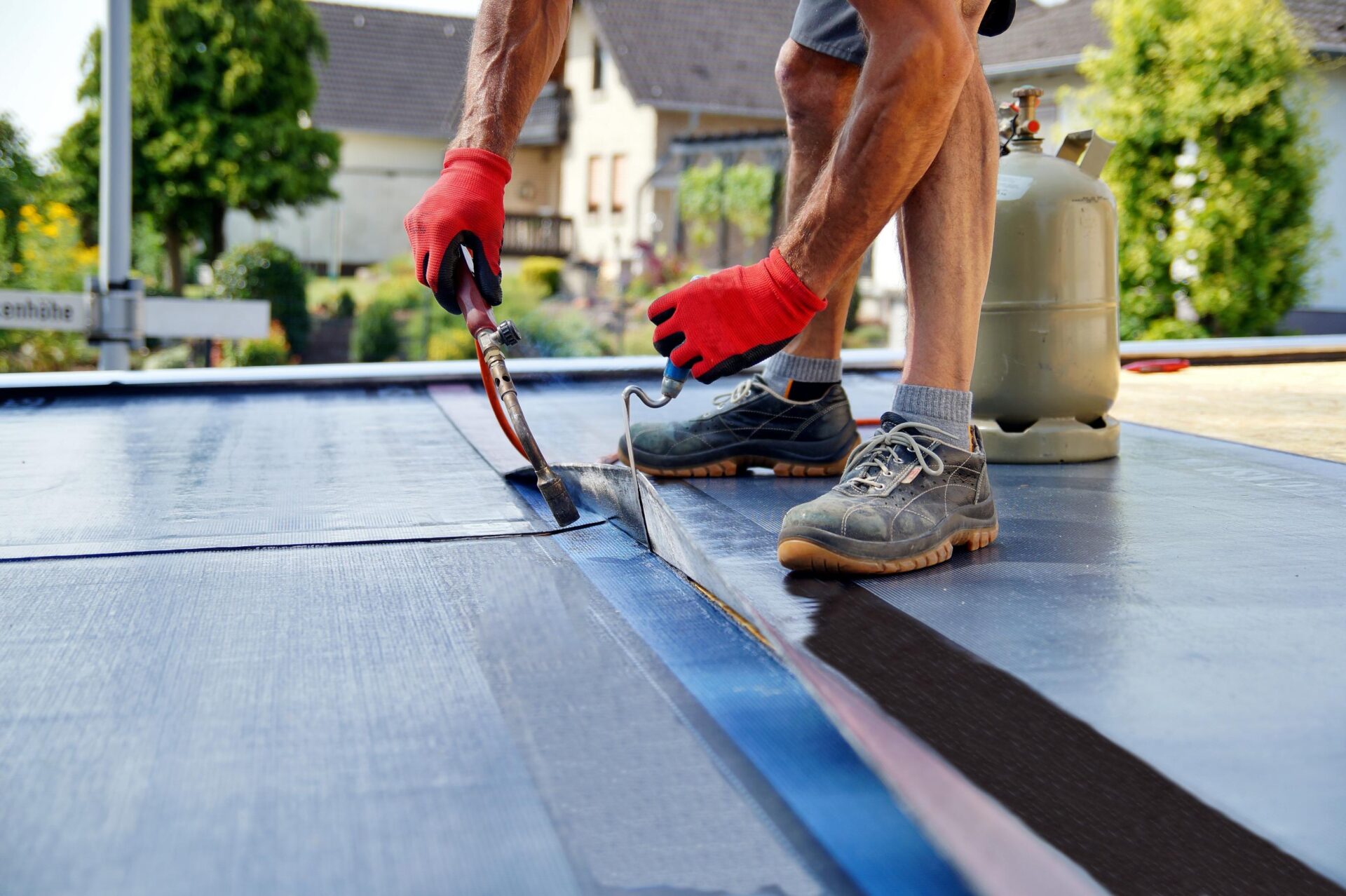
BUR consists of multiple layers of bitumen and reinforcing fabrics, providing durability. Modified bitumen, which incorporates polymers, offers flexibility and ease of installation. Single-ply membranes, such as TPO and EPDM, are lightweight and resistant to UV damage.
Key Factors to Consider in Material Selection
Selecting the right materials for a flat roof involves considering multiple factors that can considerably impact performance and longevity. You’ll want to focus on durability ratings, as these indicate how well materials withstand wear over time. Higher durability ratings mean less frequent repairs and replacements, ultimately saving you money.
Weather resistance is another critical factor; materials must endure various elements like rain, snow, and UV exposure without degrading. Look for options that come with warranties, as these often reflect the manufacturers’ confidence in their products’ weather resistance.
Additionally, consider the installation process and maintenance requirements. Some materials may require specialized skills for installation, which can increase your overall costs.
Popular Flat Roof Materials
While various materials are available for flat roofs, some have become particularly popular due to their proven performance and reliability.
TPO membranes are favored for their energy efficiency and ease of installation, making them a top choice for many homeowners.
EPDM rubber offers excellent durability and flexibility, adapting well to temperature changes.
PVC roofing, known for its chemical resistance, is ideal for commercial applications.
Built-up roofing combines multiple layers for added strength, while modified bitumen provides enhanced weather resistance.
Green roofing is gaining traction as a sustainable option, allowing for vegetation growth and improved insulation options.
It’s essential to take into account adequate drainage systems with any material to prevent water pooling and damage.
Advantages and Disadvantages of Each Material
Understanding the advantages and disadvantages of each flat roofing material is essential for making an informed decision. Here’s a quick comparison to guide you:
| Material | Advantages | Disadvantages |
|---|---|---|
| Rubber Roofing | Durable, weather-resistant, eco-friendly | Can be prone to punctures, limited color options |
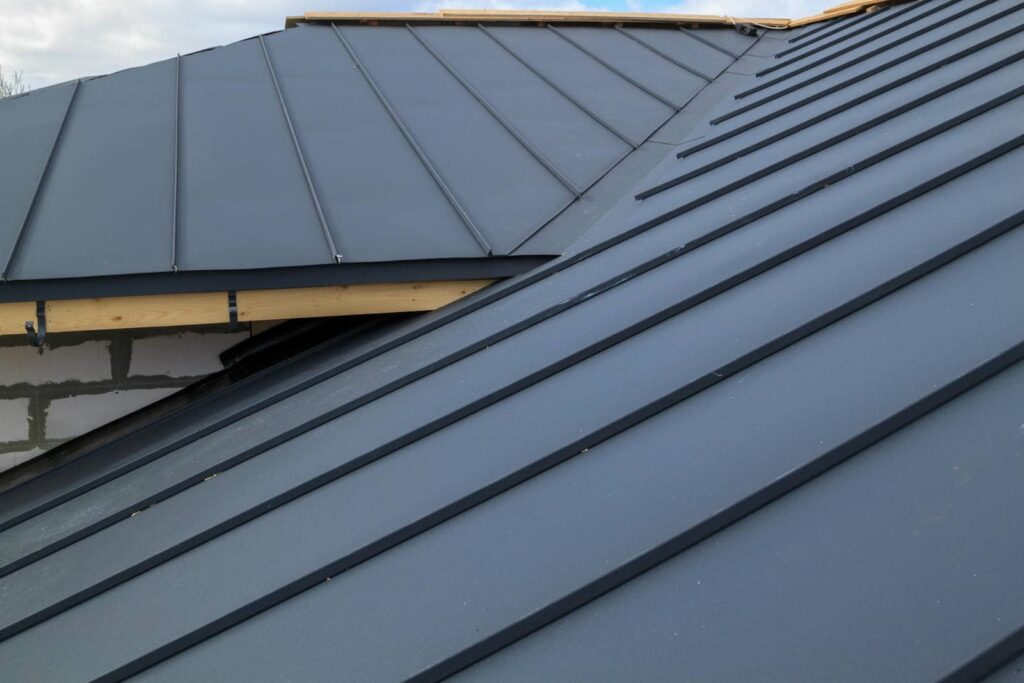
| Metal Roofing | Long lifespan, reflective, low maintenance | Higher initial cost, noisy during rain |
| TPO | Energy efficient, easy installation | Vulnerable to UV degradation over time |
| EPDM | Cost-effective, flexible | Requires regular maintenance |
| Built-Up Roofing | Highly durable, customizable | Heavy, requires skilled installation |
Cost Comparison of Flat Roof Materials
When evaluating flat roofing materials, it’s crucial to take into account the overall costs involved, which can vary considerably based on the type of material chosen.
A thorough cost analysis helps you understand material pricing, allowing for informed decisions that fit your budget.
For instance, TPO and PVC membranes typically range from $3 to $7 per square foot, making them cost-effective options for many homeowners.
In contrast, EPDM rubber roofing may be slightly pricier, averaging $4 to $8 per square foot.
Built-up roofs (BUR) can incur higher initial costs due to labor-intensive installation, but their longevity can offset this expense over time.
On the flip side, modified bitumen roofs often fall in the middle of the pricing spectrum at about $5 to $9 per square foot.
Longevity and Maintenance Requirements
The longevity and maintenance requirements of flat roofing materials greatly impact their overall value and practicality. When choosing materials, consider the roof lifespan each option offers. For instance, EPDM can last up to 30 years with proper care, while TPO might only reach 20 years.
Understanding these differences helps you make informed decisions that align with your long-term goals.
Maintenance frequency is another critical factor. Some materials, like PVC, require minimal maintenance but should still be inspected regularly for punctures or seams.
Others may demand more frequent upkeep, such as recoating or repairs. It’s essential to factor in these ongoing responsibilities when selecting your roofing material.
Environmental Impact of Flat Roof Materials
When choosing flat roof materials, consider their environmental impact, particularly regarding sustainability and energy efficiency.
Sustainable options, such as recycled or eco-friendly materials, can greatly reduce your carbon footprint.
Additionally, energy-efficient roofing can lower heating and cooling costs, promoting a more sustainable building design.
Sustainable Material Options
While selecting materials for flat roofs, it’s crucial to take into account their environmental impact and sustainability.
You can opt for recycled roofing materials, which effectively reduce waste and minimize resource consumption. These materials, often derived from post-consumer and post-industrial products, help lower your carbon footprint.
Eco-friendly options, such as TPO (Thermoplastic Olefin) and EPDM (Ethylene Propylene Diene Monomer), are also excellent choices, as they contain fewer harmful chemicals and offer long-lasting durability.
These sustainable materials contribute to a healthier planet, and also provide the quality and performance you need for your roof.
Energy Efficiency Considerations
Sustainable materials like TPO and EPDM benefit the environment and enhance energy efficiency for flat roofs.
By implementing effective insulation techniques, you can considerably reduce energy consumption, keeping your building comfortable year-round. Insulation minimizes heat transfer and aids in lowering your heating and cooling costs.
Additionally, using reflective coatings on your flat roof can further improve energy efficiency by reflecting sunlight away, reducing heat absorption. This can help maintain a cooler indoor environment, especially during hot months.
When you prioritize these energy-efficient solutions, you’re not just optimizing your roof; you’re also making a responsible choice for the planet and your wallet.
Embrace these strategies to create a sustainable, energy-efficient flat roofing system.
Final Thoughts
In choosing the best materials for your flat roof, think of it like selecting the foundation for a house; it needs to be strong and reliable. By weighing factors like durability, cost, and maintenance, you can find a solution that protects your investment and enhances your property’s value. Evaluating options like TPO, EPDM, and built-up roofing ensures you make an informed decision, allowing your roof to stand the test of time while meeting your needs.