When storm damage hits your commercial roof, you need to identify punctures, lifted seams, membrane tears, and flashing failure fast with Commercial Roof Repair. You should document the damage, stabilize any active leaks, and get a contractor on-site before hidden moisture spreads. The repair path isn’t always obvious, because some conditions call for targeted patching while others point to larger system failure. Knowing which is which can change everything.
Key Takeaways
- Inspect for lifted seams, punctures, missing flashing, standing water, and hail damage immediately after the storm.
- Document all visible damage before temporary mitigation, including photos, leak locations, and affected interior areas.
- Protect the building with tarps, barriers, and equipment isolation to prevent further water and electrical damage.
- Use professional assessment tools like moisture meters and infrared scans to find hidden saturation and structural issues.
- Repair with targeted patching, seam reinforcement, and flashing replacement, but consider replacement for widespread membrane failure.
What Storm Damage Looks Like
Storm damage on a commercial roof often shows up as lifted seams, punctures, membrane tears, missing flashing, and standing water after the storm passes.
You can also see dented metal panels, displaced ballast, cracked sealant, and loose fasteners where wind stressed the assembly. Hail may bruise membranes or fracture coatings, while debris can gouge surfaces and expose the substrate.
These signs often indicate water entry points that threaten insulation and deck performance. When you inspect your roof, look for uneven surfaces, color changes, and debris impact patterns.
Clear documentation helps you plan commercial roof repair for storm damage with confidence. You’re not dealing with isolated flaws; you’re identifying a system under stress that needs prompt, precise attention from your roofing team.
Emergency Steps After a Storm
After a storm, you should inspect the roof for visible damage, including punctures, lifted seams, displaced flashing, and standing water.
You should document each issue before you begin any temporary mitigation.
Then you need to protect interior spaces with tarps, containment, or drainage control to limit water intrusion and secondary damage.
Assess Visible Damage
Once it’s safe to inspect the property, you should assess visible roof damage right away to identify urgent risks and document storm impact.
Walk the perimeter and note missing membrane, lifted flashing, punctures, hail bruising, dents, and displaced fasteners. Check rooftop equipment curbs, drains, seams, and edge metal for separation or distortion.
Use clear photos from multiple angles, and tag each issue with location details so your roofing team can verify conditions fast. If you see sagging areas, exposed insulation, or debris impact points, mark them for immediate evaluation.
Stay objective and avoid assumptions; accurate observations help your contractor plan the right commercial roof repair and keep your crew aligned.
A precise inspection now supports faster recovery, stronger communication, and safer next steps for everyone involved.
Protect Interior Spaces
If water is entering the building, you need to protect interior spaces immediately to limit secondary damage and keep operations safe. Move staff away from affected zones, shut down vulnerable equipment, and isolate electrical circuits near leaks.
Place tarps, plastic sheeting, or absorbent barriers under active drips to shield flooring, inventory, and finishes. Remove movable assets from wet areas, then elevate anything you can’t relocate. Document each damaged space with photos and notes so your roof contractor can verify storm impact.
If ceiling materials sag or stain, cordon off the area and don’t let anyone stand beneath it. You’re not just containing damage—you’re preserving uptime, reducing restoration costs, and keeping your facility ready for coordinated commercial roof repair.
How Contractors Assess Roof Damage
You’ll start with a visual damage inspection to identify missing membrane sections, punctures, lifted seams, and debris impact.
Next, contractors trace leak source detection by mapping water intrusion paths, checking penetrations, drains, flashings, and interior staining.
They then perform a structural integrity check to confirm the deck, supports, and load-bearing components haven’t been compromised.
Visual Damage Inspection
After a storm, contractors begin with a visual damage inspection to quickly identify compromised areas and determine how far the damage has spread. You’ll see them walk the roof in a controlled pattern, checking membranes, seams, flashing, drains, curbs, and penetrations for tears, punctures, uplift, blistering, and displacement.
They compare damage across sections to spot impact patterns and wind-driven failure. You get a clear, field-tested assessment that helps prioritize urgent repairs and protect your building team.
Contractors also note debris, ponding, exposed insulation, and loose fasteners because those conditions signal reduced roof performance. With this disciplined inspection, you stay aligned with a crew that understands commercial roofing standards, documents visible conditions, and helps your facility move confidently toward recovery.
Leak Source Detection
Once the visible damage is mapped, contractors trace the leak source to find where water actually entered the assembly, not just where it appears inside the building.
You get a tighter diagnosis when they follow water paths across seams, penetrations, terminations, and flashings, then compare those findings with wind direction and impact marks.
They’ll also use:
- moisture meters to pinpoint wet insulation
- infrared scans to flag hidden saturation
- controlled hose testing to confirm entry points
This process helps you avoid broad, costly repairs and keeps the work focused on the failing detail.
With a clear source identified, your team can move toward targeted restoration with confidence.
You’re not guessing; you’re working from evidence, and that’s how strong roof recovery starts.
Structural Integrity Check
With the leak source identified, contractors next verify whether storm forces compromised the roof’s structural capacity, not just its weatherproofing.
You’ll see them inspect deck deflection, membrane uplift, seam separation, fastener pullout, and saturated insulation. They check for punctures, crushed curb supports, bent flashings, and displaced panels that can signal hidden load transfer issues.
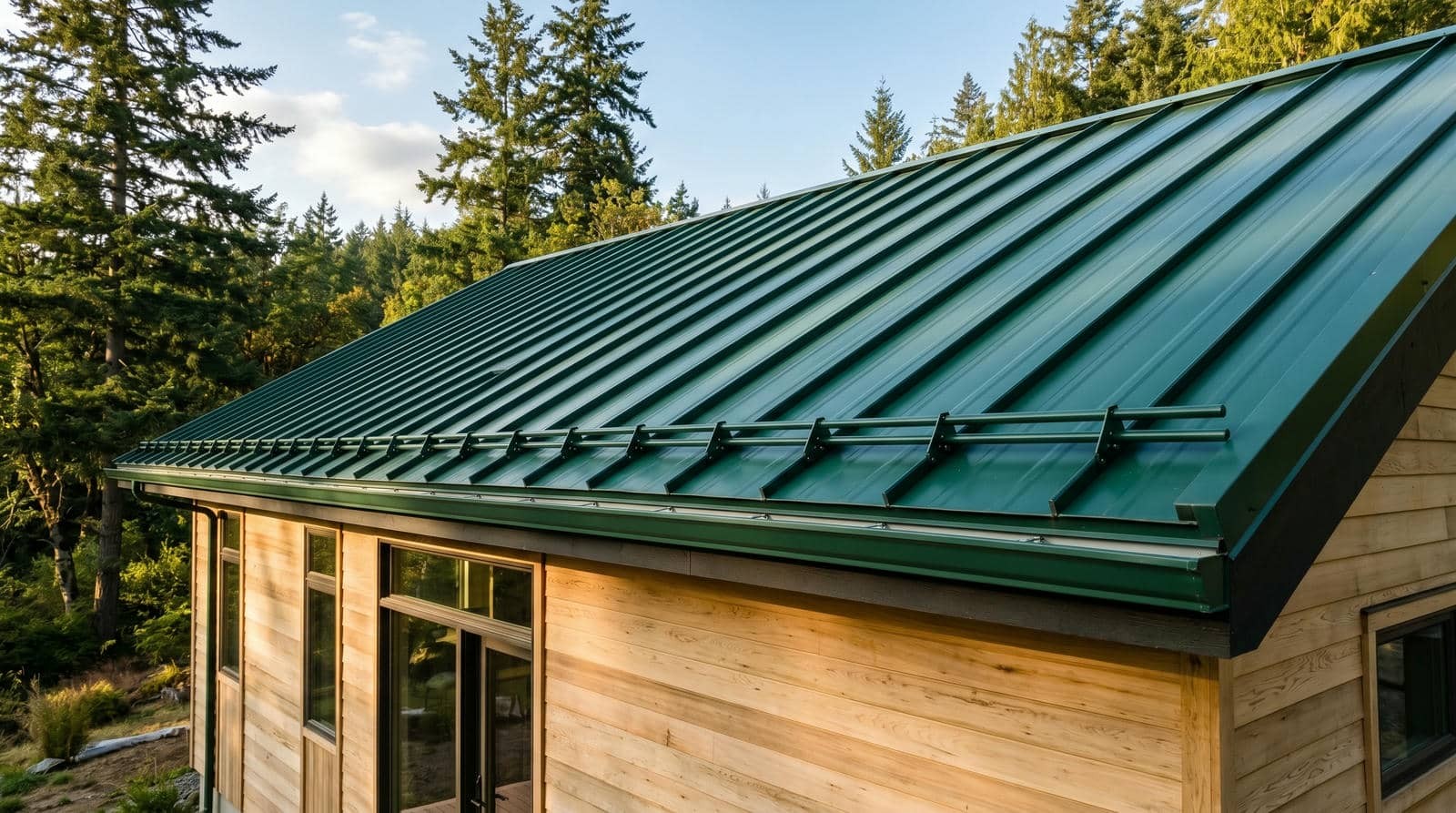
On flat systems, they probe low spots for trapped water and measure sag that can indicate compromised joists or framing. On metal roofs, they test clips, seams, and attachment points for fatigue.
You get a clear report on what’s cosmetic, what’s repairable, and what needs immediate reinforcement. This step protects your building, keeps your crew informed, and helps your team move from emergency response to a confident recovery plan.
Common Commercial Roof Repair Methods
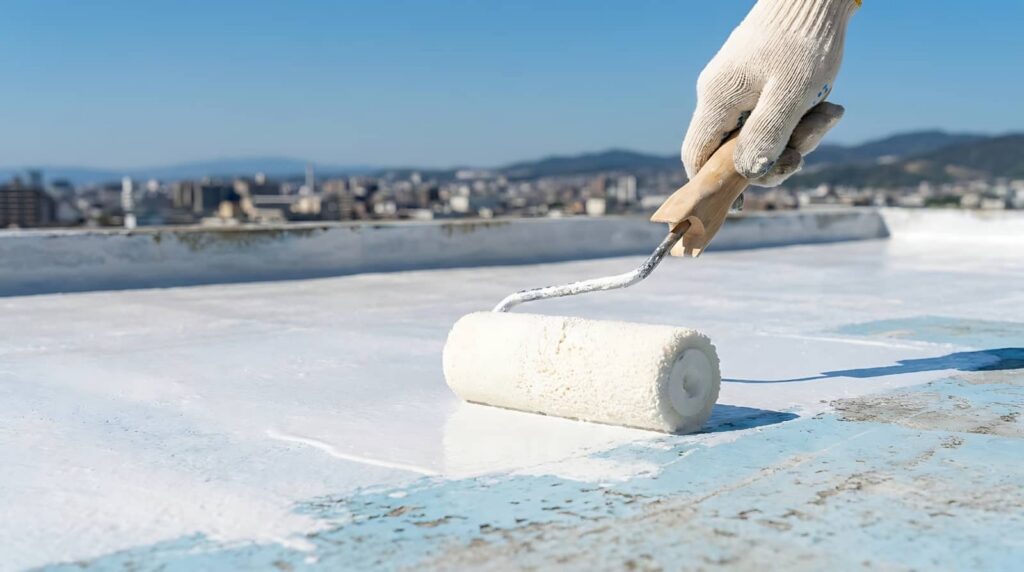
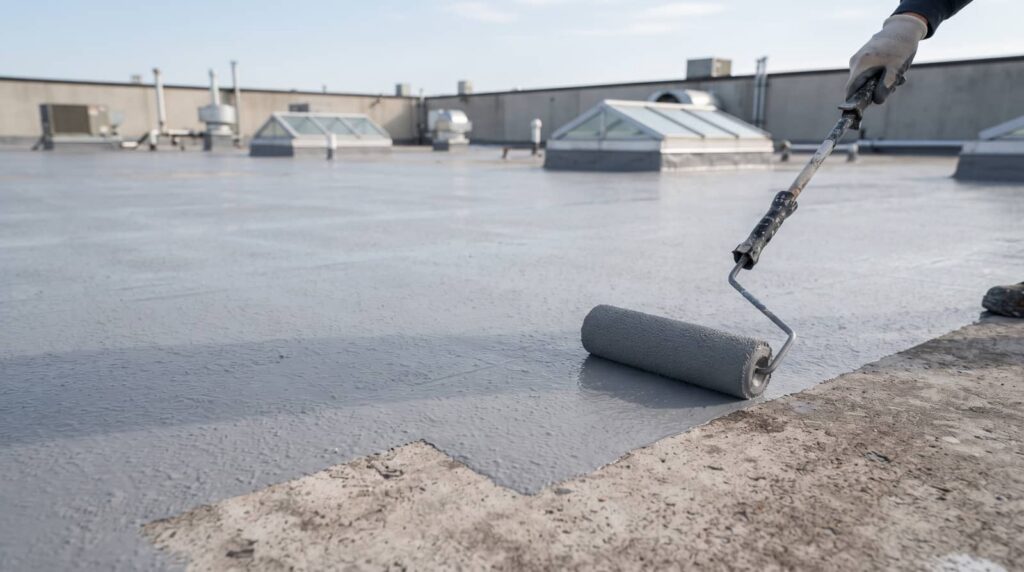
Common commercial roof repair methods depend on the damage type, but storm-related failures often call for targeted patching, seam reinforcement, flashing replacement, and membrane restoration.
You’ll usually see technicians isolate leaks, clean damaged areas, and bond compatible materials to regain a watertight surface. This approach helps your team protect operations while keeping the roof system in service.
- Patch punctures with reinforced roofing compounds.
- Re-secure loose seams with heat-welded or adhered repairs.
- Replace bent or detached flashing around penetrations.
You should expect repairs to match your roof assembly, whether it’s TPO, EPDM, modified bitumen, or metal.
When you use the right method, you strengthen performance, reduce repeat leaks, and keep your facility aligned with the rest of your crew’s recovery plan.
When Repair Isn’t Enough
Some storm-damaged roofs can be patched successfully, but repeated leaks, widespread membrane failure, saturated insulation, or structural deformation usually mean repair won’t restore reliable performance.
At that point, you need a deeper assessment, because spot fixes only hide active failure. If the deck has deflected, fasteners have pulled through, or seams keep separating after repairs, your roof’s load path and weather barrier are compromised.
You’re not overreacting by escalating the scope; you’re protecting your building, tenants, and operations. A repair decision should be based on measurable damage, not hope.
When the damage is too extensive, replacement or major rehabilitation becomes the sound option. That’s the standard your team deserves, and it keeps you aligned with other property owners who value durable, code-compliant protection.
How to Prevent Future Storm Damage
To reduce future storm damage, you need a roof maintenance plan that catches weak points before severe weather does. Inspect seams, flashings, drains, and penetrations after every major storm, then document any movement, cracks, or ponding.
You’ll protect your team and property when you act early and keep repairs consistent.
- Clear debris so water can drain without added load.
- Recoat exposed surfaces to reinforce UV and wind resistance.
- Secure loose edges and replace compromised fasteners.
Schedule professional inspections twice a year, and upgrade aging materials before they fail.
If your building joins a community of well-protected facilities, you lower emergency costs and improve resilience.
With disciplined upkeep, you’re not waiting for the next storm—you’re ready for it.
Frequently Asked Questions
How Long Does Commercial Roof Storm Damage Repair Usually Take?
Usually, you’ll need a few days to several weeks, depending on damage severity, roof size, materials, and weather. You’ll get faster turnaround with minor repairs, while extensive restoration and inspections extend the timeline.
Will Insurance Cover All Storm-Related Roof Repairs?
Not always; you’ll usually get coverage for covered storm damage, but deductibles, exclusions, and wear-and-tear limits can reduce payment. Review your policy, document damage, and work with your adjuster to confirm what’s payable.
Can Tenants Stay Open During Roof Repair Work?
Yes, you can often stay open if you isolate work zones, control noise, and schedule off-hours repairs. You’ll protect staff and customers better when you coordinate access, safety barriers, and daily updates with your contractor.
What Permits Are Needed for Commercial Roof Storm Repairs?
Like a map, you’ll usually need a building permit, and sometimes electrical, structural, or zoning approvals too. You should check local codes, file storm-damage documentation, and get contractor-signoff before work starts.
How Do Repair Costs Vary by Roofing Material?
You’ll see repair costs vary by material: single-ply membranes often cost less, metal usually runs higher, and built-up roofs fall in between. You’ll pay more for matching components, specialized labor, and hidden storm-related substrate damage.
Conclusion
When you finish a storm inspection, act fast to limit escalation. Many commercial roof insurance claims involve wind or hail damage, so documenting punctures, lifted seams, and flashing failures right away matters. You’ll protect your building better when you schedule targeted repairs, verify drainage, and plan follow-up maintenance. If damage keeps spreading or the membrane’s integrity is compromised, don’t delay replacement. A disciplined recovery plan strengthens your roof and reduces future storm risk.