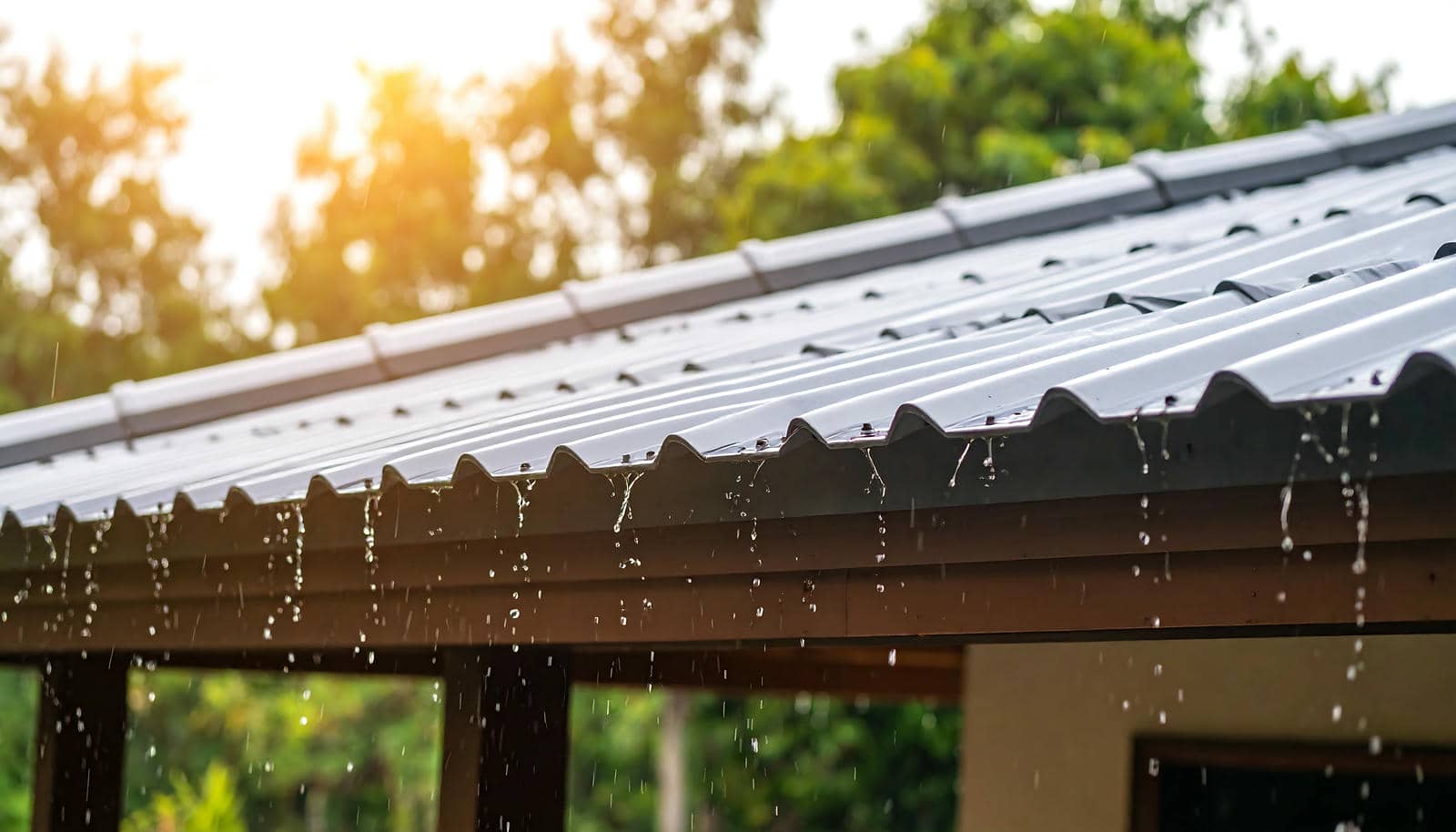
Is it true that neglecting your metal roof can lead to costly repairs down the line? Regular metal roof maintenance is vital for preserving your roof’s integrity and extending its lifespan. By understanding the essential steps of inspection, cleaning, and repair, you can effectively protect your investment. Let’s explore how a structured maintenance routine can save you time and money while ensuring your roof remains in top condition.
Key Takeaways
- Conduct biannual inspections, especially after severe weather, to identify rust, loose fasteners, and debris accumulation.
- Maintain detailed records of inspections and repairs for better planning and to enhance home resale value.
- Use essential tools like a sturdy ladder, safety harness, and soft-bristle broom for safe and effective maintenance.
- Clean the roof regularly with gentle solutions, addressing minor damages promptly to prevent escalation.
- Implement seasonal assessments and protective measures like sealants to mitigate weather-related issues and extend the roof’s lifespan.
Understanding the Importance of Regular Inspections
Regular inspections are vital for maintaining the integrity and longevity of your metal roof, as they allow you to identify potential issues before they escalate into costly repairs.
Establishing an appropriate inspection frequency is imperative; ideally, you should inspect your roof at least twice a year, and more frequently after severe weather events. During these inspections, look for signs of rust, loose fasteners, or any debris accumulation that could hinder drainage.
Addressing these concerns promptly can greatly enhance your metal roof’s longevity, protecting your investment and providing peace of mind. Additionally, keeping a detailed record of your inspections and any repairs made can help track the roof’s condition over time.
Tools Needed for Roof Maintenance
After identifying potential issues during your inspections, having the right tools on hand is critical for effective roof maintenance.
You’ll need essential equipment like a sturdy ladder to access your roof safely, along with a pair of work gloves to protect your hands while handling materials. A roofing hammer or nail gun is indispensable for securing loose panels or replacing fasteners.
Additionally, invest in a quality caulk gun and compatible roofing sealant to address any leaks. A soft-bristle broom or leaf blower will help you keep debris off your roof, preventing corrosion.
A tape measure ensures precise measurements for repairs, while safety harnesses provide security during your work.
How to Safely Inspect Your Metal Roof
Before you start inspecting your metal roof, make certain you have the right safety gear, like a hard hat and non-slip footwear.
Create an inspection checklist to cover key areas, such as seams, fasteners, and coatings.
This preparation ensures a thorough and safe evaluation of your roof’s condition.
Safety Gear Essentials
When inspecting your metal roof, having the right safety gear is essential for protecting yourself from potential hazards.
Start with a high-quality safety harness to prevent falls, especially when working on steep slopes. Make sure it’s properly fitted and securely attached to a stable anchor point.
Next, don’t overlook protective eyewear; it shields your eyes from debris and UV rays, ensuring you maintain clear visibility during your inspection.
Additionally, wear slip-resistant footwear to enhance your grip on the roof surface, reducing the risk of accidents.
Finally, consider using gloves to protect your hands from sharp edges or rough surfaces.
Inspection Checklist Items
To ensure a thorough and safe inspection of your metal roof, you should follow a systematic checklist that covers critical components.
Start by identifying your metal roof type, as different materials may require specific attention. Check for loose or damaged panels, paying close attention to seams and edges.
Inspect flashings and penetrations for any signs of wear or corrosion. Examine gutters and downspouts to verify they’re clear of debris.
Look for rust spots, which can affect your roof’s lifespan. Additionally, assess the insulation beneath the roof for moisture accumulation.
Finally, document any issues found during your inspection, as this will help you prioritize repairs and maintain your roof’s integrity for years to come.
Identifying Common Metal Roof Issues
Metal roofs, known for their durability and longevity, can still encounter a range of common issues that may compromise their performance. One significant concern is rust, which can occur if proper rust prevention measures aren’t taken.
Regularly inspect for any signs of corrosion, especially along edges and fasteners.
Another issue to watch for is seam integrity. Over time, seams can become loose or damaged, leading to leaks and water intrusion.
Confirm that all seams are secure and free from gaps.
Additionally, you should monitor your roof for any dents or scratches that could expose the metal beneath the protective coating.
These imperfections can accelerate rust development if not addressed promptly.
Cleaning and Maintaining Your Metal Roof
To keep your metal roof in ideal condition, regular inspections are essential.
You’ll want to identify any debris buildup or signs of wear during these checks.
Once you’ve assessed the roof, effective cleaning techniques will help maintain its integrity and appearance.
Regular Inspection Tips
While your metal roof is designed to withstand the elements, regular inspections are essential to verify its longevity and performance.
Schedule a metal roof inspection at least twice a year, ideally in spring and fall, to catch potential issues early. During your inspection, look for signs of corrosion, loose fasteners, or damaged seams.
Confirm that gutters and downspouts are clear of debris to prevent water accumulation, which can lead to rust. Additionally, check for any signs of wildlife intrusion, as animals can compromise your roof’s integrity.
Document your findings to track any changes over time. By incorporating this routine maintenance, you’re not only protecting your investment but fostering a sense of community through shared responsibility for your home’s upkeep.
Effective Cleaning Techniques
Cleaning your metal roof regularly is crucial for maintaining its appearance and performance.
To effectively clean your roof, start with a gentle cleaning solution, such as a mix of water and mild detergent. Avoid harsh chemicals that can damage the finish.
Use a soft-bristle brush to scrub away dirt and debris, paying special attention to any stubborn stains. For larger areas, pressure washing can be an efficient method, but keep the pressure low to prevent potential damage.
Always work from the top down, making sure water runs off properly. After cleaning, rinse thoroughly with water to remove any residual cleaning solutions.
Repairing Minor Damage on Your Metal Roof
When you notice minor damage on your metal roof, addressing it promptly can prevent more significant issues down the line.
Start with a thorough damage assessment to identify any dents, scratches, or loose fasteners. These minor repairs can often be handled without professional help, saving you both time and money.
For small dents, you can gently push them out from the underside using a rubber mallet. If you find scratches, clean the area and apply a color-matched touch-up paint to protect against rust.
Verify that any loose fasteners are tightened; replace any that are damaged. Always check the seams and joints for integrity, as these areas are prone to leaks.
When to Call a Professional for Help
Even after addressing minor damage yourself, some situations call for professional intervention. If you notice extensive rust, large dents, or leaks that persist despite your efforts, it’s time to reach out for professional services.
These issues can compromise the integrity of your roof and require specialized skills and tools for effective resolution.
Emergency repairs also demand a quick response, especially if you encounter significant storm damage or water infiltration. Delaying these repairs can lead to more severe problems, including structural damage to your home.
Additionally, if you’re unsure about the extent of the damage or how to proceed, it’s wise to consult a professional. They can assess the situation accurately and provide tailored solutions.
Seasonal Maintenance Tips for Metal Roofs
Regular seasonal maintenance is essential for preserving the longevity and performance of your metal roof. Each season brings unique challenges that can impact your roof’s integrity.
In spring, inspect for debris buildup from winter storms. Clean gutters and downspouts to ensure proper drainage.
During summer, check for rust or corrosion caused by high humidity and intense sunlight; applying a protective sealant can help.
Fall is the perfect time to assess any damage from summer weather; look for loosened screws or panels. Replace any that are compromised.
As winter approaches, clear snow buildup to prevent unnecessary weight on your roof.
Finally, confirm that all seals around vents and flashings are intact to combat harsh winter conditions.
Documenting Your Roof Maintenance History
Maintaining a detailed record of your roof maintenance history is essential for ensuring its longevity and performance. Keeping a roof maintenance log helps you track repairs, inspections, and any issues that arise over time. This documentation benefits you in several ways, such as providing insights into potential recurring problems and allowing for better planning of future maintenance tasks.
When documenting, include dates, descriptions of work performed, and any materials used. You might also note weather conditions or specific concerns observed during inspections. This organized approach assists you in maintaining your roof and could also enhance your home’s resale value, as prospective buyers appreciate a well-documented maintenance history.
Furthermore, if you decide to hire professionals for repairs, having a thorough log aids in ensuring they address all your roof’s needs. By actively tracking your roof maintenance, you’re fostering a proactive approach to safeguarding your investment.
Frequently Asked Questions
How Long Can I Expect My Metal Roof to Last?
You can expect a metal roof lifespan of 40 to 70 years, depending on materials and maintenance frequency. Regular inspections and upkeep can greatly enhance its durability, ensuring your investment lasts longer and protects your home effectively.
Can I Install a Metal Roof Over My Existing Roof?
You can install a metal roof over your existing roof, like placing a sturdy shield atop a fragile fortress. This method simplifies roof installation, but ensures the weight and drainage are manageable for durability and safety.
What Are the Best Types of Metal for Roofing?
For roofing, steel roofing offers durability and strength, while aluminum panels provide lightweight options resistant to corrosion. Choose based on your climate and aesthetic preferences to ensure longevity and performance for your home.
Will a Metal Roof Increase My Home’s Resale Value?
Homes with metal roofs sell for more than those with asphalt. You’ll enjoy significant resale benefits and investment returns, making a metal roof a smart choice for your home’s value.
How Does Weather Affect Metal Roof Maintenance Needs?
Weather impacts your metal roof maintenance needs considerably. Seasonal considerations like snow, rain, and extreme heat can cause wear. Regular inspections during these changes ensure your roof remains in top condition and protects your home effectively.
Final Thoughts
Staying on top of your metal roof maintenance is key to avoiding future headaches. By regularly inspecting, cleaning, and addressing minor issues, you’re not just protecting your investment—you’re ensuring your roof stands the test of time. Remember, an ounce of prevention is worth a pound of cure. Keep organized records of your maintenance efforts, and you’ll enhance your roof’s longevity and boost your property’s resale value when the time comes.