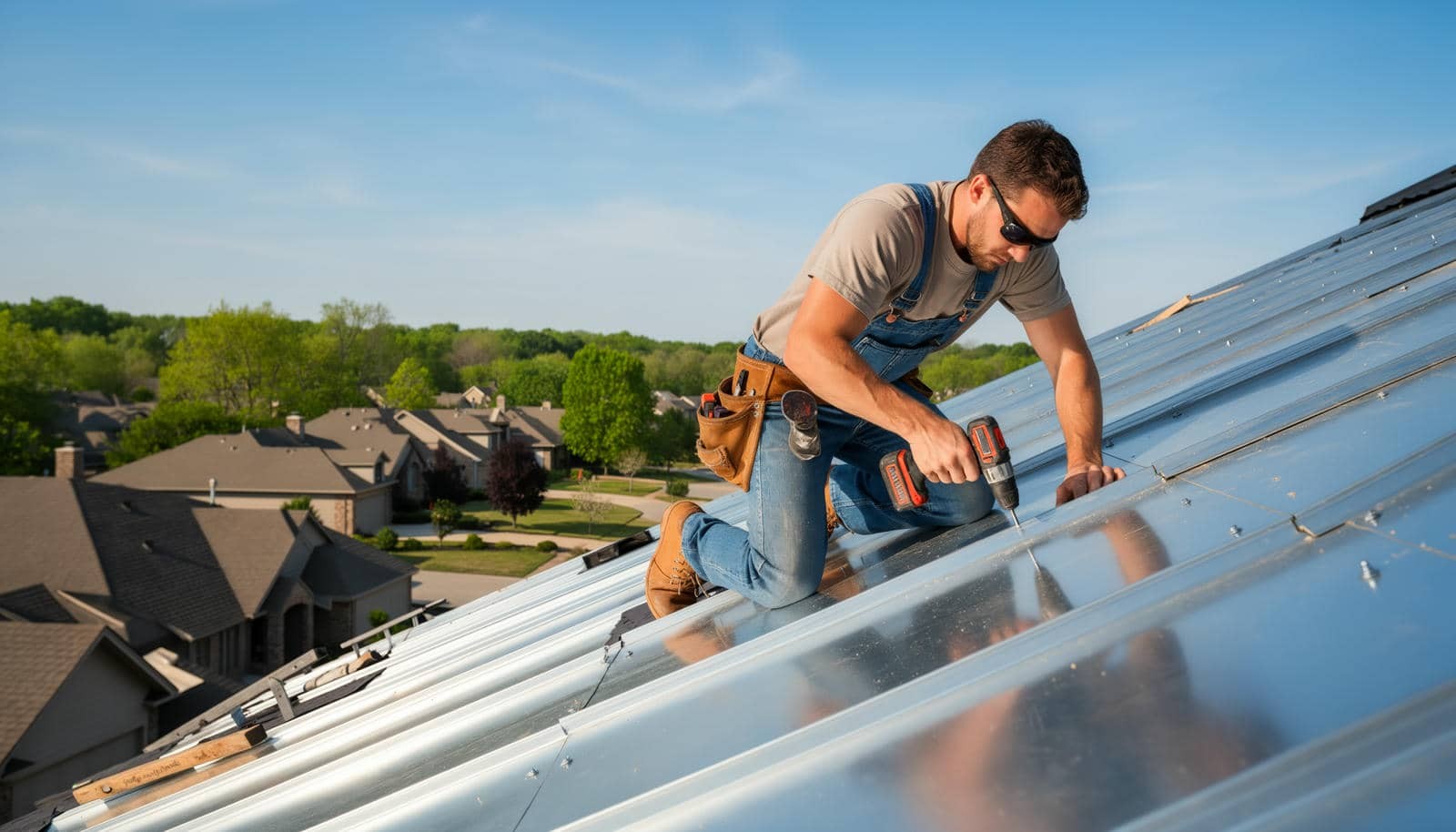
If you’re looking at a metal roof to cut cooling costs, you’ll want more than just durability. The right panel type, reflective finish, and underlayment can change how much heat your roof absorbs and transfers indoors. Materials like aluminum and Galvalume, plus cool coatings and insulation, can improve performance in different climates. The details matter more than you might expect, and the best choice isn’t always the most obvious one.
Key Takeaways
- Aluminum roofing reflects heat well, resists corrosion, and stays lightweight for efficient long-term performance.
- Galvalume and high-recycled-content steel offer durable, reflective options when paired with proper insulation.
- Cool roof coatings like acrylic, silicone, or elastomeric improve solar reflectance and reduce roof temperatures.
- Quality insulation and sealed edges limit thermal transfer, lowering heating and cooling costs year-round.
- In hot climates, choose high-SRI metal roofs with ventilation and tight seams to reduce heat buildup.
What Makes Metal Roofing Energy Efficient?
Metal roofing is energy efficient because it reflects more solar radiation than many traditional roofing materials, which helps reduce heat gain in your building.
You get better performance when the roof assembly limits thermal transfer and supports stable indoor temperatures. In warm seasons, that means less demand on your cooling system.
In cooler periods, a properly designed metal roof helps manage energy loss when paired with solid insulation and tight air sealing.
You’re also choosing a durable system that keeps its reflective properties over time.
If you’re comparing energy efficient metal roofing options, look for coatings, panel profiles, and installation details that reduce unwanted heat flow.
That’s how you join a group of owners who value practical savings and reliable comfort.
Best Energy-Efficient Metal Roofing Materials
When you narrow your choices to the best energy-efficient metal roofing materials, the base metal and surface finish both matter.
Aluminum reflects heat well, resists corrosion, and stays lightweight, so you can reduce structural load while supporting strong thermal performance.
Galvalume, a steel core with aluminum-zinc alloy, gives you durability and solid reflectance at a practical cost.
Steel with high recycled content can also perform well when paired with proper insulation and ventilation.
If you want a premium option, copper lasts decades and forms a stable surface, though its thermal benefit depends more on assembly than the metal alone.
Choose panels with tight seams and compatible underlayment, and you’ll join homeowners who value long-term efficiency, lower bills, and reliable building performance.
Cool Roof Coatings for Metal Roofs
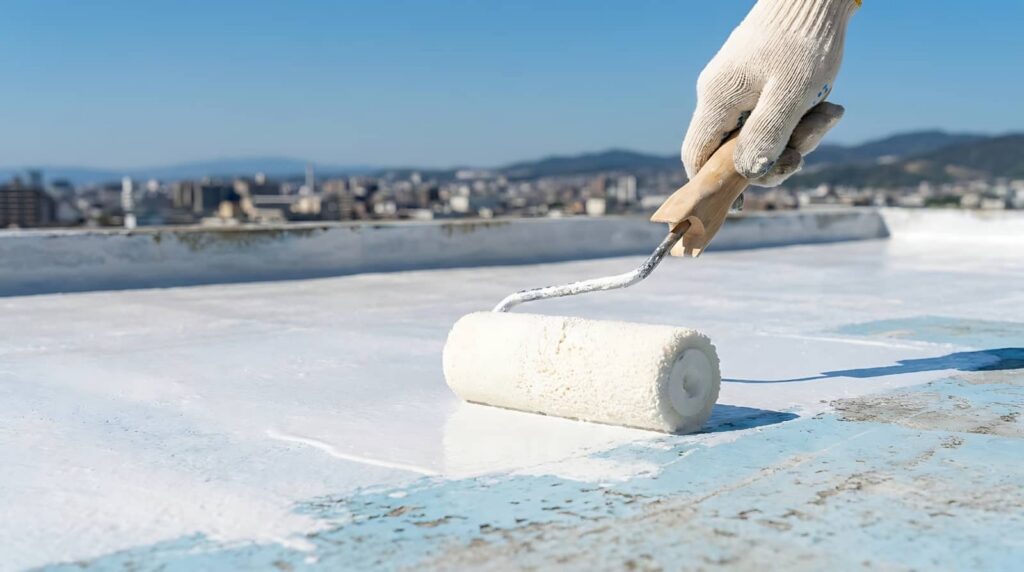
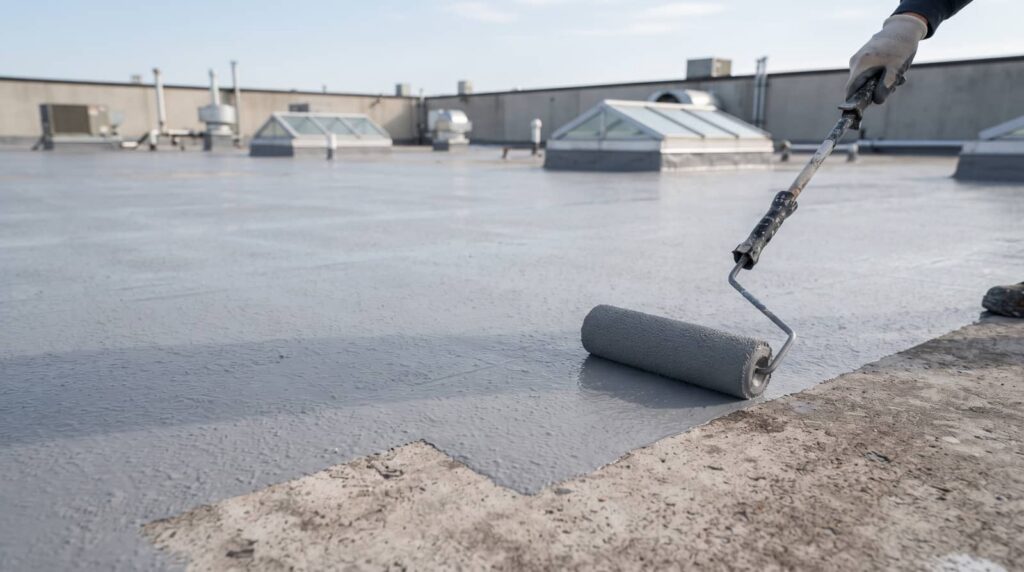
Cool roof coatings can boost a metal roof’s energy performance by reflecting more solar radiation and reducing surface heat gain.
You can choose acrylic, silicone, or elastomeric systems to match your roof profile and climate. A well-applied coating helps your roof stay cooler, resist UV breakdown, and maintain a cleaner, more uniform finish.
That means you join a group of owners who value practical efficiency.
- Clean and dry the metal surface first.
- Verify adhesion on seams, fasteners, and edges.
- Apply the coating at the manufacturer’s specified thickness.
- Inspect and recoat as needed to preserve reflectivity.
You’ll get the best results when you follow product specs and schedule routine inspections.
How Metal Roof Insulation Lowers Bills
You can cut heating and cooling costs by adding insulation layers beneath your metal roof, which slow thermal flow into and out of your building.
This reduces heat transfer through the roof assembly, so your HVAC system runs less often and uses less energy.
With the right insulation thickness and installation quality, you’ll see steadier indoor temperatures and lower utility bills.
Insulation Layers
Insulation layers act as a thermal barrier beneath metal roofing, slowing heat transfer and helping your building hold steady indoor temperatures. You’ll feel the difference in lower HVAC demand and tighter comfort control, especially when you match the layer to your climate and roof assembly.
Use rigid board for high R-value in limited space.
Add batt insulation to fill cavities and cut gaps.
Choose radiant barriers when solar load’s a concern.
Seal edges so your system performs as a team.
When you combine the right layers, you support your energy goals without overbuilding. That means fewer temperature swings, less equipment cycling, and better long-term cost control.
If you’re planning a metal roof, you’re already in a smart group that values durable, efficient solutions.
Heat Transfer Reduction
By slowing conduction, blocking radiant gain, and limiting air leakage, metal roof insulation helps keep indoor temperatures stable and HVAC systems from working overtime.
You feel the difference when summer heat stays outside and winter warmth stays inside. Insulation adds thermal resistance, so your roof assembly transfers less energy through the metal panels, purlins, and decking.
A radiant barrier can reflect sunlight, while continuous insulation breaks thermal bridges that waste energy.
When you seal gaps and pair the right R-value with your climate, you cut peak loads, shorten equipment runtimes, and lower monthly bills.
You also gain a more comfortable home, better noise control, and a roof system that works with you, not against you, season after season.
Best Metal Roofing Options for Hot Climates
For hot climates, you should choose metal roofing with reflective coatings to reduce solar heat gain and keep roof surface temperatures lower.
You can also use ventilated panels to promote airflow beneath the roof, which helps carry away trapped heat.
Together, these features improve thermal performance and can lower cooling loads.
Reflective Coatings
Reflective coatings help your metal roof deflect solar heat instead of absorbing it, which can lower attic temperatures and reduce cooling loads in hot climates.
You get the best results when you match the coating to your roof finish and local sun exposure. Choose a high solar reflectance index, strong adhesion, and UV-stable chemistry so the surface keeps performing year after year.
For your team, that means fewer hot spots and steadier indoor comfort.
- Clean the panels before application.
- Verify compatibility with the metal substrate.
- Apply the specified dry film thickness.
- Inspect for wear and recoat as needed.
When you prioritize reflective coatings, you join homeowners who value practical efficiency and durable thermal control.
Ventilated Panels
Ventilated panels create a continuous airflow gap beneath the metal surface, which helps vent trapped heat before it reaches your attic and living space.
You get a cooler roof deck, lower attic temperatures, and less strain on your HVAC system. In hot climates, that airflow matters because it reduces heat buildup and moisture retention, two issues that can shorten roof life.
Choose panels with proper spacers, intake and exhaust detailing, and compatible underlayment so air moves freely.
You’ll also improve comfort during peak sun hours and may cut cooling costs.
If you want a roof system that fits your crew’s priorities—durability, efficiency, and a clean install—ventilated panels give you a practical, proven path.
How to Choose a Metal Roof That Lowers Bills
How can you choose a metal roof that actually cuts utility costs? Start with reflective coatings and light-colored finishes, because they reduce heat gain and keep your crew of homeowners cooler.
Then compare panel profiles, since standing seam systems usually seal tighter and waste less energy.
- Pick high solar reflectance and emissivity ratings.
- Verify continuous insulation and proper underlayment.
- Choose concealed fasteners to limit air leaks.
- Confirm local code, warranty, and energy ratings.
You’ll also want ventilation matched to attic size, so trapped heat doesn’t drive up cooling loads.
Ask for measured U-factor and thermal break data, not just sales claims. When you choose these details together, you join the group of owners who see lower bills, better comfort, and longer roof life.
Frequently Asked Questions
How Long Does Energy-Efficient Metal Roofing Typically Last?
You can expect energy-efficient metal roofing to last 40 to 70 years, and premium systems often exceed that. You’ll benefit from proper installation, ventilation, and maintenance, which keep your roof performing longer and your costs lower.
Can Metal Roofing Reduce Noise During Rainstorms?
Yes, you can reduce rain noise with metal roofing by adding solid sheathing, underlayment, and insulation. You’ll hear less drumming, and you’ll feel confident choosing a system that supports comfort, durability, and your home.
Is Metal Roofing More Expensive to Install Than Asphalt Shingles?
Yes, you’ll usually pay more upfront for metal roofing than asphalt shingles, but it can be a double-edged sword: you get longer life, lower maintenance, and better energy performance, so you may save overall.
Do Energy-Efficient Metal Roofs Qualify for Tax Credits?
Yes, you may qualify if your metal roof meets current federal energy-efficiency standards; you’ll need certified materials and receipts. Check IRS rules and local incentives, since requirements change and some credits apply only to specific upgrades.
How Often Should Metal Roofs Be Inspected for Maintenance?
Don’t wait for a crystal ball: you should inspect your metal roof twice yearly and after severe storms. You’ll catch loose fasteners, sealant wear, and panel damage early, protecting your investment and keeping your system performing efficiently.
Review
You can cut cooling costs with the right metal roof by choosing reflective materials, adding energy-rated coatings, and pairing them with insulation that limits heat flow. In hot climates, ventilated panels and a high solar reflectance index work like a shield, turning down the sun’s impact before it reaches your attic. If you match the roof system to your climate and budget, you’ll get better comfort, lower bills, and long-term performance.