When it comes to flat roof replacement, you need to evaluate cost-effective strategies that maintain quality. Lightweight single-ply membranes, like EPDM or TPO, can cut labor costs and improve energy efficiency. Using salvaged materials offers savings while ensuring structural integrity. But should you tackle the installation yourself, or is it better to hire a professional? Understanding these choices is essential for achieving ideal results without overspending. Let’s explore the options available to you.
Key Takeaways
- Consider single-ply membrane roofing for its lightweight design, which reduces labor costs during replacement.
- Use reflective roofing materials to lower installation expenses and enhance energy efficiency.
- Explore salvaged materials as a budget-friendly option without compromising quality.
- Regular inspections can identify minor issues early, preventing costly repairs and extending roof lifespan.
- DIY installation can save on labor costs, but ensure proper technique to avoid future problems.
Understanding Flat Roof Systems
Flat roof systems are essential components of modern architecture, offering various benefits and challenges. You’ll find that understanding flat roof types is vital for making informed decisions about your property. Common types include built-up roofs (BUR), modified bitumen, and single-ply membranes like TPO and EPDM. Each type has unique advantages, such as durability, cost-effectiveness, and ease of installation.
When choosing roofing materials, consider factors like climate, insulation needs, and maintenance requirements. For instance, TPO is known for its energy efficiency, while EPDM offers exceptional longevity.
Selecting the right combination of flat roof types and materials can enhance your building’s performance and aesthetic appeal.
Ultimately, a well-chosen flat roof system can provide long-term benefits, enhancing your space and fostering a sense of belonging within your community. Understanding these systems empowers you to make choices that align with your needs and values.
Assessing the Need for Replacement
To assess the need for flat roof replacement, you should first look for signs of damage, such as leaks, blisters, or sagging.
It’s also vital to take into account the roof’s lifespan, as most materials have a limited lifespan before they require replacement.
Regular inspections can help you determine whether repair or full replacement is the best course of action.
Signs of Damage
When you notice water stains on your ceiling or walls, it’s vital to assess the condition of your flat roof. This could indicate underlying issues that require immediate attention.
Here are some signs of damage you should look for:
- Visible surface cracks that can lead to leaks
- Ponding water that doesn’t drain after rain
- Blistering or bubbling of roofing material
- Mold growth indicates prolonged moisture exposure
Performing regular leak detection can help you identify these issues early.
If you spot any of these signs, it’s important to evaluate whether a replacement is necessary. Ignoring these indicators might lead to more extensive damage and costly repairs down the line.
Stay proactive to ensure your roof remains in good shape.
Lifespan Considerations
Although many flat roofs are designed to last between 15 to 30 years, factors like material type, weather conditions, and maintenance practices can greatly influence their lifespan.
Understanding lifespan expectations helps you plan for necessary replacements. For instance, materials like EPDM and TPO offer superior durability, often exceeding 25 years, while others may fall short.
Regular inspections and maintenance can extend this timeframe, but neglect can lead to premature failure. Be proactive—monitor for signs of wear and damage.
If your roof is nearing the end of its expected lifespan or showing significant issues, it’s time to contemplate replacement. Keeping an eye on material durability and maintenance can ensure your roof remains a reliable part of your home for years to come.
Budget-Friendly Materials for Flat Roofs
When replacing a flat roof, choosing budget-friendly materials can greatly reduce costs without sacrificing quality.
Affordable roofing membranes, such as TPO and EPDM, offer durability at a lower price point.
Additionally, exploring cost-effective insulation options can enhance energy efficiency and further lower long-term expenses.
Affordable Roofing Membranes
Choosing the right roofing membrane is essential for ensuring your flat roof remains durable and cost-effective.
When considering affordable options, you’ll find several membrane types that suit your budget and needs perfectly.
EPDM (Ethylene Propylene Diene Monomer): Known for its longevity and weather resistance.
TPO (Thermoplastic Olefin): Energy-efficient and reflects sunlight, keeping your space cooler.
PVC (Polyvinyl Chloride): Offers excellent durability and is resistant to fire and chemicals.
Modified Bitumen: A classic choice, it provides flexibility and easy installation.
Cost-Effective Insulation Options
To maximize energy efficiency and comfort in your flat roof, selecting cost-effective insulation materials is essential.
Consider using fiberglass batts or rigid foam boards, both known for their excellent thermal resistance. Fiberglass batts are easy to install and provide great insulation at a low cost. Rigid foam boards, while slightly pricier, offer higher R-values per inch, enhancing energy efficiency considerably.
Another option is spray foam insulation, which expands to fill gaps, ensuring an airtight seal. However, this method may require a larger investment upfront.
Whichever material you choose, prioritize options that meet local building codes and climate requirements. By making informed decisions, you’ll create a cozy environment while keeping costs manageable.
DIY vs. Professional Installation
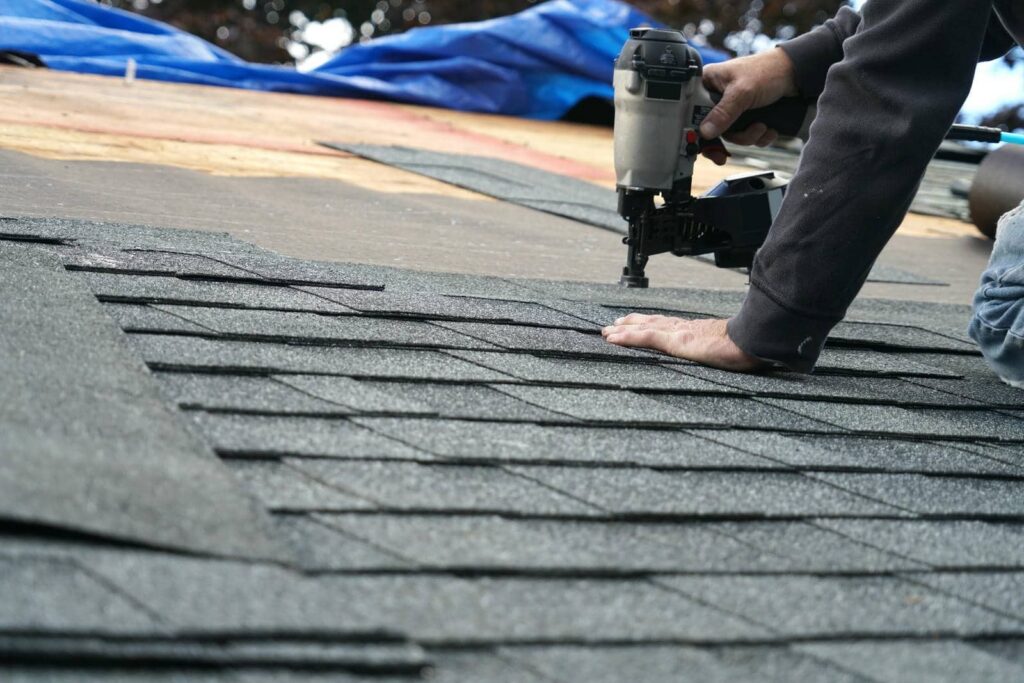
While you may be tempted to tackle a flat roof replacement on your own, it’s essential to weigh the benefits of DIY against the advantages of hiring a professional.
DIY advantages:
- Lower initial costs, putting money back in your pocket
- Personal satisfaction from completing a challenging project
- Flexibility in scheduling, working at your own pace
- Opportunity to learn new skills and techniques
However, consider the value of professional expertise. Experienced contractors bring a wealth of knowledge, ensuring proper installation and longevity of your roof.
They can identify underlying issues that might go unnoticed, preventing costly repairs down the line. Furthermore, professionals often provide warranties, giving you peace of mind that your investment is protected.
Ultimately, deciding between DIY and professional installation hinges on your comfort level, skills, and the specific needs of your flat roof.
Innovative Techniques for Cost Reduction
After weighing the pros and cons of DIY versus professional installation, you might be looking for ways to minimize the costs associated with flat roof replacement.
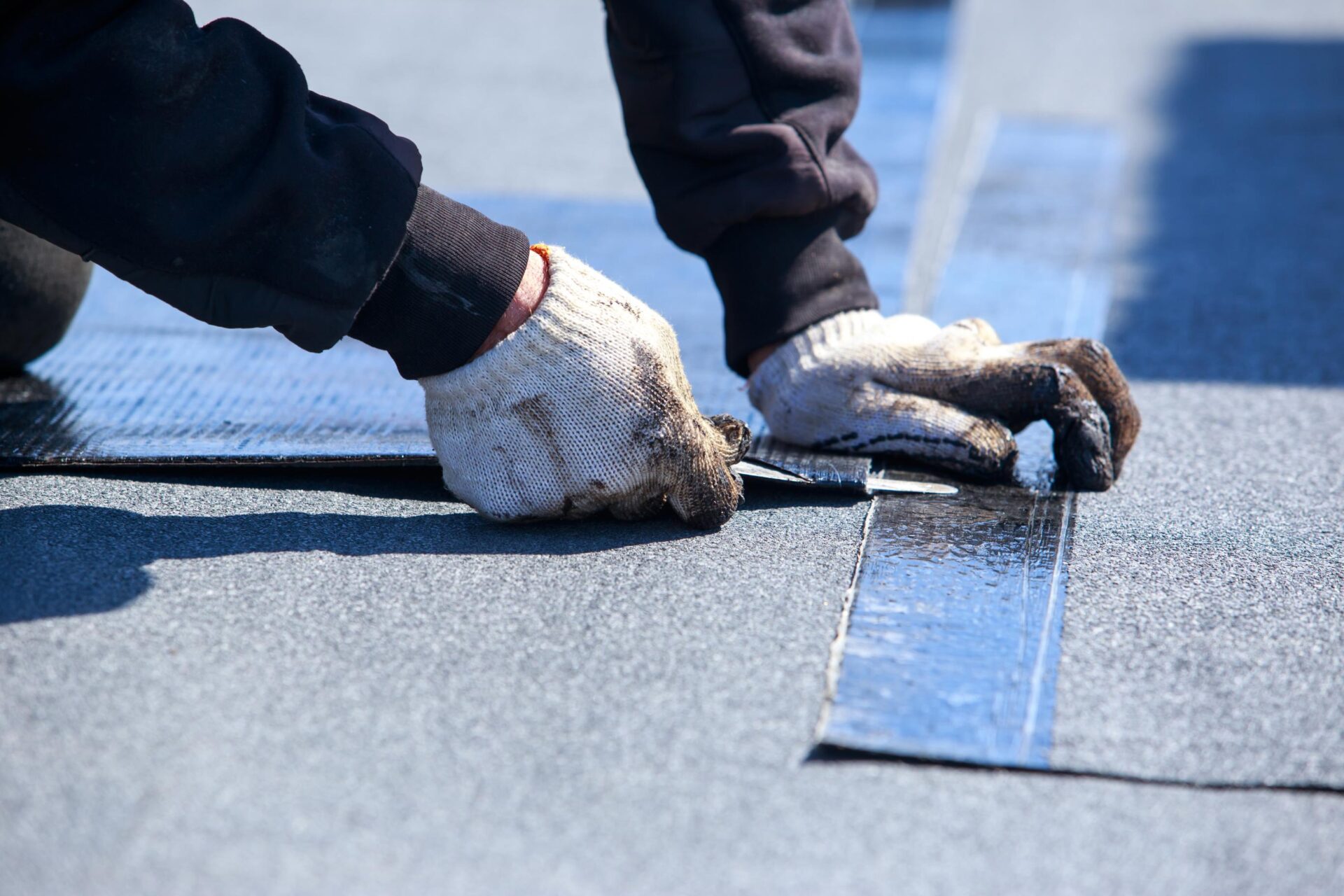
One effective approach is to adopt cost-saving techniques that leverage innovative materials. For instance, consider using single-ply membrane roofing, which is lightweight, easy to install, and can greatly reduce labor costs.
Additionally, look into reflective roofing materials, which cut installation expenses and save on energy bills over time by keeping your home cooler.
You might also explore salvaged materials, as they can offer considerable savings without sacrificing quality.
The Role of Insulation in Flat Roof Replacement
Insulation plays a critical role in flat roof replacement, as it directly impacts energy efficiency and overall comfort in your home.
Choosing the right insulation types can greatly reduce heating and cooling costs, ensuring you stay cozy all year round.
Consider these insulation options for your flat roof:
- Polyurethane foam: Offers high R-value and excellent moisture resistance.
- Fiberglass batts: Lightweight and cost-effective, providing good thermal performance.
- Cellulose: An eco-friendly choice that’s effective in reducing air leaks.
- Reflective insulation: Helps keep your home cool by reflecting radiant heat.
Maintenance Tips for Longevity
To ensure your flat roof lasts, it is essential to conduct regular inspections for signs of wear or damage.
Timely repairs can prevent small issues from escalating into costly problems.
Also, maintaining proper drainage is essential to avoid water accumulation, which can compromise the roof’s integrity.
Regular Inspections Essential
While many homeowners overlook their flat roofs until problems arise, regular inspections are essential for maintaining their longevity.
By prioritizing preventive maintenance, you can catch minor issues before they escalate. Aim for an inspection frequency of at least twice a year, ideally in spring and fall.
During your inspections, keep an eye out for:
- Cracks or blisters in the membrane
- Accumulated debris or standing water
- Signs of wear around flashing and seams
- Mold or algae growth on the surface
These checks help preserve your roof and enhance your home’s overall value.
Timely Repairs Important
When you notice any damage on your flat roof, addressing it promptly is essential to preventing more extensive issues down the line.
Timely repairs can save you from costly emergency repairs that arise from neglect. Regularly inspect your roof for signs of wear, such as cracks or blisters, and tackle these problems immediately.
Implementing a schedule for preventative maintenance can help extend your roof’s lifespan and ensure it performs effectively. Minor issues can quickly escalate if left unattended, leading to leaks and structural damage.
By staying proactive and addressing repairs as they arise, you foster a sense of security in your home.
Proper Drainage Maintenance
Effective drainage maintenance is essential for the longevity of your flat roof. Properly functioning drainage systems ensure ideal water flow, preventing costly damage.
Here are some key maintenance tips to keep your roof in top shape:
Clear debris from drains and gutters to promote unhindered water flow.
Inspect seams and joints regularly for any signs of wear or leaks.
Check the slope of your roof to ensure water drains efficiently toward drainage points.
Schedule professional inspections at least once a year to catch potential issues early.
Choosing the Right Contractor
Selecting the right contractor for your flat roof replacement is vital, as a skilled professional can make all the difference in the quality and longevity of your new roof.
Start by verifying contractor credentials—look for licenses, insurance, and solid references. These elements ensure competence and provide peace of mind.
Discuss project timelines upfront to avoid any surprises later. A reliable contractor should provide a clear schedule, outlining each phase of the work, from preparation to completion. This transparency fosters trust and keeps you informed throughout the project.
Ask about their experience with flat roofs specifically, as technical knowledge in this area is essential.
Don’t hesitate to request examples of past projects or client testimonials. Choosing the right contractor means investing in your home’s future, so take the time to make an informed decision that aligns with your needs and expectations.
Financing Options for Roof Replacement
After securing a qualified contractor, the next step involves understanding the financing options available for your flat roof replacement. Knowing your choices helps you make informed decisions that fit your budget and needs.
Here are some popular options to evaluate:
- Personal loans: Quick access to funds with flexible repayment terms.
- Home equity loans: Leverage your home’s value for lower interest rates.
- Credit cards: Suitable for smaller projects; just watch out for high interest.
- Payment plans: Many contractors offer financing to spread costs over time.
Explore these loan options and payment plans to find the best fit for your financial situation.
Don’t hesitate to discuss these with your contractor, as they can provide insights and recommendations.
Environmental Considerations in Roofing Choices
When considering a flat roof replacement, it’s essential to factor in the environmental impact of your roofing choices.
Opting for sustainable materials can greatly reduce your carbon footprint. Look for options like recycled rubber, metal, or green roofing systems, which minimize waste and promote biodiversity.
Additionally, prioritize energy efficiency in your roofing decision. A well-insulated flat roof can lower energy consumption by regulating indoor temperatures, reducing the need for heating and cooling.
Reflective materials can help redirect sunlight, further decreasing energy costs.
Summary
As you navigate the complexities of flat roof replacement, remember that smart choices can lead to significant savings. Consider lightweight membranes and salvaged materials to stretch your budget. Weigh the pros and cons of DIY versus professional help carefully—your roof’s longevity may depend on it. But what about the hidden costs of neglect? Stick around, because the secrets to maintaining your new roof and maximizing its lifespan are just around the corner. Don’t miss out!