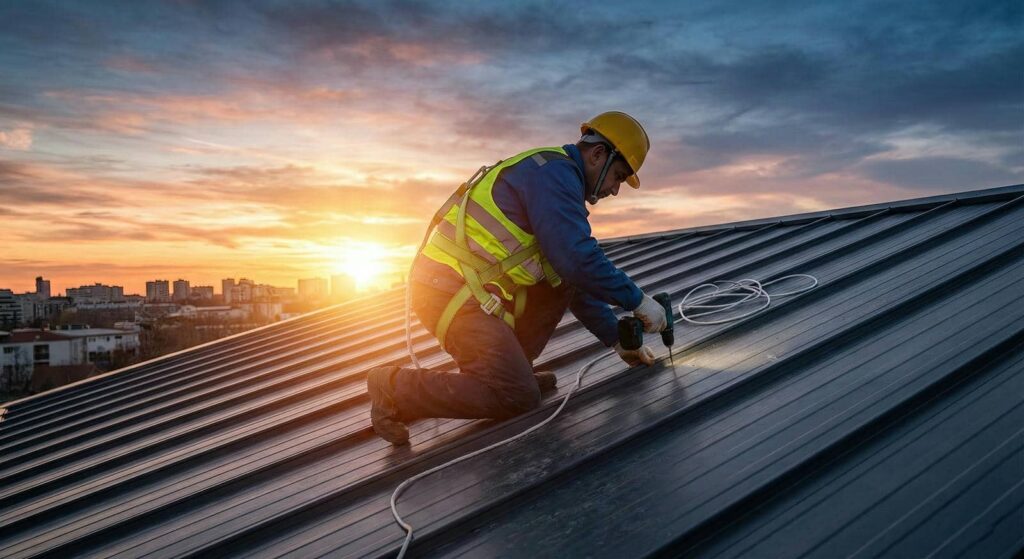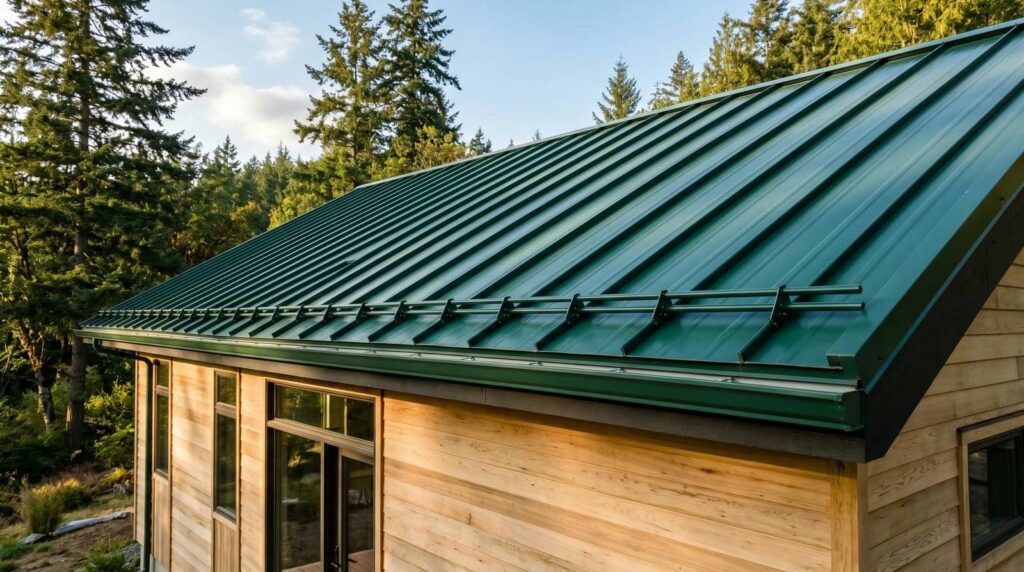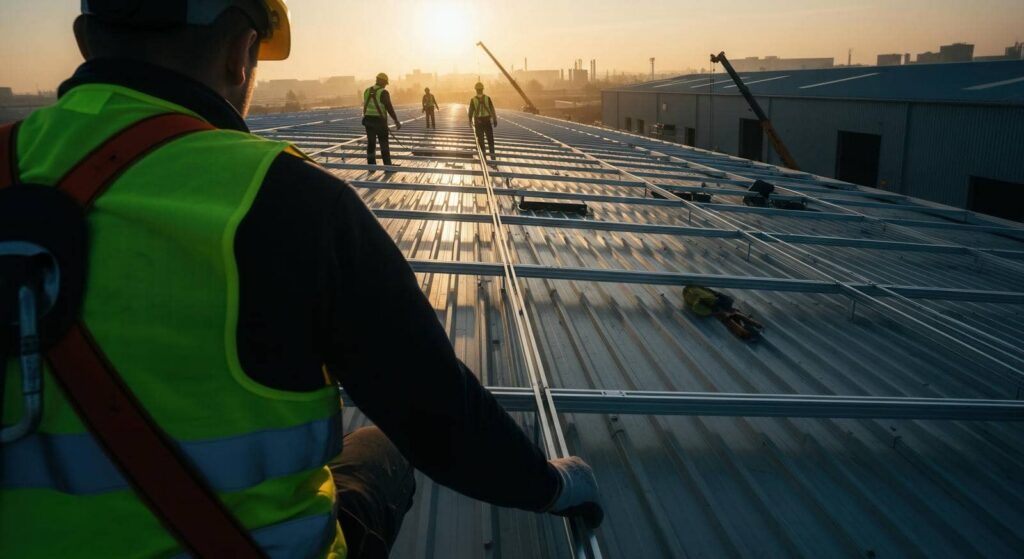
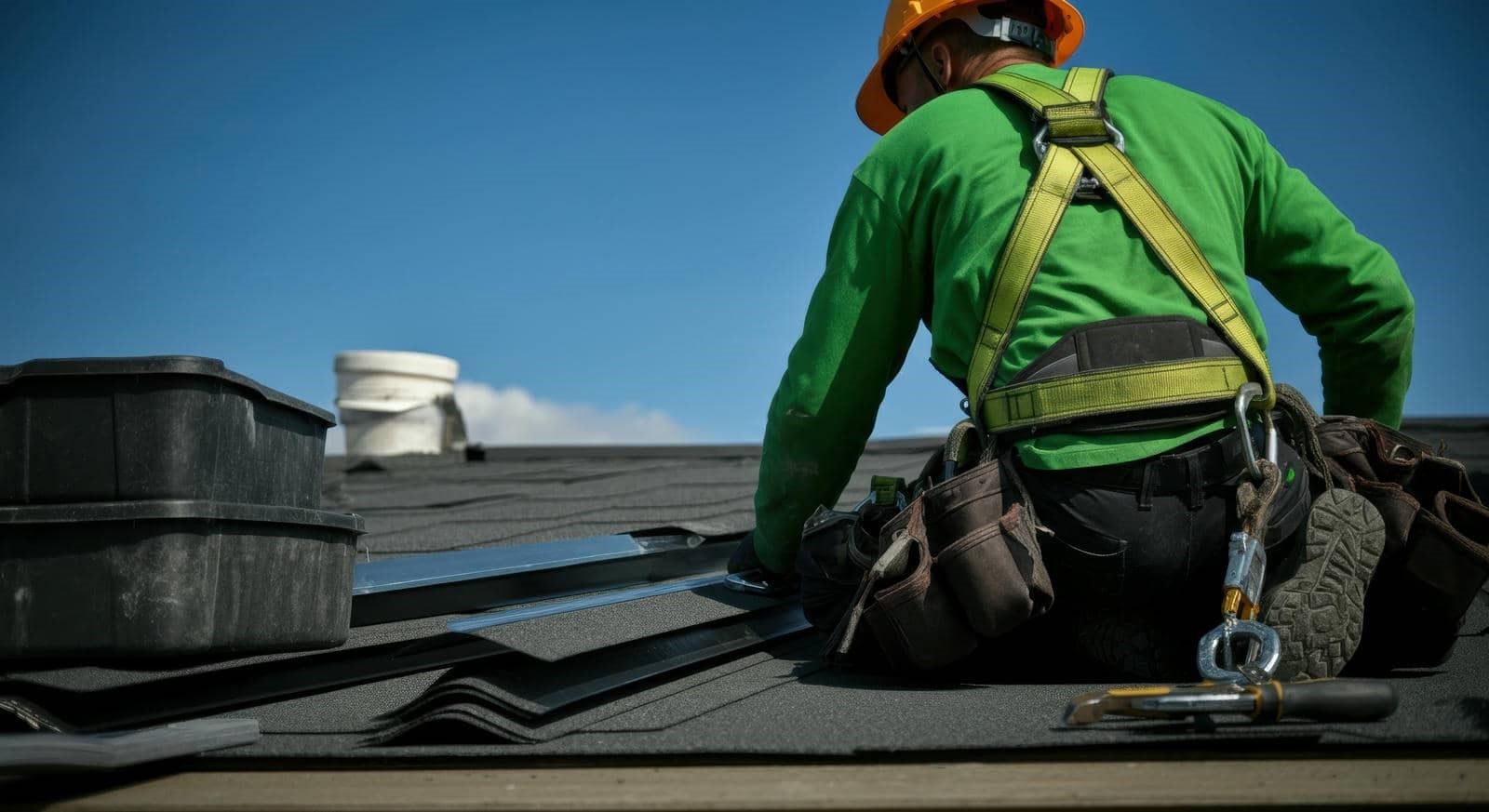
You might not know that a residential roof replacement usually finishes in 1 to 3 days, but many homeowners wonder how long does residential roof replacement take. That window can shift fast, as your roof’s size, pitch, material, weather, and deck condition all affect the schedule, and setup, cleanup, and inspections can add time. If you’re planning a project, knowing what can slow it down helps you set realistic expectations—and spot when the job isn’t tracking as it should.
Key Takeaways
- Most residential roof replacements take 1 to 3 days, depending on roof size, complexity, and material.
- Smaller, simpler roofs usually finish faster than steep or intricate roof designs.
- Weather, hidden decking damage, permit delays, and material delivery issues can extend the timeline.
- The process includes removing old roofing, inspecting the deck, then installing underlayment and new shingles.
- Preparation, cleanup, and final inspection can add extra time to the overall project.
How Long Does Roof Replacement Take?
A typical residential roof replacement takes one to three days, but your timeline can shift based on roof size, pitch, material, weather, and the condition of the underlying deck.
If you’re asking how long does residential roof replacement take, expect a small, straightforward roof to finish faster than a steep or complex one. Larger homes, specialty materials, and limited crew access can extend the schedule.
You’ll also need time for setup, cleanup, and final inspection, so the job may span more than one workday even when installation moves quickly.
Your roofing team should give you a clear estimate, keep you updated, and help you plan around the work with confidence.
What Happens During Roof Replacement?
First, your roofing crew inspects the site, protects landscaping, and sets up safety gear before removing the old shingles, flashing, and underlayment.
You’ll see the deck exposed, then your team checks for rot, soft spots, and loose fasteners so the roof can support the new system.
Next, they repair damaged sheathing, install drip edge, ice and water shield, and synthetic underlayment, then reset flashing around chimneys, valleys, vents, and skylights.
After that, they lay starter strips and install the new shingles in straight, overlapping courses for a tight seal.
Finally, they cap ridges, seal penetrations, clean the site, and run a last inspection so you know the roof’s ready for service.
What Factors Delay Roof Replacement?
Several factors can slow a residential roof replacement, and weather is usually the biggest one.
You can also lose time when your roof has hidden damage, like rotten decking, bad flashing, or water-stained insulation that the crew must replace before moving on.
Complex roof designs, steep slopes, multiple valleys, and tall chimneys make setup and tear-off slower too.
Material delays can interrupt your schedule if shingles, underlayment, or metal trim arrive late.
Permits, inspections, and HOA approvals may add waiting periods, especially in neighborhoods with strict rules.
You’ll stay on track when you clear the driveway, confirm material choices early, and keep communication open with your contractor.
A well-coordinated team helps your project move efficiently and keeps your home protected.
How Weather Can Delay Roof Work
Weather can halt your roof replacement when rain or storms make the deck unsafe and prevent proper installation.
You’ll also run into limits when temperatures are too hot, too cold, or when wind speeds exceed manufacturer or crew safety thresholds.
These conditions can stop work, extend your timeline, and affect material performance.
Rain and Storm Delays
Rain or storms can pause roof replacement immediately, since crews can’t safely remove or install materials on a wet or wind-whipped roof. You’ll usually see work stop as soon as radar shows lightning, heavy rain, or standing water risk.
That delay protects your home from exposed decking, interior leaks, and damaged shingles or underlayment. A good contractor keeps you in the loop, covers open areas fast, and resumes once conditions clear and the roof dries.
If a storm front lingers, your schedule may shift by hours or days, but that’s normal and smart. You’re not being difficult by asking for updates; you’re staying aligned with the team and protecting the project.
Clear communication helps everyone stay on the same page and keeps your replacement moving safely.
Temperature and Wind Limits
Extreme heat, freezing temperatures, and strong winds can all slow or stop roof replacement because they affect material performance and crew safety. You and your roofing team need conditions that let shingles seal, adhesives cure, and workers move safely.
When the forecast crosses set limits, your contractor may pause work to protect the roof and the crew.
- Heat: Hot surfaces soften shingles and raise heat stress risk.
- Cold: Low temperatures make materials brittle and delay sealing.
- Wind: Gusts can lift panels, scatter debris, and trigger fall hazards.
These pauses can add a day or more, but they help you get a sound roof. A good crew will explain the cutoff points and keep you informed, so you stay in the loop throughout the project.
How Roof Size and Pitch Affect Timing
Roof size and pitch directly affect how long your replacement takes because larger roofs require more material handling, more labor, and more time on site.
You’ll usually see crews move faster on simple, low-slope layouts with fewer planes, valleys, and penetrations. Steeper pitches slow work because installers need extra safety setup, slower movement, and careful staging of tools and bundles.
Complex roof geometry also adds cutting, sealing, and alignment steps, which extend the schedule. If your roof has multiple levels or dormers, expect more changes and more coordination between crew members.
You can help the process stay on track by clearing access, keeping pets inside, and confirming where materials should stage. That teamwork keeps your project moving and your household prepared.
How Material Choice Impacts the Schedule
Material choice can change your roof replacement timeline because each product installs at a different pace and requires different handling.
You’ll usually see faster progress with asphalt shingles, while metal, tile, and slate need more cuts, fastening steps, and care. Your crew may also need extra time for underlayment, flashing, and special tools.
- Asphalt shingles: quickest for most homes, with simple alignment and nailing.
- Metal panels: moderate pace, since measurements and seam work take longer.
- Tile or slate: slowest, because each piece is heavy and brittle.
When you choose a system, you’re joining a workflow that shapes labor hours and daily output.
Ask your contractor how your material affects crew size, sequencing, and install speed, so you know what to expect and can plan with confidence.
How to Prepare Your Home for Installation
Before installation starts, clear patios, driveways, and any items near the roofline so crews can move equipment safely and efficiently.
Inside, cover furniture, secure fragile items, and close vents or attic openings to reduce dust and debris infiltration.
These steps help protect your property and can keep the replacement on schedule.
Clear Outdoor Areas
A clear perimeter helps the crew work safely and keeps your project on schedule. Before install day, you should move vehicles, patio furniture, grills, planters, and toys away from the house. This gives the crew room to stage materials, place ladders, and manage debris without delays.
If you’ve got a shared driveway or tight lot, coordinate access early so everyone stays aligned.
- Clear the roofline zone: remove items within at least 15 feet of the exterior walls.
- Secure loose objects: store hoses, décor, and tools in a shed or garage.
- Mark fragile areas: point out sprinklers, low branches, and landscape features.
When your outdoor space is open and organized, the crew can work more efficiently, and you’ll feel part of a smooth, professional process.
Protect Interior Spaces
Once the crew starts removing shingles, vibrations and dust can travel inside, so you should protect your interior spaces in advance. Move wall art, fragile decor, and electronics away from exterior walls, then cover furniture with clean plastic or drop cloths.
Close and latch windows, and seal gaps around attic hatches, recessed lights, and vents with painter’s tape or temporary covers if your roofer recommends it. You should also secure valuables and clear pathways so your team can move quickly if access is needed.
If you have pets, create a quiet room away from the work zone. Check ceilings and attic spaces for existing leaks, then note them before installation begins.
These steps help your household stay organized and comfortable throughout the project.
How to Tell If Your Roof Project Is Delayed?
If your roof replacement is running behind, you’ll usually see the crew miss agreed milestones, extend work beyond the original schedule, or leave the site inactive for long periods without a clear reason.
You can confirm the delay by checking:
- Schedule slips: Your tear-off, underlayment, or shingle install dates keep moving.
- Material gaps: Your crew waits on deliveries, and work stalls instead of progressing.
- Crew inconsistency: Different arrival times, short workdays, or repeated no-shows show poor coordination.
You belong in the loop, so ask for a revised timeline, current constraints, and the next completion target.
A solid contractor will explain the cause, reset expectations, and give you a realistic recovery plan.
If answers stay vague, your project’s likely delayed.
Wrap-Up
In most cases, you can expect a residential roof replacement to take 1 to 3 days, but that theory only holds when the weather cooperates, and your deck is sound. Bigger roofs, steeper pitches, and heavier materials can stretch the schedule. If you prep your home and stay in touch with your roofer, you’ll spot delays early and keep the project moving. A clear plan usually matters more than speed.