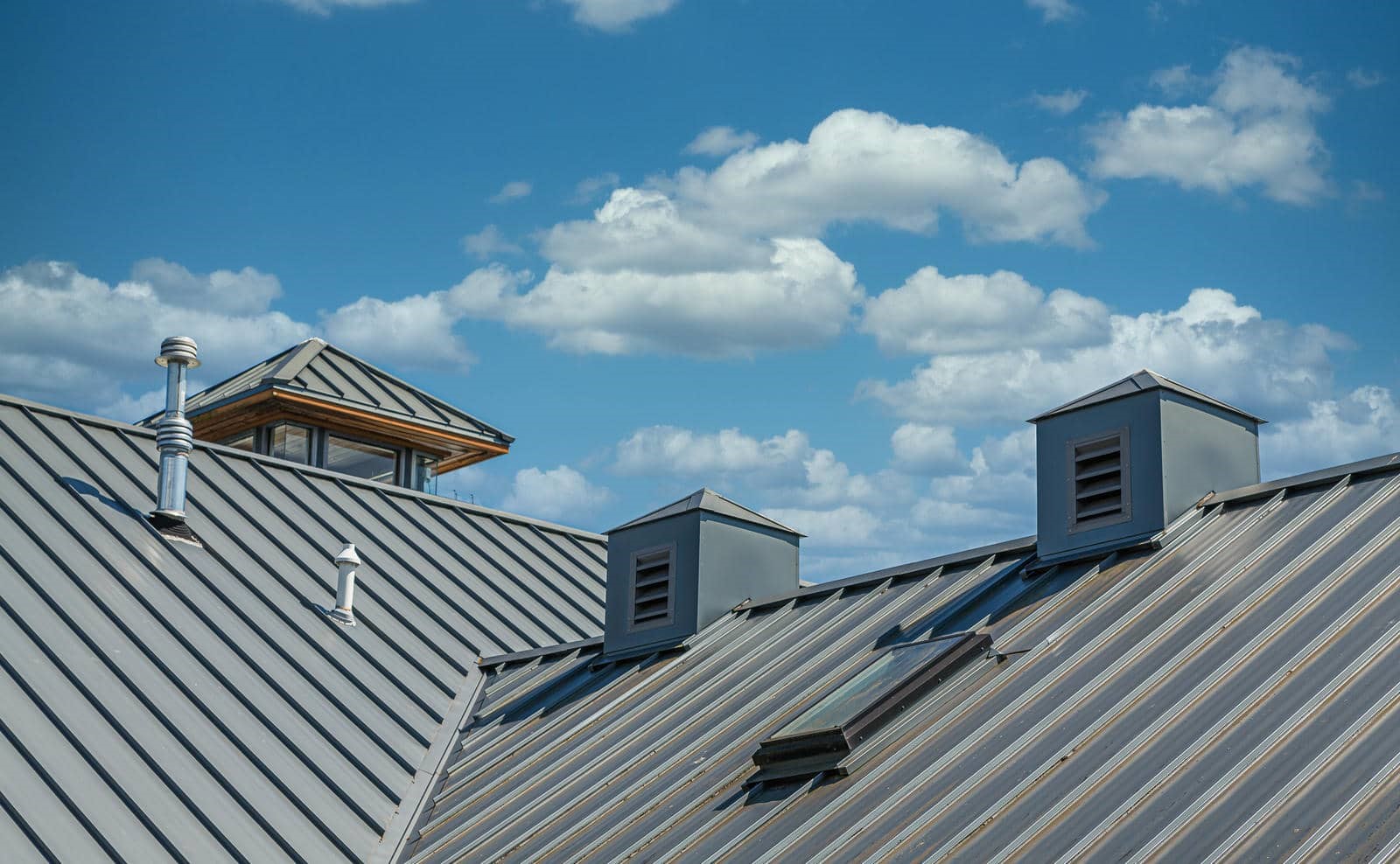
When it comes to choosing energy-efficient roofing materials, you need to take into account various factors that can impact your home’s energy performance. Your local climate, insulation properties, and the reflectivity of materials all play essential roles in your decision. By understanding these elements, you can select options that save energy and enhance your home’s longevity. Let’s explore the different types of materials available and how they align with your energy efficiency goals.
Key Takeaways
- Assess the climate of your area to select materials like cool roofing or insulated options that suit seasonal temperature variations.
- Consider the R-value of materials, as higher R-values indicate better insulation and energy efficiency.
- Evaluate the sustainability of roofing materials, opting for recycled or sustainably sourced options to enhance eco-friendliness and home value.
- Research installation techniques that minimize air leaks and thermal bridging, ensuring optimal performance of selected materials.
- Compare initial costs with long-term savings potential, factoring in energy bills, maintenance, and possible insurance discounts.
Understanding Energy Efficiency in Roofing
When you’re considering a new roof, understanding energy efficiency is essential, as it directly impacts your home’s comfort and energy bills.
Energy performance is a critical factor in roofing technology, influencing how well your roof can insulate and reflect heat. High-quality materials, like reflective shingles or advanced insulation, can greatly reduce energy consumption by keeping your home cooler in summer and warmer in winter.
By choosing energy-efficient options, you enhance your home’s sustainability and foster a sense of belonging in your community, as environmentally conscious choices resonate with many homeowners today.
Researching available roofing technologies, like cool roofs or green roofs, can lead you to materials that maximize energy savings.
Ultimately, making informed decisions about energy efficiency will create a more comfortable living space and lower your monthly utility bills, helping you connect with others who value sustainable living.
Benefits of Energy-Efficient Roofing Materials
When you choose energy-efficient roofing materials, you’re not just making a smart financial decision; you’re also contributing to a healthier planet.
These materials can markedly lower your energy bills, reduce your environmental impact, and even boost your home’s value.
Understanding these benefits can help you make an informed choice that pays off in multiple ways.
Lower Energy Bills
While many homeowners focus on aesthetics or durability when selecting roofing materials, energy efficiency plays a critical role in reducing their monthly energy bills.
By choosing energy-efficient roofing, you can achieve significant energy savings, especially during extreme weather. These materials reflect heat in the summer and insulate effectively in winter, leading to less reliance on heating and cooling systems.
This enhances comfort in your home and results in noticeable cost reduction over time. Lower energy bills mean more money in your pocket for other priorities.
Plus, investing in energy-efficient roofing can increase your home’s value, making it a smart choice for both your finances and your comfort.
Environmental Impact
Choosing energy-efficient roofing materials benefits your wallet and positively impacts the environment. By selecting materials that reflect sunlight and reduce heat absorption, you contribute to environmental sustainability.
These roofs lower energy consumption, resulting in fewer greenhouse gas emissions—an essential step in minimizing your ecological footprint. Additionally, many energy-efficient options use recycled or sustainably sourced materials, further enhancing their eco-friendliness.
When you invest in such roofing, you’re not just improving your home; you’re also joining a community that values responsible living. Ultimately, your choice supports a healthier planet, demonstrating a commitment to future generations and fostering a sense of belonging among those who prioritize sustainability.
Together, we can make a significant difference.
Increased Home Value
Investing in energy-efficient roofing materials can greatly enhance your home’s value.
Not only do these materials improve your home’s aesthetics, making it more appealing to potential buyers, but they also contribute to lower energy bills.
When you choose energy-efficient options, you signal to buyers that your home is modern and environmentally conscious. This can considerably boost your resale value.
Many buyers prioritize energy efficiency, viewing it as a long-term investment. Additionally, energy-efficient roofs often come with warranties, which can further reassure buyers.
Types of Energy-Efficient Roofing Materials
When selecting energy-efficient roofing materials, it’s important to evaluate your options carefully.
Cool roofing, insulated metal roofing, and sustainable tile choices all offer unique benefits that can enhance your home’s energy performance.
Understanding these materials will help you make an informed decision that suits your needs and budget.
Cool Roofing Options
As temperatures rise, opting for cool roofing materials can greatly reduce energy consumption and enhance comfort in your home.
Cool roofs reflect more sunlight and absorb less heat, making them ideal in urban areas prone to urban heat. You might consider options like reflective shingles or single-ply membranes that come in light colors.
Additionally, green roof systems provide insulation and help combat heat by incorporating vegetation, which can lower temperatures around your home.
These choices help you save on energy bills and contribute to a more sustainable environment.
Insulated Metal Roofing
Insulated metal roofing stands out as a highly effective choice for energy-efficient roofing materials. It combines the insulated benefits of energy savings with the metal advantages of durability and longevity.
When considering this option, you’ll find it offers:
- Enhanced thermal performance, reducing heating and cooling costs
- Lightweight design, making installation easier
- Resistance to extreme weather conditions, ensuring long-term protection
- Minimal maintenance requirements, saving time and money
- Eco-friendly options, promoting sustainability in building practices
Sustainable Tile Choices
If you’re seeking energy-efficient roofing materials, sustainable tile options present a compelling solution.
These eco-friendly tiles reduce your carbon footprint while enhancing your home’s aesthetic appeal. You can choose from a variety of materials, including clay, slate, and concrete, each offering unique benefits.
Clay tiles are durable and naturally energy-efficient, while slate tiles provide excellent insulation. Concrete tiles can be molded into various shapes and colors, making them versatile for any design.
By opting for these sustainable choices, you’re contributing to a healthier environment and potentially lowering your energy bills.
Plus, many sustainable tile options come with long warranties, ensuring your investment lasts. Embrace eco-friendly tiles to create a stylish, energy-efficient home.
Reflective Roofing Options
When you’re considering roofing options, reflective materials can greatly enhance your home’s energy efficiency. These materials help to reflect sunlight, reducing heat absorption and keeping your home cooler during hot months.
Here are some effective reflective roofing options:
Reflective coatings: Applied to existing roofs, they create a barrier that reflects sunlight.
Metal roofing: Often comes in reflective finishes, offering durability and energy savings.
TPO and PVC membranes: These single-ply roofing systems are highly reflective and ideal for flat roofs.
Clay and concrete tiles: Available in lighter colors, they can reflect more sunlight than traditional darker tiles.
Solar shingles: These innovative products combine roofing and energy generation, providing a dual benefit.
Choosing reflective roofing materials can lead to lower energy bills and a more comfortable living space, making it a smart investment for any homeowner looking to enhance their home’s efficiency.
Insulating Roofing Materials
When selecting insulating roofing materials, you should consider various types available, such as fiberglass, foam board, and spray foam.
Understanding R-value is essential, as it measures the material’s effectiveness in resisting heat transfer.
Additionally, proper installation techniques can greatly enhance the insulation’s performance, contributing to your home’s overall energy efficiency.
Types of Insulating Materials
As you explore energy-efficient roofing solutions, understanding the various types of insulating materials is essential for making an informed choice.
Each insulation type offers unique thermal resistance properties, helping you maintain a comfortable indoor environment while reducing energy costs.
Here are some common insulating materials to evaluate:
Fiberglass: Lightweight and cost-effective with good thermal resistance.
Foam Board: Provides excellent insulation with a high R-value in a thin profile.
Spray Foam: Expands to fill gaps, offering superior airflow protection and insulation.
Cellulose: Eco-friendly option made from recycled materials, providing decent thermal resistance.
Mineral Wool: Fire-resistant and soundproof, adding extra benefits beyond insulation.
Choosing the right insulation type can greatly influence your home’s energy efficiency and comfort.
R-Value Importance
Understanding R-value is essential for selecting insulating roofing materials, since it directly measures a material’s thermal resistance.
R-value measurement indicates how well a roofing material can resist heat flow, which is vital for maintaining comfort and reducing energy costs in your home.
When making a choice, consider conducting an R-value comparison among various materials to identify the most energy-efficient options.
Higher R-values generally mean better insulation, so aim for materials that offer substantial thermal resistance.
By prioritizing R-value, you’ll enhance your home’s energy efficiency and create a more comfortable living space.
Remember, the right insulating roofing material can greatly impact your overall energy consumption and utility bills.
Choose wisely, and enjoy the benefits!
Installation Techniques
Choosing the right installation techniques for insulating roofing materials can greatly enhance their performance and longevity.
To ensure you’re maximizing energy efficiency, follow these installation best practices:
- Verify roofing material compatibility with existing structures.
- Use proper sealing methods to prevent air leaks.
- Install insulation boards in staggered seams to minimize thermal bridging.
- Confirm correct ventilation to maintain airflow and prevent moisture buildup.
- Regularly inspect and maintain your roofing system for peak performance.
Green Roofing Solutions
While traditional roofing materials often contribute to energy inefficiency, green roofing solutions offer a sustainable alternative that can greatly reduce your energy costs. By incorporating green roofs into your design, you enhance your building’s aesthetic appeal and improve insulation and reduce heat absorption. This results in lower energy bills and a more comfortable indoor environment.
Additionally, consider implementing living walls, which further boost energy efficiency while promoting biodiversity. These vertical gardens can help regulate temperature and filter air pollutants, making your space healthier for you and your community.
When choosing green roofing solutions, consider local climate conditions and maintenance requirements to ensure long-term success.
By opting for these eco-friendly options, you join a growing community committed to sustainability, creating a shared sense of purpose while making a positive impact on the environment.
Embrace green roofs and living walls to transform your home into an energy-efficient haven.
Durability and Longevity Considerations
When selecting roofing materials, consider durability and longevity to ensure your investment pays off over time. You want materials that offer a long material lifespan while also providing excellent weather resistance.
Here are some factors to keep in mind:
Material Quality: High-quality materials often last longer and withstand harsh conditions better.
Maintenance Requirements: Some materials require more upkeep, affecting their overall longevity.
Warranty Offered: Look for products with extensive warranties as a sign of durability.
Environmental Impact: Sustainable materials can often enhance durability while supporting eco-friendly practices.
Installation Quality: Proper installation is essential for maximizing the lifespan of your roof.
Local Climate and Energy Efficiency
Understanding your local climate is essential for maximizing energy efficiency in your roofing choices. Different climate zones demand specific materials that can withstand local weather while enhancing energy conservation.
For example, if you live in a hot, arid area, you might opt for reflective roofing materials that reduce heat absorption. Conversely, in colder regions, materials with high insulation properties can help retain warmth, lowering heating costs.
Consider your area’s rainfall and snow load as well; materials that can handle moisture and weight are vital for longevity and performance.
By understanding your local weather patterns, you can select roofing that complements your home and contributes to a sustainable environment.
Ultimately, aligning your roofing decisions with your climate zone will improve comfort and foster a sense of community responsibility toward energy efficiency. Your choices matter, and they can positively impact both your home and the environment.
Cost vs. Savings Analysis
Before making a decision on roofing materials, it’s crucial to weigh the initial costs against long-term savings. Conducting a thorough cost analysis can reveal valuable insights into your options’ savings potential.
While some materials may have a higher upfront cost, they often lead to significant savings over time through reduced energy bills and increased durability.
Consider these factors in your analysis:
Material longevity: Durable roofs last longer, reducing the need for replacements.
Energy efficiency: Reflective materials can lower cooling costs.
Maintenance costs: Some materials require less upkeep, saving you money.
Insurance benefits: Certain energy-efficient roofs may qualify for discounts.
Resale value: Energy-efficient homes often attract buyers, increasing property value.
Installation and Maintenance Tips
After evaluating the costs and potential savings of different roofing materials, you’ll want to focus on how to install and maintain your chosen option effectively. Proper installation is essential; it can help avoid future installation challenges, such as leaks or insulation issues.
Make certain to hire experienced professionals familiar with your specific material to ensure a secure fit.
Establishing maintenance schedules will extend your roof’s lifespan. Regular inspections every six months can catch small problems before they escalate.
Clean gutters and remove debris to prevent water damage. If you’ve opted for reflective roofing, make certain it remains clean to maximize energy efficiency.
Frequently Asked Questions
What Is the Lifespan of Energy-Efficient Roofing Materials?
Energy-efficient roofing materials typically last between 20 and 50 years, depending on material durability. When you consider lifespan comparison, investing in these options often proves beneficial, providing long-term savings and reducing environmental impact over time.
Are There Specific Warranties for Energy-Efficient Roofing Products?
Yes, energy-efficient roofing products often come with specific warranty coverage. Look for warranties linked to product certifications; they indicate quality, performance, and longevity. These assurances help you feel confident in your roofing investment for years.
Can I Install Energy-Efficient Roofing on an Existing Roof?
Yes, you can install energy-efficient roofing on an existing roof. Explore retrofit options, but be aware of potential installation challenges, such as weight and ventilation, to ensure your new roof performs effectively and meets your needs.
How Do I Find Certified Energy-Efficient Roofing Contractors?
To find certified energy-efficient roofing contractors, research their qualifications, check for certifications, and read customer reviews. Verify they understand the certification process and ensure they meet the energy-efficiency and quality standards for your roofing project.
Do Energy-Efficient Roofs Require Special Maintenance Practices?
Yes, energy-efficient roofs need special maintenance practices. Regular roofing inspections and maintenance, such as cleaning gutters and checking for damage, ensure they perform at their best, keeping your home comfortable and energy-efficient for years.
Recap
Choosing energy-efficient roofing materials is essential for maximizing your home’s comfort and minimizing energy costs. Did you know that installing cool roofing can reduce your energy bills? By carefully considering your local climate and evaluating options like reflective and insulating materials, you can make a smart investment. Remember, the right roofing enhances your home’s energy efficiency and boosts its overall value and sustainability.