
If you’ve got a metal roofs, leaks can be a real headache. Understanding how to pinpoint the source is vital for effective repairs. You’ll need to inspect seams, joints, and panels closely. Regular maintenance is key to preventing future issues. Knowing the right products and techniques to use can make a significant difference. Let’s explore these essential tips to keep your roof in top shape and safeguard your investment.
Key Takeaways
- Identify leak sources by inspecting for water stains, damaged seams, and corroded panels, using a hose to simulate rainfall if needed.
- Clean the roof surface regularly, removing debris and using mild detergent for stubborn stains to prevent leaks from accumulating.
- Apply high-quality roofing sealants along seams and joints, ensuring surfaces are clean for better adhesion and following drying instructions.
- Schedule professional inspections to catch early signs of wear and receive expert recommendations for maintenance and repairs.
- Document all maintenance activities and repairs to track roof condition and enhance long-term performance.
Identify the Source of the Leak
How can you effectively pinpoint the source of a leak in your metal roof? Start by conducting thorough leak detection.
Begin indoors, looking for water stains on ceilings and walls. These stains can reveal the leak’s location, guiding your search on the roof.
Next, head outside and inspect the roof during or after rainfall. Pay close attention to areas around roof penetrations, such as vents or chimneys, as water can easily seep through these points.
Use a hose to simulate rain if necessary—spray specific areas while observing for new water stains inside.
Additionally, check for any rust or corrosion on the metal panels, which can indicate weak points.
By combining these methods, you’ll identify the leak’s source and gain a clearer understanding of your roof’s overall health.
This proactive approach fosters a sense of belonging to a community that values home maintenance.
Inspect Seams and Joints
While inspecting your metal roof for leaks, paying close attention to seams and joints is vital, as these areas are often the most vulnerable.
Start by conducting a thorough joint inspection, looking for signs of wear, rust, or gaps. If you notice any issues, they could be potential leak points.
Regular seam maintenance is essential; ensure that seams are properly sealed using high-quality sealants designed for metal roofs. Check for any loose fasteners, as they can compromise the integrity of the seams. If you find any loose or damaged areas, tighten or replace fasteners as needed.
Additionally, clean the joints to remove debris that could trap moisture and lead to corrosion.
Check for Damaged Panels
Before you can effectively address leaks in your metal roof, it’s important to check for damaged panels, as these can serve as significant entry points for water.
Start by examining each panel closely for signs of panel corrosion, such as rust spots or unusual discoloration. Corrosion can weaken the metal, making it more susceptible to leaks. If you find any severely corroded panels, it’s vital to take into account panel replacement.
Measure the affected areas to confirm you purchase the correct size and type of metal. When replacing panels, align them properly with existing structures to maintain a tight seal and prevent future leaks.
Don’t forget to inspect the fasteners as well, as damaged or loose ones can exacerbate water intrusion. By addressing panel issues promptly, you’ll help maintain the integrity of your metal roof and ensure a reliable barrier against the elements.
Clean the Roof Surface
Cleaning the roof surface is an essential step to prevent leaks and ensure the longevity of your metal roof. Regular roof maintenance enhances aesthetics and helps identify potential issues before they escalate.
Start by removing debris, such as leaves and branches, using a soft-bristle broom or a blower. Avoid harsh chemicals; instead, opt for gentle cleaning techniques like a mixture of mild detergent and water.
Use a non-abrasive scrub brush to tackle stubborn stains or algae growth. If your roof has gutters, make certain they’re clear to facilitate proper water drainage, reducing the risk of leaks.
Always work from the top down to prevent dirt from falling onto already cleaned areas. By maintaining a clean roof surface, you’re not just protecting your investment; you’re fostering a strong sense of community pride in having a well-cared-for home.
Apply Roofing Sealant
When applying roofing sealant, selecting the right type is essential for ensuring a long-lasting repair.
Different sealants are formulated for various metal surfaces and conditions, so make sure to choose one that suits your specific needs.
Additionally, the technique you use during application can greatly impact the sealant’s effectiveness, so pay attention to details.
Choose Appropriate Sealant
Selecting the right sealant is essential for effectively repairing leaks in metal roofs, as different materials and conditions require specific solutions.
You’ll find several sealant types, including silicone, polyurethane, and butyl rubber, each designed for unique applications and environmental factors.
For instance, silicone works best in wet climates due to its water resistance, while polyurethane offers superior adhesion and durability in extreme temperatures.
Before making your choice, evaluate the roof’s material and the nature of the leak.
Understanding these sealant characteristics ensures you select a product that seals effectively and withstands the test of time.
Application Technique Matters
After you’ve chosen the appropriate sealant, the way you apply it can greatly affect the outcome of your repair. Proper application techniques are essential for ensuring a watertight seal.
Start by cleaning the area thoroughly to remove dirt and debris, as this allows for better adhesion. Use a caulking gun for an even sealant application, applying in a continuous bead along the seams or leaks. Make sure to apply pressure consistently to avoid gaps.
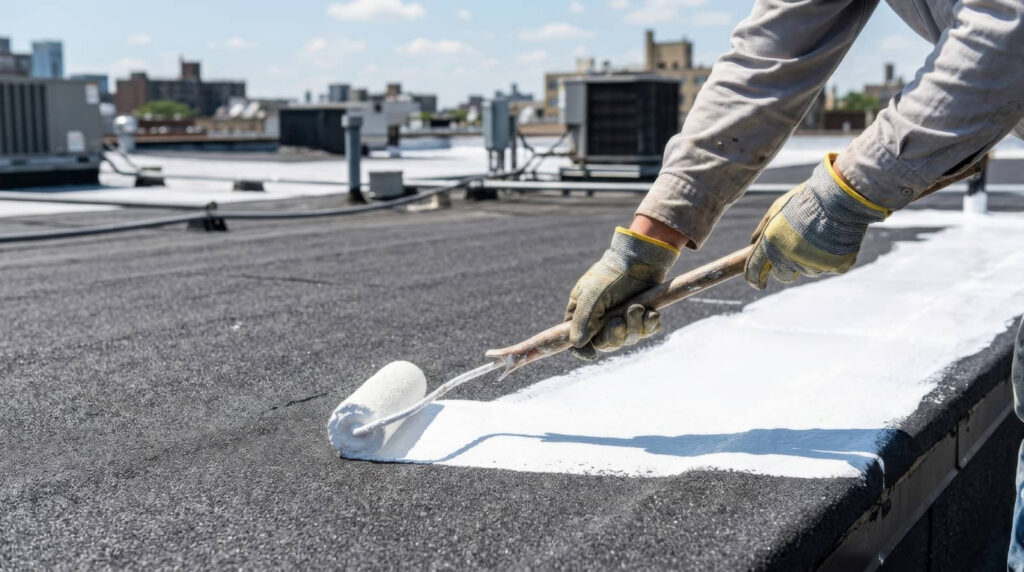
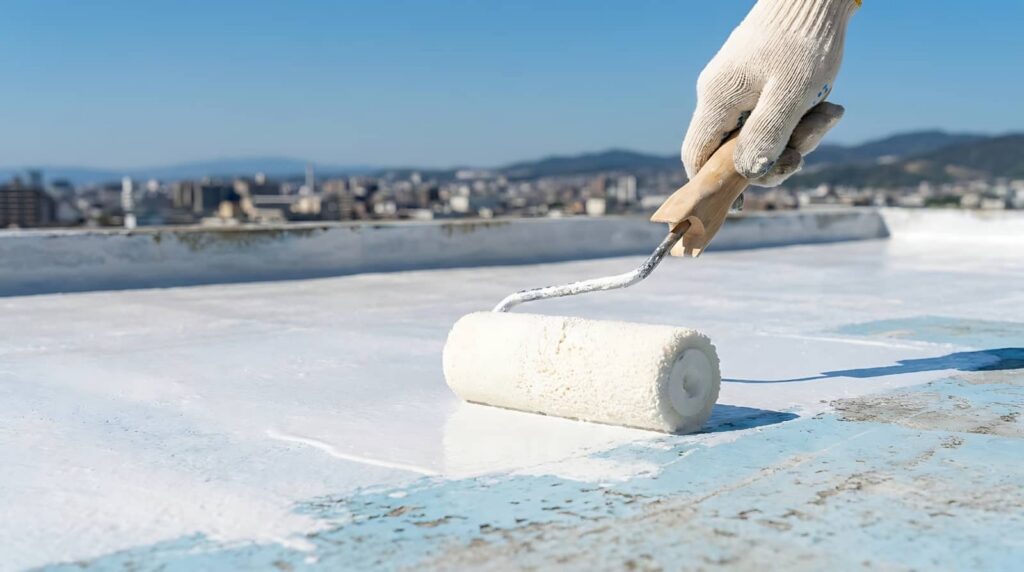
For larger areas, consider using a trowel for smooth coverage. Always follow the manufacturer’s instructions regarding drying times and conditions.
Replace Missing Fasteners
Missing fasteners can lead to significant leaks and structural issues in metal roofs, so addressing this problem promptly is crucial. Start by identifying the type of fasteners used in your roof, as there are various fastener types, including screws and rivets. When replacing missing fasteners, ensure you select the correct type to maintain the roof’s integrity.
Next, employ proper installation techniques. This includes pre-drilling holes to prevent cracking and using sealant to enhance waterproofing. Be cautious not to overtighten, as this can damage the metal and compromise its seal.
After replacing the fasteners, check the surrounding areas for any signs of wear or damage. Engaging with your community or seeking advice from experienced professionals can further guide your efforts, fostering a sense of belonging and shared knowledge in maintaining your metal roof effectively.
Schedule Regular Inspections
Scheduling regular inspections is essential for maintaining the integrity of your metal roof and preventing leaks.
Aim for inspections at least twice a year, ideally in spring and fall, to catch potential issues early.
Hiring a professional can provide a thorough assessment, ensuring that any hidden problems are identified and addressed promptly.
Importance of Inspections
Regular inspections of your metal roof are essential for maintaining its integrity and longevity. Using an inspection checklist ensures no aspect of the roof is overlooked.
Key areas to examine include seams, fasteners, and flashings, where leaks commonly originate. Employing the right inspection tools—such as moisture meters and infrared cameras—allows you to detect hidden issues that might otherwise go unnoticed.
Additionally, these inspections help identify signs of corrosion or damage early, preventing costly repairs down the line. By prioritizing inspections, you protect your investment and foster a sense of community among fellow metal roof owners who understand the importance of upkeep.
Regular attention to your roof keeps it in prime condition and enhances its lifespan.
Frequency Recommendations
To maintain the health of your metal roof, establishing a consistent inspection schedule is essential. Regular inspections help you catch potential leaks early and assess the overall condition of your roofing system.
Aim for at least two inspections per year, ideally in the spring and fall, to address seasonal wear and tear. Additionally, after severe weather events, inspect for damage to ensure leak frequency remains low.
Document your findings and any necessary repairs to track your roof’s condition over time. By committing to this proactive approach, you’ll foster a sense of belonging within your community of responsible homeowners, making certain your metal roof remains a reliable protector of your home.
Professional Inspection Benefits
While you may be tempted to conduct inspections on your own, hiring a professional can greatly enhance your roof’s maintenance routine. Their professional expertise brings several inspection advantages that you may overlook.
Regular inspections by experts ensure detailed assessments and help identify potential issues before they escalate into costly repairs.
- Access to advanced diagnostic tools
- Extensive knowledge of metal roofing materials
- Ability to spot early signs of wear and tear
- Recommendations for preventive maintenance strategies
Frequently Asked Questions
How Can I Prevent Future Leaks in My Metal Roof?
To prevent future leaks in your metal roof, conduct regular preventive maintenance, inspecting for rust or loose fasteners. Additionally, consider weather conditions; ensure proper drainage and install protective coatings to enhance durability against harsh elements.
What Materials Are Best for Sealing Metal Roof Leaks?
Did you know that most metal roof leaks can be effectively sealed with the right materials? For best results, consider using silicone or polyurethane sealants alongside proper repair techniques to ensure long-lasting protection.
Can I Repair a Metal Roof in Winter?
You can repair a metal roof in winter, but only when temperatures are above freezing and sealant can adhere properly. Use specialized winter repair materials designed for cold conditions to ensure effectiveness and longevity in your metal roofing solution.
How Often Should I Inspect My Metal Roof?
Your metal roof’s like a ship in a storm; regular inspections are essential. Schedule roof inspections at least twice a year, and after severe weather, to ensure your maintenance routine keeps it secure and reliable.
What Signs Indicate a Serious Roof Problem?
You’ll notice serious roof problems through persistent leaks, water stains, or rust. Prioritizing leak detection during routine roof maintenance helps you identify these issues early, ensuring your home remains safe and structurally sound.
Summary
Addressing leaks in metal roofs requires vigilance and prompt action. By regularly inspecting seams, cleaning surfaces, and applying quality sealants, you can greatly extend your roof’s lifespan. Don’t forget to schedule those professional inspections to catch potential issues early. With these steps, you’ll protect your investment and ensure a safer, leak-free environment for years to come.