When you face the need for Commercial Roof Repair, you need to act quickly and document everything with care. You should know what your policy covers, what exclusions apply, and when deadlines run out. A missed detail can weaken your claim or lower your settlement. The real question is whether your evidence, filing process, and inspection strategy are strong enough to protect your recovery.
Key Takeaways
- Identify covered causes like wind, hail, fire, or falling objects, and check exclusions for wear, neglect, or poor maintenance.
- Photograph all roof damage immediately, including punctures, leaks, pooling water, saturated insulation, and displaced flashing.
- Review policy terms for actual cash value, replacement cost, roof endorsements, sublimits, and notice deadlines.
- Submit the claim promptly with dated photos, maintenance records, weather data, and written contractor estimates.
- Dispute low settlements using itemized repair bids, inspection notes, and written objections tied to policy language.
What Counts as Commercial Roof Damage?
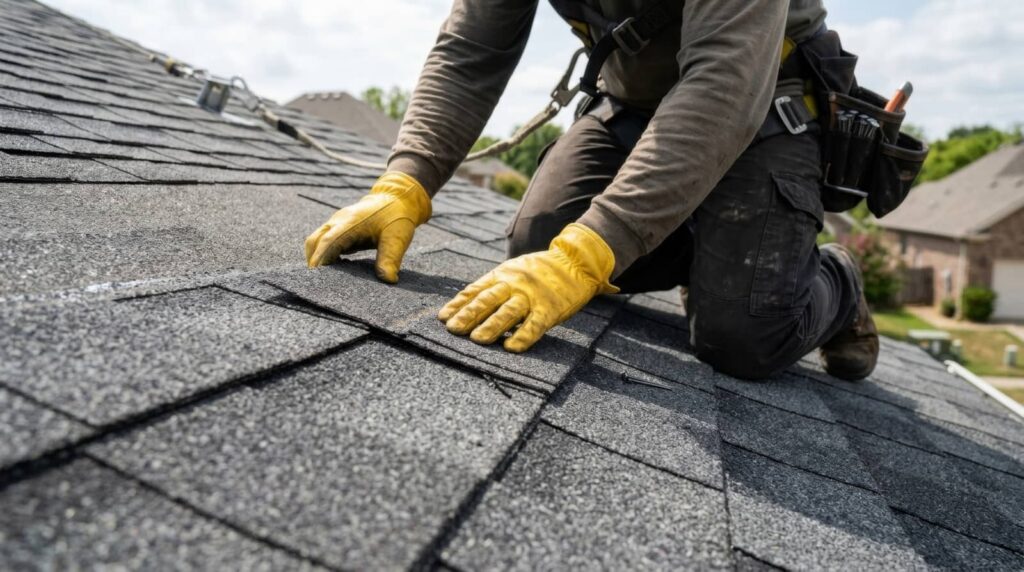
Commercial roof damage includes any condition that compromises the roof’s ability to protect the building, such as punctures, leaks, storm-related tears, membrane separation, hail impacts, wind uplift, standing water, and structural deformation.
You should treat visible deterioration, saturated insulation, and displaced flashing as damage when they affect performance.
You’re part of a process that depends on clear observation, so note every affected area, even if the issue seems minor.
Insurance claims for commercial roof repair typically rely on documented signs of failure, not assumptions.
You should record where the damage appears, how extensive it is, and whether it affects adjacent components.
Precise descriptions help you present a credible claim and align with your property team’s standards.
Accurate identification supports timely repair decisions and reduces confusion during review.
Review Coverage, Exclusions, and Deadlines
Before you file, review the policy language that governs roof damage, including covered causes of loss, exclusions, deductibles, and any reporting deadlines.
You should confirm whether wind, hail, fire, or falling objects are covered, and whether wear, neglect, or improper maintenance are excluded.
Check if the policy limits payment to actual cash value or replacement cost, since that affects your recovery.
You’ll also want to identify any roof-specific endorsements, sublimits, or ordinance-and-law provisions that may apply.
Note the claim notice period and any duty to mitigate further loss, because missed deadlines can weaken coverage.
If your organization relies on shared facilities, verify who’s authority to submit the claim.
Careful review helps you stay aligned with the policy and protects your business community.
Document Roof Damage for Your Claim
Damage documentation should begin as soon as it’s safe to access the roof. You should photograph every affected area from multiple angles, including close-ups and wider views that show context.
Capture dates, times, weather conditions, and the exact location of each issue. Record visible signs such as punctures, lifted seams, pooling water, missing materials, and interior leaks.
If you can, measure affected sections and note estimated dimensions. Keep all images clear and unedited, and save them in an organized file.
You should also maintain written notes that describe what you observed and when you observed it. This method helps your team present a complete, credible record and supports a consistent claim review.
Careful documentation gives you a stronger position and helps your organization move forward with confidence.
File the Insurance Claim
Submit the claim promptly once you have gathered the required documentation and confirmed the policy reporting process. You should file through the insurer’s preferred channel, whether online, by email, or by phone.
Keep your language factual and concise so your report reflects the loss accurately and supports your position as a policyholder.
- State the date and time you noticed the damage.
- Identify the affected roof areas and related operations.
- Attach photos, invoices, and inspection notes.
- Save the claim number and all correspondence.
You can strengthen your claim by checking that every form matches the policy details exactly.
If you’re part of a facilities team or ownership group, share the submitted materials so everyone stays aligned and informed.
Clear filing helps you move forward with confidence.
What to Expect During the Adjuster Inspection?
During the adjuster inspection, you can expect a clear review of the roof’s condition, the affected areas, and the likely cause of the damage.
You should have your damage records ready, since the adjuster will compare them with what they observe on site.
You may also face follow-up questions about the timeline, prior maintenance, and any recent weather events.
Inspection Scope Overview
When the adjuster arrives, you can expect a structured inspection that verifies the reported loss, reviews the roof system, and determines whether the damage supports coverage under the policy.
You’ll usually walk the adjuster through access points, affected areas, and any known leak locations so the scope stays focused and complete.
The inspection often includes:
- A review of roof type, age, and prior repairs.
- A close look at membranes, seams, flashings, drains, and penetrations.
- An assessment of interior conditions that align with the exterior findings.
- A determination of whether the observed conditions fit the reported event.
You should answer questions directly, stay present, and let the adjuster work methodically.
This approach helps you align with the claims process and supports a fair, professional evaluation.
Damage Documentation Review
A strong damage documentation review helps the adjuster verify the loss and assess whether the claim supports coverage. You should present dated photos, repair invoices, maintenance records, weather reports, and any prior inspection notes in an orderly file.
The adjuster compares these documents with visible roof conditions, so clear labeling and consistent dates matter. You’ll strengthen the review when you show the damage location, the extent of deterioration, and any related interior effects.
Keep your records complete, factual, and easy to follow, because that helps the process move efficiently and reinforces your credibility. If your documentation aligns with the observed loss, the adjuster can confirm the claim more confidently and keep your team in a stronger position throughout the inspection.
Follow-Up Questions Explained
Once your documentation is organized, the adjuster will likely ask follow-up questions to verify the cause, extent, and timing of the roof damage. You should answer directly and keep your records nearby, so you can support each statement with facts and feel confident in the process.
The adjuster may focus on:
- When you first noticed the leak or impact.
- Which areas of the roof and interior were affected.
- Whether repairs, tarping, or maintenance occurred before inspection.
- What weather event or incident you believe caused the loss.
You’ll benefit from consistent answers, because they help the adjuster assess coverage efficiently. If a detail is uncertain, say so plainly rather than guessing.
Clear, cooperative communication helps you stay aligned with the claim process and reinforces your place in a professional review.
Why Commercial Roof Claims Get Denied
Your commercial roof claim can be denied if you report the damage too late, since delayed notice can weaken the insurer’s review.
You also need clear roof documentation, because incomplete records can make it hard to prove the cause and extent of the loss.
Even when you file on time, your policy may exclude certain roof conditions, and those exclusions can prevent coverage.
Late Damage Reporting
Late reporting can undermine a commercial roof claim because insurers often require prompt notice of damage to verify cause, date of loss, and extent of repairs.
When you wait, the insurer may question whether the loss happened during the policy period or whether outside factors worsened it. You protect your claim by acting quickly and keeping your team aligned.
- Notify your insurer as soon as you detect damage.
- Record the date, weather event, and visible impact.
- Arrange a timely inspection to support causation.
- Track all repair-related communications and deadlines.
Prompt reporting shows diligence and helps you stay within policy requirements.
It also signals that you’re part of a responsible group of property owners who manage losses with discipline.
Poor Roof Documentation
Even when you report damage promptly, weak documentation can still derail a commercial roof claim. You need clear, dated photos that show the roof before and after the event, plus close-ups of punctures, seams, flashing, and interior leaks.
You should keep maintenance logs, inspection reports, repair invoices, and weather records together, because adjusters rely on a consistent file. If your evidence leaves gaps, the insurer may question cause, scope, or timing.
You strengthen your position when you record measurements, note affected areas, and preserve damaged materials. A complete claim package helps you stand with other property owners who present organized proof.
When you document each step carefully, you make it easier for the carrier to verify loss and approve payment.
Policy Exclusions
Policy exclusions can block a commercial roof claim even when the damage is real, because the policy only covers losses that fit its terms. You need to review exclusions before you file, so you don’t waste time on denied losses.
Common exclusions include:
- Wear and tear
- Poor maintenance
- Construction defects
- Flood or earth movement
If your roof failed from any of these causes, the carrier may reject payment or limit it sharply. You should compare the loss to the policy language, then gather evidence that shows a covered event triggered the damage.
In your team, keep maintenance records, inspection reports, and weather data ready. When you understand exclusions, you strengthen your claim, reduce surprises, and stay aligned with others who protect the same property.
How to Dispute a Low Settlement
If your insurer issues a settlement that doesn’t cover the full scope of commercial roof damage, you can dispute it by presenting clear, organized evidence that supports a higher amount.
You should review the adjuster’s report, identify omissions, and compare each disputed item with your own inspection records. You can submit dated photos, maintenance logs, contractor observations, and correspondence that show the claim’s basis.
State your objections in writing, reference policy language, and explain why the insurer’s valuation is incomplete. Keep your tone professional and consistent, and request a reinspection if needed.
When you communicate with the carrier, document every call, email, and deadline.
If the dispute remains unresolved, you can elevate the matter through formal appeal channels and seek guidance from trusted professionals who understand your position.
Estimate Roof Repair Costs
Once you’ve challenged any low settlement, the next step is to estimate the actual roof repair cost so you can compare it against the insurer’s offer. You should gather contractor bids, material prices, labor rates, and disposal fees, then total them in a clear worksheet. This gives you a defensible figure and helps you speak with confidence as part of a prepared team.
Request written estimates from licensed roofers.
Verify square footage, slopes, and affected sections.
Include flashing, insulation, and waterproofing lines.
Add permit, equipment, and cleanup charges.
Keep each estimate itemized, dated, and tied to observed damage. If you document the same scope consistently, you strengthen your position and reduce disputes over value.
How to Prevent Future Claim Problems
To prevent future claim problems, you should document roof conditions before, during, and after any repair. Then keep those records in a centralized file with photos, invoices, inspection reports, and correspondence.
You should also schedule regular inspections, track maintenance dates, and note weather events that affect the roof. When you detect damage, report it promptly, follow policy notice requirements, and avoid temporary fixes that obscure evidence.
You’ll strengthen your position by using licensed contractors, obtaining written scopes of work, and preserving material samples when relevant. Keep all parties aligned by sharing updates with your insurer, adjuster, and property team.
This disciplined process helps you fit within established claims practices, reduces disputes, and supports a smoother review if your commercial roof needs coverage again.
Frequently Asked Questions
How Does Commercial Roof Age Affect Claim Eligibility?
A commercial roof’s age can limit your claim eligibility because insurers often deny wear-and-tear losses and reduce coverage for older systems. You’ll improve approval chances when you document maintenance, inspections, and storm-related damage promptly.
Can Equipment Damage Cause a Valid Roof Insurance Claim?
Yes, if equipment damage caused the roof harm, you can have a valid claim; if it’s the storm’s domino effect, you’re likely covered. You’ll need clear photos, reports, and prompt notice to support approval.
Are Temporary Repairs Reimbursable After Storm Damage?
Yes, you’re often reimbursable for temporary repairs after storm damage if they’re necessary to prevent further loss and you document costs, photos, and receipts. You should notify your insurer promptly and keep all records.
Who Should Meet the Adjuster During the Inspection?
You should meet the adjuster with your roofing contractor and a company representative; claims improve when evidence is organized. You’ll present damage, verify scope, and ensure you’re heard during inspection.
Does a Deductible Apply Before Roof Repair Coverage Starts?
Yes, your deductible usually applies first, and coverage starts after you’ve met it. You’ll pay that amount yourself, then your insurer may cover approved repair costs, subject to policy limits and exclusions.
Recap
By documenting damage promptly, reviewing exclusions carefully, and filing within deadlines, you improve your chances of a fair outcome. Commercial property claims can be delayed or disputed when the documentation and evidence are incomplete, making thorough records an important part of the claims process. You can reduce that risk by keeping maintenance records, using licensed contractors, and responding quickly to the adjuster. These steps help you protect your coverage and your roof investment.