Last winter, a small ceiling stain turned into a full roof tear-off for one homeowner, like a loose bolt that eventually shakes an entire machine. You need to know what residential roofing services actually cover, how to spot early damage, and when repair stops making sense. Residential Roofing Services can address leaks, damaged shingles, flashing issues, and other roofing concerns before they spread. The right inspection can reveal hidden issues early, but choosing the right materials and contractors still changes the outcome.
Key Takeaways
- Residential roofing services include inspections, leak detection, repairs, replacements, and guidance on choosing suitable materials.
- Professional inspections assess shingles, flashing, vents, gutters, underlayment, and decking for hidden damage or weak points.
- Warning signs include curling shingles, ceiling stains, damp insulation, sagging sections, and rising energy bills.
- Replace a roof when leaks repeat, shingles fail widely, decking softens, or materials reach the end of service life.
- Choose roofing materials based on climate, structure, weight, fire resistance, impact performance, maintenance, and local code requirements.
What Residential Roofing Services Include
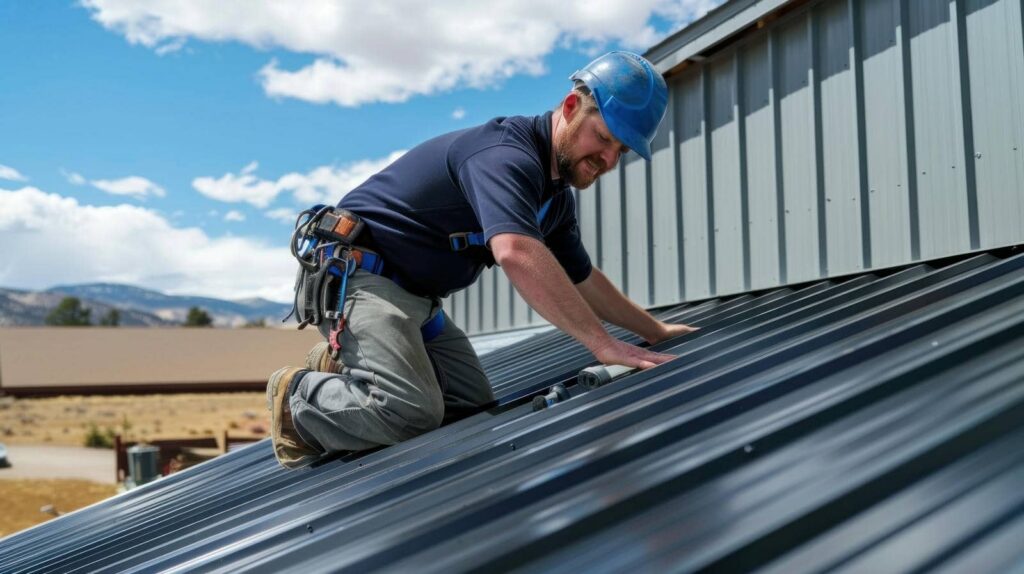
Residential roofing services typically include roof inspections, leak detection, repairs, full replacements, and material selection guidance. You get a structured process that helps you protect your home and stay confident in your roof’s condition.
A professional team evaluates decking, flashing, vents, gutters, and underlayment, then recommends the right fix or upgrade. You can choose asphalt shingles, metal, tile, or other systems based on performance, budget, and climate.
During residential roofing services, technicians document findings, explain options, and complete work with code compliance and safety standards in mind. This approach gives you a clear path from assessment to completion, so you feel informed and supported.
When you work with skilled roofers, you join a community of homeowners who value durable, reliable protection.
Signs Your Roof Needs Repair
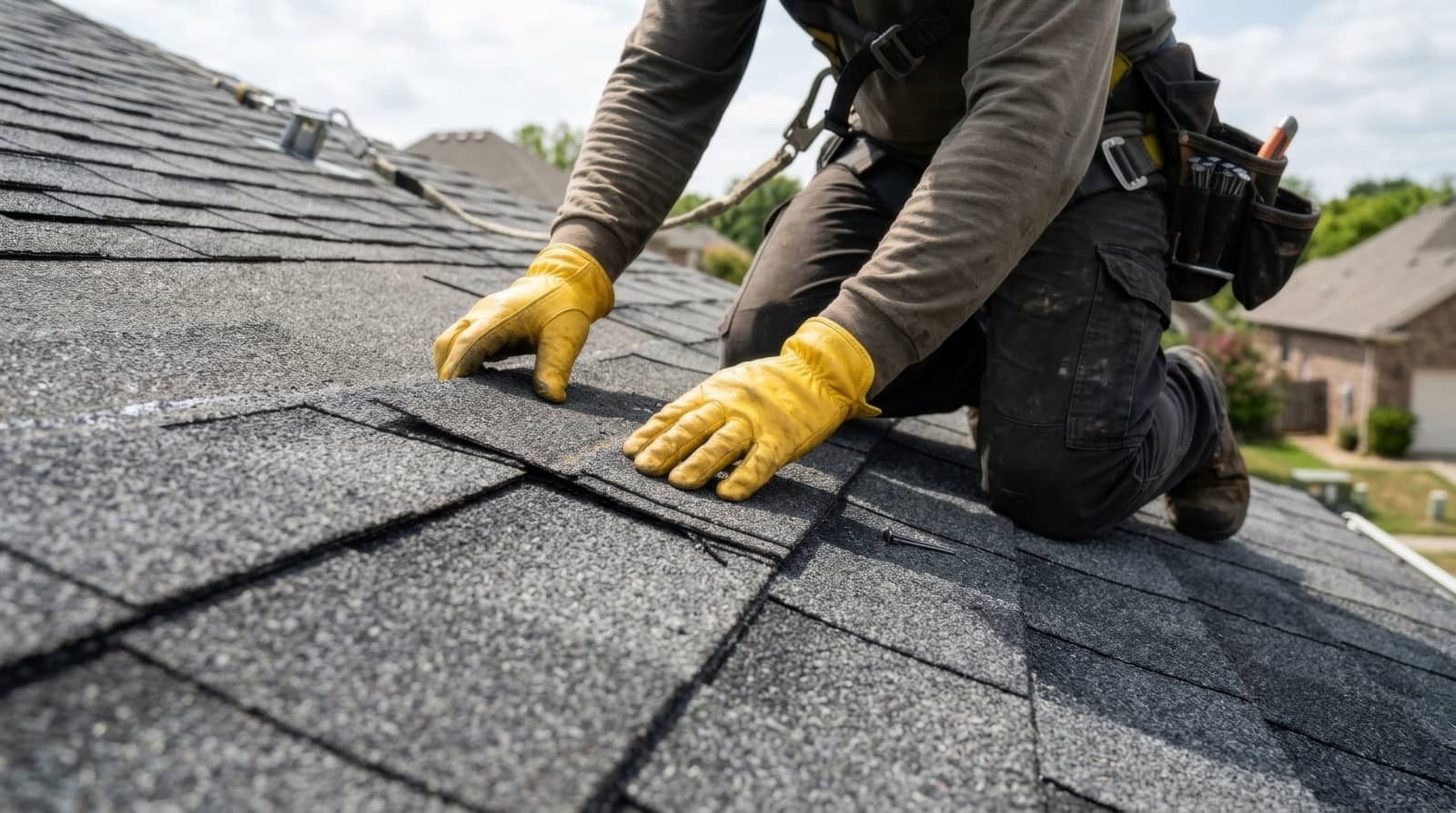
Once you know what residential roofing services cover, you can spot problems early and avoid larger structural damage. You should watch for curling shingles, missing granules, and cracked flashing because these issues often signal wear.
Water stains on ceilings, damp attic insulation, and peeling paint near rooflines can also mean moisture is entering your system. If you notice sagging areas, higher energy bills, or debris in gutters, your roof may need prompt repair. Acting quickly keeps your home’s envelope tight and your household protected.
- Curling or missing shingles
- Exposed nails or cracked flashing
- Ceiling stains or attic dampness
- Sagging roof sections
- Excess shingle granules in gutters
How Roof Inspections Reveal Hidden Damage?
During a roof inspection, a professional checks far more than visible shingles to uncover damage you mightn’t see from the ground.
You get a close review of flashing, sealants, vents, ridges, valleys, and roof penetrations where leaks often start. The inspector looks for lifted tabs, cracked membranes, soft decking, granule loss, and moisture staining in the attic.
They also test weak points around chimneys, skylights, and gutters to trace hidden water entry. By catching these issues early, you stay ahead of costly interior damage and keep your roofing system performing as a unit.
A thorough inspection gives you clear facts, helps you plan next steps, and connects you with a homeowner community that values proactive care.
When Roof Replacement Makes More Sense
When inspection findings show widespread shingle failure, repeated leaks, sagging decking, or aging materials that no longer seal properly, replacement often makes more sense than another repair. You avoid chasing patchwork fixes that can leave your home exposed and your maintenance budget stretched.
A full replacement also lets you correct hidden deck damage, improve fastening integrity, and restore reliable water shedding across the roof system.
- Multiple leak points
- Granule loss across large areas
- Soft or warped roof decking
- Frequent repair calls
- Advanced service life
When you’re weighing options, replacement gives you a cleaner path forward and helps you stay aligned with other homeowners who value long-term protection.
Your roofing professional can confirm whether the system has reached the point where repairs won’t deliver durable performance.
How to Choose Roofing Materials for Your Home
Choosing the right roofing material starts with your home’s structure, local climate, and expected service life. You should match weight to framing capacity, especially if your roof has older trusses or limited load margin.
In hot, sunny regions, reflective surfaces can reduce heat gain; in wet or storm-prone areas, choose materials with strong wind and moisture ratings. You’ll also want to compare fire resistance, impact performance, maintenance needs, and warranty terms.
Asphalt shingles offer value and broad availability, while metal, tile, and synthetic systems can deliver longer life and stronger protection.
Work with a roofing professional who explains code requirements and installation details clearly, so you feel confident your home belongs with the right system.
What to Expect During a Roof Replacement
A roof replacement usually begins with a full inspection, material selection, and a written estimate that outlines scope, timeline, and costs.
You’ll confirm the crew’s access needs, protect landscaping, and prepare for noise and debris.
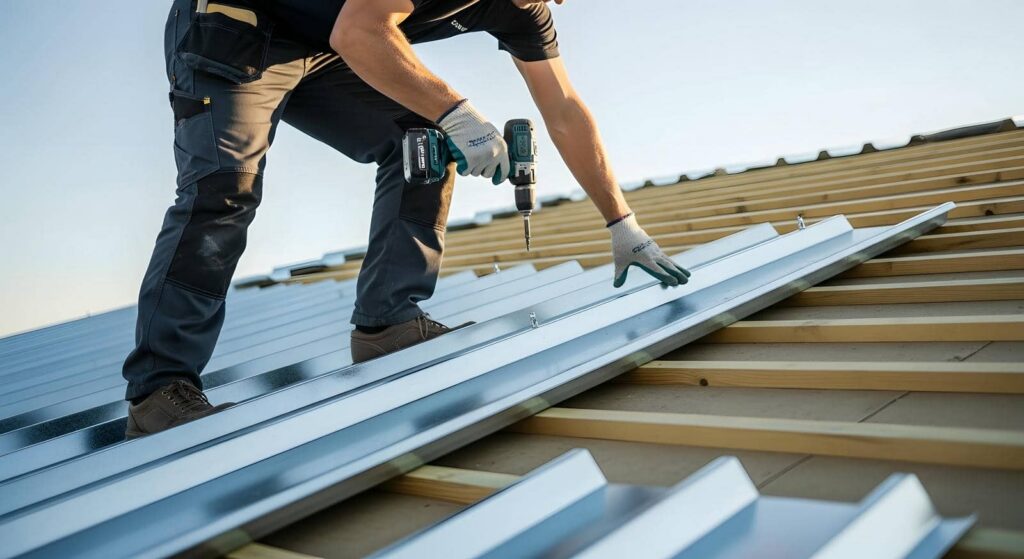
On installation day, the team removes old materials, inspects decking, and repairs damaged sections before installing underlayment, flashing, and new shingles.
You can expect weather checks, cleanup, and a final walkthrough so you understand the completed system.
- Tear-off and deck inspection
- Structural repairs, if needed
- Underlayment and flashing installation
- New roofing material placement
- Magnet sweep and debris removal
How to Compare Roofing Contractors
When you compare roofing contractors, verify that each one holds the proper license and active insurance coverage.
You should also request written estimates from each bidder and review them side by side.
This process helps you evaluate scope, materials, labor, and total cost with precision.
License And Insurance
Before you hire a residential roofing contractor, verify that they hold the proper license for your area and carry both general liability and workers’ compensation insurance.
You protect yourself when you ask for current proof and confirm the policy names match the company you’re considering. Licensed roofers usually meet local requirements, and insured crews help reduce your exposure if accidents or property damage occur.
Ask how their coverage supports your project and where they work.
- Check license status with your state board.
- Confirm insurance certificates are current.
- Verify workers’ compensation covers every crew member.
- Make sure subcontractors are included, too.
- Keep copies for your records and peace of mind.
Compare Written Estimates
How do you compare roofing bids without missing critical details? You review each written estimate line by line and match scope, materials, labor, cleanup, warranties, and permit fees.
You want identical specifications so you’re comparing value, not vague promises. Check shingle brand, underlayment, flashing, ventilation, tear-off layers, and disposal methods.
Confirm payment schedule, start date, completion window, and change-order terms. A good contractor states exclusions clearly and explains any allowance items.
If one bid is much lower, ask what’s omitted. You should also verify workmanship warranty length and manufacturer warranty eligibility.
When estimates are detailed and transparent, you can choose a roofer with confidence and feel supported by a professional team that respects your home.
How to Maintain Your Roof Year-Round
A year-round roof maintenance plan helps you catch small issues before they turn into costly repairs. You can protect your home by inspecting shingles, flashing, and seals each season, especially after storms.
Keep gutters clear so water drains properly, and trim overhanging branches to reduce abrasion and debris buildup. Check your attic for leaks, moisture, or daylight at penetrations.
Schedule professional inspections once a year; a roofing team can spot hidden wear and guide you with confidence.
- Remove leaves and debris monthly
- Verify downspout flow after heavy rain
- Look for cracked or missing shingles
- Monitor ceiling stains and attic humidity
- Document repairs and service dates
Frequently Asked Questions
How Long Does a Typical Residential Roof Last?
A typical residential roof lasts 15–30 years, depending on material, climate, installation quality, and maintenance. You’ll usually get longer service from metal or tile, while asphalt shingles often need replacement sooner.
Do Roofing Services Include Emergency Storm Damage Tarping?
Yes, you’ll often get emergency storm damage tarping from roofing services. You can protect your home fast, limit water intrusion, and stabilize exposed areas until permanent repairs begin, depending on your contractor’s emergency response options.
Are Roofing Permits Required for Home Roof Replacement?
Yes, you’ll usually need a permit for a home roof replacement, though local rules vary. You should check with your city or county before work starts, since inspectors may verify code compliance and material specifications.
Can Homeowners Stay in the House During Roof Work?
Yes, you usually can stay, but it’s like living beside a thunderstorm: noise, dust, and debris will test your patience. You should secure valuables, clear access, and coordinate with your roofing crew for safety.
What Warranties Usually Cover Residential Roofing Services?
You’ll usually get two warranties: a manufacturer warranty covering materials against defects, and a contractor workmanship warranty covering installation errors. You may also have extended coverage for specific systems, but terms, exclusions, and durations vary.
Conclusion
By now, you can see how residential roofing services protect your home from the top down. You know how to spot damage, schedule inspections, choose materials, and compare contractors with confidence. When you act early, you avoid costly surprises and extend your roof’s service life. Think of your roof as your home’s shield—it works best when you maintain it regularly. Stay proactive, and you’ll keep your home safe, efficient, and sound.