When choosing between metal and asphalt roofing, it’s essential to weigh several important factors. Durability, cost, energy efficiency, and maintenance all play significant roles in your decision. Each roofing type has its own set of advantages and drawbacks. Understanding these differences can guide you toward the best option for your home. So, what should you prioritize to ensure your choice aligns with your long-term goals? Let’s explore the key considerations in more detail.
Key Takeaways
- Metal roofs last significantly longer (40-70 years) than asphalt shingles (20 years), providing better long-term value.
- While metal roofs cost 2-3 times more upfront, they reduce long-term repair and replacement expenses.
- Metal roofing offers superior energy efficiency due to higher solar reflectance and improved ventilation.
- Both materials come in various styles, but metal roofs can mimic other materials while adding unique charm.
- Maintenance for metal roofs is minimal, with inspections every 3-5 years, compared to more frequent upkeep for asphalt roofs.
Durability and Longevity Comparison
When it comes to durability and longevity, metal roofing typically outlasts asphalt shingles by a significant margin. Metal roofs can last 40 to 70 years, while asphalt shingles often need replacement after 20 years. This extended lifespan provides peace of mind for homeowners seeking lasting value.
One of the key advantages of metal roofing lies in its weather resistance benefits. Unlike asphalt, metal can withstand harsh elements, including heavy rain, snow, and extreme temperatures.
Additionally, metal roofs feature superior impact resistance, protecting your home from hail and debris. This resilience reduces the need for frequent repairs and enhances overall property value.
Cost Analysis of Metal Vs. Asphalt Roofing
Metal roofing generally comes with a higher upfront cost compared to asphalt shingles, but this investment can lead to significant savings over time. The installation costs of metal roofs can be 2 to 3 times that of asphalt, primarily due to the specialized skills required.
However, consider the long-term benefits: metal roofs often last twice as long, resulting in fewer replacements and reduced labor costs.
Additionally, metal roofing can positively affect your insurance implications. Many insurers offer discounts for homes with metal roofs due to their durability and fire resistance. You may find that these savings can offset the initial investment over time.
While asphalt shingles may be more budget-friendly at first, the longevity and potential insurance benefits of metal roofing make it a compelling choice.
Ultimately, you’ll need to weigh the initial costs against the long-term advantages to decide what’s best for your home and budget.
Energy Efficiency and Insulation Properties
Investing in the right roofing material can also enhance your home’s energy efficiency and insulation properties.
By choosing between metal and asphalt roofing, you can optimize your energy savings and comfort.
Here are four key factors to take into account:
Reflectivity: Metal roofs often have higher solar reflectance, reducing heat absorption and cooling costs.
Insulation Materials: Both roofing types can accommodate quality insulation materials, but metal roofs can be paired with reflective barriers for added efficiency.
Ventilation: Proper ventilation is essential; metal roofs can facilitate improved airflow, helping to regulate temperature.
Longevity: Metal roofs typically last longer, reducing the need for replacements and conserving resources over time.
Aesthetic Appeal and Design Options
Choosing the right roofing material impacts functionality and considerably influences the aesthetic appeal of your home.
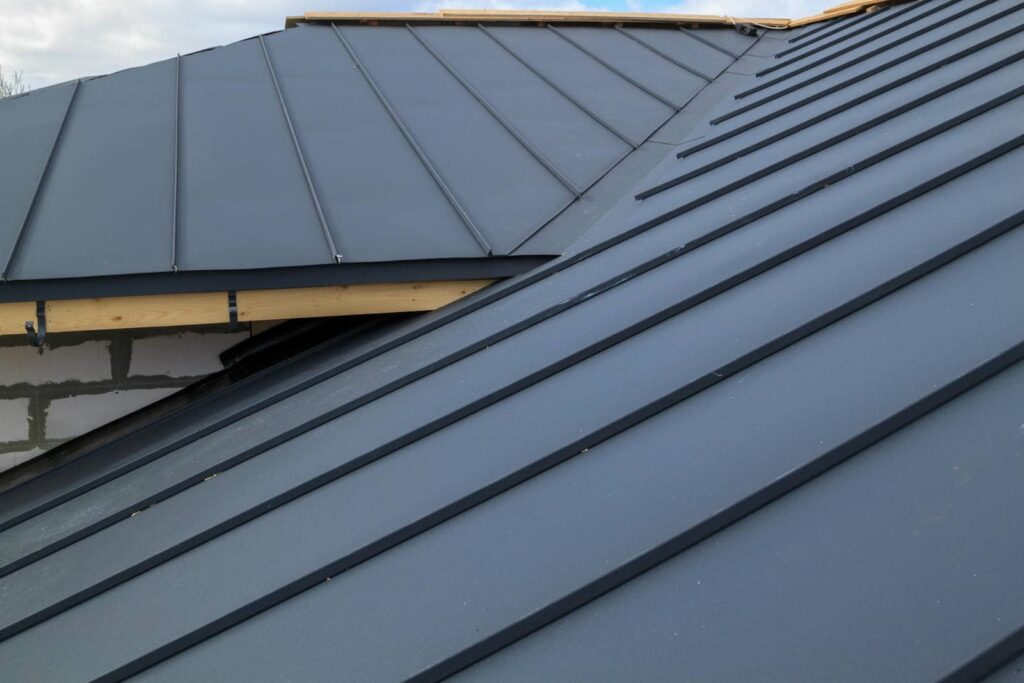
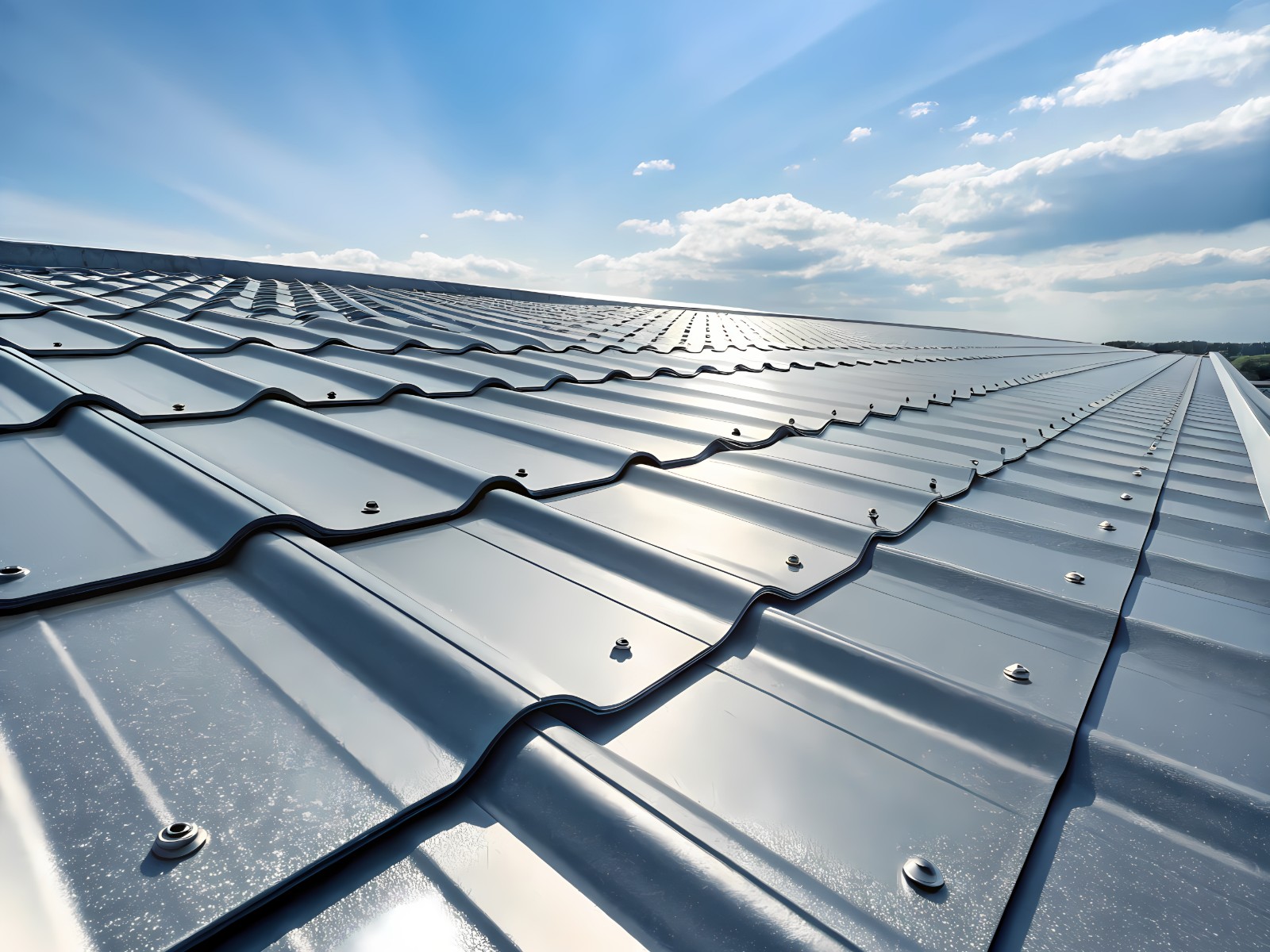
When considering metal versus asphalt roofing, think about the design options and color variations available. Metal roofs come in a range of finishes, from sleek modern looks to rustic styles, allowing you to complement various architectural styles—be it contemporary, traditional, or industrial. They can emulate the appearance of shingles or tiles while providing a unique charm.
Asphalt shingles, on the other hand, offer versatility with an extensive palette of colors and textures, making it easy to match your home’s exterior. Whether you prefer a bold statement or a more subdued look, both materials can enhance your home’s character.
Ultimately, your choice should reflect your personal style while harmonizing with the overall design of your neighborhood.
Maintenance Requirements and Lifespan
While both metal and asphalt roofing have their distinct advantages, understanding their maintenance requirements and lifespan is essential for making an informed decision.
Here’s a quick comparison to help you evaluate:
Metal Roofing: Typically requires minimal maintenance, with inspections every 3-5 years. Lifespan can exceed 50 years.
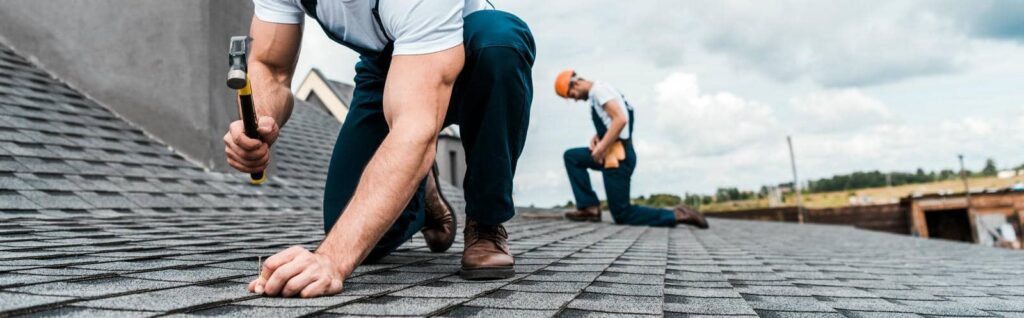
Asphalt Roofing: Requires more frequent maintenance, usually every 1-2 years, and may need repairs sooner. Lifespan averages around 15-30 years.
Repair Costs: Metal roofs generally have lower repair costs due to durability, while asphalt repair costs can add up over time.
Weather Resistance: Metal roofs are more resistant to severe weather, reducing maintenance frequency compared to asphalt.
Wrap-Up
In the end, choosing between metal and asphalt roofing is like picking between a sturdy fortress and a charming cottage. While metal offers durability and energy efficiency, asphalt provides a more budget-friendly option with its familiar aesthetic. Consider your long-term goals, maintenance preferences, and budget when making your decision. Ultimately, the right roof can shelter your home for years, ensuring it stands strong against the elements while reflecting your personal style.