When it comes to metal roofing choices, metal, and asphalt shingles, each have distinct benefits that can greatly impact your home’s value and performance. Metal roofs boast impressive durability and energy efficiency, while asphalt shingles offer a more traditional look and affordability. However, understanding the long-term implications of each option is essential. What factors should you consider to make the best decision for your needs? Let’s explore the key differences and advantages of both materials.
Key Takeaways
- Metal roofing lasts 50 years or more, while asphalt shingles typically last 15 to 30 years, leading to fewer replacements.
- Metal roofs are more energy-efficient, reducing cooling costs with reflective properties, unlike asphalt shingles.
- Metal roofing requires minimal maintenance every 5-10 years, compared to the moderate upkeep needed for asphalt shingles.
- Metal roofs enhance property value and offer aesthetic versatility, mimicking other materials like wood or tile.
- Metal roofs have higher fire resistance ratings, providing better safety compared to asphalt shingles.
Durability and Longevity
When considering roofing options, you’ll find that durability and longevity are critical factors that can greatly impact your investment.
Metal roofing typically outperforms asphalt shingles with regard to resistance factors, offering superior protection against harsh weather conditions. With its ability to withstand extreme temperatures, heavy winds, and hail, metal roofing ensures your home remains safe and intact for years to come.
On the other hand, asphalt shingles, while initially cost-effective, may not provide the same level of durability. Their lifespan often ranges from 15 to 30 years, depending on weather performance and maintenance.
In contrast, metal roofs can last 50 years or more with minimal upkeep.
Choosing the right roofing material means considering how well it will stand up to your local climate. By investing in a durable roof, you’re protecting your home and fostering a sense of security and belonging within your community.
Cost-Effectiveness Over Time
When considering cost-effectiveness over time, you need to evaluate the longevity of materials and the associated maintenance and repair costs.
Metal roofing often outlasts asphalt shingles, reducing the frequency of replacements and repairs.
Longevity of Materials
Although both metal roofing and asphalt shingles offer unique advantages, their longevity greatly impacts cost-effectiveness over time.
Metal roofing boasts an impressive material lifespan of 40 to 70 years, while asphalt shingles typically last around 15 to 30 years. This difference means that, despite the higher initial investment in metal, you’re likely saving money in the long run.
Additionally, metal roofs provide superior weather resistance, enduring harsh conditions like heavy rain and snow without significant wear. This durability reduces the likelihood of premature replacement, making metal a smart choice for homeowners seeking long-term value.
When you understand these factors, it becomes clear that investing in metal roofing could enhance your property’s longevity and overall worth.
Maintenance and Repairs
While both metal roofing and asphalt shingles require some maintenance, the frequency and cost of repairs can vary considerably between the two.
Metal roofs typically demand less attention thanks to their durability and resistance to weather-related damage. This means you’ll spend less on repair costs over time.
With asphalt shingles, you’ll likely face more frequent repairs and potential replacements, especially after severe storms.
Implementing preventative care is essential for both options; however, metal roofing often proves more cost-effective in the long run.
Energy Efficiency
When considering energy efficiency, the reflective properties of metal roofing can greatly reduce heat absorption, keeping your home cooler.
In contrast, while asphalt shingles provide decent insulation, they tend to absorb more heat, which can lead to higher cooling costs.
Ultimately, choosing metal could offer long-term energy savings that enhance your home’s comfort and lower utility bills.
Reflective Properties of Metal
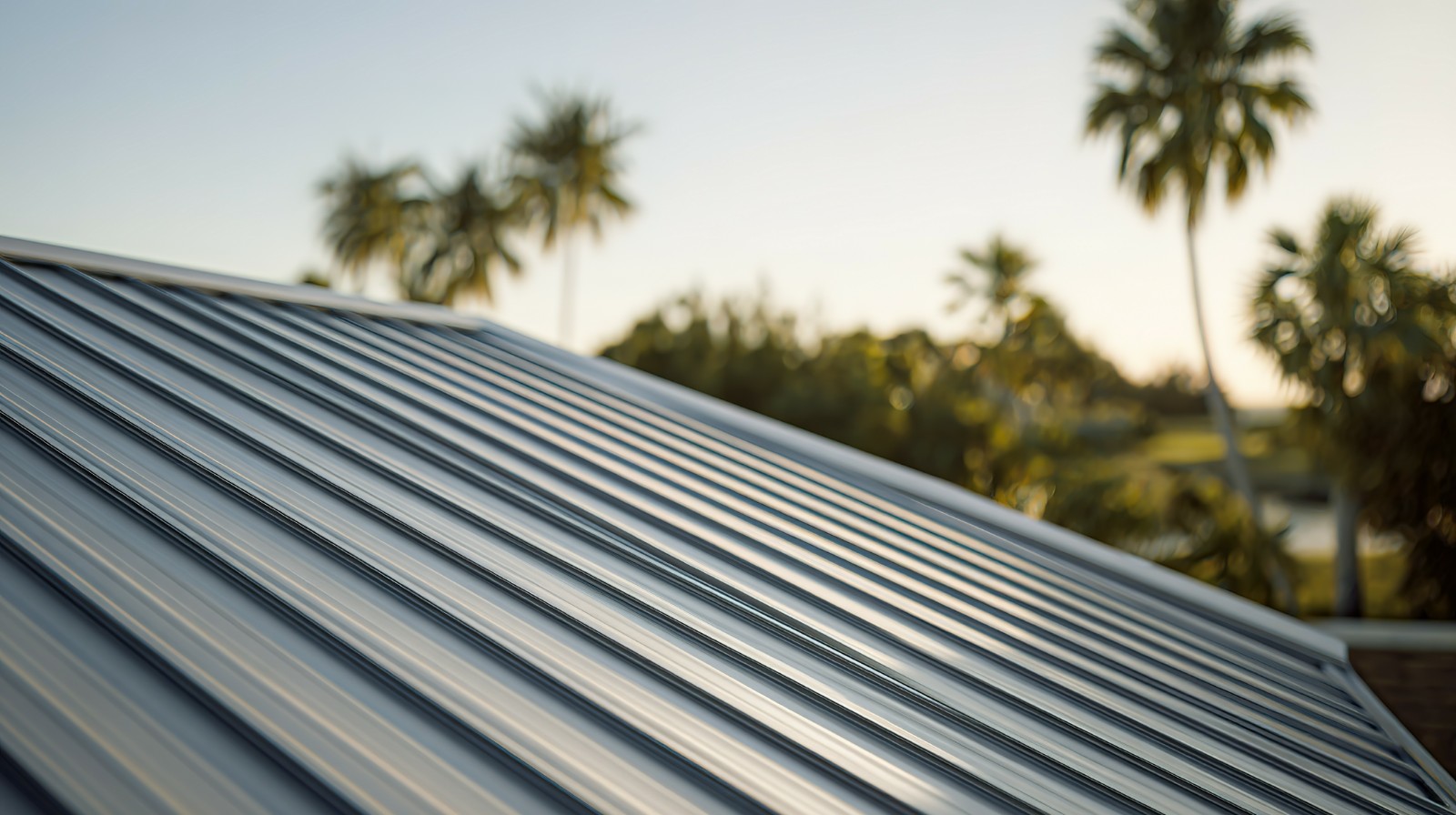
Metal roofing stands out for its impressive reflective properties, greatly enhancing energy efficiency in buildings. When you choose metal, you’re opting for materials that often feature reflective coatings designed to minimize heat absorption.
This means less energy is required for cooling your home, especially during those scorching summer months. You’ll appreciate the lower energy bills and the reduced environmental impact that comes with this decision.
Additionally, metal roofs reflect sunlight and heat away, contributing to a more comfortable indoor climate. By investing in metal roofing, you join a community focused on sustainability and elevate your home’s value and appeal.
Embrace energy efficiency and make a smart choice that aligns with your values.
Insulation Performance of Shingles
Asphalt shingles provide decent insulation performance, making them a popular choice for homeowners seeking energy efficiency. Depending on the shingle types you choose, insulation ratings can vary considerably, influencing your home’s comfort and energy consumption.
| Shingle Type | Insulation Rating | Benefits |
|---|---|---|
| Standard Asphalt | R-Value 3-4 | Cost-effective option |
| Architectural Shingles | R-Value 4-5 | Enhanced durability |
| Cool Roof Shingles | R-Value 5-6 | Energy-efficient design |
Long-term Energy Savings
While many homeowners focus on upfront costs, considering long-term energy savings is essential for making a wise roofing choice.
Metal roofing greatly outperforms asphalt shingles in energy efficiency, leading to reduced energy consumption over time. With reflective properties, metal roofs help keep your home cooler in summer, lowering air conditioning costs.
In a thorough cost analysis, you’ll find that the initial investment in metal roofing often pays off through lower monthly utility bills, making it a smart long-term option.
Additionally, many homeowners report increased comfort levels, as metal roofs effectively manage temperature fluctuations.
Maintenance Requirements
When considering roofing options, understanding maintenance requirements is crucial for long-term satisfaction and performance. Both metal roofing and asphalt shingles have different needs that can affect your home’s upkeep.
| Roofing Type | Maintenance Requirements |
|---|---|
| Metal Roofing | Minimal; preventive maintenance every 5-10 years |
| Asphalt Shingles | Moderate; annual inspections and repairs every 3-5 years |
Metal roofs generally require fewer repairs and have a longer lifespan, allowing you to enjoy peace of mind. On the other hand, asphalt shingles may need more regular attention, increasing your repair frequency. By choosing metal roofing, you’ll invest in a durable solution that promotes long-term stability, while asphalt may demand more ongoing care. Ultimately, understanding these maintenance needs will help you make an informed decision that aligns with your lifestyle and ensures your home stays protected.
Aesthetic Versatility
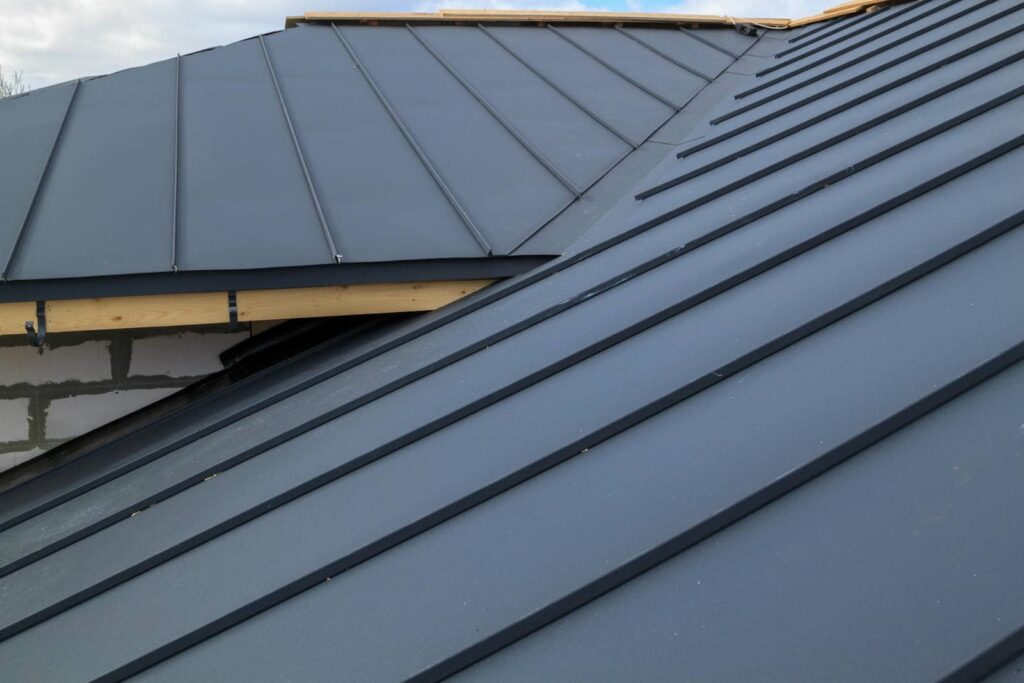
Choosing the right roofing material goes beyond durability and maintenance; it also involves considering aesthetic versatility. When you opt for metal roofing, you gain an array of color options that can complement any architectural style. Unlike traditional asphalt shingles, which often limit your choices, metal roofing provides you with the freedom to express your unique taste.
The design flexibility of metal roofs means they can mimic the appearance of wood, slate, or tile, allowing you to achieve your desired look without sacrificing function. This adaptability enhances your home’s curb appeal and aligns with your community’s aesthetic standards, fostering a sense of belonging.
Whether you prefer a sleek modern finish or a more rustic charm, metal roofing can meet your vision. By choosing a material that offers both beauty and practicality, you’ll ensure your home stands out while fitting seamlessly into your neighborhood.
Environmental Impact
As you weigh your options for roofing materials, understanding the environmental impact can greatly influence your decision. Metal roofing stands out as a highly sustainable choice. Made primarily from recyclable materials, it minimizes waste and promotes a circular economy.
When you choose metal, you’re opting for durability that lasts decades, reducing the need for frequent replacements and the associated environmental toll.
On the other hand, asphalt shingles, while popular, often contribute to landfill waste due to their shorter lifespan. These shingles are less recyclable, making them a less eco-friendly option.
By selecting metal roofing, you enhance your home’s aesthetic and align with a growing community that values sustainability.
Investing in eco-friendly options like metal roofing demonstrates your commitment to the environment and helps foster a sense of belonging within a conscientious community. Your choice can make a difference, both for your home and the planet.
Fire Resistance
When it comes to fire resistance, understanding the differences between metal roofing and asphalt shingles is essential for your safety and investment.
Metal roofs typically boast higher fire ratings due to their non-combustible material composition, while asphalt shingles can vary considerably in their resistance.
Fire Rating Comparison
Fire resistance is a critical factor in roofing materials, and metal roofing systems typically outperform asphalt shingles in this regard.
When you consider fire ratings, metal roofs often receive Class A ratings, the highest available, which means they meet stringent material standards for fire resistance. This superior performance provides peace of mind, knowing your home is better protected from potential fire hazards.
While asphalt shingles can achieve a Class B rating, they’re more susceptible to fire damage, especially in dry conditions.
Choosing metal roofing reflects a commitment to safety and resilience, fostering a sense of belonging in a community that values protection and longevity.
Material Composition Effects
The material composition of roofing systems greatly influences their fire resistance capabilities. When you choose between metal roofing and asphalt shingles, consider how each material’s sourcing impacts safety and sustainability.
- Metal roofing is typically made from steel or aluminum, offering high fire resistance and longevity.
- Asphalt shingles, while popular, can be more susceptible to fire due to their petroleum-based components.
- Recycled materials in metal roofing enhance environmental sustainability, reducing landfill waste.
- Quality certifications can indicate better fire resistance ratings, ensuring your home’s safety.
Investing in the right roofing material protects your property and supports sustainable practices.
When you prioritize fire resistance, you’re choosing peace of mind for your family.
Long-Term Durability Factors
While considering roofing options, it’s essential to evaluate how long-term durability relates to fire resistance. Metal roofing offers superior fire resistance compared to asphalt shingles, making it an excellent choice for homeowners seeking safety and longevity. Metal roofs are non-combustible, meaning they won’t catch fire easily and can withstand extreme weather conditions, enhancing their weather resistance. In contrast, asphalt shingles may ignite under certain conditions, posing a greater risk.
Choosing a metal roof protects your home and secures your peace of mind.
Weight and Structural Considerations
When evaluating roofing materials, weight plays an essential role in determining the structural integrity of your home. The load-bearing capacity of your roof is vital for its long-term performance. Choosing the right material can enhance your home’s durability and ensure that your structure remains sound.
Here are some key factors to think about:
- Metal Roofing: Lighter than asphalt, which reduces stress on the roof structure.
- Asphalt Shingles: Heavier, potentially requiring additional support for load-bearing capacity.
- Installation: The weight of the material influences the ease and cost of installation.
- Longevity: Metal roofing can last longer, reducing the need for frequent replacements that can impact structural integrity.
Noise Levels During Rain
Weight considerations directly impact structural integrity and the auditory experience during rain. When you’re choosing between metal roofing and asphalt shingles, the noise levels during rain should be a priority.
Metal roofs can amplify rain sounds, creating a more pronounced auditory experience. You might enjoy the rhythmic tapping, but it can be overwhelming in heavy storms.
On the other hand, asphalt shingles offer superior noise dampening. Their heavier composition absorbs rain sounds, providing a quieter atmosphere during downpours.
If you’re looking for comfort and tranquility, asphalt shingles might be the way to go.
Ultimately, your choice will shape how you experience rainy days at home. You want a roof that protects and enhances your living environment.
Installation Process and Timeframe
Choosing the right roofing material affects aesthetics and impacts the installation process and timeframe.
When you weigh your options, consider these key elements:
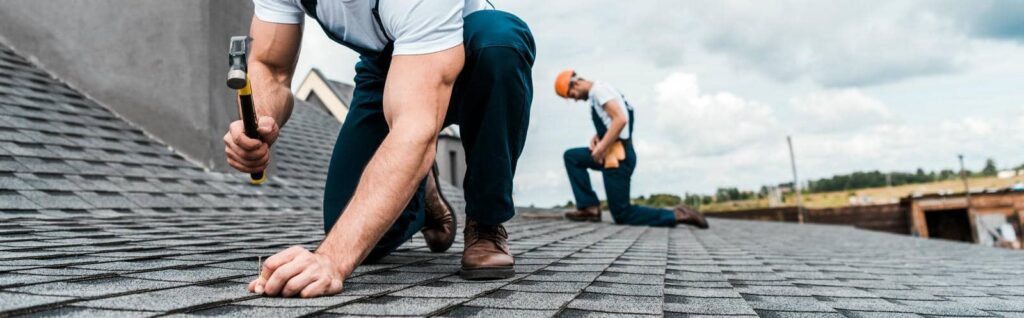
- Installation Techniques: Metal roofing generally requires specialized skills and tools, while asphalt shingles are easier for most contractors to install.
- Project Timelines: Metal roofs might take longer to install due to their complexity, while asphalt shingles can often be completed in a day or two.
- Weather Considerations: Metal roofs can be installed in various weather conditions, whereas asphalt shingles need dry weather for ideal adhesion.
- Labor Costs: Due to the different installation techniques, labor costs can vary, with metal roofing often being more expensive upfront.
Summary
Choosing metal roofing over asphalt shingles is like investing in a sturdy fortress for your home. With unmatched durability, energy efficiency, and aesthetic versatility, metal roofs save you money in the long run and enhance your property’s value. While the initial cost may be higher, the benefits far outweigh the drawbacks, making metal roofing a smart, long-term investment for any homeowner seeking quality and sustainability.