If you’re comparing Metal Roofing vs Asphalt Shingles, you’re really weighing long-term durability against lower upfront cost. Metal can last decades longer, resist storms better, and require less upkeep, while asphalt is more affordable to install and easier to replace. The right choice depends on your budget, climate, and how long you plan to stay in the home. The differences in cost, maintenance, energy efficiency, and resale value don’t stop there.
Key Takeaways
- Metal roofing lasts 40 to 70 years, while asphalt shingles usually last 15 to 30 years.
- Asphalt shingles cost less upfront, but metal roofing offers better long-term value and fewer replacements.
- Metal roofs require less maintenance; asphalt shingles need more routine inspections and repairs.
- Metal roofing performs better in storms, resisting wind uplift and handling weather exposure more effectively.
- Metal roofs improve energy efficiency and may boost resale value through durability and lower maintenance.
Which Lasts Longer: Metal or Asphalt?
When you compare lifespan, metal roofing usually outlasts asphalt shingles by a wide margin.
In a metal roofing vs asphalt shingles comparison, you can expect metal panels to perform for 40 to 70 years, while asphalt shingles often need replacement after 15 to 30 years.
Metal resists wind uplift, UV damage, and rot better, so your roof keeps protecting your home longer.
Asphalt can still work well, but it ages faster in heat, freeze-thaw cycles, and storms.
If you want a roof that fits a long-term maintenance plan and helps you stay in the durable-roofing group, metal gives you more years of service.
Asphalt may suit shorter timelines, yet metal usually wins on longevity and reliability.
Metal Roofing vs Asphalt Shingles: Upfront Cost
Metal roofing usually costs more upfront than asphalt shingles, even though it lasts much longer. You’ll typically pay more for the panel material itself, plus coatings and higher-grade fasteners that support long service life.
Asphalt shingles stay attractive when you need a lower entry price, so they’re easier on tight budgets. If you’re comparing total value, don’t look only at the first invoice; weigh lifespan, energy performance, and replacement frequency too.
A metal roof can reduce future spending because you won’t face reroofing as soon. Still, asphalt shingles can make sense if you plan to sell soon or need to protect cash flow now.
In a smart homeowner community, your choice should fit both your budget and your long-term roof goals.
How Metal and Asphalt Roofs Are Installed
You start by preparing the roof deck so it’s clean, dry, and structurally sound for either system.
With metal roofing, you install panels over underlayment and fasten them to specific points for alignment and weather resistance.
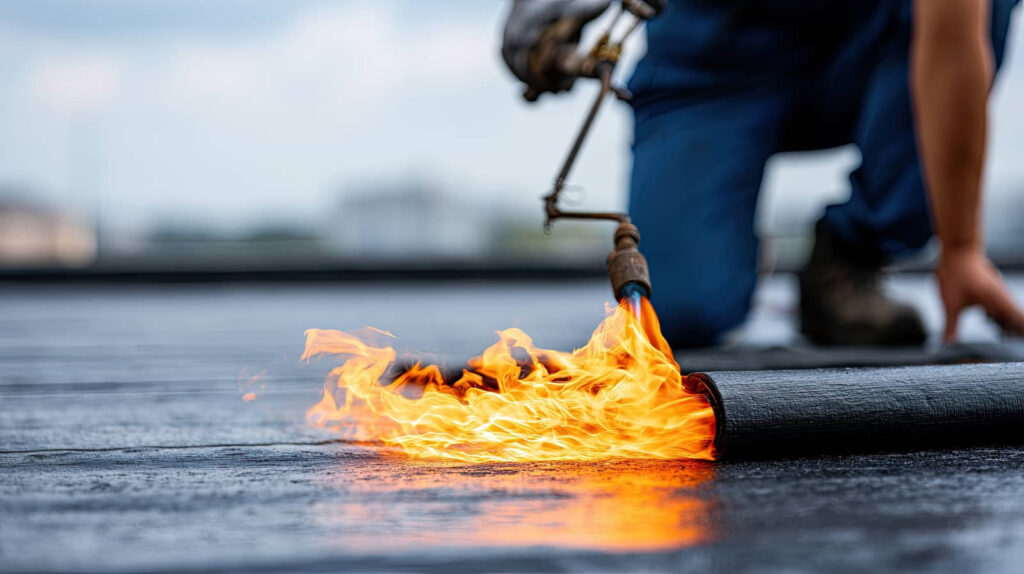
With asphalt shingles, you layer starter strips, field shingles, and ridge caps in overlapping courses to shed water.
Roof Deck Preparation
Before either roofing system goes on, the roof deck has to be sound, dry, and flat, because installation method affects both performance and lifespan. You’ll inspect for rot, delamination, loose fasteners, and soft spots, then repair or replace damaged sheathing.
Clean off debris, old nails, and lifted underlayment so the surface sits tight and even. If you’re fitting metal roofing, you may need added attention to fastening patterns, panel alignment, and underlayment continuity.
For asphalt shingles, you’ll make sure the deck can hold nails without splitting and that seams don’t telegraph through. In both cases, you’re building a shared base for a crew that wants a clean install, fewer callbacks, and better weather resistance.
Proper prep also helps ventilation, drainage, and warranty compliance.
Metal Panel Installation
Once the deck is ready, crews lay out metal panels from the eave upward, square each course, and fasten them according to the manufacturer’s pattern so the system can handle wind uplift and thermal movement.
You’ll see installers keep panel laps tight, align seams, and use approved clips or screws at the specified spacing. They leave room for expansion, seal penetrations, and trim edges with matching flashings, so your roof stays watertight and clean-looking.
Compared with asphalt shingles, metal installation demands more precision and specialty tools, but it also rewards your crew with faster coverage on large sections and fewer future repairs.
If you’re choosing metal, expect a tight, engineered fit that protects your home and helps your team work as one.
Shingle Layering Process
Asphalt shingle roofs rely on a layered process: crews install underlayment, starter strips, and then course shingles from the eave upward, offsetting each row to shed water and cover fasteners.
You get a familiar system that protects your home with overlapping tabs, nails placed in the correct zone, and ridge caps that finish the assembly.
If you’re comparing metal roofing vs asphalt shingles comparison, note that asphalt installs faster but depends on precise alignment to prevent leaks.
Metal roofing uses panels or shingles fastened over underlayment, with seams and trim detailing that lock out water.
You’ll fit in with owners who value clean installation, because both systems reward careful sequencing, but metal needs more flashing coordination while asphalt needs more courses and nail accuracy.
How Much Maintenance Does Each Roof Need?
When it comes to upkeep, metal roofing usually needs less attention than asphalt shingles. You’ll typically inspect fasteners, sealant, flashing, and exposed trim once or twice a year, then clear debris and clean gutters to keep water moving.
If you live in a community that values low-hassle home care, metal fits that mindset well. Asphalt shingles need more routine checks because granule loss, curling, cracked tabs, and lifted edges can appear over time. You may replace damaged shingles, reseal vulnerable spots, and watch for algae or moss growth.
Both roofs benefit from attic ventilation and prompt leak checks after any repair. The key difference is frequency: metal asks for light, scheduled maintenance, while asphalt often needs more hands-on attention to stay in good shape.
Which Roof Handles Storms Better?
When storms hit, you need a roof that resists wind uplift, absorbs hail impact, and keeps water out at seams and fasteners.
Metal roofing usually performs better in high winds and sheds water more effectively, while asphalt shingles can be more vulnerable to lifting and impact damage.
Your choice comes down to how well each material handles these storm stresses over time.
Wind Uplift Resistance
Wind uplift resistance plays a major role in storm performance, and metal roofing usually handles high winds better than asphalt shingles because it locks panels or sheets more securely to the deck.
You get fewer exposed edges, so wind has less room to catch and peel materials away. Asphalt shingles can still perform well when they’re installed with the right nail pattern, starter strips, and sealed tabs, but strong gusts can loosen them over time.
If you live in a storm-prone area, you’ll want a roof system rated for your local wind zone and a contractor who follows manufacturer specs.
That’s how you protect your home, your budget, and your peace of mind when the weather turns rough.
Hail Impact Durability
Hail can dent metal roofing, but many systems still keep water out because the panels remain intact. Asphalt shingles usually show more visible bruising, granule loss, or cracking after repeated impact. You’ll see the difference fastest after a storm, when metal often needs cosmetic checks and shingles may need closer inspection for damaged tabs.
Metal resists puncture better.
Asphalt absorbs hits, then degrades.
Larger hail increases shingle failure risk.
Quality installation helps both perform.
If you want a roof that handles storm season with less visible wear, metal usually gives you that edge.
If you’re comparing upfront cost, shingles still fit many budgets, but hail can shorten their service life.
Choose the system that matches your risk tolerance and local storm history.
Water Leak Protection
For water leak protection, metal roofing usually performs better in storms because its panels shed water quickly and have fewer exposed joints than asphalt shingles.
You get a tighter barrier when installers seal seams, flashing, and penetrations correctly, so wind-driven rain has less chance to enter.
Asphalt shingles can protect you well too, but heavy rain, lifted tabs, or aging sealant can let water work underneath.
You’ll want proper underlayment either way, yet metal gives you more margin during intense weather.
If you’re building for long-term confidence, metal roofing helps you feel covered when storms hit.
Still, your roof’s leak resistance depends on quality installation, roof pitch, and regular inspections after severe weather.
Which Roof Saves More Energy?
Which roof saves more energy depends on how much heat your home absorbs and how well the roofing reflects sunlight.
Metal roofing usually wins because it reflects more solar radiation, cools faster after sunset, and can reduce attic temperatures.
Asphalt shingles absorb more heat, so your cooling system works harder in warm climates. You’ll feel the difference most on sunny roofs with little shade.
- Metal reflects heat better
- Shingles trap more warmth
- Cool-roof coatings boost performance
- Insulation still matters a lot
If you want lower summer energy use, metal gives you a practical edge.
In colder regions, asphalt can still perform well when you pair it with strong insulation and ventilation.
You’re part of the group that wants efficiency, so choose the roof that matches your climate and helps your HVAC breathe easier.
How Roof Type Affects Home Value
When you compare metal roofing vs asphalt shingles, roof type can affect your home’s resale value by signaling different levels of durability, maintenance, and expected replacement cost.
Metal roofing often supports stronger buyer perception because it can last longer and needs less upkeep, while asphalt shingles may appeal more on upfront cost.
That shift in buyer expectation can influence how quickly your home sells and what offers you receive.
Property Resale Impact
A roof choice can influence resale value because buyers weigh long-term durability, appearance, and expected upkeep.
If you want stronger resale support, match your roof to your market and your home’s condition. Metal often adds value through a longer service life and lower maintenance, which can reduce negotiation pressure at inspection.
Asphalt shingles can still protect value when installed neatly, priced competitively, and kept in good repair.
- Metal may signal fewer near-term replacement costs.
- Asphalt can fit budget-focused resale strategies.
- Clean installation improves curb appeal for both.
- Maintenance records help you justify asking price.
You’ll stand out more when the roof aligns with local expectations and the rest of your exterior.
Buyer Perception Shift
Buyer perception can shift quickly once roof type enters the discussion, because buyers often read it as a proxy for future cost, maintenance, and risk.
When you compare metal roofing vs asphalt shingles, you’re really comparing confidence signals. Metal often suggests longer life, fewer replacements, and stronger storm resistance, so it can support a higher asking price.
Asphalt shingles usually feel familiar and affordable, which can broaden your buyer pool, but they may trigger concerns about shorter lifespan and more upkeep.
You’ll usually see the strongest value effect when the roof looks recent, documented, and well maintained.
If you want buyers to feel they’re choosing a smart, low-drama home, present clear material records, warranties, and installation dates. That builds trust fast.
Best Roof for Low, Mid, and High Budgets
For low budgets, asphalt shingles usually give you the lowest upfront cost, making them the practical choice if price matters most.
Low budget: Choose asphalt shingles when you need quick installation and a familiar, code-compliant roof.
Mid-budget: Pick architectural shingles if you want better curb appeal and stronger performance without a premium price jump.
High budget: Consider metal roofing when you want a premium system that fits modern or classic homes in a higher-end neighborhood.
Best fit: Match your roof to your home’s style, local weather, and long-term plans, so you feel confident in your choice.
You’ll usually join the best value group with asphalt, while metal suits homeowners who want a more upgraded, standout result.
Metal Vs Asphalt: Repair Costs Over Time
Although metal roofing usually costs less to maintain over time, asphalt shingles can be cheaper to repair in the short term because damaged shingles are simple and inexpensive to replace.
You’ll usually pay less for a quick shingle patch, especially if the damage stays localized. Small repairs often mean matching a few tabs, sealing nail pops, and restoring the surface fast.
With metal, repairs can take more skill, and you may need to replace panels, fasteners, or trim components, which raises labor costs.
Over time, though, metal’s durability often reduces how often you call for service. Asphalt tends to need more frequent touch-ups after storms, heat, or aging.
If you want a roof you can manage with a like-minded budget mindset, track both repair frequency and labor.
Which Roof Is Right for Your Home?
The right roof depends on your climate, budget, and how long you plan to stay in the home.
If you want a roof that joins your neighborhood’s long-term value, compare metal roofing vs asphalt shingles on lifespan, cost, and maintenance. Metal usually fits you if you need durability, fire resistance, and fewer replacements. Asphalt shingles work better if you want lower upfront cost and a familiar look.
- Choose metal for hot, snowy, or windy areas.
- Choose asphalt if budget drives your decision.
- Choose metal if you’ll stay 20+ years.
- Choose asphalt if you prefer simple installation and repairs.
If you want confidence in your choice, match the roof to your goals, not just the price tag.
Frequently Asked Questions
Which Roof Is Quieter During Heavy Rain?
Asphalt shingles are usually quieter during heavy rain because they dampen impact noise better. You’ll hear less drumming and vibration, while metal roofing can sound louder unless you add insulation and sound-deadening underlayment.
Can Asphalt Shingles Be Installed Over Old Shingles?
Yes, you can sometimes install asphalt shingles over old shingles if local codes allow and the roof deck’s sound. You’ll save labor, but you may hide damage, add weight, and shorten performance.
Do Metal Roofs Attract Lightning?
No, you’re not inviting lightning; metal roofs don’t attract it. You’ll safely disperse energy if struck. Grounding matters, so you should keep bonds intact. That practical setup helps you stay protected and connected to your home.
Which Roof Offers More Color and Style Options?
Asphalt shingles offer more color and style options; you can choose from many textures, blends, and architectural profiles. Metal roofing’s palette is growing, but you’ll usually find fewer traditional looks and more panel-based designs.
Are Either Roof Materials Recyclable at Replacement?
Yes—both can be recyclable at replacement. You can usually recycle metal roofing into new metal products, while asphalt shingles often go to recycling streams for pavement. Check local facilities, since acceptance and sorting rules vary.
Final Thoughts
If you want long-term durability, lower maintenance, and better storm resistance, you’ll likely choose metal roofing. If you want lower upfront cost, simpler installation, and a budget-friendly option, you’ll likely choose asphalt shingles. Metal can save you more over time; asphalt can save you money now. You should weigh lifespan, repairs, and resale value before you decide. In the end, you’ll match the roof to your budget, your timeline, and your home’s needs.