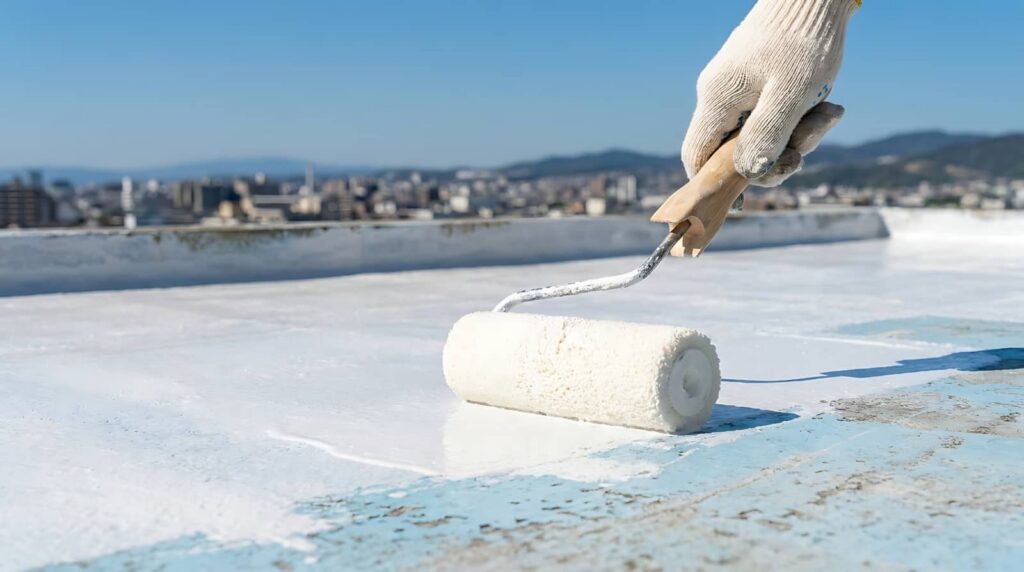
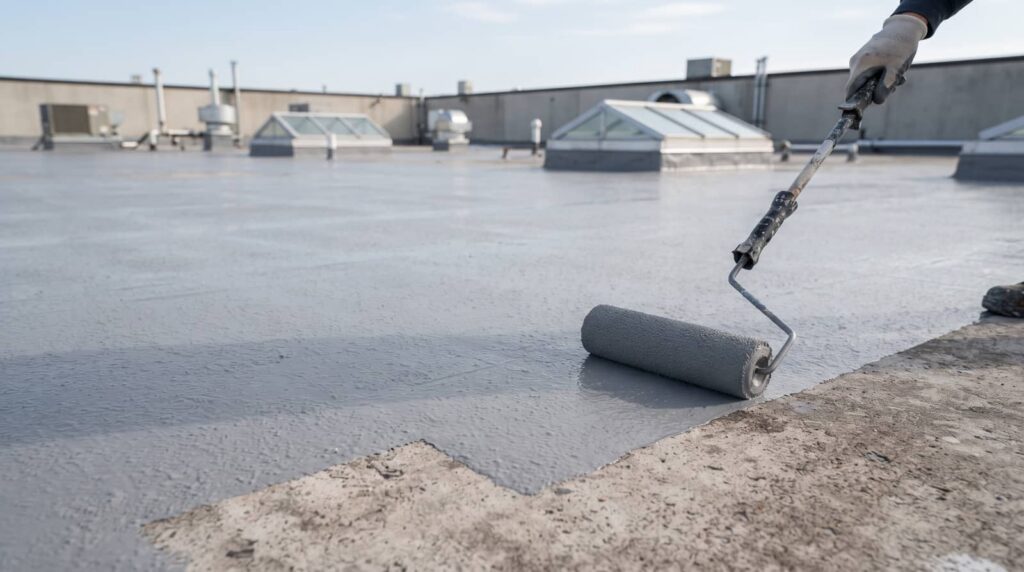
After a storm, you need to check your roof quickly for missing shingles, lifted flashing, leaks, and soft spots that can spread damage fast. Residential Roofing Services can help with a professional inspection, emergency tarping when needed, and documentation of the damage for insurance. The repair path isn’t always obvious, and choosing the right roofing solution can help prevent more costly issues down the road.
Key Takeaways
- Inspect for missing shingles, dents, leaks, and sagging to identify urgent storm damage and prevent structural issues.
- Schedule a professional roof inspection to check flashing, vents, sealants, decking, and hidden water entry points.
- Use emergency tarping and leak control to protect interiors while permanent repairs are arranged.
- Repair storm damage by replacing compromised shingles, underlayment, decking, and flashing with matching materials.
- Choose a licensed, insured roofer experienced in storm recovery, with written estimates and strong communication for insurance claims.
Signs Your Roof Needs Immediate Storm Repair
After a severe storm, you should inspect your roof right away for missing shingles, exposed underlayment, dented flashing, sagging areas, and active leaks, because these issues can quickly compromise structural integrity.
You may also notice granules in gutters, loose edge trim, or water stains on ceilings and attic framing. If you spot these signs, act fast and call residential roofing services for storm damage so you can protect your home and stay aligned with a community that values prompt recovery.
Delaying repairs can let moisture spread, weaken decking, and increase costs. Even small cracks or lifted seams can worsen after wind or rain.
When you respond early, you help restore your roof’s performance, reduce risk, and keep your household safe, dry, and ready for the next storm.
What Roofers Look for After a Storm
When roofers inspect storm damage, they look for more than obvious missing shingles; they check shingle lift, punctures, cracked or bent flashing, compromised sealant lines, damaged vents, loose ridge caps, and any impact marks that could signal hidden failure.
You also get a close look at soft spots, granule loss, exposed nail heads, and seams around chimneys, skylights, and valleys. Roofers trace water entry paths, because a small breach can spread fast in your system.
They compare visible damage with wind direction and debris patterns so they can judge exposure across the roof field. This process helps you understand what’s damaged, what’s still sound, and where your home needs attention.
You’re not guessing; you’re working with a clear, technical read on your roof.
What Happens During Storm Damage Roof Repair
During storm damage roof repair, your roofer first secures the affected areas, then replaces or resets damaged shingles, flashing, vents, ridge caps, and sealant where needed.
You’ll see them remove loose debris, expose hidden damage, and verify that fasteners still hold. They match replacement materials to your existing roof so the system stays uniform and weather-tight.
If underlayment or decking is compromised, they cut out the bad sections and install new layers to restore strength. They also realign components around valleys, edges, and penetrations to keep loads distributed correctly.
Throughout the job, your crew checks fit, slope, and attachment so the repair integrates cleanly with the rest of your roof. That way, your home stays protected, and you stay confident in the result.
Emergency Tarping and Leak Control
Emergency tarping stops active water intrusion fast by covering damaged roof sections with a secured, weather-resistant barrier.
You’ll want a crew to anchor it tightly over missing shingles, punctures, or lifted edges so wind can’t peel it back. They’ll inspect the roof surface, trace leak paths, and seal exposed seams with compatible tape or roof sealant when conditions allow.
Inside, you can protect ceilings, insulation, and belongings by placing containers and moving valuables away from damp zones. Quick leak control helps you stay ahead of mold, drywall saturation, and electrical hazards.
When you act early, you join other homeowners who use temporary protection to stabilize the home until permanent service begins. This step buys time, reduces stress, and keeps your house safer.
Storm Damage Roof Repair: Fix or Replace?
After storm damage, you need a roofer to determine whether repairs can restore the roof’s structure or whether replacement makes more sense.
You’ll get a clear assessment of shingle loss, decking impact, flashing movement, and hidden moisture. If damage stays localized, targeted repairs can seal the system and keep your home protected.
If impacts spread across multiple slopes, weaken underlayment, or compromise framing, replacement usually offers better long-term value. You shouldn’t guess, because missed damage can lead to leaks, rot, and higher costs.
A qualified roofing team helps you compare repair scope, remaining service life, and code requirements so you can choose confidently. That way, you stay part of a safer, stronger home and avoid repeat problems after the next storm.
Materials Used in Storm Damage Roof Repair
When you repair storm damage, you’ll often use asphalt shingles to match the existing roof and restore weather protection.
You’ll also need roof underlayment to add a secondary moisture barrier beneath the shingles.
Choosing the right materials helps you regain structural integrity and limit future leaks.
Asphalt Shingles
Asphalt shingles are the most common choice for storm damage roof repair because they’re durable, cost-effective, and easy to match with existing roofing. You can rely on them to restore a damaged slope without changing your roof’s overall look.
Contractors select matching color, profile, and granule texture so your repair blends in cleanly. Because shingles come in standard sizes, crews can replace missing or cracked sections quickly and keep your home protected.
You’ll also benefit from strong wind resistance when installers follow the manufacturer’s fastening pattern. If hail or debris has bruised the surface, your roofer can swap out affected tabs and secure nearby shingles.
This approach helps you stay part of a well-kept neighborhood while keeping your roof functional, tidy, and weather-ready.
Roof Underlayment
Roof underlayment adds a secondary moisture barrier beneath your shingles and helps protect the roof deck after storm damage. You rely on it to block wind-driven rain, seal nail penetrations, and reduce leaks until repairs are complete.
Contractors usually choose synthetic, felt, or ice-and-water shield based on slope, exposure, and local code. Synthetic underlayment resists tearing and stays stable in wet conditions; felt costs less but can wrinkle if it gets soaked. Self-adhering membranes work best in valleys, eaves, and around penetrations.
When you replace storm-damaged roofing, ask your crew to inspect the deck first, then install underlayment with correct overlaps and fastening. That detail keeps your roof system sound, protects your home, and helps you feel secure again.
How to File an Insurance Claim After Storm Damage
After a storm, you should file your insurance claim quickly to protect your coverage and start the repair process.
Begin by documenting damage with clear photos, videos, and date-stamped notes from safe ground. Then review your policy so you know your deductible, claim deadline, and covered losses.
Contact your insurer, provide your policy number, and describe the storm event and visible roof damage. Keep a log of every call, email, and representative name.
If possible, ask a trusted roofing contractor to inspect the roof and prepare a written estimate you can share with the adjuster.
Submit all documents together, answer questions promptly, and stay organized. You’re not handling this alone; staying precise helps your claim move forward smoothly.
How Repairs Prevent Leaks, Rot, and Mold
When storm damage leaves shingles, flashing, or underlayment compromised, repairs stop water intrusion before it can soak the roof deck and attic.
You protect the system by sealing lifted edges, replacing broken sections, and restoring proper overlap at valleys, vents, and chimneys. That keeps rain from tracking into seams and pooling under materials.
You also reduce rot by keeping framing and sheathing dry, so wood fibers don’t soften or lose strength. Fast repairs limit mold because moisture doesn’t linger in insulation, drywall, or attic air.
When you address damage quickly, you keep your roof assembly tight, dry, and stable. That gives your home the support it needs and helps you feel confident that your space stays protected after the storm.
How to Choose a Roofer After a Storm
A careful roofer choice starts with proof of local licensing, storm damage experience, and proper insurance so you know the work will meet code and protect your claim.
You should verify references from neighbors, review recent storm jobs, and ask for photos of completed repairs.
A reliable contractor inspects decking, flashing, vents, and shingles before giving a written scope and estimate.
You’ll want clear timing, material specs, and warranty terms, plus help documenting damage for your insurer.
Avoid crews that demand full payment up front or pressure you to sign fast.
When you choose a vetted local pro, you join a network of homeowners who protect their homes, reduce risk, and recover with confidence after severe weather.
Frequently Asked Questions
How Long Does Storm Damage Roof Recovery Usually Take?
Usually, you’ll wait a few days to a few weeks for storm damage roof recovery, depending on inspection, materials, weather, and crew availability. You can speed things up by documenting damage promptly and scheduling repairs fast.
Can Small Hail Damage Become a Bigger Problem Later?
Yes—small hail damage can snowball like a tiny crack in armor. You’ll see leaks, granule loss, and weakened shingles later. Inspect quickly, fix issues early, and protect your home before trouble spreads.
Should I Document Roof Damage Before Calling My Insurer?
Yes, you should document roof damage first. You’ll strengthen your claim by taking clear photos, noting dates, and saving repair estimates. Then you can call your insurer with solid evidence and faster, smoother support.
Will Repairs Match My Roof’s Existing Color and Style?
Usually, yes—unless you enjoy a patchwork masterpiece. You’ll match color, texture, and profile as closely as possible, but sun-faded shingles can’t be cloned exactly. You’ll get practical options that preserve your roof’s look.
What Maintenance Helps Protect Roofs From Future Storms?
You protect your roof by clearing debris, cleaning gutters, trimming branches, sealing flashing, replacing damaged shingles, and scheduling annual inspections. You’ll catch weak spots early, maintain drainage, and reduce wind-driven uplift during storms.
Final Thoughts
When storm damage strikes, you need fast, careful action to protect your home. You can spot warning signs, secure emergency tarping, and begin repairs before leaks spread, rot takes hold, or mold grows. A qualified roofer helps you document damage, guide your claim, and choose repair or replacement with confidence. Don’t let one storm become a season of trouble—act now, and your roof can stand guard again, steady and strong.