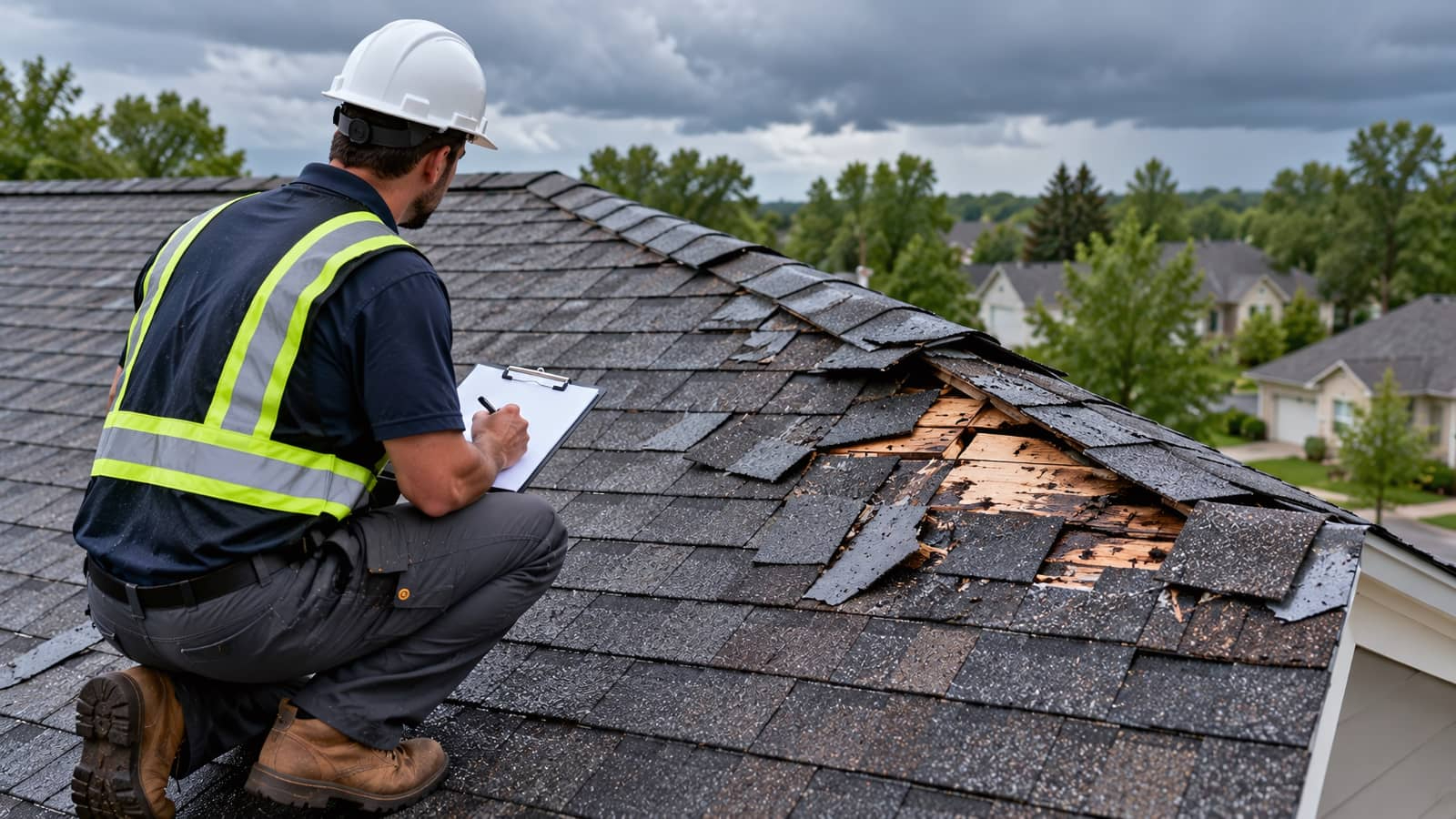
If you own a home or business, you need to know what a roof inspection really covers before damage turns into a larger bill. You’ll see how inspectors assess materials, flashing, drainage, and leak risks, and why timing matters after storms or seasonal changes. Some problems are obvious, but many start in places you don’t check every day, and the first sign isn’t always where you’d expect.
Key Takeaways
- Roof inspections check shingles, flashing, vents, gutters, seals, and attic conditions for signs of leaks or hidden damage.
- Inspect your roof at least twice a year, and after storms, heavy snow, or extreme heat.
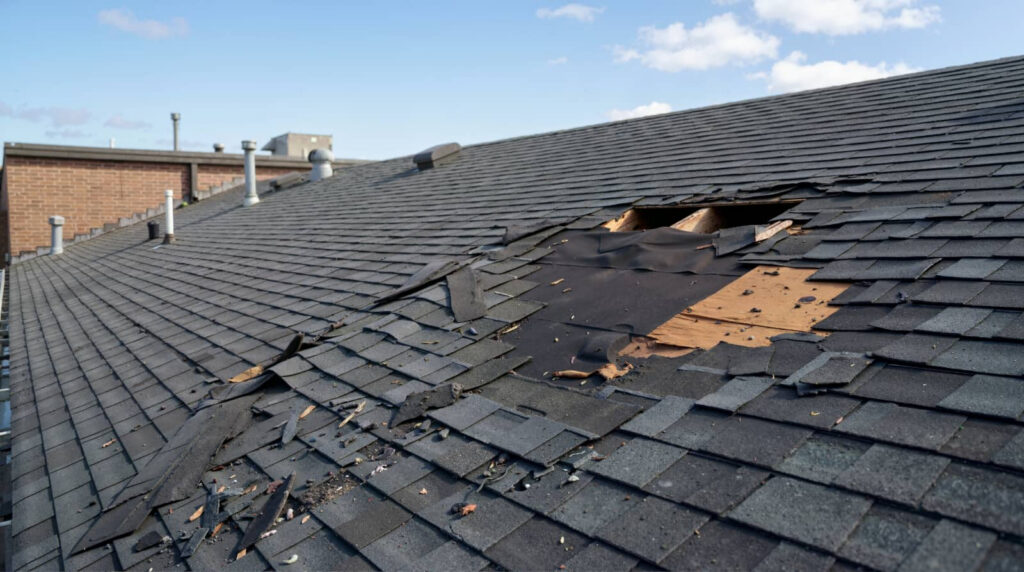
- Watch for warning signs like missing shingles, curled edges, rusted flashing, ceiling stains, or daylight in the attic.
- Regular inspections catch small problems early, helping avoid costly repairs and emergency damage.
- Choose a qualified inspector with licensing, insurance, experience, photos, and clear repair recommendations.
What a Roof Inspection Covers
A thorough roof inspection covers the shingles or roofing membrane, flashing, vents, gutters, seals, and any signs of water intrusion, wear, or structural damage.
You’ll see a technician check fasteners, penetrations, edge details, and drainage paths during a roof inspection, because these points often reveal hidden defects. They’ll look for cracked, curled, missing, or blistered materials, plus rust, loose joints, and sagging areas.
You’ll also have the attic or underside reviewed for staining, mold, daylight gaps, and poor ventilation. This process helps you understand your roof’s condition with clear, objective findings.
When you stay connected to this routine, you’re part of a group of owners who protect their buildings with careful, timely attention and practical maintenance.
Why Roof Inspections Save You Money
A professional roof inspection helps you detect early damage before it spreads into larger structural problems.
You can catch leaks, loose flashing, cracked shingles, and moisture intrusion while repairs are still limited and less expensive.
Early Damage Detection
When you catch roof problems early, you can stop minor wear from turning into expensive structural damage.
During an inspection, you spot cracked shingles, lifted flashing, blocked drains, and soft decking before they spread. You’ll understand where water is entering, how wind stress is affecting seams, and which areas need attention now.
That level of clarity helps you protect your property and stay part of a group of owners who manage buildings with confidence.
- Granules collecting in gutters
- Rust along fasteners and edges
- Dark stains under vents
- Separated joints at flashing
- Small blisters on membrane surfaces
Prevent Costly Repairs
Early damage detection also helps you prevent costly repairs by catching small failures before they force larger fixes.
When you inspect your roof on schedule, you spot cracked flashing, loose shingles, clogged drains, and seal failures before water reaches decking, insulation, or interior finishes.
That means you can replace a few components instead of paying for structural repairs, mold remediation, or tenant disruption.
You also reduce emergency callout costs because you’re fixing issues on your timeline, not during a storm.
For homeowners and business owners alike, this approach protects your budget and keeps your property performing the way your community expects.
A professional inspection gives you clear findings, prioritized actions, and confidence that you’re making the smartest maintenance decision.
How Often Should You Inspect Your Roof?
You should inspect your roof at least twice a year, typically in the spring and fall, to catch wear before it turns into expensive damage.
You’ll also want a check after severe storms, heavy snow, or long heat waves, because weather stresses roofing materials and fasteners.
If your property has mature trees, skylights, or HVAC equipment on the roof, add another review to stay ahead of maintenance needs.
Regular inspections help you keep your building in the same reliable condition as the rest of your community.
- Clear gutters after leaf drop
- Walk the perimeter for debris
- Check flashing around vents
- Look over roof valleys
- Schedule a pro on a set calendar
Signs Your Roof Needs an Inspection
Missing shingles, curled edges, cracked flashing, water stains on ceilings, and granules collecting in gutters all signal that your roof needs an inspection.
You should also watch for sagging sections, lifted seams, mold growth, and daylight visible in the attic. These issues often mean moisture is entering the roof assembly or materials are failing under stress.
If you notice higher energy bills, persistent drafts, or interior humidity, your roof may no longer be sealing properly.
After severe wind, hail, heavy rain, or snow, a professional review is especially important. Acting early helps you stay ahead of damage, protect your property, and keep your home or business in the community of well-maintained buildings.
An inspection gives you clear answers before minor wear turns into costly structural repairs.
Roof Inspection Checklist for Owners
Start your roof inspection by checking the exterior roof surface for cracked, missing, or lifted materials and any visible wear.
Inspect flashing and seals around vents, chimneys, skylights, and penetrations to confirm they’re tight and intact.
Then clear and examine gutters and drainage paths so water can move off the roof without backing up or causing damage.
Exterior Roof Surface
Even a quick look at the exterior roof surface can reveal early warning signs of damage before they turn into costly repairs. You should scan for missing, curled, cracked, or blistered materials, since these flaws let water work beneath the covering.
Check for uneven color, granule loss, sagging areas, and debris that traps moisture. Note any surface wear around vents and penetrations, but save sealant details for a later step.
- Sun-faded shingles
- Brittle membrane seams
- Wind-lifted edges
- Moss or algae streaks
- Soft, uneven patches
When you inspect from the ground or a safe access point, you’re joining other property owners who protect assets early. Record what you see, compare it with past inspections, and schedule repairs before minor surface defects spread.
Flashing And Seals
After you’ve checked the roof surface, inspect the flashing and seals that protect joints, edges, vents, chimneys, skylights, and roof penetrations.
Look for lifted metal, cracked sealant, missing fasteners, rust, and gaps where water can enter. Press gently around each seam; if the material feels loose or brittle, it’s failing.
Check step flashing along walls and counterflashing at masonry for tight overlap and clean edges. Examine boots and gaskets for splits, shrinkage, or UV damage.
Replace any hardened caulk with compatible roofing sealant, and match materials to avoid corrosion.
You belong to the group of owners who catch small defects early, so document each issue, note its location, and schedule repairs before leaks spread inside.
Gutters And Drainage
Check gutters and drainage next, because clogged or damaged channels can push water under shingles, soak fascia, and overload the roof edge.
You should look for sagging runs, separated joints, standing debris, and downspouts that discharge too close to the foundation. Verify that water moves quickly during rain and that no overflow stains the siding or soffits. A healthy system keeps your roof team strong and your property protected.
- Leaves packed at elbows
- Rust streaks under seams
- Icicles hanging from eaves
- Splash marks on masonry
- Downspouts aimed away
Clear buildup, resecure loose hangers, and replace cracked sections before small leaks become interior damage.
When you stay ahead of drainage problems, you join the owners who protect their buildings with confidence.
What Roof Inspectors Check
Roof inspectors examine the full condition of your roofing system, from shingles or membrane to flashing, vents, gutters, and the underlying structure. They verify that materials sit flat, seal properly, and match the roof slope, so you can trust the system works as one unit.
They also check penetrations, edge details, skylights, chimneys, and joints for secure installation and weather resistance. Inside the attic or ceiling space, they look for ventilation paths, daylight gaps, moisture staining, and signs of structural stress.
On commercial roofs, they confirm membrane seams, drainage points, and rooftop equipment flashing. You get a practical assessment of performance, maintenance needs, and safety concerns, which helps your property stay protected and your team stay informed.
Common Roof Inspection Findings
Common findings often point to wear, movement, or water intrusion. You may see cracked shingles, lifted flashing, clogged gutters, soft decking, or staining at seams.
These signs tell you the roof envelope isn’t shedding water as designed, and they can affect your property fast. When inspectors find these issues early, you can plan targeted repairs instead of facing structural damage.
- curled shingle edges
- rusted metal flashing
- granules in gutters
- dark attic stains
- ponding near drains
You’re not alone if these details seem minor; they’re the same warning cues many owners miss.
Watch for them after storms, seasonal shifts, or roof age increases, and document changes so your maintenance team can act quickly.
How to Choose a Roof Inspector
Before you hire anyone, verify that the inspector knows your roof system, carries proper licensing and insurance, and has experience with the materials, slopes, and drainage details on your property.
You should ask for sample reports, recent references, and proof that they inspect flashing, penetrations, membranes, and attic conditions, not just visible shingles.
Choose someone who explains findings clearly, documents defects with photos, and gives repair priorities you can act on fast.
If you manage a home or business, you deserve a partner who respects your schedule, communicates plainly, and understands local code and weather risks.
Compare fees, but weigh expertise first. A skilled inspector helps you protect your building, control costs, and make confident decisions with your team.
Frequently Asked Questions
Do Roof Inspections Include Attic and Interior Moisture Checks?
Yes, you’ll often get attic and interior moisture checks, because they help you spot leaks, condensation, and hidden damage early. You can catch problems faster, protect your structure, and avoid expensive repairs later.
Can a Roof Inspection Reveal Insurance Claim Evidence?
Yes—a roof inspection can uncover insurance claim evidence, like storm impact, hail bruising, or leaks. You’ll get dated photos, measurements, and condition notes: your roof’s tiny courtroom, where shingles testify before repairs and premiums do.
Are Drone Inspections as Reliable as Manual Roof Inspections?
No, not always. You’ll get excellent aerial coverage, but you can miss subtle flashing, sealant, and fastener defects. Use drones for broad assessment, then pair them with hands-on inspection to verify critical problem areas.
Do Commercial Roofs Need Different Inspection Methods Than Homes?
Yes—your commercial roof needs different inspection methods than a home’s. You’ll check membranes, drains, penetrations, and load-bearing details with specialized tools; although that sounds costly, targeted inspections prevent bigger repairs and protect your team’s shared space.
Should I Inspect My Roof After Severe Storms?
Yes—after severe storms, you should inspect your roof promptly. You’ll catch missing shingles, punctures, flashing damage, and leaks early. If you notice issues, you can protect your property and avoid costlier repairs later.
Conclusion
In short, you should inspect your roof twice a year and after severe weather to catch damage early and avoid bigger repair costs. You can use a simple checklist to spot leaks, material wear, attic issues, and drainage problems before they worsen. When you hire a qualified local inspector, you get clear findings and prioritized repairs that protect your building’s structure and budget. Don’t wait until the roof sends a smoke signal.