When you buy asphalt shingles, you’re not just buying materials. You’re also choosing a warranty structure that can vary based on defect coverage, labor terms, and installation requirements. Asphalt Shingle Roofing warranties can differ significantly, so it’s important to understand what’s covered, what’s excluded, and which documents you’ll need to support a claim. The fine print can determine whether a cracked shingle qualifies for replacement or leaves you responsible for the repair costs.
Key Takeaways
- Asphalt shingle warranties often cover manufacturing defects like cracking, blistering, granule loss, and adhesion failures.
- Coverage usually requires proof such as photos, installation records, and product date codes.
- Manufacturer warranties cover materials, while installer warranties may cover labor and replacement costs.
- Improper installation, poor ventilation, unapproved repairs, or incompatible components can void warranty protection.
- Check whether coverage is prorated, transferable, and includes labor, because terms vary widely by product and installer.
What Does an Asphalt Shingle Warranty Cover?
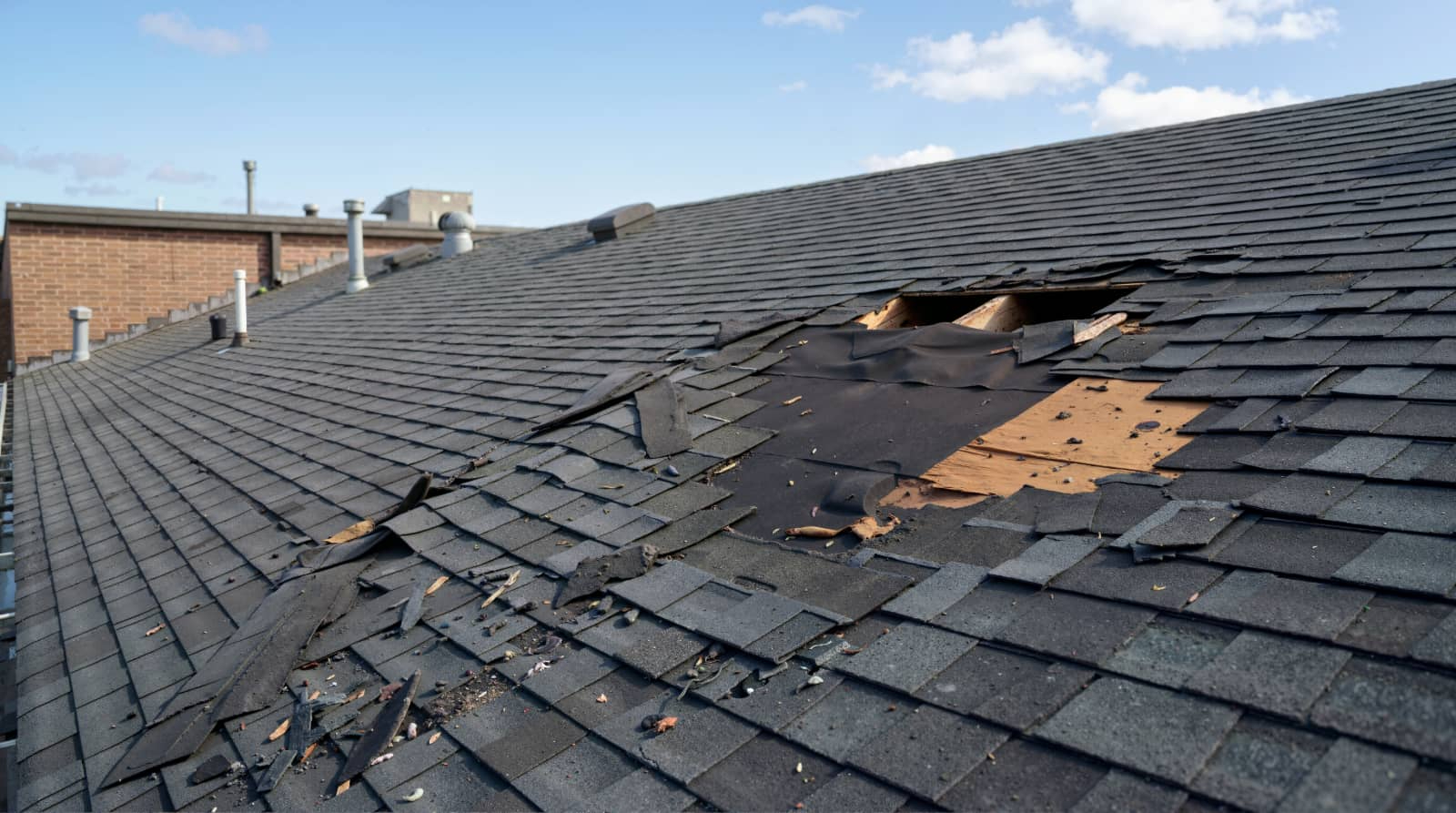
An asphalt shingle warranty typically covers defects in the shingles themselves, such as premature cracking, granule loss, blistering, or manufacturing failures that affect performance.
You should look for asphalt shingle roofing warranty coverage that specifies material defects, dimensional instability, and adhesion problems tied to production.
You’re usually protected when the product doesn’t meet published standards, so you can document the issue with photos, installation records, and date codes.
Most warranties also define acceptable tolerances for color variation and surface irregularities, which helps you compare normal appearance with true defects.
You belong to a group of homeowners who expect precise roof performance, and you can use the warranty language to verify whether the manufacturer will repair or replace defective shingles under the stated terms.
How Warranty Types Affect Roof Protection
When you compare warranty types, material coverage determines whether defective shingles are replaced, while labor coverage decides whether installation-related removal and reinstallation costs are paid.
You’ll get stronger roof protection when both terms are included, because the warranty can address product failure and the work needed to correct it.
If either component is limited, you may still face significant out-of-pocket expenses despite the warranty.
Material Coverage Differences
Material coverage can vary considerably between asphalt shingle warranties, and that difference directly affects how much of your roof’s replacement cost you can recover.
You’ll usually see pro-rated protection, limited lifetime material terms, or enhanced coverage tiers that expand replacement value.
Read the fine print so you know whether the warranty pays for defective shingles only or broader system components tied to the shingle package.
- Basic warranties often reduce payout as your roof ages.
- Premium warranties may keep stronger material coverage for longer.
- Some plans exclude color variation and granular loss.
- Registration and certified installation can affect eligibility.
When you compare options carefully, you join the homeowners who protect their roofs with confidence and precision.
Labor Coverage Impact
Labor coverage often determines how much you’ll actually spend if a warranty claim leads to roof replacement or repair, because some warranties pay only for defective shingles while others also cover the labor to remove, install, and dispose of affected materials.
When you compare standard material-only coverage with enhanced system warranties, check whether labor is included, capped, prorated, or limited to a set term. You’ll usually see stronger protection in manufacturer-backed extended plans, but you may also need certified installation and maintenance records to qualify.
If labor isn’t covered, you could still face significant out-of-pocket costs even when the shingles are warrantied. Read the claim procedure carefully so you know who pays what, when coverage starts, and how your roof stays protected.
What Manufacturer Roof Warranties Cover
Manufacturer roof warranties typically cover defects in the shingles themselves, including premature cracking, blistering, curling, granule loss, and manufacturing errors that affect performance. You’re protected when the product fails under normal exposure and proper use, giving you confidence in the system you chose.
Review the warranty terms for coverage limits, transferability, and proration, because those details shape your actual protection.
- Surface defects that appear early
- Material flaws in asphalt, mats, or seal strips
- Dimensional instability that affects alignment
- Color or coating inconsistencies across bundles
You should keep proof of purchase and batch numbers, since manufacturers often need traceability before they approve a claim.
That documentation helps you stay connected to the protection you paid for.
What Installer Warranties Cover
Installer warranties typically cover workmanship defects that arise from how your shingles, flashing, underlayment, and fasteners were installed.
You’re usually protected if installation errors cause leaks, loose materials, or premature failure that results from labor rather than product defects.
These warranties define the contractor’s responsibility for correcting faulty installation within the stated coverage period.
Workmanship Defects
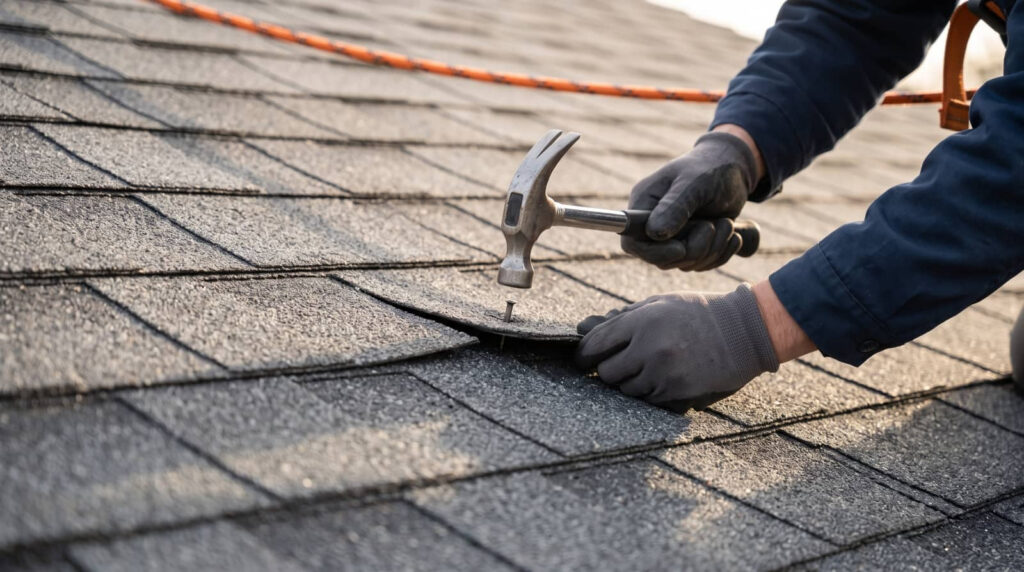
When a roofing issue traces back to the crew’s installation work, an installer’s warranty may cover the resulting defect, such as improper nailing, misaligned shingles, poor flashing integration, or inadequate sealing around penetrations.
You can rely on this coverage when a documented workmanship flaw causes premature leaks, localized blow-offs, or visible stress at roof junctions. Installer warranties usually focus on labor quality, so you’ll want records, photos, and a clear claim timeline.
- Nail placement outside manufacturer specs
- Shingle courses that drift off line
- Flashing joints that don’t shed water cleanly
- Sealant failures at vents and pipes
If you’re comparing warranties, read the exclusions closely. Strong installers stand behind their craft, and you deserve that level of accountability on your roof.
Installation Errors
Installation errors are usually the kind of problem installer warranties are designed to address, especially when the crew deviates from manufacturer specs or standard roofing practices.
You’re typically covered when improper nailing, misaligned starter strips, poor underlayment placement, missing flashing, or incorrect ventilation choices lead to leaks or premature shingle failure.
These warranties focus on the installer’s labor, so they can cover rework needed to correct errors that weaken the roof assembly. They won’t usually pay for storm damage, normal aging, or defects in the shingles themselves.
To protect your home, keep your contract, photos, and warranty terms organized, and confirm the installer followed the manufacturer’s written instructions.
That way, you stay informed, confident, and part of a well-protected roofing community.
What Voids an Asphalt Shingle Warranty?
Even a strong asphalt shingle warranty can be voided if you miss the manufacturer’s requirements, such as improper installation, unapproved roof deck repairs, inadequate ventilation, using incompatible underlayment or accessories, or failing to maintain the roof after damage.
You need to follow the product data sheet exactly, because deviations can trigger denial of coverage. Keep records for flashing, starter strips, sealants, and nail placement, since those details show compliance.
- Missing required attic airflow
- Mixing approved and unapproved components
- Cutting corners on leak repairs
- Ignoring storm or impact damage
When you work with a qualified roofing team, you protect your claim and stay aligned with the system design.
That’s how you keep your warranty valid and your home’s protection intact.
How Long Asphalt Shingle Warranties Last
You’ll find that asphalt shingle warranty lengths typically depend on the manufacturer, product line, and whether the warranty covers materials only or also includes labor.
Basic coverage often starts with a limited period, while enhanced warranties can extend longer but usually impose stricter installation and registration requirements.
You should check the stated coverage period closely, since prorated terms, exclusions, and transfer limits can reduce protection before the full term ends.
Warranty Length Basics
Asphalt shingle warranties usually fall into two length categories: a limited manufacturer’s warranty on the shingles themselves and a separate workmanship warranty from the installer.
You’ll usually see warranty terms stated in years, and the clock starts when the roof is installed or purchased, depending on the document. That’s why you should read the warranty certificate, not just the sales quote, so you know which timeline applies to your roof.
Within your roofing community, clear dates help you compare bids with confidence.
- Manufacturer term
- Installer term
- Registration date
- Transfer rules
Some warranties last longer on paper than they do in practical use, so keep your records organized.
When you track dates carefully, you protect your investment and stay aligned with your crew.
Coverage Period Limits
Once you know when a warranty starts, the next question is how long its protection actually lasts, because coverage periods vary by product line and warranty type.
You’ll usually see limited manufacturer coverage ranging from 20 to 50 years, while premium shingles may offer lifetime terms for the original owner.
Watch for prorated periods after an initial nonprorated window, because your reimbursement can drop as the roof ages.
Accessories, labor, and wind resistance often carry shorter limits than the main shingle warranty.
Installation certification can extend coverage, but missing registration or maintenance requirements can shorten it.
Read the fine print so you know when full protection ends and reduced coverage begins.
That way, you can plan repairs, budget accurately, and stay confident in your roofing community.
Key Warranty Terms to Check Before Buying
Before you buy, review the warranty’s coverage period, proration schedule, and transferability, since these terms determine how much protection you actually receive. You should also confirm what counts as a defect, which components are covered, and whether labor, removal, and disposal are included. These details help you stay aligned with the roofing community that values clear expectations and fewer surprises.
- Coverage term start date and expiration
- Full replacement versus prorated payout
- Transfer rules for a new homeowner
- Exclusions for wind, algae, or installation errors
Read the maintenance requirements too, because missed inspections or unauthorized repairs can void coverage.
If the warranty uses restrictive wording, ask for clarification before you sign, so you can protect your roof with confidence.
How to Compare Shingle Warranties
To compare shingle warranties effectively, you need to look past the headline term and evaluate what each policy actually pays for, when coverage begins, and how the payout changes over time.
You should compare material-only coverage, labor allowances, and system warranties that bundle underlayment, starter, and ridge components.
Check whether protection is prorated, nonprorated, or limited to a defined term, because that determines your real exposure.
Review transfer rules, installation requirements, and qualification thresholds for certified contractors, since these can tighten coverage fast.
You’ll also want to note exclusions for wind uplift, algae staining, and workmanship defects.
When you line up these variables side by side, you can choose a warranty that fits your roof, your budget, and the kind of long-term protection your household deserves.
How to File a Roof Warranty Claim
When your shingles fail or a covered component is defective, you should file the warranty claim as soon as you document the issue, because delays can weaken your case.
Gather your warranty certificate, purchase record, installation date, and photos of the defect. Review the filing instructions so you send the claim to the correct department with the required forms.
Describe the problem precisely, note weather conditions, and identify any matching shingle or accessory names. Keep copies of everything you submit and record each call, email, and reference number.
- Photograph damaged areas in clear daylight
- Mark leak locations on the roof plan
- Save receipts from inspections and repairs
- Follow up until you get written acknowledgment
What Warranty Coverage Protects Your Investment
After you’ve filed a claim, the next step is understanding exactly what your asphalt shingle warranty covers so you can judge whether the loss should be repaired or replaced at the manufacturer’s expense.
You’re usually protected against manufacturing defects, premature granule loss, cracking, blistering, and delamination when the shingles were installed per spec. Many warranties also cover wind uplift, but only up to a stated mph rating and often after pro-rated depreciation.
Labor coverage may be limited, so read whether tear-off, disposal, and installation costs are included. You should verify transferability, coverage term, and exclusion clauses for storm damage, poor ventilation, or improper fasteners.
When you know these limits, you’ll stand with other informed homeowners and defend your roof investment confidently.
Frequently Asked Questions
Can Warranty Coverage Transfer to a New Homeowner?
Yes, you can sometimes transfer warranty coverage to a new homeowner, but you’ll need to follow the manufacturer’s terms, register the transfer promptly, and provide proof of ownership and installation documents.
Does Warranty Coverage Include Roof Removal and Disposal Costs?
Usually, you won’t get roof removal or disposal costs covered; warranties mainly protect materials and workmanship. You should check your policy, because some enhanced coverage or contractor plans might reimburse tear-off and debris handling.
Are Labor Costs Covered During Warranty Repairs?
Sometimes, yes—but you’ll need to check the warranty carefully. You’re covered only if it includes labor; otherwise, materials may be covered while installation labor isn’t. Review exclusions, claim limits, and contractor responsibilities before repairs.
Can I Upgrade Warranty Coverage After Installation?
Yes, you can sometimes upgrade coverage after installation, but you’ll usually need to register within a set window, pay an added fee, and meet inspection requirements. Check your manufacturer’s terms, because upgrades aren’t always available.
Do Warranties Cover Damage From Storms or Hail?
Rarely—your warranty usually won’t cover storms or hail, because those count as external events, not manufacturing defects. You’ll need separate storm damage insurance, and you’ll belong to the protected side only if policy terms expressly include it.
Wrap-Up
When you review asphalt shingle roofing warranties, you protect your roof like a mechanic protects a critical engine: by checking coverage, limits, and exclusions before trouble starts. You’ve seen that manufacturer warranties usually cover material defects, while installer warranties address workmanship issues. Keep records, verify installation requirements, and compare terms carefully. If you file a claim, documentation matters. With the right warranty, you’re better positioned to control repair costs and preserve your investment.