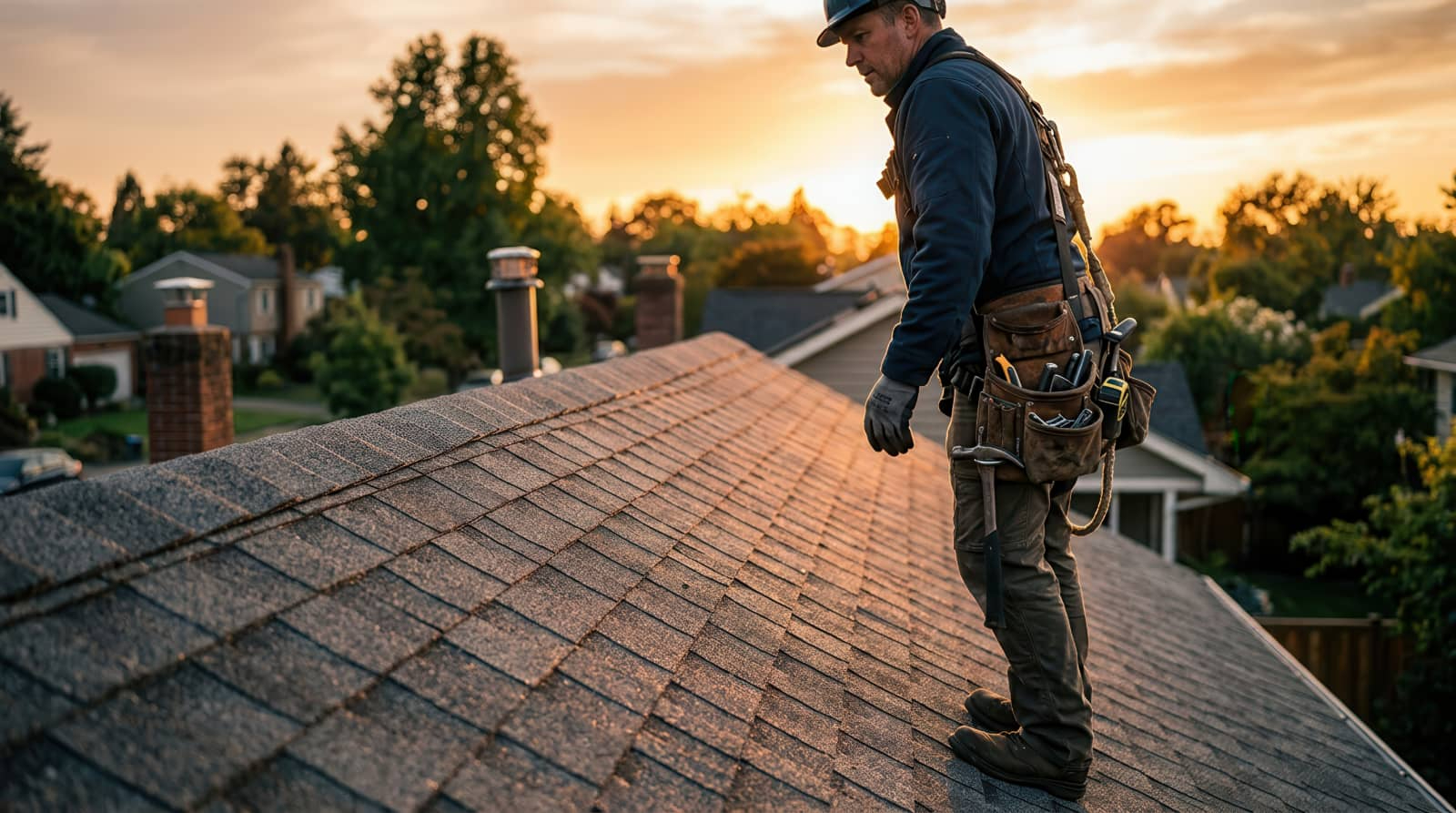
If you think roof choice is just about upfront price, you’re only seeing part of the equation. You need to compare asphalt shingles and metal roofing on cost, lifespan, weather resistance, upkeep, and appearance. Asphalt usually wins on initial budget and simpler installation, while metal can reduce long-term replacement needs. The right fit depends on your climate, your home’s style, and how long you plan to stay.
Key Takeaways
- Asphalt shingles cost less upfront and install faster, making them a budget-friendly choice for many homes.
- Metal roofing costs more initially but offers longer lifespan, better durability, and lower long-term maintenance.
- Metal roofs resist wind, fire, impact, snow, and rain better than asphalt shingles in severe weather.
- Asphalt shingles provide more style options and a traditional look, while metal roofing suits modern or utility-focused aesthetics.
- Roof slope, structure load, local climate, and building codes should guide the best roofing choice.
Which Roof Fits Your Goals?
Choosing between asphalt shingle roofing and metal roofing starts with your priorities. If you want a familiar system that fits most neighborhoods, asphalt shingle roofing vs metal roofing often comes down to appearance, weight, and performance.
Shingles work well when you value broad style options and straightforward installation. Metal suits you when you want stronger resistance to wind, fire, and impact, plus better thermal reflectivity.
You should also think about your structure’s load capacity and local weather. If your home faces frequent storms or heavy snow, metal can give you a tougher shell. If you prefer a traditional look that blends in, shingles may feel right.
Either way, you’re choosing a roof that should support your goals, your budget, and your long-term comfort.
Asphalt Shingle Roofing Costs
When you compare asphalt shingle roofing, you’ll usually see lower material and installation costs than metal roofing.
You should also factor in maintenance, since repairs, replacement cycles, and weather-related wear can raise long-term expenses.
This cost profile helps you weigh upfront savings against total ownership cost.
Material And Installation Costs
Asphalt shingle roofing usually offers the lowest upfront cost, which makes it a practical choice if you need to control both material and installation expenses.
You’ll typically pay less per square foot for shingles than for metal panels, and crews can install them faster with standard roofing tools. That can reduce labor hours and simplify your project schedule.
If your roof has common slopes and straightforward details, you can keep the budget tighter and avoid specialty fabrication costs.
You also get broad availability, so you and your contractor can source materials locally without much delay.
For many homeowners, this combination of low material pricing, familiar installation methods, and accessible labor makes asphalt shingles the most cost-efficient option at the start of a roofing project.
Long-Term Maintenance Expenses
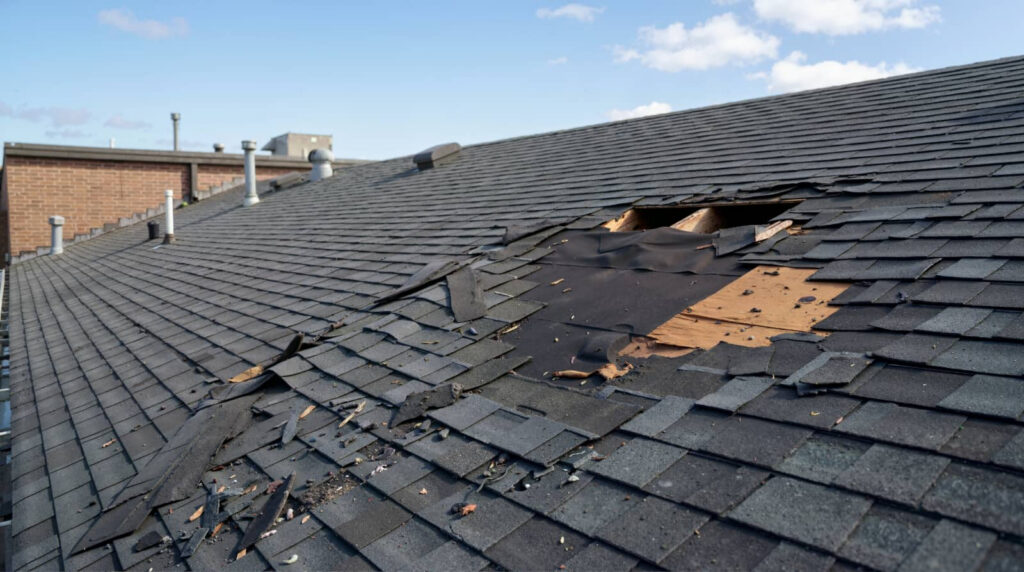
Lower upfront pricing can still be offset by ongoing upkeep, and asphalt shingles usually need more maintenance over time than metal roofing. You’ll likely budget for inspections after storms, replacing curled or missing shingles, resealing flashing, and cleaning algae or moss.
Heat, UV exposure, and freeze-thaw cycles can shorten service life, so small defects can turn into leaks fast. If you stay proactive, you can protect your home and avoid bigger repair bills.
Metal roofs still need checks, but they typically demand fewer repairs and less frequent replacement parts. For you, that means lower lifetime labor and material costs.
If you want a roof that fits a practical, long-view budget, compare local climate, warranty terms, and maintenance access before you decide.
Metal Roofing Costs and Savings
Metal roofing usually costs more upfront than asphalt shingles, so you’ll need to weigh the initial material and installation expense against its service life.
You can offset some of that cost through long-term energy savings, since metal roofs reflect solar heat and can lower cooling demand.
For your property, the key question is whether the higher starting price fits your budget and payback timeline.
Upfront Metal Roof Costs
Upfront metal roof costs are typically higher than asphalt shingle costs because the material, installation, and specialty accessories often require a larger initial investment.
You’ll usually pay more for panels, underlayment, fasteners, flashing, and trim, and you may need a contractor with metal-roof experience.
Labor can rise because installers must handle precise measurements, cut cleanly, and manage expansion and contraction.
Roof complexity also matters: steep slopes, valleys, dormers, and penetrations increase the price.
You should compare bids on the same scope, not just the headline number.
Ask whether tear-off, disposal, ventilation parts, and warranty coverage are included.
When you review costs this way, you can join the group of owners making informed, confident roofing decisions for your property.
Long-Term Energy Savings
Although metal roofing usually costs more at the outset, it can reduce long-term energy expenses by reflecting more solar radiation and limiting heat transfer into the attic.
You’ll notice lower cooling loads in hot months, especially if your roof has a high solar reflectance rating and proper underlayment. That means your HVAC system won’t work as hard, which can trim monthly utility bills and extend equipment life.
In a well-ventilated attic, metal also helps stabilize indoor temperatures, so your home feels more comfortable year-round.
Compared with asphalt shingles, which absorb more heat and age faster, metal keeps its performance longer.
If you’re aiming for efficiency, this is a smart upgrade that can pay you back over time and help you feel confident in your choice.
Asphalt Shingle Lifespan and Maintenance
Asphalt shingles typically last 15 to 30 years, depending on shingle quality, climate, roof pitch, and installation. You can extend service life by inspecting your roof twice a year and after major storms.
Keep gutters clear, trim overhanging branches, and replace damaged tabs fast. Check for curling, cracking, missing granules, and exposed nails. Make sure attic ventilation works, because heat buildup shortens shingle life. If you spot leaks, act quickly to avoid deck damage and higher repair costs.
- Inspect flashings and valleys regularly
- Remove debris from roof surfaces
- Seal minor issues early
- Replace aged underlayment as needed
- Schedule professional maintenance when you’re unsure
Metal Roofing Durability in Severe Weather
Metal roofing stands out in severe weather because its interlocking panels and tight fastening system help it resist high winds, heavy rain, hail, and snow better than many traditional roofing materials.
You get a tighter roof assembly that limits uplift and reduces water intrusion at seams. In hail, impact-resistant coatings and harder metal surfaces can minimize punctures and cracking.
During heavy snow, smooth panels shed loads faster, which helps lower structural stress. You’ll also appreciate that quality metal roofing expands and contracts predictably, so proper installation keeps fasteners secure through temperature swings.
If you want a roof that performs with your community through storms, metal gives you dependable protection.
Choose the right gauge, underlayment, and contractor, and you’ll strengthen long-term weather resilience.
Asphalt Shingle Styles and Curb Appeal
Beyond storm performance, the roof style you choose also shapes how your home looks from the street. You can match asphalt shingles to your neighborhood and create a polished, familiar look that helps you feel at home.
Dimensional shingles add depth, while architectural profiles mimic slate or wood at lower cost. Three-tab shingles look flatter and more basic, but they can still suit simple homes.
When you choose a style, you control texture, shadow lines, and visual balance with siding and trim.
- Dimensional shingles add depth
- Three-tab shingles keep a clean line
- Architectural styles feel upscale
- Dark tones reduce visual contrast
- Consistent patterns support curb appeal
Metal Roofing Colors and Profiles
Color choices and panel profiles give you control over how a metal roof performs and how it looks. You can choose cool neutrals, deep earth tones, or bold accents to match your home and neighborhood. Lighter colors often reflect more heat, which can help reduce summer load. Darker finishes create stronger contrast and a more grounded look.
Profiles matter too: standing seam panels deliver a clean, modern line, while corrugated or ribbed panels offer a familiar, utility-driven appearance. You’ll also see textured coatings and matte finishes that hide glare and soften the roof’s presence.
Pick a color and profile that fit your climate, architecture, and your sense of place, so your home feels like it belongs.
Installation Differences to Expect
Installation methods differ in ways that affect labor, timing, and roof preparation.
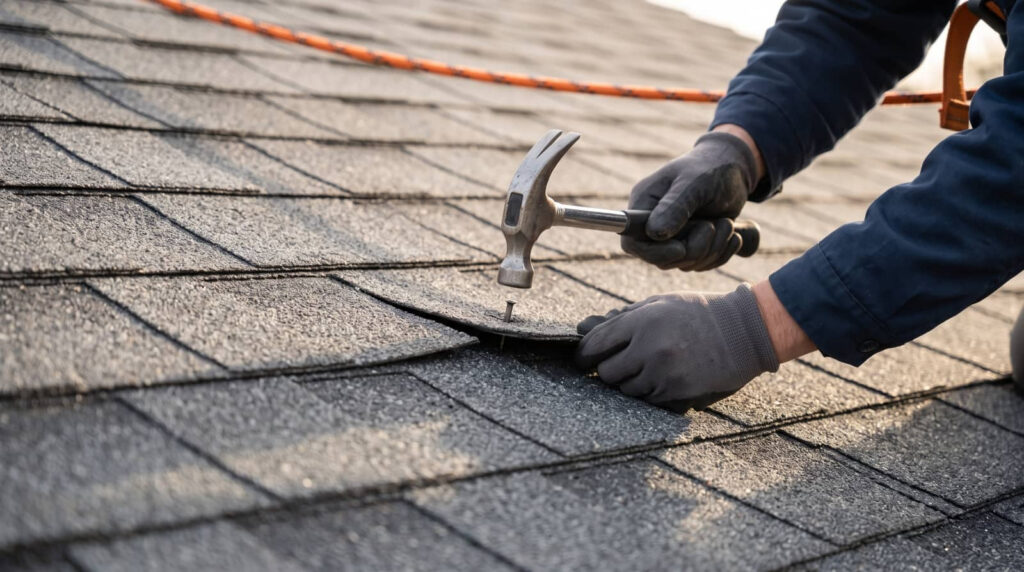
With asphalt shingles, you’ll usually need underlayment, starter strips, and layered courses that crews can install quickly. Metal roofing often requires more layout precision, panel alignment, and specialized fasteners, so your installer may spend extra time on measurements and flashing details. You’ll also notice different handling needs on site.
- Shingles cut easily and adapt to simple roof shapes.
- Metal panels demand accurate spacing and seam control.
- Deck repairs matter before either system goes on.
- Fastener placement must match each product’s specs.
- Weather can slow metal work more because panels are longer.
When you understand these steps, you can speak with your crew confidently and stay part of the process.
Which Roof Is Better for Your Home?
Now that you know how each system is installed, you can judge which roof fits your home best.
If you want lower upfront cost and a familiar look, asphalt shingles usually fit your budget and your neighborhood. They’re a solid choice when you plan to stay in the home for a moderate term and want easy repairs.
If you want longer service life, better wind and fire resistance, and lower long-term maintenance, metal roofing usually wins. It also sheds snow and rain efficiently, which helps in harsher climates.
Think about your structure, slope, and local codes too. Your best roof should match your priorities, your climate, and your community’s standards, so you feel confident with the choice you make.
Frequently Asked Questions
How Does Roof Weight Affect Older Home Structures?
Heavier roofs can overstress your older home’s framing, causing sagging, cracking, and settlement. You’ll want a structural assessment before adding weight, because lighter materials reduce load, improve safety, and help your house stay solid longer.
Can Metal Roofing Be Installed Over Existing Shingles?
Yes, you can install metal roofing over existing shingles, like layering armor over an old shield. You’ll need sound decking, proper fasteners, and ventilation, so you stay protected, code-compliant, and part of a smart roofing choice.
Which Roofing Material Is Quieter During Rainstorms?
Asphalt shingles are usually quieter during rainstorms because they absorb sound better. You’ll hear less impact noise indoors, especially without added insulation. Metal roofing can be quiet too, but it often needs solid underlayment and decking.
Are Either Shingles or Metal Roofs Recyclable?
Yes—metal roofs are usually recyclable, and you can often send them to metal recycling streams. Asphalt shingles aren’t typically recyclable, though some programs reclaim them for pavement. You’ll want to verify local facilities first.
How Do Warranties Differ Between Shingles and Metal?
You’ll usually get shorter warranties on shingles, often 20–30 years, with prorated coverage and limits on wind or algae damage. Metal roofs often carry 30–50-year warranties, sometimes with better finish coverage and transferability.
Summary
When you choose between asphalt shingles and metal roofing, you’re really choosing the roof that will shelter your future. Asphalt shingles offer a lower-cost path and familiar curb appeal, while metal roofing stands like a hard shield, built for longer service and severe weather. If your budget is tight, shingles can fit. If you want durability and lower long-term upkeep, metal may be the stronger investment. Match the roof to your climate, goals, and priorities.