Just as you notice a small leak after a storm, you may also find that Roof Repair vs Roof Replacement is not a simple decision. You need to weigh the scope of the damage, your roof’s age, material type, and future risk before you spend money. A patch can solve a localized issue, but a full replacement may protect your home longer and cost less over time. The key is knowing which signs tip the balance.
Key Takeaways
- Repair is usually best for localized damage like missing shingles, small leaks, or minor punctures.
- Replacement makes more sense for widespread damage, recurring leaks, or a roof near the end of its life.
- Repairs cost less upfront, but replacement often delivers better long-term value and fewer repeat fixes.
- Insurance coverage, deductibles, and policy limits can strongly affect whether repair or replacement is affordable.
- A professional inspection helps reveal hidden damage and determine the most cost-effective, durable option.
Roof Repair vs Roof Replacement Costs
When you compare roof repair vs. roof replacement costs, the right choice usually depends on the extent of the damage, the age of the roof, and how much life is left in the existing materials.
In a roof repair vs roof replacement comparison, you’ll usually see lower upfront repair costs, but you may pay more later if problems keep returning. Replacement costs more at the start, yet it can deliver better long-term value when deterioration is widespread or materials have reached the end of service.
You should weigh labor, disposal, permit fees, and matching materials, because those expenses affect the total.
To make the smartest call, assess current damage against projected performance, then choose the option that protects your home and keeps your household aligned around a practical budget.
When Roof Repair Makes Sense
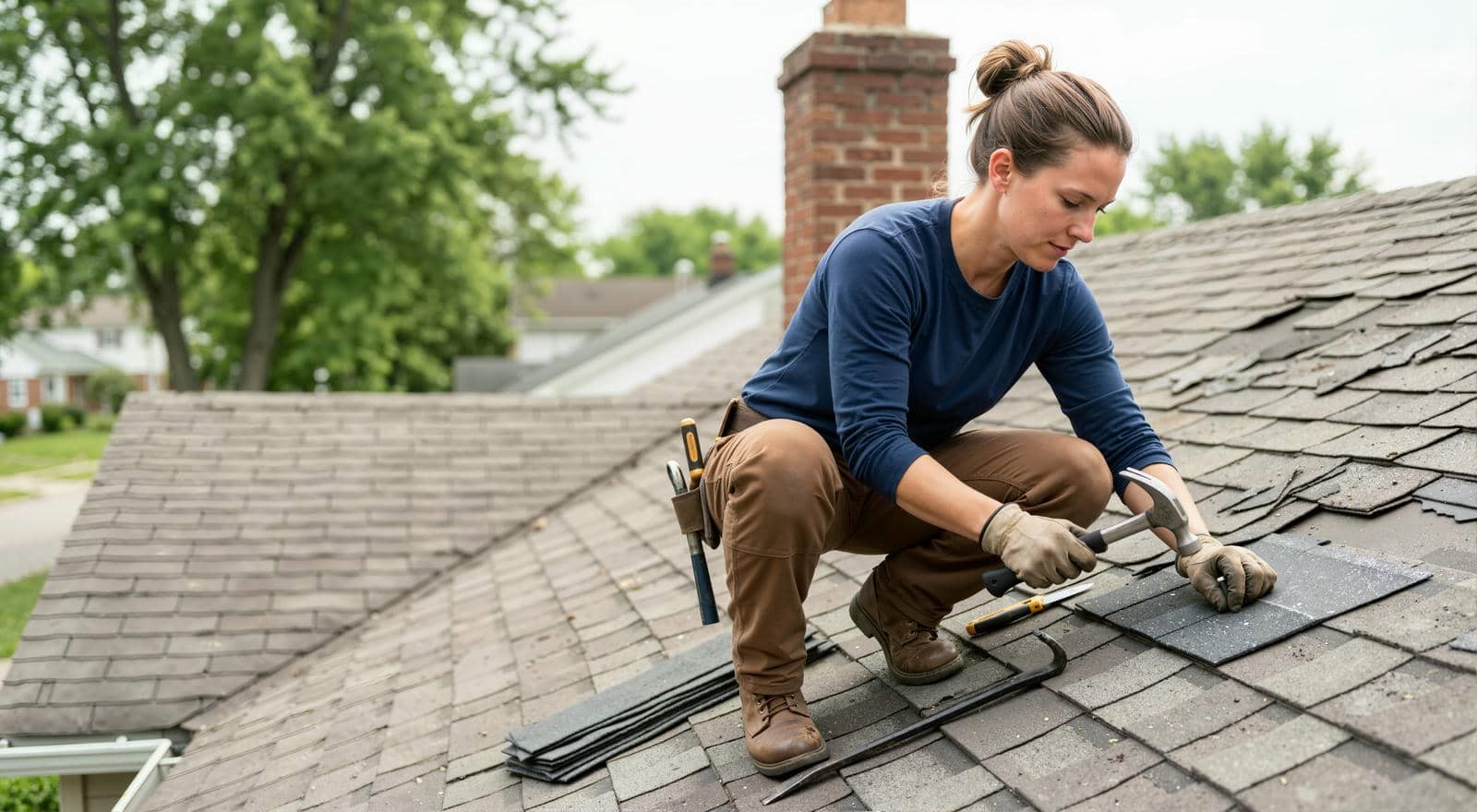
If the damage is localized and the roof structure is still sound, repair is often the most cost-effective choice. You can usually fix isolated leaks, missing shingles, flashing failures, or small punctures without disrupting the rest of the system.
A targeted repair lets you preserve usable materials, keep your home protected, and avoid unnecessary labor. You’ll also benefit when the issue traces to a clear, accessible point rather than widespread wear.
A qualified roofer can inspect the surrounding area, match materials, and restore performance with minimal downtime. That approach works best when you want a practical solution that keeps you in control of your budget and your home’s condition.
In many cases, a precise repair gives you the reliable outcome your household needs.
When Roof Replacement Is the Better Choice
A full roof replacement makes more sense when damage is widespread, the roofing system is near the end of its service life, or repeated repairs no longer hold up.
You should also choose replacement when leaks keep returning, shingles are curling across large sections, or underlayment and decking show moisture damage.
In these cases, patching only treats symptoms, not the source. A new roof lets you reset the system with consistent materials, proper flashing, and dependable ventilation.
That gives you a cleaner, code-compliant result and helps your home stay protected as a whole.
If you’re weighing repair vs replacement, look at the scope of damage, not just the immediate fix.
A trusted roofing pro can help you choose the option that fits your budget, goals, and crew standards.
Which Option Lasts Longer?
Roof replacement usually lasts longer than repair because it addresses the entire roofing system, not just one damaged area. You get a new surface, underlayment, flashing, and often better ventilation, so the roof can perform as a unified system.
A repair can extend service life when the rest of the roof still has solid structure and sound materials, but it won’t reset the clock. In practice, you should expect a replacement to deliver the longer remaining lifespan and fewer repeat service calls.
Repair works best as a targeted fix that buys time and preserves value. If you want predictable performance and a cleaner long-term plan for your home, replacement usually gives your household the stronger return, especially when you’re planning ahead together.
How Roof Damage Severity Changes the Choice
When the damage is minor—such as a few missing shingles, small leaks, or limited flashing failure—you can usually choose repair and keep costs contained.
When damage is widespread, affects multiple roof planes, or signals systemic failure, replacement is often the more cost-effective option.
You should base your decision on the extent of the damage, not just the visible symptoms.
Minor Damage Repair
Minor damage usually makes roof repair the more cost-effective choice because you can address isolated issues before they spread. If you see a few missing shingles, a small leak, or limited flashing failure, you can target the problem area without disrupting the rest of the system.
You’ll protect your budget while keeping your roof aligned with your home’s needs. A qualified roofer can inspect the deck, underlayment, and sealants to confirm the damage is truly localized. That matters, because a precise repair restores performance and preserves service life.
You also stay in control, choosing fixes that fit your timeline and helping your household avoid unnecessary work. When the issue is contained, repair usually gives you the smartest, safest path forward.
Widespread Damage Replacement
If damage covers large sections of the roof, replacement usually becomes the more cost-effective option because patching multiple failures rarely restores full performance. You’re likely dealing with compromised underlayment, weakened decking, and repeated leak paths that make repairs temporary.
A full replacement lets you reset the system, improve weather resistance, and protect your home’s structure with confidence. You’ll also avoid the cycle of call-backs and hidden moisture damage that small fixes can miss.
- Evaluate shingle loss across multiple slopes.
- Check for sagging, rot, or soft decking.
- Compare repair totals against one replacement bid.
- Factor in remaining roof life and energy savings.
When damage is widespread, choosing replacement helps you join the group of owners who plan ahead, not just patch problems.
Insurance Coverage for Repair vs Replacement
You’ll need to check your policy limits first, because they can cap what the insurer pays for either a repair or a full replacement.
Claim approval usually depends on the damage cause, the roof’s age, and whether the loss meets your deductible and coverage terms.
If the claim’s approved, the payout can make repair the cheaper option—or justify replacement when the damage is extensive.
Policy Coverage Limits
Policy coverage limits often determine whether roof damage gets repaired or requires full replacement, since insurers usually pay only up to the policy’s stated coverage, minus deductibles, exclusions, and depreciation.
You’ll want to compare that ceiling with your contractor’s estimate so you can see what your policy can realistically absorb. When limits are tight, a repair may keep you within budget; when the payout barely covers patchwork, replacement can protect you better long term.
- Check dwelling coverage caps.
- Review roof-specific endorsements.
- Measure remaining policy balance.
- Compare deductibles against estimates.
You’re not alone in this process—homeowners who read their declarations page carefully usually make smarter, faster decisions.
In your network of neighbors and pros, this is the step that keeps surprises down and control up.
Claim Approval Factors
Claim approval hinges on whether the insurer classifies the loss as covered, sudden, and severe enough to justify the requested scope of work.
You’ll strengthen your case when you document the date, cause, and extent of damage with photos, invoices, and a licensed roofer’s report. Adjusters look for wind, hail, fallen debris, or other peril-driven events, not wear and tear, neglect, or deferred maintenance.
If repair restores function and matches existing materials, carriers often approve that route. When the damage is widespread, code upgrades apply, or matching materials are unavailable, replacement may be justified.
Review deductibles, exclusions, and depreciation before you agree. You belong in the process when you stay organized, answer questions quickly, and push for a precise scope that supports the most cost-effective outcome.
How Roofing Materials Affect Cost
Material matters: the roofing system you choose can dramatically shift both repair and replacement costs. You’ll usually pay less to patch standard asphalt shingles than to source matching slate, metal, or tile.
Each material demands different labor, fasteners, underlayment, and disposal methods, so your quote reflects more than square footage. When you compare options, focus on these cost drivers:
- Material availability and color matching
- Specialized tools and installer skill
- Weight, fastening, and flashing requirements
- Waste, tear-off, and site cleanup
If your roof uses premium components, a small repair can still be expensive because tradespeople must preserve performance and appearance.
For replacement, material choice sets your baseline budget, so ask for itemized estimates and choose the system that fits your home and crew.
Use Roof Age to Decide
Roof age is one of the clearest signals for whether you should repair or replace, because even a successful patch can be short-lived on an aging system.
You should compare the roof’s age to its expected service life, then judge whether a repair buys meaningful time or just delays a larger expense.
If your roof is near the end of its lifespan, recurring leaks, cracked shingles, and brittle flashing usually point toward replacement.
If it’s still relatively young and the damage is isolated, a targeted repair can make financial sense.
You’ll make better decisions when you treat age as a cost factor, not just a number.
That mindset helps you stay aligned with other homeowners who value smart, durable choices and long-term value.
Get a Professional Roof Inspection
A professional roof inspection gives you the evidence you need to choose between repair and replacement with confidence. You get a trained eye on shingles, flashing, decking, ventilation, and moisture intrusion, so you’re not guessing.
A qualified inspector can spot hidden damage that shortens service life and drives up long-term costs. That insight helps you compare roof repair vs roof replacement based on condition, risk, and budget.
- Check for leaks and soft spots.
- Measure shingle loss, curling, and granule wear.
- Review flashing, valleys, and penetrations.
- Estimate remaining life and repair scope.
When you work with a trusted pro, you join homeowners who make informed, cost-effective decisions. The right report can save money now and prevent bigger failures later.
Frequently Asked Questions
How Long Does a Typical Roof Repair Take?
Most typical roof repairs take a few hours to one day, depending on damage, materials, and weather. You’ll usually get faster turnaround on small leaks, but structural issues can extend the job considerably.
Can I Stay in My Home During Roof Work?
Yes, you can usually stay home, unless you enjoy jackhammers at dawn. You’ll manage with repairs; replacements demand more caution, ventilation, and noise control. Check access, debris zones, and weather before you decide.
What Permits Are Needed for Roof Projects?
You’ll usually need a building permit for re-roofing, structural repairs, or full replacement, plus electrical or plumbing permits if affected. Check local codes, HOA rules, and inspection requirements before you start work.
How Do Weather Conditions Affect Roof Scheduling?
Weather delays your roof schedule because rain, high winds, freezing temperatures, and extreme heat can stop safe work and affect material performance. You’ll plan around forecasts, protect your home, and keep your crew ready to adjust fast.
Can Roof Repairs Increase Home Resale Value?
Yes—your roof repairs can boost resale value by stopping leaks, restoring curb appeal, and signaling diligence. You’ll attract buyers, reduce inspection objections, and often recoup more than cosmetic fixes if you document the work.
Summary
Your decision comes down to damage scope, roof age, and long-term value. A minor leak or a few missing shingles usually points to repair, while widespread wear often justifies replacement. Remember, many asphalt shingle roofs last about 20 to 30 years, so age matters. Always compare upfront cost with future risk, and get a professional inspection before you commit. That’ll help you protect your home, your budget, and your roof’s performance.