After a storm, it’s essential to assess your roof for potential leaks. You’ll want to look for common signs like missing shingles or water stains indoors. Understanding the types of damage that storms can inflict is key to effective repairs. Knowing how to inspect your roof properly can save you time and money in the long run. But what should you do if you find serious issues?
Key Takeaways
- Look for water stains on ceilings and walls to identify potential leaks caused by storm damage.
- Inspect shingles for cracks, curls, or missing pieces that may allow water entry.
- Check flashing around chimneys and vents, as storm winds can compromise their integrity.
- Use temporary fixes like tarps or roofing tape to manage leaks until professional help is available.
- Seek professional assistance for persistent leaks or significant damage to ensure proper repairs and compliance with warranties.
Common Signs of Roof Leaks After a Storm
After a storm, it’s crucial to inspect your roof for potential leaks, as several signs can indicate damage.
Start with leak detection by checking your ceilings for water stains or discoloration, which can signal roof issues. Listen for dripping sounds in your attic or upper floors; these can point to active leaks.
Additionally, examine your roof’s shingles. Missing, cracked, or curled shingles often suggest vulnerability.
Don’t forget to inspect flashing around chimneys and vents, as compromised flashing can lead to significant leaks.
During your storm preparation, verify your gutters and downspouts are clear to prevent water buildup, which could exacerbate roof problems.
Using binoculars for a distant view can help identify any visible wear or damage from the ground.
Types of Storm Damage That Cause Leaks
Storms can cause various types of damage to your roof that lead to leaks.
Wind can lift shingles, hail can create dents, and debris can block drainage, all increasing the risk of water infiltration.
Understanding these damages is essential for effective repairs and preventing further issues.
Wind Damage Impact
When strong winds batter your roof, they can compromise its integrity and lead to leaks.
Wind shear, which occurs when high-speed winds strike at varying angles, can lift shingles and damage flashing. This dislodgement creates openings for water to infiltrate, especially during heavy rain. You might notice missing or curled shingles after a storm, indicating potential vulnerabilities.
Furthermore, the severity of wind damage often correlates with the roof’s age and condition; older roofs are more susceptible to leaks. Regular inspections can help you identify these issues early, ensuring your roof remains watertight and secure.
Maintaining your roof’s integrity is essential for preventing costly repairs and preserving your home’s value. Stay vigilant after storms to protect your investment.
Hailstone Dents Analysis
High winds aren’t the only weather-related threats to your roof; hail can also cause significant damage, leading to leaks. When hailstones impact your roofing materials, they can create dents or fractures, compromising their integrity.
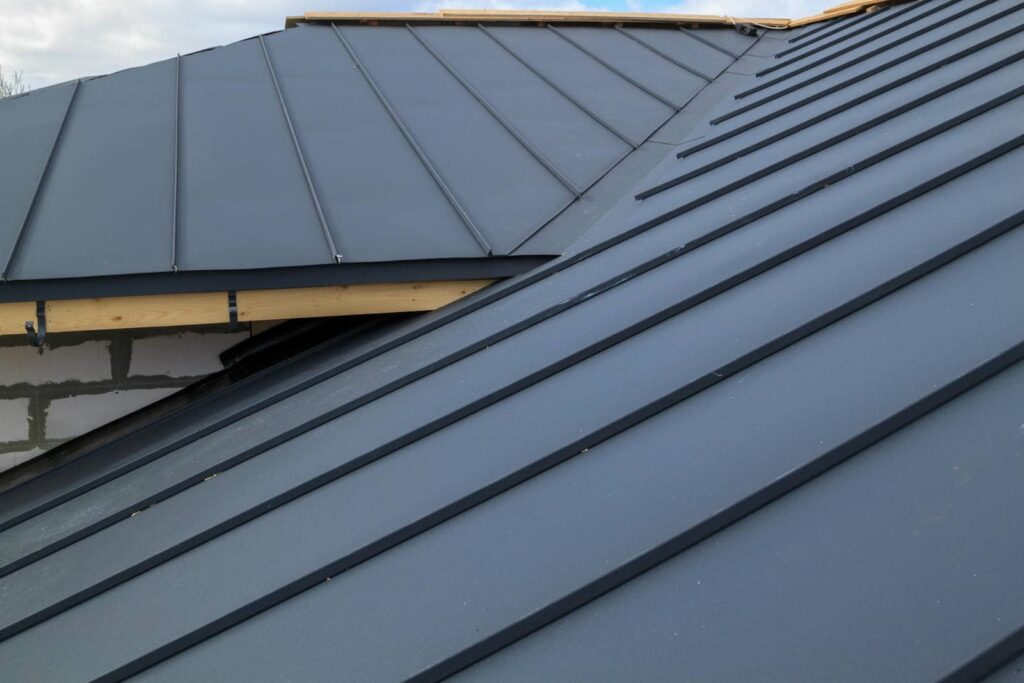
Different roofing materials react differently to hailstone impacts. For instance, asphalt shingles may show signs of bruising, while metal roofs can experience dents or punctures.
Identifying these damages early is essential, as even minor dents can lead to moisture infiltration over time. Conduct a thorough inspection after a hailstorm, focusing on any visible damage.
If you find significant hailstone dents, it’s advisable to consult a roofing professional to assess the extent of the damage and recommend necessary repairs to prevent leaks.
Debris Accumulation Risks
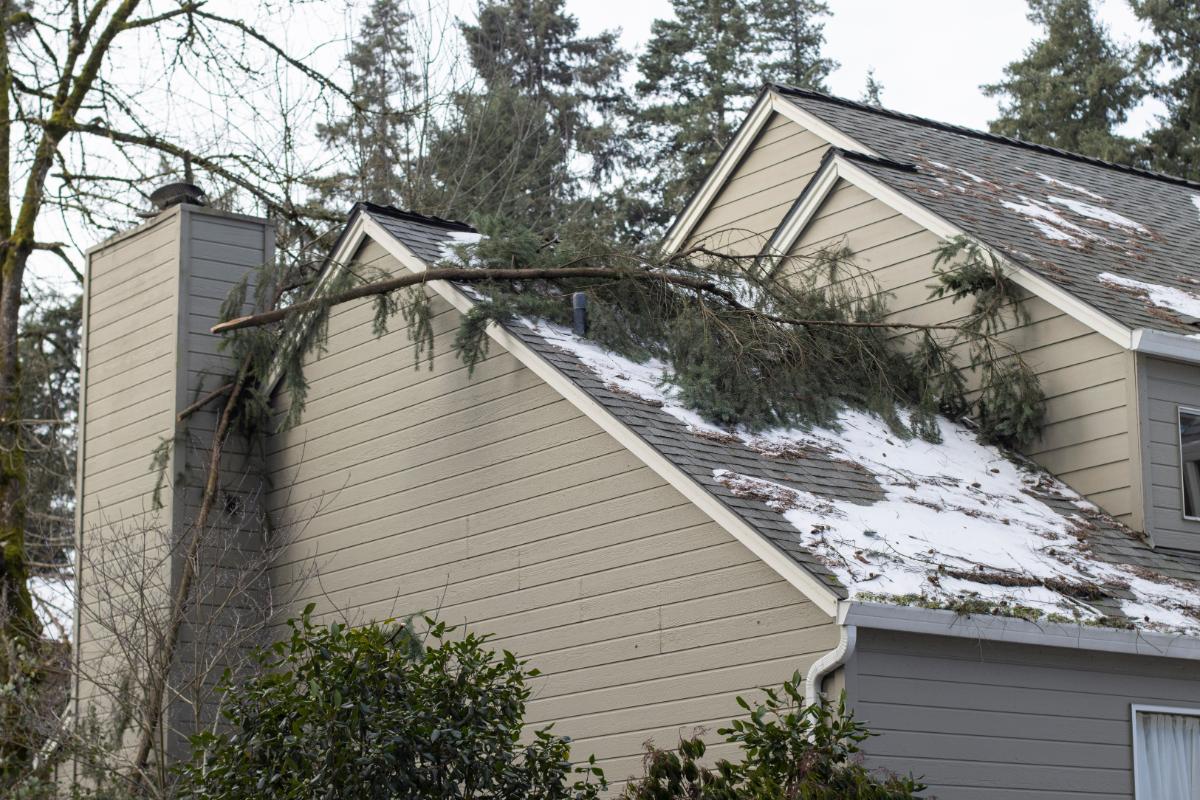
Although you mightn’t think about it often, debris accumulation on your roof poses a significant risk for leaks. Leaves, twigs, and other materials can trap moisture, leading to rot and mold growth. Over time, this can compromise your roofing system’s integrity.
Regular debris removal is essential to maintain a watertight barrier. Implementing prevention techniques, such as installing gutter guards or ensuring proper drainage, can minimize the risk of debris buildup.
Additionally, conducting routine inspections after storms helps identify potential problem areas before they escalate into costly leaks. By staying proactive with these measures, you protect your home and foster a sense of belonging within your community, knowing you’re taking care of your shared environment.
How to Inspect Your Roof for Damage
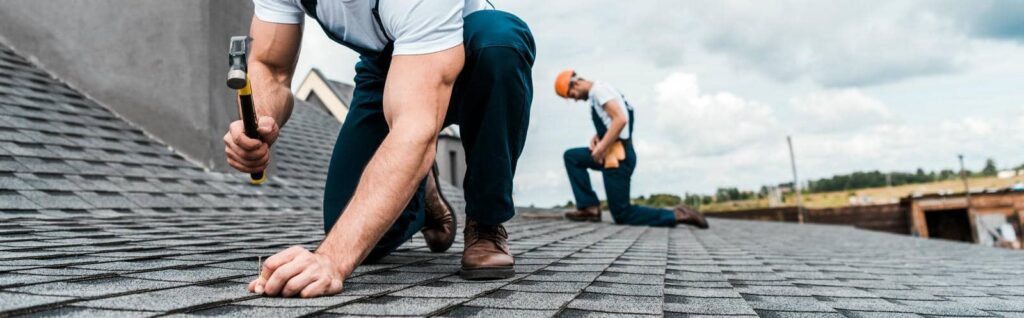
To effectively inspect your roof for damage, start with a visual damage assessment, looking for missing shingles or cracks.
Next, check for water stains on your ceiling, as these can indicate leaks.
Finally, inspect the flashing and seals around vents and chimneys, ensuring they’re intact and secure.
Visual Damage Assessment
When inspecting your roof for damage, it’s important to start from the ground and work your way up, as this method provides a clear perspective on potential issues. Begin by examining your surroundings for debris or fallen branches, which can indicate a problem. Use a ladder to inspect shingles, flashings, and gutters, documenting any damage you find for future reference.
Here’s a quick reference table to guide your visual damage assessment:
| Area to Inspect | Signs of Damage | Recommended Action |
|---|---|---|
| Shingles | Cracks or missing | Replace damaged shingles |
| Flashings | Rust or detachment | Reseal or replace |
| Gutters | Dents or clogs | Clean or repair |
| Valleys | Water pooling | Confirm proper drainage |
This thorough roof inspection and damage documentation will help preserve your home.
Check for Water Stains
Water stains on ceilings and walls often signal an underlying roof issue that needs immediate attention.
During your ceiling inspection, look for discoloration, peeling paint, or sagging areas, as these can indicate moisture infiltration. Pay close attention to the color and size of the stains; yellow or brown hues suggest prolonged leaks.
Trace the stains back to their source, which could be damaged shingles or compromised roofing materials. Don’t forget to check adjacent walls and attic spaces, as leaks often travel along structural elements.
If you spot significant stains, consider consulting a roofing professional for a thorough evaluation. Addressing these issues promptly can prevent costly repairs and ensure your home remains safe and dry.
Inspect Flashing and Seals
Inspecting flashing and seals is vital for maintaining a leak-free roof. You should regularly check these areas to prevent water intrusion.
Look for:
- Damaged flashing that may have become loose or cracked.
- Deteriorated seals around vents, chimneys, and skylights.
- Signs of rust or corrosion that could compromise the material.
If you notice any issues, it’s important to address them promptly.
Consider performing flashing repairs or applying sealant to ensure a tight seal. A proper sealant application can enhance the longevity of your roof and provide peace of mind.
Temporary Fixes for Storm-Induced Leaks
Although storm-induced leaks can be alarmingly disruptive, implementing temporary fixes can help mitigate damage until a permanent solution is possible. One effective method involves using temporary tarp solutions. Secure a heavy-duty tarp over the affected area, making certain it extends several feet beyond the leak’s edges. Use ropes or bungee cords to anchor the tarp, preventing it from being blown away by the wind.
In addition, consider emergency patching techniques for minor leaks. If you spot a small hole, cover it with roofing tape or a rubber patch, applying pressure to ensure a tight seal.
For larger issues, plywood or metal sheets can provide added protection until professional repairs can be arranged. Remember, these temporary fixes are meant to protect your home from further damage, so act quickly.
Always prioritize safety by using a sturdy ladder and wearing proper gear while working on your roof.
Long-Term Solutions for Roof Repair
When you’re ready to tackle roof repairs long-term, it’s crucial to first assess the extent of the damage. This helps you determine the best approach for a lasting solution.
Consider implementing preventive maintenance to prolong your roof’s lifespan.
Here are some key strategies:
Regular inspections: Check for loose shingles, cracks, or rusted flashing to catch issues early.
Quality roofing materials: Invest in durable materials that withstand harsh weather and provide better insulation.
Proper ventilation: Confirm your attic is well-ventilated to prevent moisture buildup and extend the life of your roofing system.
When to Call a Professional Roofer
How can you know when it’s time to call a professional roofer? If you notice persistent leaks, significant water stains, or extensive damage after a storm, it’s essential to get expert help.
Ignoring these issues can lead to further complications, including mold growth and structural damage. Additionally, if your roofing warranty is still valid, contacting a professional ensures that your repairs comply with the warranty terms, protecting your investment.
If you’re filing insurance claims due to storm damage, professional roofers can provide the detailed documentation and assessments that insurers often require.
Their expertise helps in accurately diagnosing problems and in presenting a solid case for your claims. When in doubt, it’s always better to rely on trained professionals who can safely and effectively address your roofing issues, making sure your home remains a safe and secure space for you and your family.
Frequently Asked Questions
What Should I Do Immediately After Discovering a Roof Leak?
After discovering a roof leak, act quickly. Start emergency procedures by evaluating the leak; contain water, document damage, and contact a professional for a thorough evaluation and repairs.
Can I Use Tape to Temporarily Fix a Roof Leak?
Yes, you can use tape as a temporary solution for a roof leak. It helps with leak prevention until a permanent fix is applied. Choose waterproof tape for the best results during your repair efforts.
How Often Should I Inspect My Roof for Damage?
You should conduct roof inspections at least twice a year, ideally during seasonal roof checks in spring and fall. This frequency helps identify potential issues early, ensuring your roof remains in prime condition and protects your home.
What Materials Are Best for Long-Term Roof Repairs?
For long-term roof repairs, consider durable shingle types like asphalt or metal. Using proper repair techniques, like sealing joints and replacing damaged sections, ensures your roof withstands the elements and maintains its integrity for years.
Will My Homeowner’s Insurance Cover Storm Damage to My Roof?
Your homeowner’s insurance might just lend a helping hand for storm damage. Review your insurance policies carefully, and familiarize yourself with the claim process; it’s essential for ensuring you receive proper coverage and support.
Final Thoughts
Spotting and fixing storm damage roof leaks quickly can save you from costly repairs down the line. For instance, a homeowner in your neighborhood ignored a small leak after a storm, only to face extensive water damage and mold weeks later. By being proactive—inspecting your roof, applying temporary fixes, and knowing when to call a professional—you can protect your home and ensure your roof remains resilient against future storms. Don’t wait until it’s too late!