When it comes to selecting roofing materials for energy efficiency, you have several options that can considerably impact your home’s energy consumption. Each material offers unique benefits and drawbacks, influencing your utility bills and the overall sustainability of your residence. Understanding these options can help you make an informed decision. So, what are the top contenders that balance performance, durability, and cost-effectiveness? Let’s explore the best choices available.
Key Takeaways
- Metal roofing reflects solar heat and lasts over 40 years, significantly reducing cooling costs and waste.
- Cool roofing minimizes heat absorption, improving indoor comfort and prolonging roof lifespan through reflective coatings.
- Clay tiles offer excellent thermal insulation and durability, reducing cooling costs while enhancing aesthetic appeal.
- Green roofs regulate indoor temperatures, absorb rainwater, and support local ecosystems, promoting sustainability.
- Synthetic roofing materials like TPO and EPDM are energy-efficient, durable, and often made from recycled materials, minimizing environmental impact.
Metal Roofing
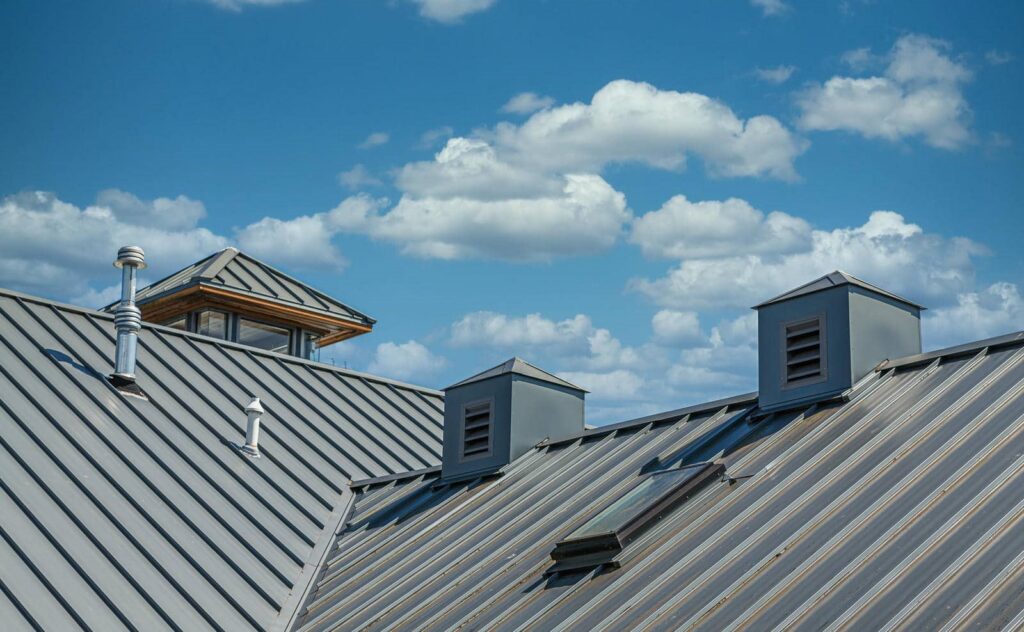
When you consider energy-efficient roofing options, metal roofing stands out due to its exceptional thermal performance and longevity. One of the primary metal roofing benefits is its ability to reflect solar heat, reducing cooling costs considerably. This efficiency translates to a more comfortable indoor environment, making it an attractive choice for homeowners seeking sustainable solutions.
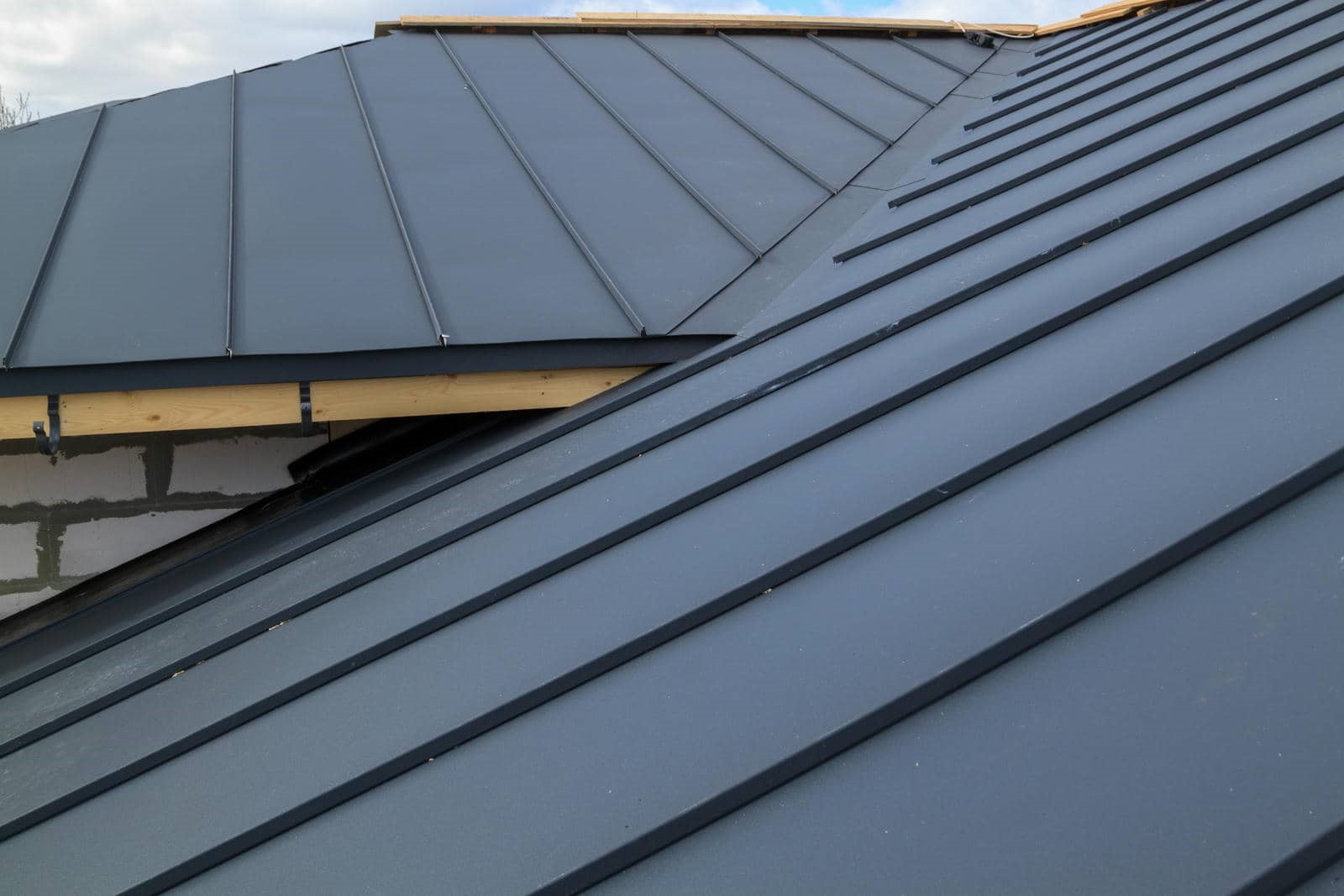
You’ll find various metal roofing styles, including standing seam, corrugated, and metal shingles, each offering unique aesthetic and functional advantages. These diverse options allow you to select a style that complements your home’s architecture while maximizing energy efficiency.
Additionally, metal roofs can last 40 years or more, which means fewer replacements and less waste over time. By opting for metal roofing, you’re not just investing in your home’s value; you’re also contributing to a greener future.
Embracing this material means you’re part of a community prioritizing sustainability and efficiency.
Cool Roofing
Although many roofing materials can contribute to energy efficiency, cool roofing specifically excels in minimizing heat absorption and enhancing indoor comfort. This innovative approach utilizes cool roofing technology, which reflects more sunlight and absorbs less heat than traditional roofing materials. By employing reflective coatings or specially designed membranes, your home can maintain a lower temperature, resulting in significant energy savings.
The cool roofing benefits extend beyond just reduced cooling costs; they also improve indoor air quality and prolong the lifespan of your roof. Additionally, you’ll help mitigate the urban heat island effect, contributing positively to your community and the environment.
With lower energy demands, you’re saving money and reducing your carbon footprint. Adopting cool roofing can foster a sense of belonging among homeowners who prioritize sustainability and energy efficiency. You’ll be joining a movement that values responsible living and community well-being.
Asphalt Shingles
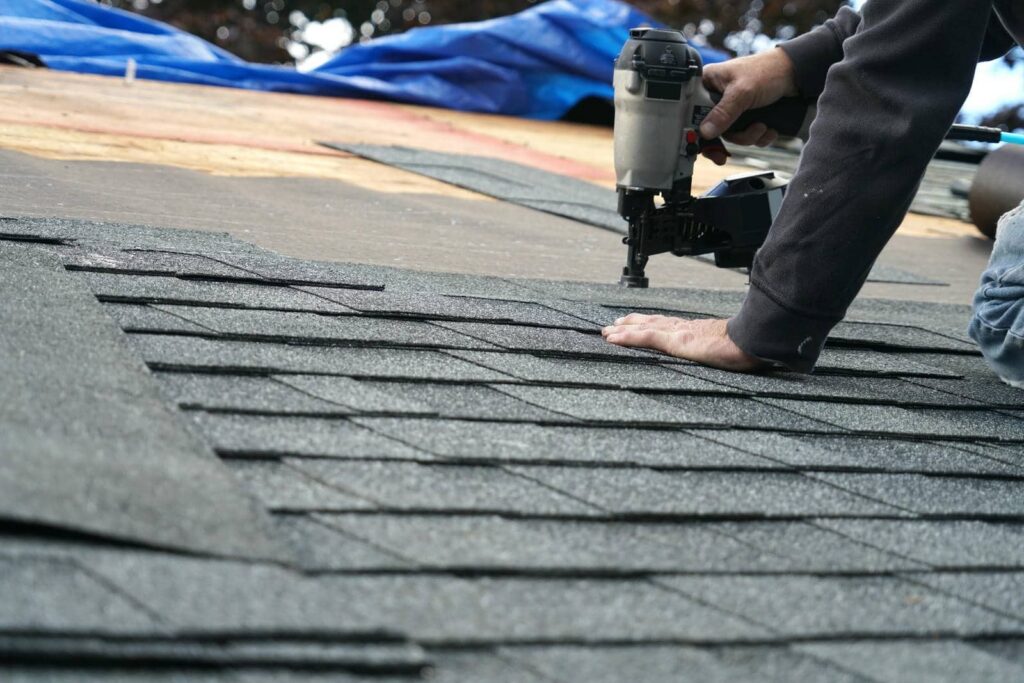
Asphalt shingles offer a range of benefits that make them a popular choice for roofing.
Their energy-efficiency features, such as reflective coatings and improved insulation, can considerably reduce heat absorption and cooling costs.
Understanding these aspects will help you assess whether asphalt shingles meet your energy-efficient roofing needs.
Benefits of Asphalt Shingles
While many roofing options exist, asphalt shingles stand out for their blend of affordability, versatility, and energy efficiency. You’ll appreciate the asphalt durability that comes with these shingles, allowing them to withstand various weather conditions without significant wear.
This longevity enhances your home’s protection and contributes to cost-effectiveness over time. When considering installation and maintenance costs, asphalt shingles typically offer a lower initial investment compared to other materials, making them an attractive choice for budget-conscious homeowners like you.
Additionally, their variety in colors and styles allows you to match your home’s aesthetic seamlessly. Overall, asphalt shingles provide a practical solution that meets both your financial and design needs, fostering a sense of community and belonging among homeowners.
Energy-Efficiency Features Explained
When you choose asphalt shingles, you’re not just opting for an affordable roofing option; you’re also investing in energy-efficient features that can greatly reduce your home’s energy consumption.
These shingles often come with high energy ratings, reflecting their ability to reflect sunlight and minimize heat absorption. This reflective capability enhances your home’s insulation materials, reducing the demand for heating and cooling systems.
By maintaining a more stable indoor temperature, you’ll notice lower energy bills and increased comfort. Additionally, many asphalt shingles are designed to work in tandem with various insulation materials, ensuring ideal energy efficiency.
Selecting the right asphalt shingles can considerably contribute to a sustainable home, aligning your choices with a community focused on energy conservation.
Clay Tiles
Clay tiles offer exceptional durability and longevity, often lasting over 50 years with minimal maintenance.
Their energy efficiency benefits include excellent thermal insulation, which can help reduce cooling costs in warmer climates.
Additionally, the wide variety of aesthetic appeal options allows you to customize your roof while enhancing your home’s overall value.
Durability and Longevity
Although many roofing materials offer varying degrees of durability, clay tiles stand out for their remarkable longevity and resistance to harsh environmental conditions.
When you choose clay tiles, you invest in a roofing solution that ensures an extended roof lifespan and exceptional material resilience.
Here’s what you can expect:
Longevity: Clay tiles can last over 100 years with proper maintenance, providing peace of mind.
Weather Resistance: They withstand extreme temperatures, heavy rain, and strong winds without significant wear.
Low Maintenance: Clay tiles require minimal upkeep, saving you time and resources over the years.
Energy Efficiency Benefits
While selecting roofing materials, energy efficiency becomes a crucial factor, and clay tiles excel in this area due to their unique thermal properties.
These tiles effectively reflect sunlight, reducing heat absorption and keeping your home cooler in summer. This leads to significant energy savings, as your air conditioning won’t have to work as hard.
Additionally, clay tiles offer excellent insulation, minimizing heat loss during winter, which enhances your home’s overall energy efficiency.
Aesthetic Appeal Options
Choosing clay tiles enhances energy efficiency while offering a variety of aesthetic options that can elevate the overall look of your home.
With their unique qualities, clay tiles can complement various architectural styles, making your home truly stand out.
Consider the following features:
Color options: Available in a wide range of hues, from earthy reds to vibrant blues, clay tiles can harmonize with your home’s exterior.
Texture choices: You can select from smooth or rough finishes, adding depth and character to your roofing.
Design versatility: Clay tiles can be arranged in different patterns, allowing you to express your personal style.
Slate Roofing
Slate roofing stands out as one of the most durable and energy-efficient options available for homeowners. Its natural composition allows for excellent thermal performance, keeping your home cooler in summer and warmer in winter.
When you consider slate installation, you’ll appreciate its longevity; with proper techniques, a slate roof can last over a century. This longevity reduces waste and lessens the need for frequent replacements.
To maintain your slate roof, regular inspections are essential. You should check for loose or cracked tiles and address any issues promptly to avoid costly repairs.
While slate maintenance might seem demanding, the effort pays off in the long run, ensuring your roof remains functional and aesthetically pleasing.
Investing in slate roofing enhances your home’s value and fosters a sense of belonging in a community that values sustainability and durability.
Green Roofs
As cities continue to expand and face the challenges of urban heat islands, green roofs emerge as an essential solution for enhancing energy efficiency and promoting biodiversity.
By integrating green roofs into your home, you improve insulation and contribute to sustainability practices that benefit the environment.
Consider these factors when adopting green roofs:
Plant Selection: Choose native and drought-resistant plants to minimize water usage and support local ecosystems.
Thermal Regulation: Green roofs naturally regulate indoor temperatures, reducing energy costs for heating and cooling.
Stormwater Management: They absorb rainwater, reducing runoff and preventing urban flooding.
Implementing a green roof isn’t just an aesthetic choice; it’s an investment in a sustainable future.
Synthetic Roofing
When considering roofing options, synthetic materials offer a range of benefits, including durability and energy efficiency.
You’ll find various types of synthetic roofing materials, each with distinct characteristics that can suit different needs.
Understanding installation and maintenance tips is essential to maximizing the lifespan and performance of your synthetic roof.
Benefits of Synthetic Roofing
While traditional roofing materials have their merits, synthetic roofing offers a range of advantages that make it an appealing choice for homeowners.
By opting for synthetic materials, you can enjoy several synthetic advantages, including:
Durability: Synthetic roofing withstands harsh weather conditions, reducing the need for frequent replacements.
Eco-Friendly Options: Many synthetic roofs are made from recycled materials, minimizing environmental impact.
Cost-Effectiveness: With lower installation and maintenance costs, synthetic roofing can be a financially smart choice over time.
These benefits contribute to a more sustainable home while providing peace of mind.
With the right synthetic roofing, you’re not just protecting your investment; you’re also aligning with a community that values energy efficiency and environmental responsibility.
Types of Synthetic Materials
Understanding the various types of synthetic materials used in roofing can greatly impact your choice and its overall effectiveness. Common synthetic materials include polyvinyl chloride (PVC), ethylene propylene diene monomer (EPDM), and thermoplastic polyolefin (TPO).
Each of these options offers unique benefits—like durability, weather resistance, and low maintenance.
For eco-friendly options, consider reclaimed rubber or recycled plastics, which minimize environmental impact while providing robust protection.
Additionally, many synthetic roofing materials are designed for energy efficiency, reflecting sunlight and reducing heat absorption. This can lead to significant savings on cooling costs.
Installation and Maintenance Tips
To ensure the longevity and performance of synthetic roofing materials, proper installation and regular maintenance are essential.
Adhering to recommended installation techniques ensures that your roof can withstand various weather conditions and last for years.
For peak performance, consider the following maintenance frequency:
- Inspect annually for signs of wear or damage.
- Clean debris from the roof and gutters biannually to prevent water buildup.
- Replace damaged sections promptly to maintain structural integrity.
TPO (Thermoplastic Olefin)
TPO (Thermoplastic Olefin) roofing has gained popularity as a cost-effective and energy-efficient option for commercial buildings. You’ll appreciate the numerous TPO advantages, including excellent UV resistance, which helps reflect sunlight and reduce cooling costs.
Its white surface can greatly lower roof temperatures, enhancing overall energy efficiency, making it a smart choice for your budget and the environment.
When considering TPO installation, you’ll find it straightforward, thanks to its lightweight and flexible nature. This allows for quick application, minimizing labor costs and downtime for your building.
Additionally, TPO is highly resistant to punctures and tears, ensuring a durable roof that can withstand various weather conditions.
Choosing TPO means you’re investing in a roofing solution that meets your financial needs and contributes to a sustainable future.
With its growing popularity, you’ll be part of a community prioritizing energy efficiency and environmental responsibility.
EPDM (Ethylene Propylene Diene Monomer)
As you explore energy-efficient roofing options, EPDM (Ethylene Propylene Diene Monomer) stands out for its durability and performance. This synthetic rubber roofing membrane offers several key advantages, making it a popular choice for flat and low-slope roofs.
Longevity: EPDM systems can last over 30 years with proper maintenance.
Energy Efficiency: Its reflective surface helps reduce heat absorption, lowering cooling costs.
Ease of Installation: EPDM installation is straightforward, often requiring minimal labor and time.
When considering EPDM, you’ll find that its advantages extend beyond just longevity. It’s resistant to UV radiation, ozone, and extreme weather conditions, ensuring your roof remains intact.
Additionally, its lightweight nature simplifies the installation process, making it an appealing option for many homeowners. By choosing EPDM, you’re investing in a reliable solution that contributes to a sustainable living environment.
Wood Shingles and Shakes
Wood shingles and shakes offer a visually appealing and sustainable roofing solution, combining natural aesthetics with energy efficiency. These materials, often made from cedar or pine, have excellent insulating properties, reducing your home’s energy consumption.
However, you should consider wood maintenance, as regular upkeep is essential to prolong their lifespan. This includes treatments to prevent rot, pests, and weather damage.
The environmental impact of using wood shingles and shakes is significant. Sourced from renewable forests, they embody sustainability when harvested responsibly.
By choosing this option, you’re not just enhancing your home’s beauty; you’re also supporting eco-friendly practices.
Moreover, wood shingles and shakes can improve your home’s energy efficiency by regulating temperature fluctuations, which can lower your heating and cooling costs.
Embracing this roofing material fosters a sense of belonging to a community that values both aesthetics and sustainability and contributes to a greener planet.
Frequently Asked Questions
How Do I Choose the Best Roofing Material for My Climate?
To choose the best roofing material for your climate, consider climate considerations and material suitability. Evaluate durability, insulation properties, and local weather patterns to ensure your roof performs efficiently and withstands environmental conditions effectively.
What Is the Lifespan of Energy-Efficient Roofing Materials?
Energy-efficient roofing materials typically last between 20 to 50 years, depending on their durability. While some may worry about cost, the long lifespan comparison often justifies the investment, ensuring you save more over time.
Are Energy-Efficient Roofs More Expensive Upfront?
Yes, energy-efficient roofs typically have higher upfront costs, but they offer significant long-term savings through reduced energy bills and increased home value. Investing now can lead to financial benefits that outweigh initial expenses.
Can I Install Energy-Efficient Roofing Over My Existing Roof?
Yes, you can install energy-efficient roofing over your existing roof. For instance, many homeowners choose this method, reducing waste and cost. Just verify your current structure supports the new materials during roof installation.
How Do Energy-Efficient Roofs Affect Home Resale Value?
Energy-efficient roofs can greatly boost your home value, offering resale benefits that attract eco-conscious buyers. They lower energy costs and enhance comfort, making your property more appealing in a competitive market, increasing potential offers.
Summary
Choosing the right energy-efficient roofing material is like selecting the foundation of a sustainable home; it sets the stage for long-term savings and environmental impact. Each option, from metal roofing to green roofs, offers unique benefits that cater to different needs and preferences. By investing in these materials, you’re not just enhancing your home’s efficiency but also contributing to a greener future. Ultimately, the right roof can be your home’s shield against rising energy costs and climate change.