
When it comes to flat roof leaks, understanding the top causes of leaks is essential for effective maintenance. You might not realize that poor installation practices can set the stage for future issues, or that weather damage can quickly compromise even the best materials. Accumulation of debris and aging components can also play significant roles in leak formation. As we explore these factors, you’ll uncover key insights that could save you time and money down the line.
Key Takeaways
- Poor installation practices, such as improper techniques and subpar materials, can significantly compromise flat roof integrity and lead to leaks.
- Damage from weather elements like heavy rainfall and snow accumulation can cause standing water, increasing the risk of leaks and structural damage.
- Aging roofing materials are more susceptible to wear, with signs like cracks and blisters indicating potential leak sources that require attention.
- Accumulation of debris can block drainage systems, leading to water pooling and fostering organic growth, which further increases leak risks.
- Regular maintenance and professional inspections are crucial in identifying issues early, ensuring efficient drainage, and extending the roof’s lifespan.
Poor Installation Practices
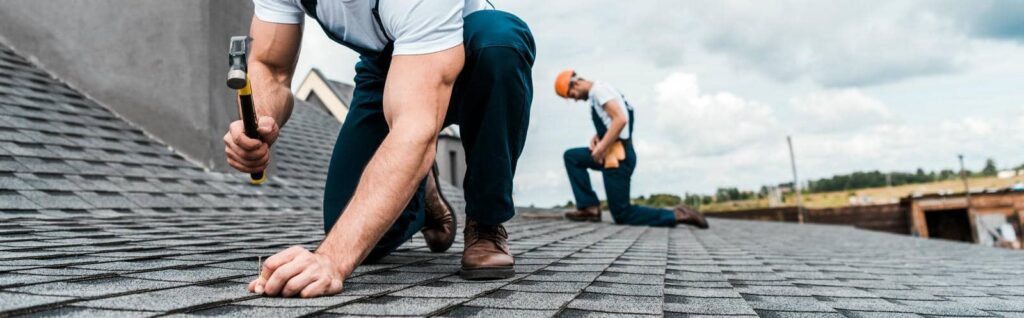
Poor installation practices can lead to considerable issues with flat roofs, creating vulnerabilities that often result in leaks. When you choose improper installation techniques, you risk compromising the integrity of your roofing system.
For instance, failing to verify proper drainage can cause water to pool, increasing the likelihood of leaks. Using subpar materials during installation can further exacerbate these problems, as lower-quality materials may not withstand environmental stressors.
It’s crucial to adhere to best practices and utilize quality materials when installing flat roofs. Confirm that your roofing contractor is experienced and follows industry standards.
They should thoroughly prepare the substrate and apply sufficient adhesive, ensuring a secure bond. Additionally, proper flashing installation is essential to prevent water intrusion at seams and penetrations.
Damage From Weather Elements
When you think about flat roof leaks, consider the impact of heavy rainfall and snow accumulation.
These weather elements can overwhelm the flat surface, leading to standing water and increased stress on roofing materials.
Over time, this can cause material degradation, resulting in leaks and costly repairs.
Heavy Rainfall Impact
Although heavy rainfall is a natural occurrence, its impact on flat roofs can be severe, often leading to significant structural damage and leaks.
When you experience downpours, rainwater pooling becomes a critical concern. Flat roofs lack the pitch of sloped roofs, making it easier for water to accumulate. Without effective stormwater management, excess water can infiltrate seams, flashings, and penetrations, compromising the membrane’s integrity.
This pooling can accelerate wear and tear, leading to costly repairs. You need to ensure your drainage systems are clear and functioning properly to prevent these issues.
Regular inspections and maintenance are essential to protect your investment and maintain the roof’s longevity against the relentless forces of nature.
Snow and Ice Accumulation
Heavy rainfall isn’t the only weather element that can jeopardize flat roofs; snow and ice accumulation pose significant risks as well.
When snow builds up, the snow load can exceed the roof’s structural capacity, leading to potential sagging or even collapse. Additionally, as temperatures fluctuate, melting snow can refreeze, creating ice dams along roof edges.
These ice dams prevent proper drainage, causing water to pool and eventually seep into roofing materials, resulting in leaks. Regularly clearing snow and ensuring proper insulation can help mitigate these risks.
Being proactive about snow and ice management on your flat roof can save you time and money in costly repairs, protecting your investment and keeping your home safe and dry.
Accumulation of Debris
Accumulation of debris on your flat roof can lead to serious issues, primarily by blocking drainage systems.
When water can’t flow freely, it can pool, increasing the risk of leaks.
Additionally, organic material growth, such as moss or algae, can compromise the roof’s integrity and worsen drainage problems.
Blocked Drainage Systems
When debris builds up in drainage systems on flat roofs, it can create significant problems that lead to leaks. Regular drainage maintenance is essential for ensuring water flows freely. To prevent clogs, consider the following:
| Maintenance Tip | Purpose |
|---|---|
| Clear debris regularly | Prevents water accumulation |
| Inspect drainage systems | Identifies potential blockages |
| Install guards or screens | Reduces debris entry |
| Schedule seasonal checks | Assures consistent clog prevention |
Organic Material Growth
Blocked drainage systems often lead to standing water, which creates an ideal environment for organic material growth.
This stagnant water can foster various issues, including mold growth and algae infestation.
To reduce these risks, you should regularly inspect and maintain your flat roof.
Here are three key actions to take:
Clear Debris: Remove leaves, dirt, and other organic materials that accumulate on the roof surface.
Check Drainage: Verify that drainage systems are free of blockages to promote proper water flow.
Regular Inspections: Schedule professional inspections to identify early signs of mold or algae, ensuring timely intervention.
Age and Wear of Roofing Material
As roofing materials age, they inevitably become more susceptible to wear and tear, which can lead to leaks if not addressed promptly.
The roofing lifespan varies considerably depending on the type of material used. For instance, traditional asphalt membranes might last around 15-20 years, while more durable options like TPO or EPDM can extend that lifespan to 30 years or more.
As these materials age, their durability decreases, making them vulnerable to environmental factors like UV rays, water pooling, and temperature fluctuations. You may notice cracks, blisters, or punctures that can easily escalate into leaks if ignored.
It’s essential to conduct regular inspections and maintenance to identify signs of aging early. Investing in high-quality materials initially can enhance the overall durability of your roof, reducing the risk of leaks and prolonging its effective lifespan.
Taking proactive steps now can save you considerable costs down the line.
Flashing Failures
Although flashing is often overlooked, its failure can lead to significant leaks in flat roofs. Properly installed flashing materials are vital for directing water away from vulnerable areas, like joints and seams. When flashing fails, it can cause costly damage.
Here are three common causes of flashing failures:
Deterioration: Over time, weather exposure can degrade flashing materials, making them less effective in sealing joints.
Improper Installation: If flashing isn’t installed correctly, it can create gaps that allow water infiltration.
Lack of Maintenance: Regular flashing maintenance is essential; neglecting it can lead to unnoticed damage and leaks.
To prevent issues, regularly inspect your flashing and address any signs of wear or damage.
Keeping up with flashing maintenance extends the life of your roof and enhances its overall performance, ensuring you stay dry and secure.
Ponding Water Issues
Ponding water is one of the most common issues you can encounter with flat roofs, and it can lead to severe damage if not addressed promptly.
When water accumulates on the surface instead of draining away, it creates excessive weight and can compromise the roofing materials. To combat this, focus on ponding water prevention through regular inspections and maintenance.
Ensure your drainage system functions properly by clearing debris from gutters and downspouts.
Check the pitch of your roof; even a slight slope can greatly improve water flow. If you notice persistent ponding, consider installing additional drains or modifying your existing drainage system.
Cracks and Punctures
Water accumulation isn’t the only threat to flat roofs; cracks and punctures can lead to significant problems as well.
These issues can compromise the integrity of your roof, resulting in leaks and costly repairs if left unaddressed.
Here are three key points to evaluate for effective crack prevention and puncture repair:
Regular Inspections: Conduct routine checks to identify and address cracks or punctures early on, preventing further damage.
Quality Materials: Use high-quality roofing materials that can withstand wear and tear, reducing the likelihood of cracks developing.
Professional Repairs: If you find cracks or punctures, think about hiring a professional for prompt and effective repair, ensuring long-term protection.
Improper Drainage Systems
When flat roofs don’t have an effective drainage system, you risk serious issues that can lead to leaks and structural damage.
A well-planned drainage design is vital for directing water away from your roof, preventing ponding and excessive weight that can compromise the integrity of the structure.
Regular maintenance schedules are important; they ensure that drains, gutters, and downspouts are clear of debris, allowing for proper water flow.
Neglecting these systems may result in blocked drainage, which can cause water to pool and seep into roofing materials, leading to deterioration over time.
You should routinely inspect your drainage setup and make necessary adjustments.
Consider consulting with roofing professionals to assess your system’s efficiency and explore upgrades if needed.
Frequently Asked Questions
How Can I Prevent Flat Roof Leaks During Heavy Rain?
To prevent flat roof leaks during heavy rain, install effective drainage solutions and apply waterproof coatings. Regular maintenance helps, too—check for clogs and ensure coatings are intact to bolster your roof’s resilience against water intrusion.
What Signs Indicate a Potential Leak in My Flat Roof?
You should watch for water stains on your ceiling and any bubbling or sagging areas. These signs often signal underlying issues, suggesting potential damage that could escalate if not addressed promptly. Stay vigilant and proactive.
How Often Should I Inspect My Flat Roof for Issues?
You should inspect your flat roof at least twice a year as part of your flat roof maintenance. Establishing an inspection schedule helps catch issues early, preventing costly repairs and ensuring your roof’s longevity.
Can I Repair Flat Roof Leaks Myself?
Yes, you can handle DIY repairs on your flat roof. Just ensure you properly assess the damage, gather the right materials, and follow safety protocols. Regular flat roof maintenance will help prevent future leaks and costly repairs.
What Materials Are Best for Flat Roof Repairs?
The best repair materials for flat roof types include EPDM rubber, TPO, and modified bitumen. These materials offer durability and weather resistance, ensuring long-lasting repairs. Choose based on your roof’s specific requirements for ideal results.
Review
Flat roof leaks can make your home feel like a sinking ship in a stormy sea! By addressing poor installation, weather damage, debris accumulation, and more, you can transform your roof from a leaky disaster to a fortress against the elements. Regular maintenance and timely inspections are your trusty shields, preventing minor issues from ballooning into gaping chasms of trouble. Don’t let leaks rain on your parade—take action now to safeguard your flat roof!