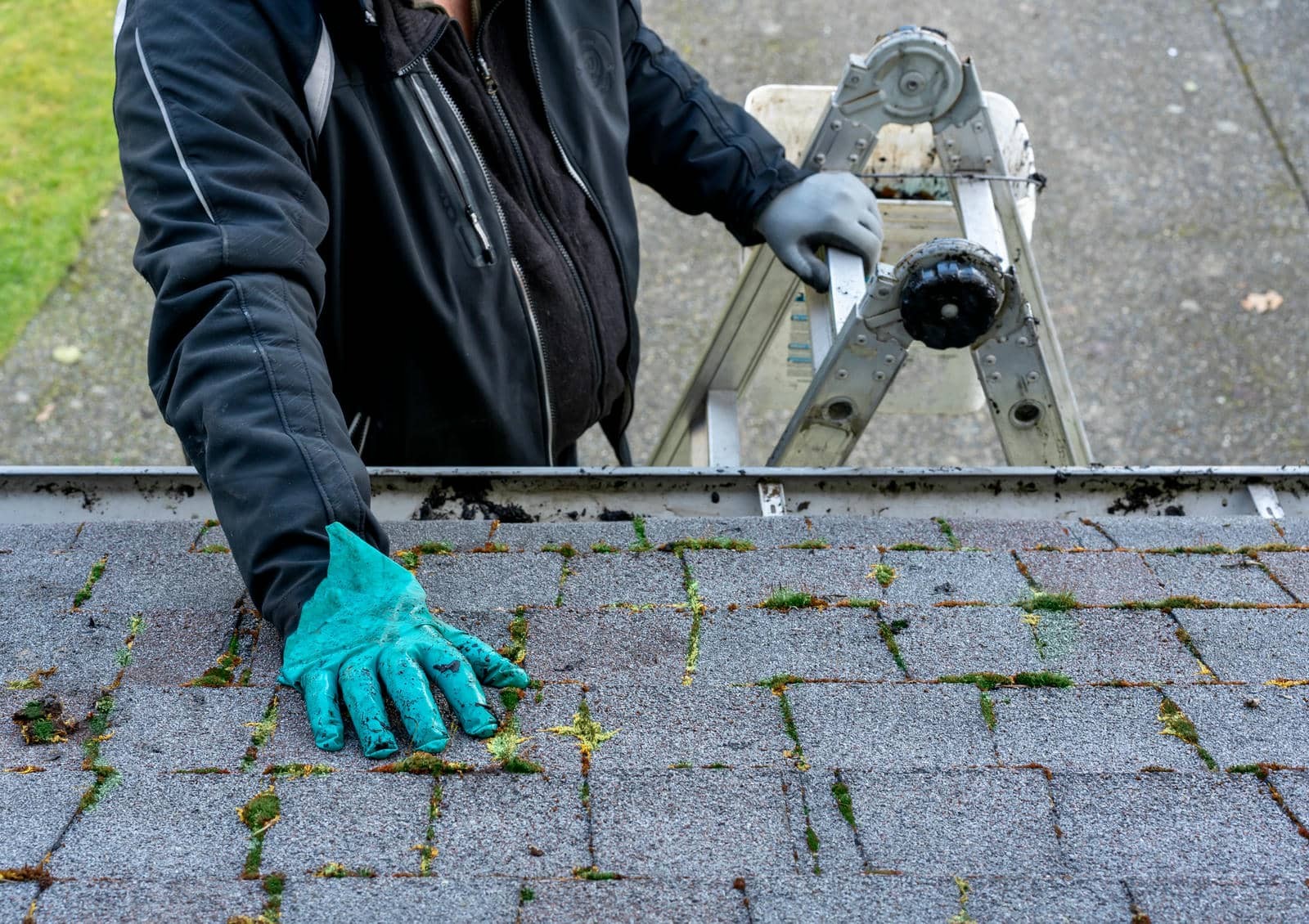
When it comes to selecting roofing materials that ensure longevity, it’s essential to weigh the options carefully. Asphalt shingles might be budget-friendly, but their lifespan pales compared to metal roofing, which can last decades longer. Slate tiles offer unmatched durability, but require a different investment. Each material has its strengths and weaknesses, impacting not just longevity but maintenance and aesthetics as well. Understanding these factors can guide your decision in choosing the best for your needs.
Key Takeaways
- Metal Roofing: Offers exceptional durability and energy efficiency with a lifespan of 40-70 years, resistant to extreme weather conditions.
- Slate Tiles: Provide a unique aesthetic and longevity exceeding 100 years, with excellent weather resistance and minimal maintenance needs.
- Clay and Concrete Tiles: Highly durable, these materials resist fading and moisture, making them ideal for various climates with long-lasting performance.
- Synthetic Roofing Materials: Mimic traditional styles while offering durability, versatility, and reduced maintenance, often made from recycled content for sustainability.
- Asphalt Shingles: A popular choice with a lifespan of 15-30 years, balancing cost, durability, and ease of installation for homeowners.
Asphalt Shingles
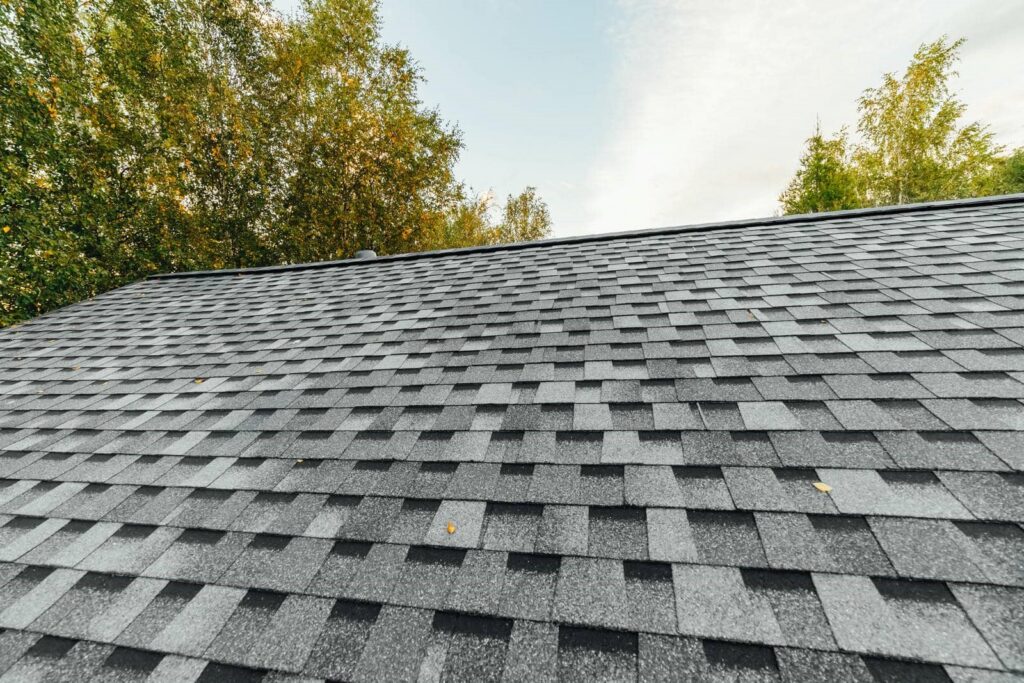
As you consider roofing options, asphalt shingles stand out as one of the most popular choices due to their balance of cost, durability, and ease of installation.
Typically, the asphalt shingle lifespan ranges from 15 to 30 years, depending on the quality and local climate conditions. This longevity makes them a reliable investment for homeowners seeking both functionality and aesthetics.
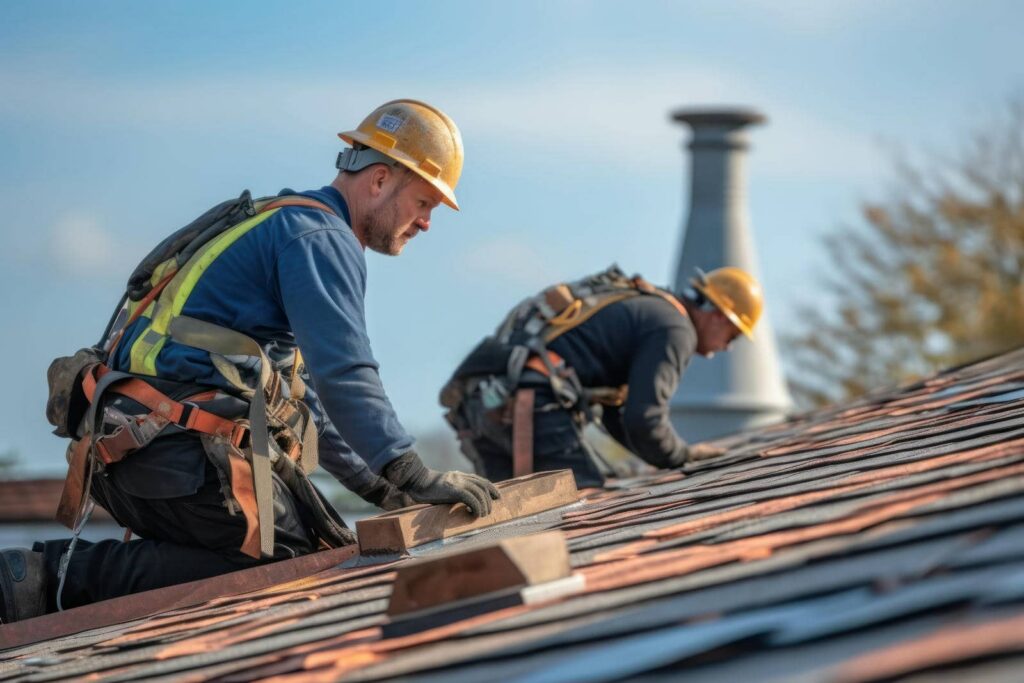
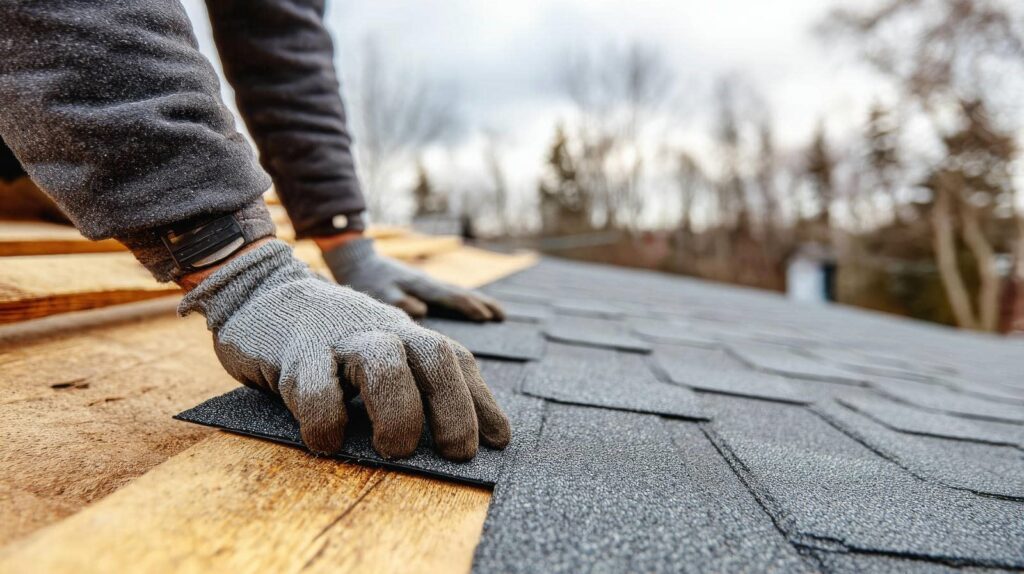
When it comes to asphalt shingle installation, the process is relatively straightforward, allowing skilled DIYers to tackle it themselves or hire professionals for a quicker job.
The shingles come in various styles and colors, enabling you to customize your home’s appearance while maintaining a sense of community with similar homes in your area.
Metal Roofing
Metal roofing has gained considerable popularity among homeowners due to its exceptional durability and energy efficiency. One of the key metal roofing benefits is its lifespan; you can expect it to last 40-70 years with minimal maintenance.
Additionally, metal roofs reflect solar heat, which can greatly lower your energy bills.
When considering metal roofing styles, you’ll find options such as standing seam, corrugated panels, and metal shingles, allowing you to choose a design that complements your home’s aesthetic. This versatility is another reason many homeowners are making the switch.
You’ll also appreciate that metal roofing is resistant to extreme weather conditions, including high winds and heavy snow. It’s fire-resistant too, adding an extra layer of safety.
Slate Tiles
Slate tiles offer a unique blend of natural aesthetic appeal and exceptional durability, making them a top choice for roofing.
You’ll find that their longevity can greatly reduce long-term maintenance costs, but proper installation is essential to maximize their benefits.
In this section, we’ll explore key factors to take into account when choosing slate tiles, along with essential installation and maintenance tips.
Natural Aesthetic Appeal
When you consider roofing options that blend durability with visual appeal, slate tiles stand out for their natural aesthetic.
Their unique natural color variations—from rich grays to deep greens—ensure that your roof enhances your home’s overall charm. You’ll appreciate the diverse texture options available, which can range from smooth finishes to rougher, more rustic looks.
This versatility allows you to customize your roof to match your architectural style, creating a sense of belonging in your neighborhood. Additionally, slate’s inherent elegance adds a timeless quality to your property, increasing its market value.
Exceptional Durability Factors
One of the standout features of slate tiles is their impressive durability, which often exceeds 100 years with proper maintenance.
This longevity sets slate apart in lifespan comparison to other roofing materials like asphalt shingles, which typically last only 15-30 years.
Slate’s natural composition provides exceptional weather resistance, allowing it to withstand harsh elements such as heavy rain, snow, and extreme temperatures without deteriorating.
Additionally, its non-porous nature prevents water absorption, reducing the risk of mold and mildew.
By choosing slate, you’re investing in a roofing solution that enhances your property’s aesthetic and offers peace of mind with its long-lasting performance.
In an era where durability matters, slate tiles embody reliability and strength, fostering a sense of belonging to a community that values quality.
Installation and Maintenance Tips
Choosing slate tiles for your roofing project means you need to be aware of proper installation and maintenance practices to maximize their lifespan and performance.
Begin with precise installation techniques; verify your framework can support the weight, and use appropriate underlayment to prevent moisture infiltration. Properly aligning the tiles will also enhance durability and aesthetics.
Next, establish a maintenance schedule that includes regular inspections for cracks or shifting tiles. Cleaning the roof annually will remove debris and prevent moss growth, which can compromise integrity.
Address any issues immediately to avoid costly repairs. By following these guidelines, you’ll preserve the beauty of your slate roof and contribute to a sustainable, long-lasting investment for your home.
Clay and Concrete Tiles
Clay and concrete tiles represent two of the most durable roofing materials available, offering longevity and aesthetic appeal.
When you choose clay tiles, you benefit from their natural resistance to fading, moisture, and fire, making them ideal for various climates. Their ability to reflect sunlight can also help reduce cooling costs, enhancing energy efficiency.
On the other hand, concrete tiles provide excellent durability and can withstand extreme weather conditions. The concrete’s inherent strength offers advantages regarding longevity, making it less prone to cracking or damage over time.
Both options come in a variety of styles and colors, allowing you to maintain your home’s unique character.
When considering clay and concrete tiles, you’ll find that their initial investment pays off in reduced maintenance and replacement costs.
Ultimately, both materials ensure that your roof remains a lasting and beautiful element of your home for decades to come.
Wood Shakes and Shingles
While wood shakes and shingles might require more maintenance than some other roofing materials, they offer a unique combination of beauty and insulation that many homeowners find appealing. You’ll appreciate the natural aesthetics and energy efficiency they bring to your home.
| Wood Shake Advantages | Shake Maintenance Tips | Lifespan |
|---|---|---|
| Excellent insulation | Clean debris regularly | 30-50 years |
| Eco-friendly material | Inspect for rot or damage | Varies by wood type |
| Adds curb appeal | Apply protective sealants |
Choosing wood shakes means investing in a roof that enhances your home’s charm. To enjoy the benefits, follow shake maintenance tips like regular inspections and cleaning. By doing so, you’ll preserve the wood’s integrity and ensure long-lasting durability, making your home a standout in the neighborhood.
Synthetic Roofing Materials
When considering roofing options, you’ll find that synthetic materials offer a range of benefits, including durability and versatility.
These products can mimic the appearance of traditional materials while providing enhanced performance characteristics.
Popular options like synthetic slate and rubber shingles are gaining traction for their long lifespan and reduced maintenance needs.
Benefits of Synthetic Materials
Synthetic roofing materials offer a range of advantages that make them an increasingly popular choice among homeowners and builders alike.
One key benefit is their cost-effectiveness; they often require less maintenance and have longer lifespans than traditional materials. This reduces long-term expenses considerably.
Additionally, synthetic options are designed to mimic the appearance of natural materials while minimizing environmental impact. Many are made from recycled content, contributing to sustainability efforts and lowering your ecological footprint.
Their lightweight nature also simplifies installation, reducing labor costs.
Popular Synthetic Options
As homeowners explore their roofing options, several popular synthetic materials stand out for their performance and aesthetic appeal.
Synthetic slate and composite shingles are two notable choices, offering impressive durability and a variety of styles. These materials boast synthetic advantages like resistance to harsh weather, mold, and insects, ensuring your roof remains intact for years to come.
Additionally, synthetic options often mimic the look of traditional materials, allowing you to maintain your home’s character without sacrificing functionality.
When considering long-lasting solutions, these roofing materials provide excellent value, reducing maintenance costs over time.
Frequently Asked Questions
How Do I Choose the Right Roofing Material for My Climate?
To choose the right roofing material for your climate, consider roofing styles that suit local weather conditions. Evaluate climate considerations like temperature extremes and precipitation, ensuring durability and energy efficiency for your specific environment.
What Is the Average Lifespan of Each Roofing Material?
Metal roofing typically lasts 40-70 years, while asphalt shingles average 15-30 years. Understanding these lifespans helps you make informed decisions about your roof, ensuring you choose materials that suit your needs and climate effectively.
Are There Eco-Friendly Roofing Options Available?
Yes, you can choose eco-friendly roofing options like green roofing systems or sustainable materials such as recycled shingles and metal. These choices reduce environmental impact while enhancing your home’s energy efficiency and aesthetic appeal.
Can I Install a New Roof Over an Existing One?
Absolutely, you can install a new roof over an existing one, but check local roofing regulations first. Proper installation methods are essential to avoid issues like leaks or structural damage down the line.
How Much Maintenance Do Different Roofing Materials Require?
Different roofing materials require varying levels of maintenance; for instance, asphalt shingles need regular inspections, while metal roofs offer greater durability and less upkeep. Prioritizing material durability can minimize your overall roofing maintenance efforts.
Summary
In choosing roofing materials, remember that your roof is like the crown of your home—choose wisely for long-lasting durability. While asphalt shingles may be a quick fix, metal roofing and slate tiles are akin to investing in a timeless crown jewel, promising decades of protection and elegance. With options like clay and concrete tiles, you’re not just selecting a roof; you’re making a statement about resilience and style. Prioritize longevity, and your home will thank you for years to come.