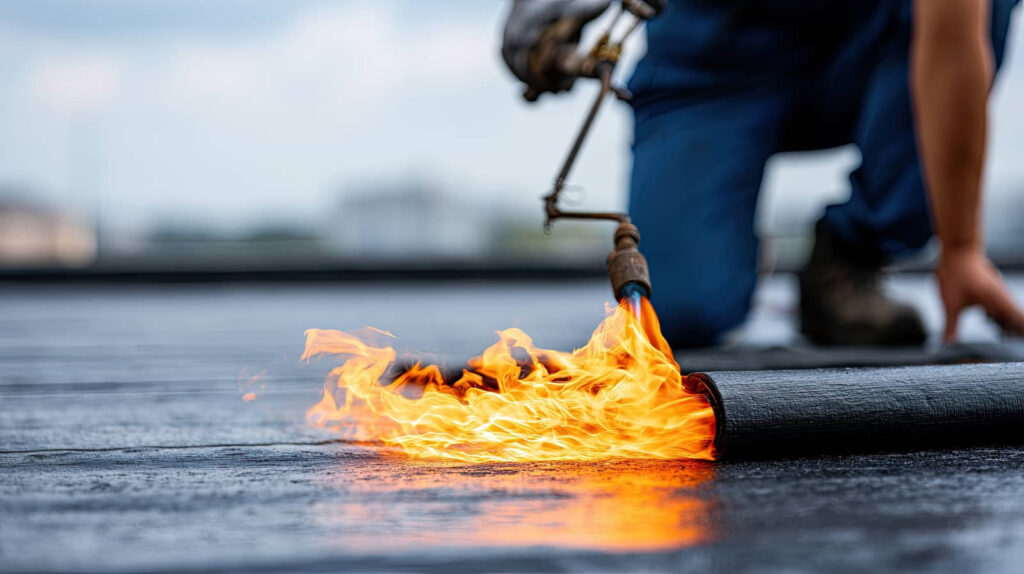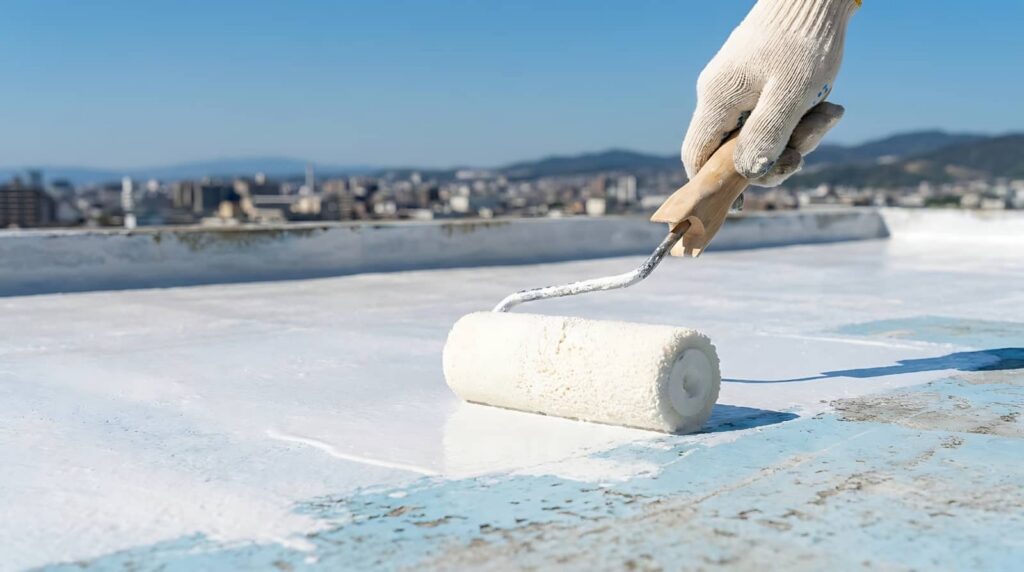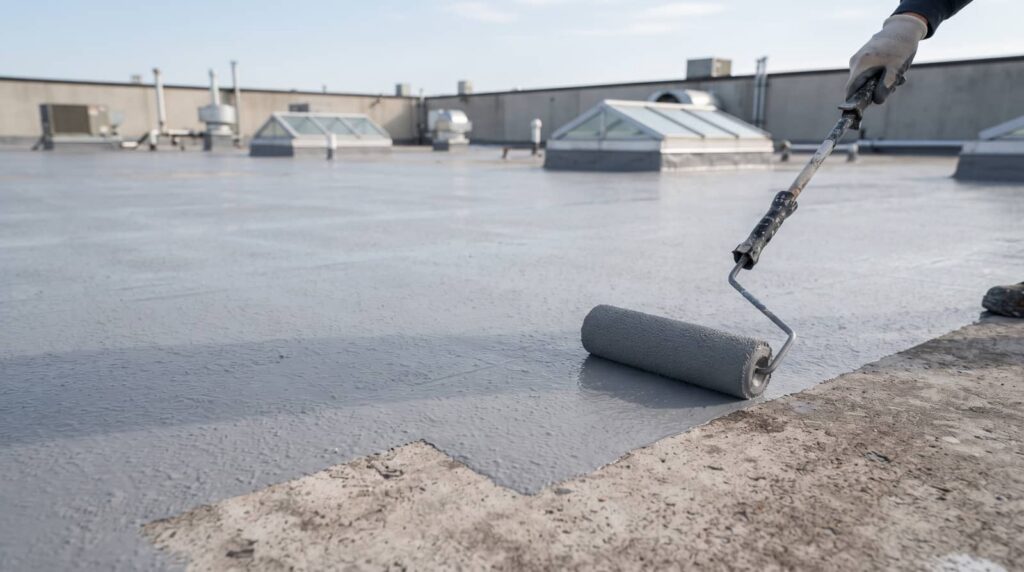
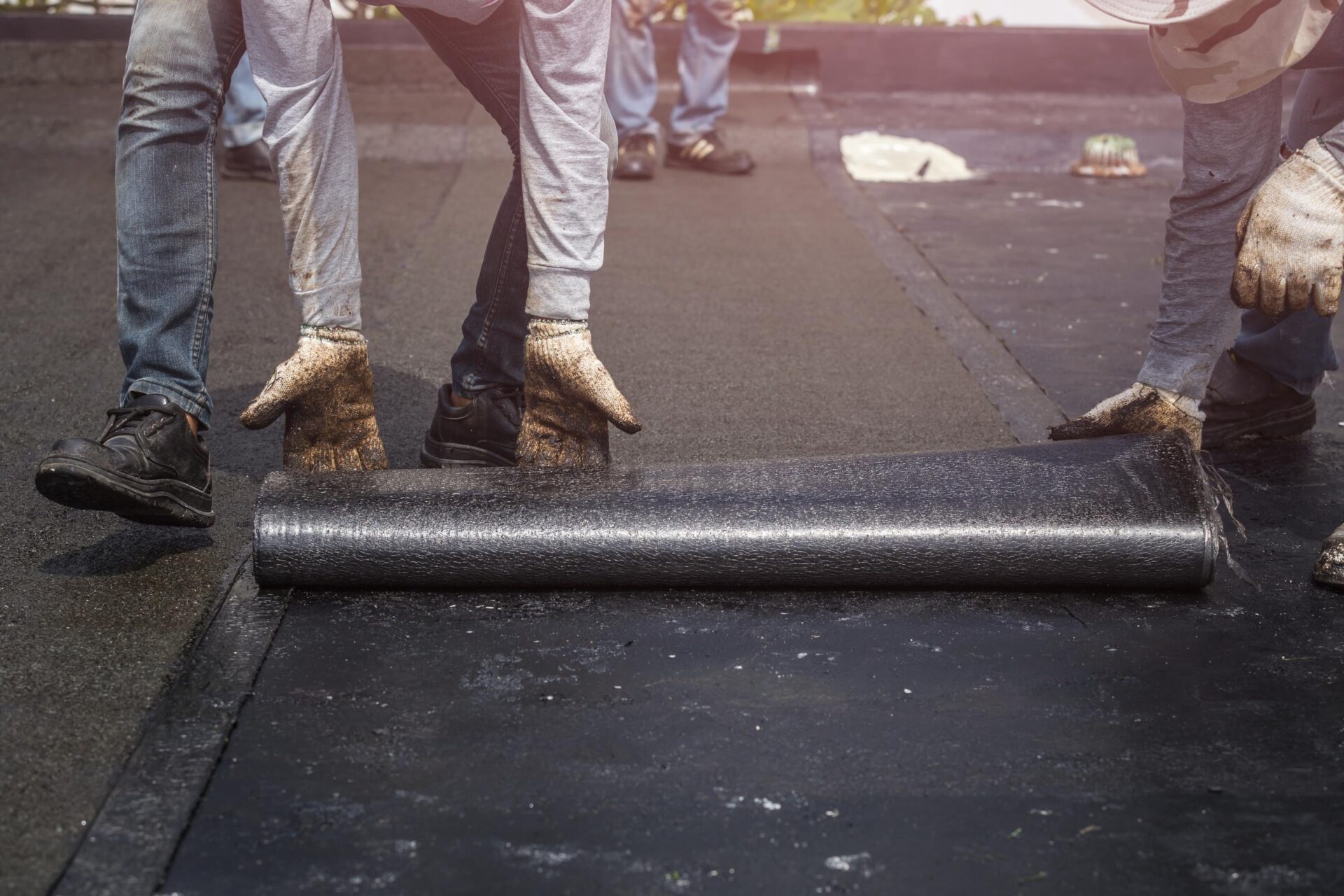
To ensure a successful flat roof replacement, you need to implement strategic techniques. From evaluating the current condition to selecting the right materials, each step is critical. Let’s explore the essential methods that can help ensure your flat roof stands the test of time.
Key Takeaways
- Conduct a thorough roof inspection to identify existing damage and assess the overall condition before replacement begins.
- Choose high-quality materials like TPO, EPDM, or PVC that suit your climate and budget for long-lasting results.
- Ensure proper site preparation by removing debris and repairing any structural issues to create a solid foundation for the new roof.
- Hire experienced, licensed contractors to ensure compliance with building codes and successful installation practices.
- Schedule routine inspections and maintenance post-installation to prevent minor issues from developing into major problems.
Assessing Your Current Roof Condition
Before you can replace your flat roof, you need to thoroughly evaluate its current condition. Start with a current roof inspection, looking for visible signs of damage such as cracks, blisters, or pooling water.
Check the seams and flashings for integrity; these areas often fail first. Next, conduct a roofing material analysis. Determine the type of material used—whether it’s EPDM, TPO, or modified bitumen—and review its lifespan and performance.
Look for any signs of deterioration, like curling edges or excessive granule loss, which can indicate that replacement is necessary. Don’t forget to inspect the underlying structure for moisture damage or rot, as this can complicate your replacement efforts.
Document your findings clearly; this will help you make informed decisions later in the process. By thoroughly evaluating your flat roof now, you can ensure a smoother transition to a new roofing system that meets your needs.
Choosing the Right Materials for Your Flat Roof
How can you ensure your new flat roof withstands the test of time? Choosing the right materials is essential. You’ll encounter various material types, including TPO, EPDM, and PVC, each offering unique benefits.
TPO is energy-efficient and affordable, while EPDM is renowned for its durability and weather resistance. PVC, on the other hand, provides superior protection against punctures and chemicals.
Don’t forget about insulation options, as they play an important role in energy efficiency. Rigid foam boards or spray foam insulation can enhance thermal performance, keeping your space comfortable year-round.
When selecting materials, consider your local climate, budget, and long-term maintenance requirements.
Properly Preparing the Installation Area
Ensuring a successful flat roof installation hinges on the proper preparation of the area. Start with effective site preparation, which includes a thorough inspection of the existing roof structure. You’ll need to check for any signs of rot or damage that could compromise the new installation.
Next, focus on debris removal. Clear away any old roofing materials, dirt, and other obstacles. This ensures a clean surface for the new roofing system and enhances adhesion.
Here’s a quick checklist for site preparation:
| Task | Importance |
|---|---|
| Inspect existing roof | Identify potential issues |
| Remove debris | Ensure a clean installation area |
| Repair structural damage | Enhance the longevity of a new roof |
Taking these steps will set the foundation for a successful flat roof installation, so don’t rush this vital phase. Your future roof’s performance depends on it!
Ensuring Effective Drainage Solutions
What steps can you take to ensure effective drainage on your flat roof?
First, evaluate your existing drainage systems. Ascertain they’re adequately sized to handle expected water runoff. You might consider installing internal drains, which can efficiently channel water to downspouts and away from your roof.
Next, create a slight slope—ideally between 1% and 2%—towards your drainage points. This will promote natural water runoff, reducing the risk of standing water.
Additionally, inspect and maintain these systems regularly to prevent clogs from debris or sediment buildup.
Finally, consider using tapered insulation boards to enhance drainage. These can help direct water toward your drains while providing necessary insulation.
Implementing Quality Insulation Techniques
Effective drainage protects your flat roof from water damage and sets the stage for implementing quality insulation techniques.
Start by choosing the right insulation types, like rigid foam or spray foam, which can greatly enhance energy efficiency. Rigid foam boards are great for their high R-value per inch, while spray foam conforms to your roof’s shape, minimizing air leaks.
When installing insulation, confirm it’s placed evenly and securely to avoid gaps that can lead to heat loss. Remember to install a vapor barrier if your climate requires it, as this helps prevent moisture buildup in the insulation.
Finally, consider using reflective insulation materials, especially in warmer climates, to further improve energy efficiency by reflecting heat away.
Utilizing Professional Installation Services
When replacing a flat roof, choosing experienced contractors is essential for ensuring quality work.
You’ll want to verify that they’ve the proper licensing and insurance coverage to protect your investment.
Additionally, a reputable contractor should offer a warranty that safeguards against future issues, providing you peace of mind.
Choosing Experienced Contractors
While you might be tempted to cut costs by opting for a less experienced contractor, choosing skilled professionals for your flat roof replacement is essential for ensuring long-lasting results.
Look for contractors with solid qualifications, such as relevant licenses, insurance, and a proven track record. Experienced contractors understand various roofing materials and installation techniques, which can greatly impact the durability of your roof.
They’ll also provide realistic project timelines, ensuring your replacement stays on track and minimizes disruption. By investing in qualified contractors, you’re protecting your roof and enhancing your home’s value and safeguarding your investment.
Importance of Proper Licensing
Ever wondered why proper licensing is essential for your flat roof replacement? When you hire a contractor, ensuring they’re licensed means they adhere to local licensing regulations and legal compliance.
This isn’t just a formality; it signifies that the contractor has undergone the necessary training and understands building codes specific to your area.
By choosing a licensed professional, you minimize risks associated with improper installations, like leaks or structural failures, which can lead to costly repairs down the line.
Plus, working with a licensed contractor often means access to better materials and techniques, ensuring your project’s longevity.
Investing in a licensed professional isn’t just smart; it’s a step towards a secure and durable flat roof.
Warranty and Insurance Coverage
Choosing a professional installation service for your flat roof replacement often comes with significant benefits, particularly regarding warranty and insurance coverage. When you hire experts, you gain access to various warranty options that can protect your investment. These warranties typically cover defects in materials and workmanship, giving you peace of mind.
Furthermore, professionals know how to document the installation process properly, which is essential for future insurance claims. In case of damages, having a professional handle your roof means you’re more likely to have your claims processed smoothly.
Conducting Thorough Inspections Post-Installation
After completing a flat roof replacement, conducting thorough inspections is essential to confirm the integrity and longevity of the new installation.
Start by creating a detailed post-installation checklist to make certain no detail is overlooked. Check for proper sealing around flashing, vents, and seams, as these areas are prone to leaks. Assess the roofing material for any visible defects, such as bubbles or tears.
Establish an inspection frequency that suits your environment—consider quarterly checks or after severe weather events. This proactive approach will help you identify potential issues early, preventing costly repairs down the line.
Don’t forget to inspect drainage systems to ensure water flows correctly, avoiding ponding that could compromise your roof’s structure.
Maintaining Your Flat Roof for Longevity
To ensure your flat roof lasts, it is essential to prioritize regular inspections and maintenance.
Address any damage promptly to prevent small issues from escalating into costly repairs.
Additionally, implementing proper drainage solutions is essential to avoid water pooling, which can compromise the integrity of your roof.
Regular Inspections and Maintenance
While it may be easy to overlook, regular inspections and maintenance are essential for extending the life of your flat roof.
Schedule routine checkups at least twice a year, ideally in spring and fall, to assess the condition of your roofing materials.
Look for signs of wear, pooling water, or debris buildup that can compromise your roof’s integrity.
Implement preventive measures such as cleaning gutters and drains to prevent water accumulation.
Make certain that seams and flashing are secure, as these are common areas for leaks.
Prompt Repairs for Damage
When you notice any signs of damage on your flat roof, addressing them promptly is essential for maintaining its longevity.
Begin with an immediate damage assessment to identify the extent of the issue. Look for cracks, blisters, or leaks that could worsen if left unattended.
Once you’ve pinpointed the problem, implement prompt repair strategies tailored to your roof’s material. For minor leaks, using roof sealants can be effective, while larger issues may require patching or professional intervention.
Regularly documenting these repairs can also help track the roof’s condition over time, fostering a proactive maintenance mindset.
Proper Drainage Solutions
Effective drainage solutions are essential for maintaining the integrity of your flat roof and ensuring its longevity. You’ll want to invest in reliable drainage systems to facilitate ideal water management.
Start by evaluating the roof’s slope; a minimum pitch of 1-2% helps direct water toward drains. Consider installing internal drains or scuppers at strategic points to prevent pooling.
Regularly inspect these systems for blockages from debris, which can compromise their effectiveness. Additionally, incorporating a tapered insulation layer can enhance drainage and improve water flow.
Summary
In the world of flat roofs, think of your installation as the foundation of a skyscraper. Just as engineers meticulously plan every detail to withstand the elements, you need to assess your roof, choose quality materials, and ensure expert installation. By treating your flat roof with the same care, you can avoid costly repairs and extend its lifespan. Regular inspections and maintenance are your safety nets, catching issues before they become skyscraper-sized problems. Invest wisely, and your roof will stand the test of time.