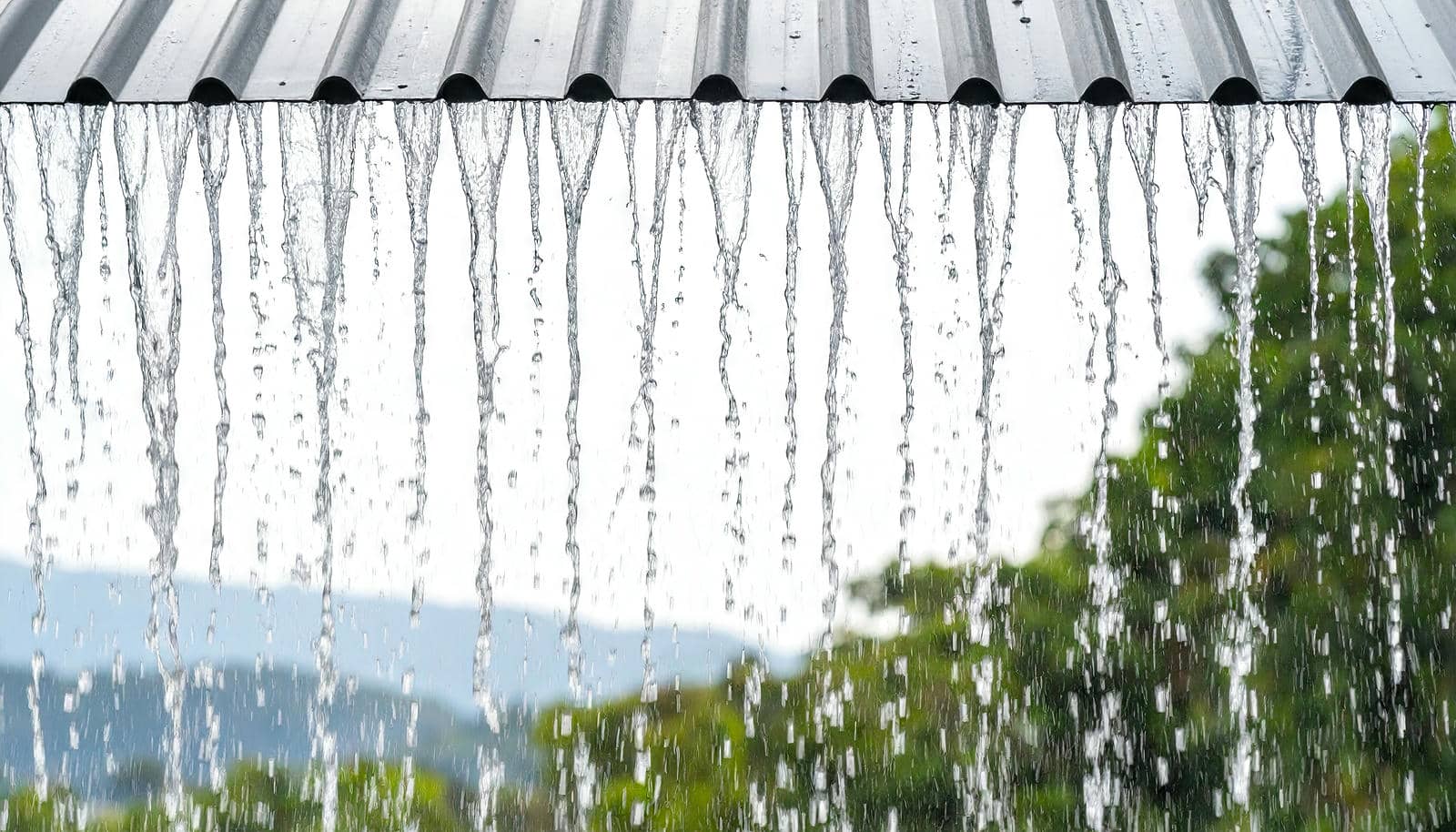
To ensure you get the most out of your metal roof investment, it’s essential to implement a regular maintenance routine. From inspections to cleaning and addressing rust, there are several key practices you should follow. Let’s explore the top tips that will help you keep your metal roof in ideal condition and extend its lifespan considerably.
Key Takeaways
- Conduct regular inspections at least twice a year to monitor for wear, rust, and loose fasteners.
- Clean the roof bi-weekly with a leaf blower and quarterly with a soft brush or pressure wash.
- Address any rust or corrosion immediately by applying protective coatings and following a consistent inspection schedule.
- Inspect and maintain seals and flashings to prevent leaks, replacing any compromised materials promptly.
- Ensure proper drainage by installing and regularly cleaning gutters to prevent clogs and direct water away from the roof.
Regular Inspections and Assessments
To ensure your metal roof remains in optimal condition, it’s essential to conduct regular inspections and assessments.
Establishing a preventive maintenance routine is vital for identifying potential issues before they escalate. Aim for inspections at least twice a year—once in the spring and once in the fall. This inspection frequency allows you to monitor the roof’s condition, checking for signs of wear, rust, or loose fasteners.
During each assessment, pay attention to seams and joints, as these areas are particularly vulnerable.
Look for any discoloration or corrosion that might indicate underlying problems. Document your findings to track changes over time, ensuring you’re proactive in addressing any issues that arise.
Cleaning and Debris Removal
Regular cleaning and debris removal are essential for maintaining the longevity and performance of your metal roof. Over time, various debris types, such as leaves, twigs, and dirt, can accumulate, leading to potential damage. To keep your roof in ideal condition, employ effective cleaning techniques.
Here’s a quick reference table to help:
| Debris Type | Cleaning Technique | Frequency |
|---|---|---|
| Leaves | Use a leaf blower | Bi-weekly |
| Twigs | Manual removal | Monthly |
| Dirt and Dust | Soft brush or pressure wash | Quarterly |
| Moss and Algae | Copper sulfate treatment | Semi-annually |
| Snow/Ice | Roof rake or shovel | As needed |
Addressing Rust and Corrosion
To keep your metal roof in peak condition, conduct regular inspections to spot any signs of rust or corrosion early.
If you identify any issues, applying a protective coating can help prevent further deterioration.
Staying proactive in maintenance ensures the longevity and performance of your roof.
Regular Inspections Needed
While you might appreciate the durability of your metal roof, it’s essential to conduct regular inspections to prevent rust and corrosion from compromising its integrity.
Establish a consistent inspection frequency—ideally every six months—to catch potential issues early. Use assessment checklists to help you evaluate critical areas, such as seams, fasteners, and drain systems.
During your inspections, look for signs of rust, dents, or any protective coating deterioration. Addressing these issues promptly can save you from costly repairs down the line.
Protective Coating Application
Applying a protective coating is crucial for addressing rust and corrosion on your metal roof, especially after inspections reveal any signs of deterioration.
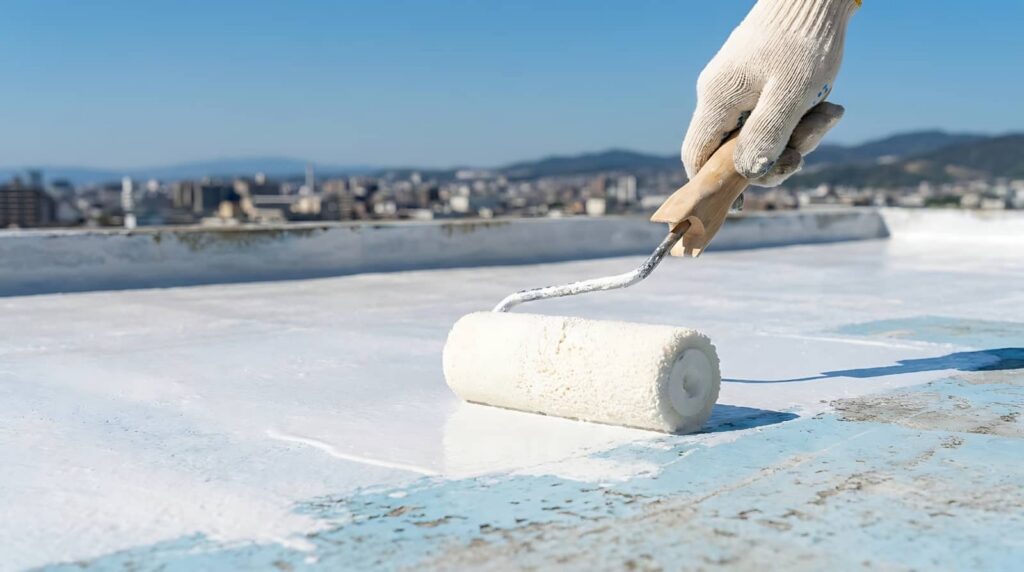
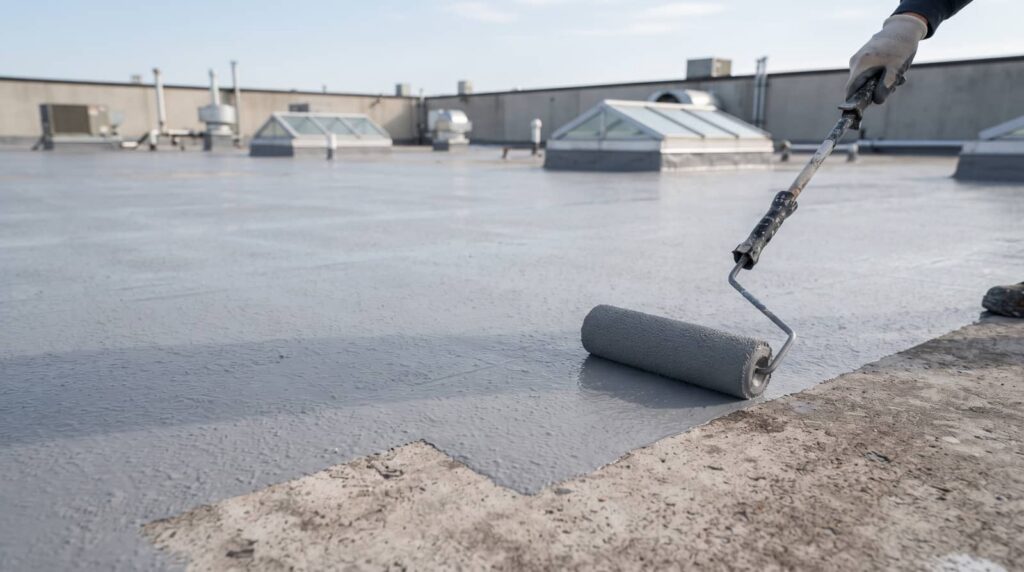
Start by selecting the right coating types, such as acrylic, polyurethane, or epoxy, based on your roof’s specific needs and environmental conditions. Each type has unique properties that enhance durability and resistance to corrosion.
When applying the coating, make certain you clean the surface thoroughly to remove dirt and rust. Use application techniques like spraying, rolling, or brushing, depending on the coating and roof design.
Pay attention to temperature and humidity for ideal adhesion. Regularly reapply the coating as needed to maintain protection and prolong your roof’s lifespan, fostering a sense of pride in your home’s integrity.
Maintaining Seals and Flashings
Maintaining seals and flashings is essential for ensuring your metal roof’s longevity and performance. Regular inspections are vital for identifying any signs of wear or damage. Focus on seal integrity; if you notice cracked or peeling seals, it’s time for replacement.
Remember, compromised seals can lead to leaks, undermining your roof’s overall effectiveness.
Flashing repairs should also be on your maintenance checklist. Check for rust, gaps, or loose sections around joints and penetrations. If you find any issues, repair or replace the flashing immediately to prevent water intrusion.
Use high-quality materials that match your roof’s specifications to maintain a seamless look and function.
Ensuring Proper Drainage
To maintain your metal roof effectively, ensuring proper drainage is essential.
Start by installing gutters to channel water away from the roof, and make it a habit to clean them regularly to prevent clogs.
Additionally, consider the placement of downspouts to optimize water flow and protect your roof’s integrity.
Gutter Installation Importance
Although many homeowners focus on the aesthetics and durability of a metal roof, proper gutter installation is essential for ensuring effective drainage.
Choosing the right gutter types—such as K-style or half-round—can greatly impact water flow and prevent potential damage to your property.
When considering installation methods, make sure you follow best practices, like using adequate downspouts and ensuring a pitch that directs water away from your foundation.
Investing in high-quality materials and professional installation enhances performance and contributes to the longevity of your roof.
Remember, effective drainage safeguards your home against leaks, mold, and structural damage.
Regular Gutter Cleaning
Proper gutter installation sets the stage for effective water management, but regular gutter cleaning is equally important to ensure that your system functions correctly.
Depending on the gutter types you have, the maintenance frequency can vary. If you’ve got standard K-style gutters, clean them at least twice a year; however, if you live in a heavily wooded area, you might need monthly checks.
Clogged gutters can lead to water pooling, which can damage your metal roof and the underlying structure. Remember, keeping your gutters clear secures proper drainage and enhances the longevity of your roof.
Establish a routine and don’t overlook this essential task; it fosters a sense of community responsibility for maintaining your home and environment.
Downspout Placement Considerations
When planning downspout placement, consider how water flows off your metal roof and interacts with your landscape. Proper downspout design is essential to ensure effective drainage and prevent water damage.
Here are some key factors to keep in mind:
Location: Place downspouts where water naturally accumulates to direct flow away from your foundation.
Spacing: Confirm downspouts are spaced evenly along the roofline for balanced water flow.
Extension: Use downspout extensions to guide water at least 5-10 feet away from your home.
Obstruction: Avoid placing downspouts near areas that could block water flow, like shrubs or fences.
Professional Maintenance Services
While you can handle some basic maintenance on your metal roof, enlisting professional maintenance services ensures a thorough and expert approach to preserving its longevity.
Roofing professionals possess specialized knowledge and tools to identify potential issues that might go unnoticed. They can conduct extensive inspections, confirming your roof is in prime condition.
By establishing maintenance contracts with these experts, you secure regular check-ups and gain peace of mind knowing your investment is well-protected.
These contracts often include services like cleaning, repairing fasteners, and addressing rust or corrosion, which are crucial for long-term durability.
Additionally, roofing professionals can provide tailored advice based on your specific roof type and environmental factors, enhancing your roof’s lifespan.
This partnership fosters a sense of community and belonging, as you work together to safeguard an essential aspect of your home.
Embrace professional services to ensure your metal roof remains reliable and resilient for years to come.
Frequently Asked Questions
How Long Does a Metal Roof Typically Last?
A metal roof typically lasts 40 to 70 years, depending on materials and maintenance. To maximize your metal roof’s lifespan, follow essential maintenance tips like regular inspections and cleaning to prevent rust and damage.
Can I Install a Metal Roof Over Shingles?
Yes, you can install a metal roof over shingles, but it’s essential to ensure proper roof installation. Skipping shingle removal can lead to trapped moisture, compromising your roof’s longevity and performance, much like ignoring a leaky faucet.
What Colors Are Available for Metal Roofing?
You’ll find a wide range of metal roof colors, including classic shades like black, gray, and white, as well as vibrant options like red and blue. Your color selection can enhance your home’s aesthetic appeal considerably.
Does a Metal Roof Increase Home Value?
Yes, a metal roof can increase your home’s resale value. Its durability and energy efficiency offer significant investment benefits, attracting potential buyers who appreciate long-term savings and reduced maintenance, ultimately enhancing your property’s appeal in the market.
Are Metal Roofs Energy Efficient?
Yes, metal roofs are energy efficient. Their insulation helps maintain temperature, while reflective coatings minimize heat absorption. This combination reduces energy costs, ensuring your home stays comfortable and lowering your environmental impact effectively.
Wrap-Up
By following these maintenance tips, you can keep your metal roof in top shape and extend its lifespan. Regular inspections and prompt action on issues like rust and debris will help you nip problems in the bud. Remember, a little effort now can save you big bucks later. With the right care, your roof will weather any storm, ensuring your home stays protected for years. Don’t wait until it’s too late—act today!