When it comes to metal roofs, identifying leaks early is essential to prevent costly damage. You should watch for visible water stains on ceilings and walls, as well as rust or corrosion on the metal panels. Loose or missing fasteners can also compromise your roof’s integrity. But that’s just the beginning. There are several other signs you might encounter that indicate potential issues. Understanding these can save you time and money in the long run.
Key Takeaways
- Visible water stains on ceilings and walls indicate potential leaks in metal roofs, often near vents and chimneys.
- Evidence of mold or mildew signifies moisture infiltration, requiring immediate attention to prevent extensive damage.
- Rust or corrosion on metal panels suggests moisture exposure, which can lead to leaks if not addressed.
- Puddles or wet spots on the roof indicate drainage issues that may compromise roof integrity.
- Dripping water during rainfall often points to leaks caused by improper drainage or gutter maintenance.
Visible Water Stains on Ceilings and Walls
When you notice visible water stains on your ceilings and walls, it often indicates that your metal roof may be leaking. These stains are more than just unsightly; they signal potential ceiling damage that could escalate if not addressed promptly.
Water stains typically appear as dark patches, and their size or shape can vary depending on the leak’s severity and location.
To assess the situation, inspect your attic for any signs of moisture or dampness that might correlate with these stains. Pay close attention to areas around vents, chimneys, and flashing, as these are common leak points.
If left unchecked, the moisture can lead to mold growth and further structural damage, compromising the safety of your home.
Taking swift action to identify the source of the leak will help you maintain a safe and comfortable living environment, ensuring your home remains a place where you feel secure.
Rust or Corrosion on Metal Panels
Rust or corrosion on metal panels can greatly compromise your roof’s integrity.
This deterioration typically occurs due to moisture exposure and can lead to leaks if not addressed promptly.
To protect your investment, it’s crucial to understand the causes, recognize the effects, and implement effective prevention and maintenance strategies.
Causes of Rust Formation
Although metal roofs are designed to withstand various weather conditions, several factors can contribute to rust formation on the panels. One primary rust formation cause is the presence of moisture, especially when trapped under debris or between panels.
Poor ventilation can exacerbate this issue, leading to increased humidity levels. Additionally, contact with dissimilar metals can create electrolysis, accelerating corrosion. If you’ve installed your roof with inadequate protective coatings, you’re also at risk.
To combat these issues, consider effective prevention methods like regular maintenance, ensuring proper drainage, and applying high-quality sealants. By staying proactive, you can extend your roof’s lifespan and maintain its integrity, ensuring your home remains a secure and welcoming space for years to come.
Impact on Roof Integrity
As moisture seeps into metal panels, it can lead to significant deterioration, compromising the roof’s integrity. Rust or corrosion affects the aesthetic appeal and poses serious risks to your roof’s stability and structural integrity.
When you neglect these issues, you may encounter:
- Increased likelihood of leaks and water damage
- Weakened support structures, risking collapse
- Higher repair costs due to extensive damage
Addressing rust promptly is vital to maintaining a safe and secure environment for you and your loved ones.
Prevention and Maintenance Tips
To effectively prevent rust and corrosion on your metal roof, regular maintenance is vital.
Start with regular inspections to identify any signs of wear, such as scratches or dents that can expose the metal beneath. Pay close attention to seams and joints, as these are common areas for moisture accumulation. Proper sealing of these joints is essential; use high-quality sealants designed for metal roofs.
Additionally, make certain that your roof is free from debris, which can trap moisture and accelerate rust formation. If you spot rust, address it immediately by cleaning the affected area and applying a rust-inhibiting primer followed by paint.
Loose or Missing Fasteners
One of the most common causes of metal roof leaks is loose or missing fasteners. These fasteners play an essential role in securing your roof panels, and neglecting them can lead to significant issues.
You need to regularly inspect your roof for signs of fastener failure, especially after severe weather.
Consider the following:
Fastener Types: Different fasteners, such as screws or bolts, have specific roles; make sure they’re appropriate for your roof material.
Installation Techniques: Proper installation is key; incorrect placement can compromise the seal and lead to leaks.
Regular Maintenance: Schedule periodic checks to tighten or replace any loose or missing fasteners, preventing potential leaks.
Evidence of Mold or Mildew
If you notice evidence of mold or mildew on your metal roof, it’s a clear indication that moisture is infiltrating your roofing system. This can lead to bigger issues if not addressed promptly. Mold prevention starts with regular inspections and proper ventilation. If you find mold or mildew, you’ll need to take into account effective mildew treatment options to safeguard your roof’s integrity.
| Signs of Mold/Mildew | Recommended Actions | Prevention Tips |
|---|---|---|
| Dark stains on the roof | Use a mold cleaner | Ensure proper drainage |
| Foul odor in attic | Hire a professional | Regular roof checks |
| Visible growth | Apply antimicrobial spray | Maintain ventilation |
Taking these steps can help you maintain a healthy roofing system. Remember, early intervention is key to preventing extensive damage and costly repairs.
Puddles or Wet Spots on the Roof
When you notice puddles or wet spots on your metal roof, it’s essential to inspect for water accumulation promptly.
This moisture can indicate underlying roof material damage that needs immediate attention.
Additionally, keep an eye on weather conditions to anticipate potential leaks and address them before they worsen.
Inspect for Water Accumulation
As you examine your metal roof, look for any signs of water accumulation, such as puddles or wet spots, which can indicate potential leaks.
Water pooling often results from drainage issues that can compromise your roof’s integrity. Regular inspections can help you catch these problems early.
- Inspect low points on the roof where water is likely to collect.
- Check for obstructions in gutters or downspouts that might cause drainage issues.
- Monitor the roof’s slope to ensure it directs water away effectively.
Identify Roof Material Damage
Water accumulation on your metal roof can signal underlying material damage that needs immediate attention.
During a thorough roof inspection, you should look for puddles or wet spots, as they may indicate compromised material durability. Standing water can lead to rust formation, corrosion, and other structural issues, which can undermine your roof’s integrity.
It’s important to address these issues promptly to avoid costly repairs down the line. Check for any signs of wear, such as blistering or bubbling, which can further exacerbate leaks.
Don’t hesitate to contact a roofing professional if you notice persistent water accumulation. By staying proactive, you can ensure your metal roof remains in peak condition and continues to protect your home.
Monitor Weather Conditions Regularly
Monitoring weather conditions regularly is essential for detecting potential leaks in your metal roof, especially after rainstorms or heavy snowfall.
By staying informed about local weather patterns and utilizing storm forecasting tools, you can catch issues before they escalate. After severe weather, inspect your roof for puddles or wet spots that may indicate compromised areas.
- Check for pooling water that lingers after storms.
- Look for discolored or rusted spots, suggesting leaks.
- Be proactive about maintenance following extreme weather events.
Damaged or Deteriorated Seams
Seams play an essential role in the integrity of a metal roof, acting as the junctions where panels meet and are secured. Over time, these seams can become damaged or deteriorated, leading to potential leaks.
Regular seam inspection is imperative; look for signs of rust, gaps, or loose fasteners. If you notice any issues, addressing them immediately can prevent further complications.
Utilizing effective sealing techniques is essential for maintaining the integrity of the seams. Confirm that all seams are properly sealed with high-quality materials designed for metal roofs.
If you find any deterioration, consider resealing or replacing the affected areas to restore protection.
Ignoring damaged seams can result in significant water intrusion, which may lead to more extensive repairs down the line.
Increased Energy Bills
As you experience a spike in energy bills, it may signal underlying issues with your metal roof, particularly if leaks or insulation problems exist.
Poor energy efficiency can lead to higher utility costs, as your heating and cooling systems work overtime to maintain comfortable indoor temperatures. Here are some factors to reflect on:
Insulation Gaps: Insufficient or damaged insulation can cause energy loss, increasing your bills.
Moisture Issues: Water intrusion from leaks can lead to mold and structural damage, further complicating energy efficiency.
Roof Condition: Deteriorating metal surfaces can reflect heat poorly, forcing HVAC systems to work harder.
Addressing these concerns promptly can help restore your roof’s integrity, enhance energy efficiency, and ultimately lower your utility costs.
Don’t wait for more significant damage; take action now to protect both your home and your finances.
Dripping Water During Rainfall
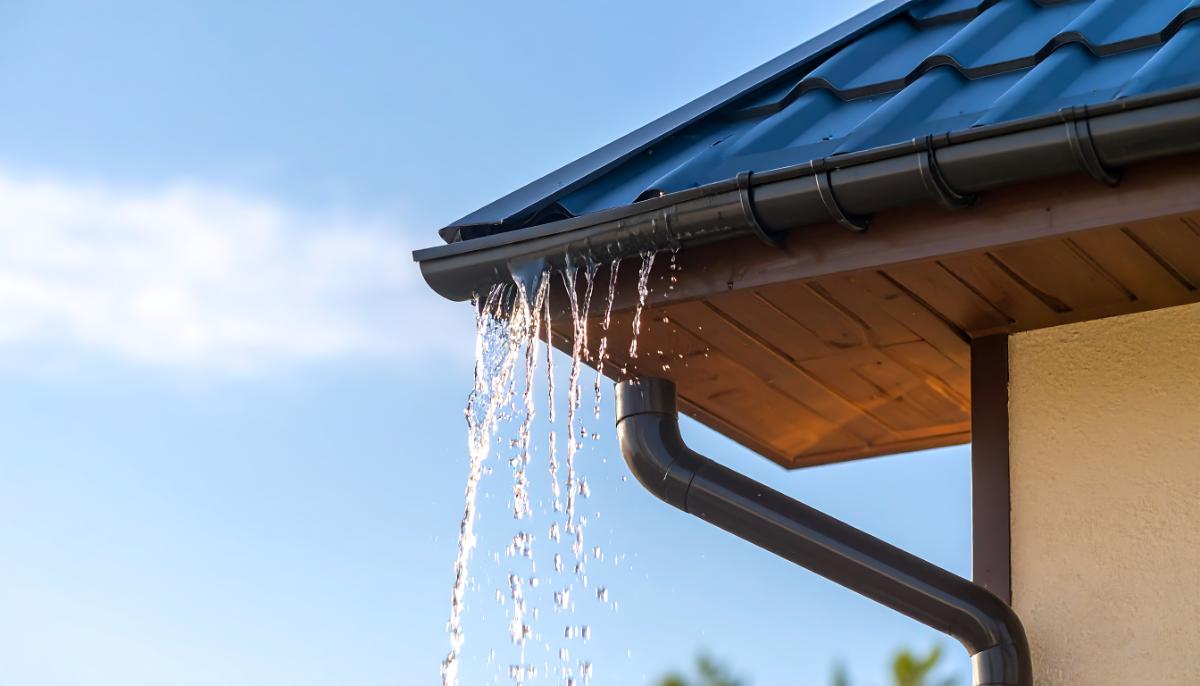
Whenever you notice dripping water during rainfall, it’s vital to investigate the potential causes, as this is a clear indicator of a leak in your metal roof. Dripping water can stem from various issues, including improper drainage or neglected gutter maintenance. Identifying the source quickly can prevent more significant damage.
| Potential Cause | Symptoms | Solutions |
|---|---|---|
| Gutter Blockage | Water overflow | Clean gutters regularly |
| Roof Panel Damage | Visible rust or holes | Inspect panels closely |
| Poor Installation | Uneven water flow | Consult a roofing expert |
| Flashing Issues | Water pooling | Check and repair flashing |
| Drainage Issues | Persistent dripping | Assess drainage systems |
Taking proactive measures ensures your home stays protected from leaks. Regular inspections and maintenance can save you from costly repairs and keep your living space comfortable.
Frequently Asked Questions
How Can I Prevent Metal Roof Leaks?
You can prevent metal roof leaks by implementing preventive measures such as regular inspections. Check for loose panels, damaged seals, and debris buildup. Addressing these issues promptly ensures your roof remains watertight and functional.
What Maintenance Is Necessary for Metal Roofs?
To maintain your metal roof, schedule regular inspections and perform routine maintenance. Check for rust, loose fasteners, and sealant wear. Address issues promptly to ensure longevity and peak performance, keeping your roof in top condition.
Are Metal Roofs More Prone to Leaks Than Other Materials?
No, metal roofs aren’t more prone to leaks than other materials. Their durability and advantages, like resistance to harsh weather, often make them less susceptible to leaks compared to traditional roofing options, ensuring long-term protection.
How Long Do Metal Roofs Typically Last?
Metal roofs typically last 40 to 70 years, thanks to their exceptional durability. When you choose metal, you’re investing in a long roof lifespan, reducing the need for frequent repairs or replacements common with other materials.
When Should I Call a Professional for Roof Inspections?
Just like a car needs regular check-ups, your roof does too. You should call for professional services if you notice any damage, unusual stains, or after severe weather. Regular roof inspections can save you from costly repairs.
Recap
Being vigilant about the signs of metal roof leaks can save you significant repair costs down the line. By regularly inspecting for visible water stains, rust, and other indicators, you can address potential issues before they escalate. Don’t wait for dripping water during a storm—stay proactive and ensure your roof’s integrity to protect your home and finances.